Most textile design jobs are not posted the way software jobs are posted. There is no central feed, the titles vary wildly by region, and a real percentage of the work — possibly most of it — gets filled before any listing goes live. That is the first thing to understand before sending another application into the LinkedIn void. The market exists. The job openings exist. They just live in places a job board scraper will not find.
This guide is for the design student about to graduate, the junior print designer hunting their second role, and the career changer coming in from graphic design, fine art, or fashion merchandising. It covers where the work actually is, what to call it when you search, what it pays, what a hiring manager looks at in the first ninety seconds of a portfolio review, and how to think about the next thirty years instead of the next thirty days.
Where textile design jobs actually live
There are five distinct employers of textile designers, and they hire in different ways, on different timelines, for different kinds of work. Knowing which one you are aiming at changes everything about how you prepare.
In-house at fashion and apparel brands. This is the most visible category. Every mid-to-large apparel brand with a printed or jacquard product line has at least one in-house print or textile designer. At the larger vertically-integrated brands — fast fashion, mass-market denim, kids and baby, athleisure — there are entire print teams with junior designers, senior designers, print directors, and color stylists. The work is fast, calendar-driven, and tied to seasonal drops. You will design twenty to fifty prints a season and see maybe a third of them produced.
In-house at fabric mills and converters. Mills that print or weave fabric for multiple brands employ designers who originate prints for the mill's own collection, which sales reps then carry to brand customers. This is closer to traditional studio work — more freedom, longer development cycles, more attention to repeat construction and colorway development, with regular crossover into woven patterns where the structure and the print decision are made together. Strong in northern Italy, Portugal, Turkey, India, China, and pockets of the US Southeast.
Design studios that license to brands. Print studios are independent businesses that originate hundreds of prints a year and sell them to brands as work-for-hire or licensed designs. London, Paris, New York, and Como have the densest concentrations. Junior designers at studios produce a high volume of work in a tightly defined house style. It is the fastest way to learn output speed, because output speed is the entire business model.
Freelance through agencies and platforms. Agencies represent freelance textile designers and place them on contract projects with brands and studios. Platforms like Patternbank and Make it in Design's marketplace let designers sell non-exclusive prints directly. The economics here are very different from a salary — you trade stability for flexibility and ownership.
Independent print-on-demand and direct-to-consumer. Selling on Spoonflower, Society6, Redbubble, Etsy, or your own Shopify storefront is now a legitimate path. It pays poorly per-print but compounds over years if your catalog is large enough, and a strong POD shop functions as a public portfolio that brands and agencies actually look at.
Job titles to search for
The single biggest mistake job seekers make is searching for "textile designer" and stopping there, or assuming every shop runs the same textile design software stack. The same role gets titled differently across companies, and you miss most listings.
Search all of these, in rotation:
- Textile Designer / Senior Textile Designer / Textile Design Manager
- Print Designer / Print Artist / Senior Print Designer
- Surface Designer / Surface Pattern Designer
- Repeat Artist / CAD Artist / Textile CAD Designer
- Color Stylist / Colorist / Color Designer
- Graphic Designer (Apparel) / Graphic Artist (Apparel)
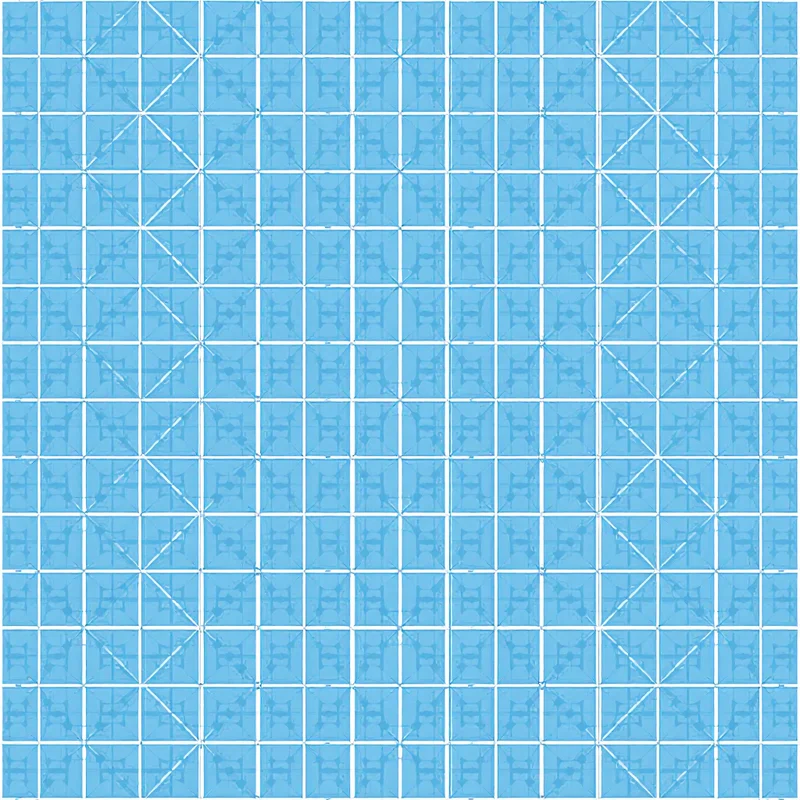
- Embroidery Designer / Jacquard Designer / Knit Designer (these specialisations often produce textural ground prints such as basket weave patterns alongside the more decorative work)
- Print and Pattern Designer
- Design Assistant (Print) — entry level
- Textile Stylist / Print Stylist
"Print designer" and "print artist" are the most common US titles. "Textile designer" is more common in the UK, EU, and India. "Surface designer" is broader and covers wallpaper, gift wrap, ceramics, and home — sometimes the better term if you want flexibility outside apparel. "Repeat artist" and "CAD designer" are specialized roles for cleaning up hand-drawn or AI pattern generator output into production-ready repeats — usually a junior path that leads to full designer roles.
Where job listings actually post
LinkedIn and Indeed catch the obvious ones, especially at larger brands with internal recruiting teams. Set up saved searches for every title above, filtered to your geographies. Check daily — print roles fill fast.
Beyond the general boards, the specialized listings matter much more — and a tightly edited textile design portfolio is what the listings below ask for first:
- BoF Careers (Business of Fashion). Strongest for mid-to-senior creative roles at established fashion brands. The fee filter means listings are higher quality on average.
- Penny Linn Designs job board. A newsletter and listing aggregator specifically for textile, print, and surface design jobs across the US and Europe. Genuinely useful — small, curated, no spam.
- Patternbank Careers. The job board attached to the print trend forecaster — listings skew toward studios, agencies, and small brands that already use Patternbank for inspiration.
- Stylus and WGSN job boards. Trend forecaster boards skew toward roles at companies that pay for trend subscriptions, which means larger brands and retailers.
- Drapers (UK) and FashionUnited (EU/global). Strong for European listings, especially London and Northern Europe.
- MakersValley, Sourcing Journal, and Just-Style. Manufacturing-adjacent boards — useful for mill, converter, and supply-chain-facing design roles.
- Society for Surface Design and Surface Design Association newsletters. Niche, US-focused, but the right newsletter at the right week.
- Agency rosters. Sign up for the newsletters at every textile design agency you can find (Print Sourcing Co, The Textile Group, individual studio recruiters in London and NY). They post placement opportunities to subscribers first.
A surprising amount of work also gets filled through Instagram. Studios and small brands post "looking for a junior to start in three weeks" stories that never hit a job board. Follow the studios you would want to work for, turn on notifications, and DM with restraint.
What textile design jobs actually pay
Salary ranges vary enormously by city, brand size, and specialization. The numbers below are approximate working ranges in USD and EUR for full-time in-house roles as of 2026. Freelance rates are a separate conversation further down.
Junior / Assistant Print Designer (0-2 years)
- New York / LA: $48,000 - $62,000
- London: £28,000 - £36,000
- Paris / Milan: €30,000 - €40,000
- Mid-size US cities (Nashville, Columbus, Portland, Minneapolis): $42,000 - $55,000
- India (Mumbai, Delhi, Bangalore): ₹4,00,000 - ₹7,00,000
Mid-level Print / Textile Designer (3-6 years)
- New York / LA: $65,000 - $90,000
- London: £38,000 - £52,000
- Paris / Milan: €42,000 - €58,000
- Mid-size US cities: $55,000 - $75,000
- India: ₹8,00,000 - ₹14,00,000
Senior Print Designer / Lead (7-12 years)
- New York / LA: $90,000 - $130,000
- London: £55,000 - £75,000
- Paris / Milan: €60,000 - €80,000
- Mid-size US cities: $75,000 - $100,000
- Tokyo, Seoul, Shanghai: highly variable, often package-based
Print Director / Head of Print (12+ years)
- $130,000 - $200,000+ at established US brands, with bonus and equity at the top end. London directors at large groups land in the £80,000 - £130,000 range.
Mills generally pay 10-20% less than apparel brands at every level but offer more creative latitude. Studios pay similarly to brands at junior levels but cap lower at senior levels because the upside is partner equity, not salary. Fast fashion pays better than luxury at junior levels and worse than luxury at director level.
How to apply for textile designer jobs
Portfolio matters more than résumé. Read that again. Hiring managers in this field will look at the portfolio first, decide within ninety seconds whether you are a candidate, and only then read the résumé to confirm the call. If your portfolio link is broken, buried, or shows ten unrelated illustrations, none of the rest matters.
The application packet should be:
- 1A PDF or web portfolio link at the top of the email or cover letter. Not an attachment they have to scroll for. Not "available on request."
- 2A short cover note (three to five sentences) that names the brand or studio specifically and references one thing you have noticed about their print direction in the last two seasons.
- 3A one-page résumé. Skills section listing software (Photoshop, Illustrator, NedGraphics or Pointcarré for jacquard roles, Procreate, seamless pattern maker tools you actually use). Experience section with brand names where possible.
- 4A line about availability and location, including whether you are open to relocation or hybrid.
Send applications to a named person where you can find one — through LinkedIn, through the studio website, through a polite inquiry. Generic "careers@" addresses are a black hole at most small studios because nobody is paid to read them.
What to put in a job-search portfolio
A portfolio aimed at getting hired is not the same as a portfolio aimed at selling prints. A hiring portfolio is showing range, technical chops, and commercial sensibility — not a personal artistic statement.
The structure that consistently lands interviews:
- Twelve to twenty hero prints, organized into three or four categories that match what the target brand actually produces. If you are applying to a kids brand, show four pages of kids-appropriate prints. If you are applying to a contemporary womenswear brand, show florals, conversationals, and geometrics in a current palette.
- One repeat tile shown next to its tiled-up version for at least three prints, so the reviewer can see you understand surface pattern design construction. This is the single most common test in a junior interview — show it in your portfolio and you skip the question.
- One colorway page showing the same print in three or four colorways. Colorway range is a paid skill at every brand in the world. Demonstrate it.
- One technical page — a flat layout in repeat, on a mockup garment or fabric swatch, showing scale in context. Brands need to know you can see scale, not just draw.
- One process page — sketch to vector to final, or hand-painted to digital. Hiring managers want to see how you think, not just what you finished.
Cut everything that does not earn its place. A ten-page portfolio of strong work beats a forty-page portfolio that includes your university final and a series of mediocre tigers.
For students with limited brand work, fill the portfolio with self-directed projects targeted at real brands. "What if I designed a six-print capsule for [specific brand]'s resort 2027 line" is a stronger statement than "here is what I made for class."
Interview prep: the live design exercise
Most textile design interviews include a live or take-home design exercise. The brief usually arrives the morning of the interview or a few days before, and it is graded as much on process and decision-making as on the final output.
Typical briefs:
- "Design a three-print capsule for our spring 2027 floral story. Mood board attached. Two days."
- "Take this hand-drawn motif and turn it into a half-drop repeat with three colorways. Two hours, live, screen-share."
- "Recolor this existing print to fit our autumn palette. One hour."
- "Sketch ten thumbnails for a tropical conversational print. Pick the strongest three to develop. Forty-five minutes."
What hiring managers are scoring:
- Can you make a decision and commit? Indecisive sketchers fail this test fast.
- Do you understand repeat construction? A junior who can rotate a motif but cannot close a half-drop seamlessly will be politely declined.
- Do you understand color? Recoloring is where weak candidates get exposed.
- Do you read a brief? Brands brief in their own language. Listening to the brief is half the test.
Practice live exercises before you need them. Time yourself. Sketch ten thumbnails in fifteen minutes. Take a motif from concept to tiled repeat in ninety minutes. The speed comes from reps, not talent.
Freelance vs in-house economics
Freelance pays better per-hour and worse per-year for most designers in their first decade. Honest math: a junior freelancer billing $50/hour at sixty percent utilization grosses around $62,000 — about the same as a junior in-house salary in a major city, with no benefits, no paid time off, and self-employment tax. A senior freelancer at $90-120/hour and seventy percent utilization can match or exceed a senior in-house package, especially with recurring studio retainers.
The crossover usually happens around year five to seven, when the freelancer has enough repeat clients and reputation to keep utilization above seventy percent without constant marketing. Before that, in-house is usually the better economic deal — and the better learning environment.
Freelance pays for itself fastest when you specialize:
- A freelancer who is the best paisley designer in a specific city, or the only person in the local market who can do a clean jacquard CAD turn, will be busy.
- A freelancer who "designs any kind of print" competes with everyone, including fabric pattern generator tools that brands now use in-house.
The middle path that more designers are taking: part-time in-house plus freelance on the side. Three or four days a week salaried, one or two days a week building a freelance book or a POD catalog. The salaried days pay the rent. The freelance days build the optionality.
Building a career across decades
The five-year arc looks like: get in the door at a brand or studio, output volume, learn the production side, build relationships. The ten-year arc looks like: senior designer or design manager, brand reputation in a specific niche, growing freelance book on the side. The twenty-year arc splits into three common paths.
Path one: design director at a brand. Manage a team, own the print direction across multiple lines, eventually become creative director. The ceiling is high. The day-to-day stops being design and becomes meetings and merchandising calendars. Some people thrive here. Many burn out.
Path two: own a studio. Start as a senior freelancer, hire one assistant, then two, then five. Build a house style. Sell prints into a roster of brand clients on retainer. Cap your team size at five to twelve people and run a profitable boutique studio. The economics work if you can land two or three anchor clients.
Path three: independent practice. Stay freelance and small. Build a POD catalog that earns passive income. Teach a course. Write a book. License vintage-feel collections to home goods brands. Slowly build a personal brand. Lower income volatility, lower ceiling, more autonomy. This path is growing because the tools for independent practice — including AI pattern generator tools and direct-to-consumer platforms — have collapsed what used to require a full studio.
Whichever path you end up on, three habits compound over a career:
- Keep working files for everything. Layered PSDs, vector originals, color separations. A twenty-year archive of your own work is the most valuable asset you will build.
- Stay in seasonal calendars. Even if you freelance, design to seasons. Brands buy on calendars. Your portfolio should always have something current.
- Build relationships with three to five buyers per decade. Not a hundred. Five buyers who trust you and rehire you across multiple companies is a career.
Resources to keep open
- The blog's fashion print design guide for production fundamentals
- The walkthrough on how to design clothing patterns for technical repeat work
- The design patterns for Spoonflower breakdown for POD-specific specs
- Category-specific starting points: floral patterns, cultural patterns, animal patterns
- Practical references on clothing design, fashion print design, and textile design as fields
Textile design jobs reward the people who treat the search as a craft. The portfolio is the application. The application is targeted. The interview prep is reps, not luck. The career is built across decades, not seasons. Show up that way and the work will find you, even when the job boards are quiet.
Explore related pattern styles