Fashion Print Design with AI

Design production-ready prints for fashion apparel — sublimation, digital fabric printing, screen, and DTG. 600+ styles across botanical, geometric, paisley, and tropical traditions. Export Spoonflower-ready CMYK TIFF up to 8K.

5 free credits — no credit card required

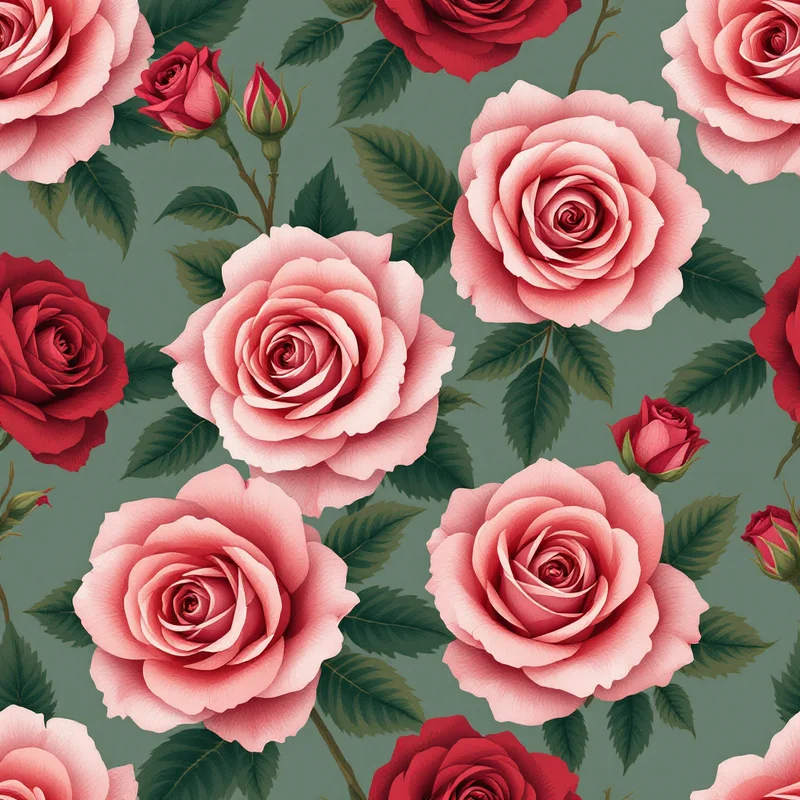
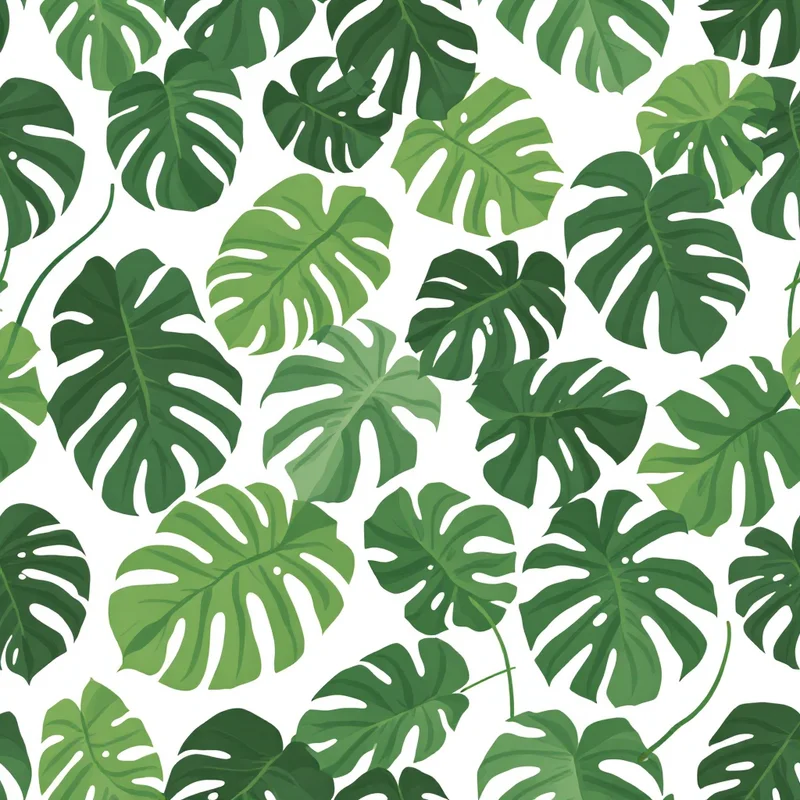
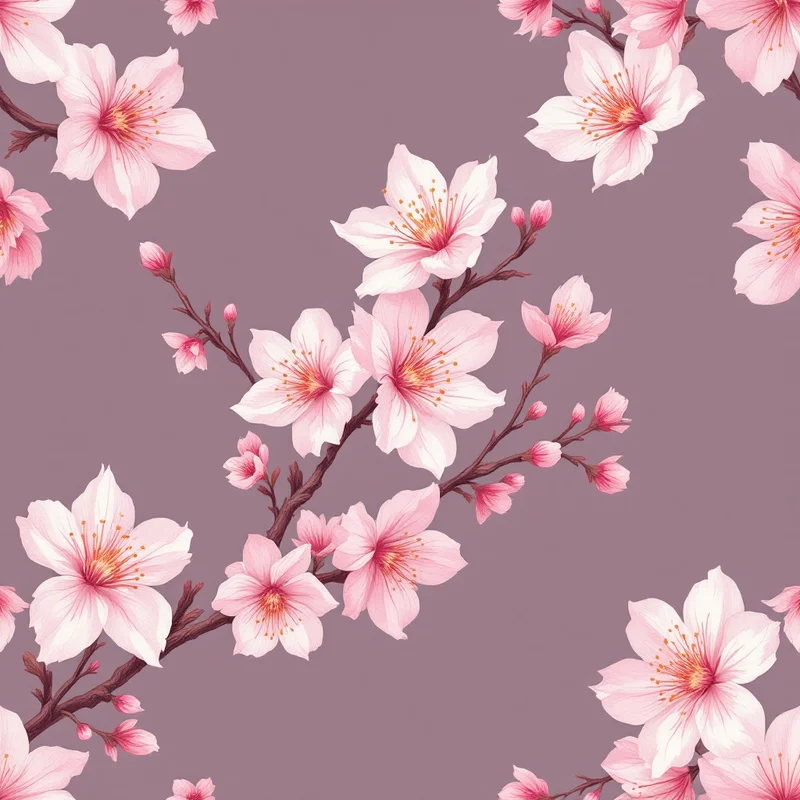
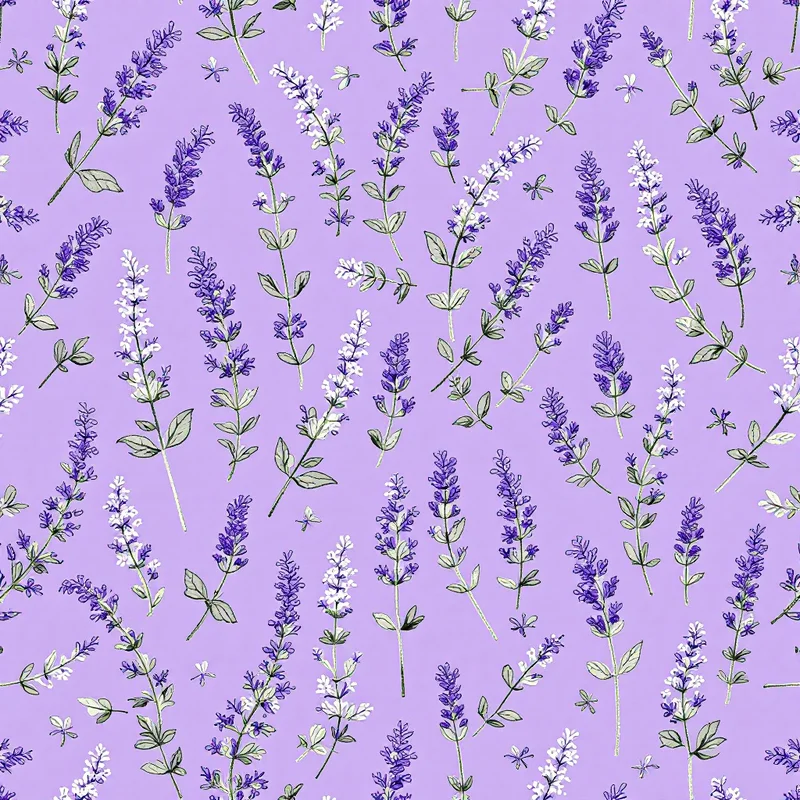
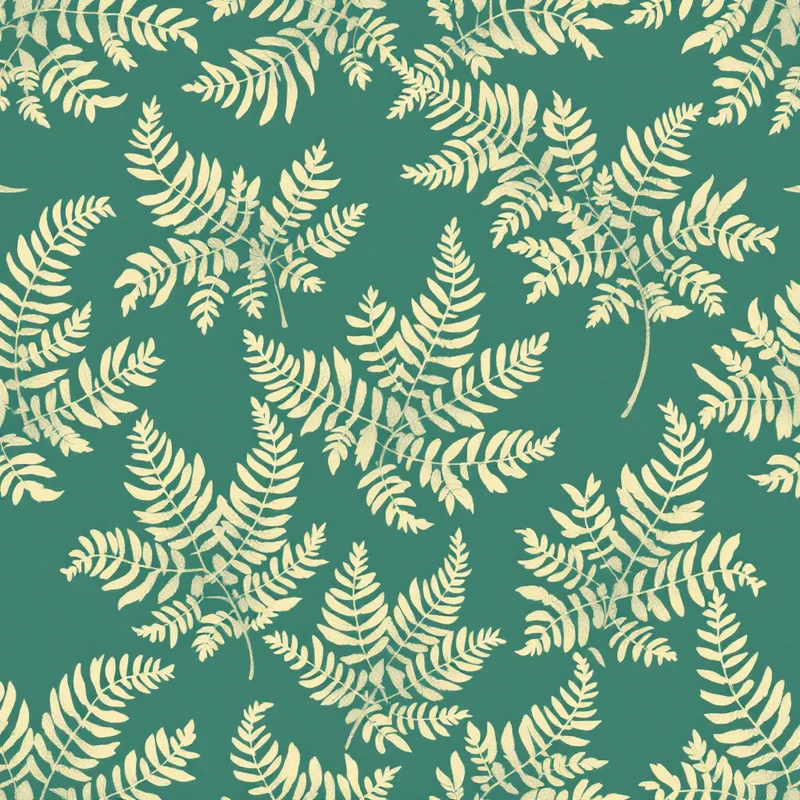
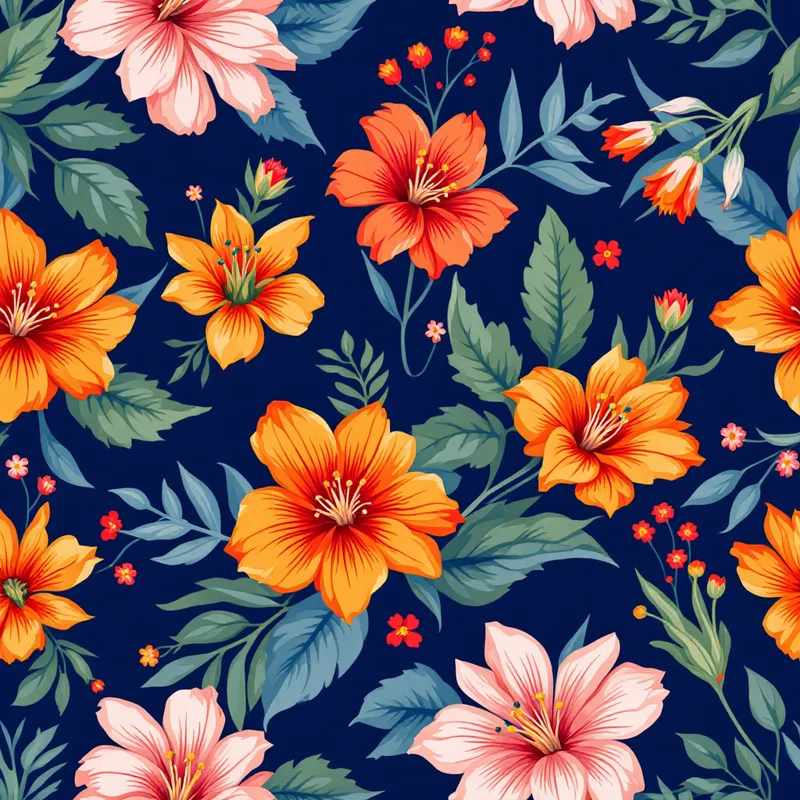
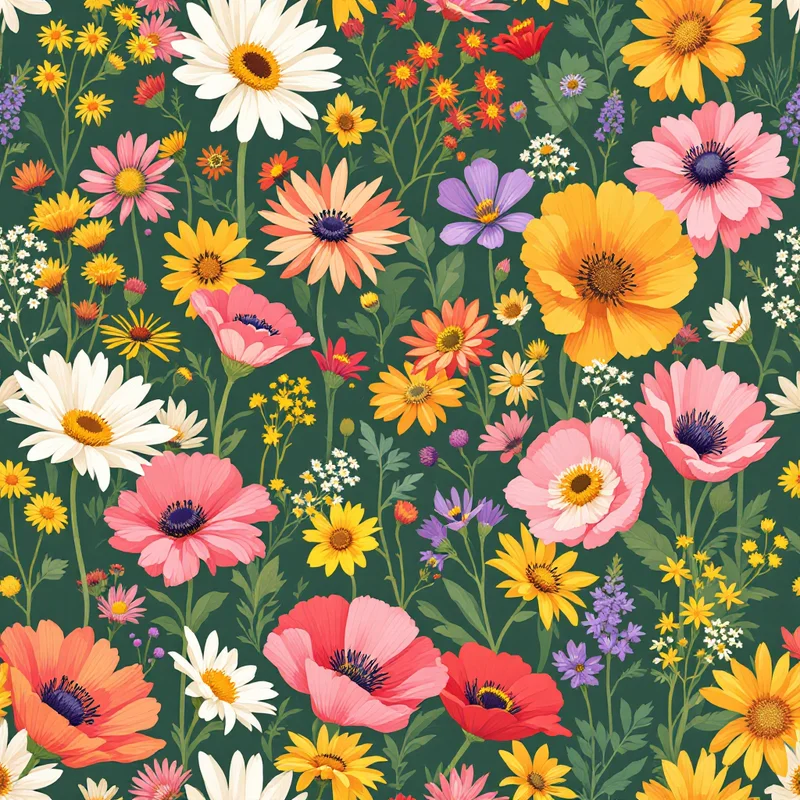
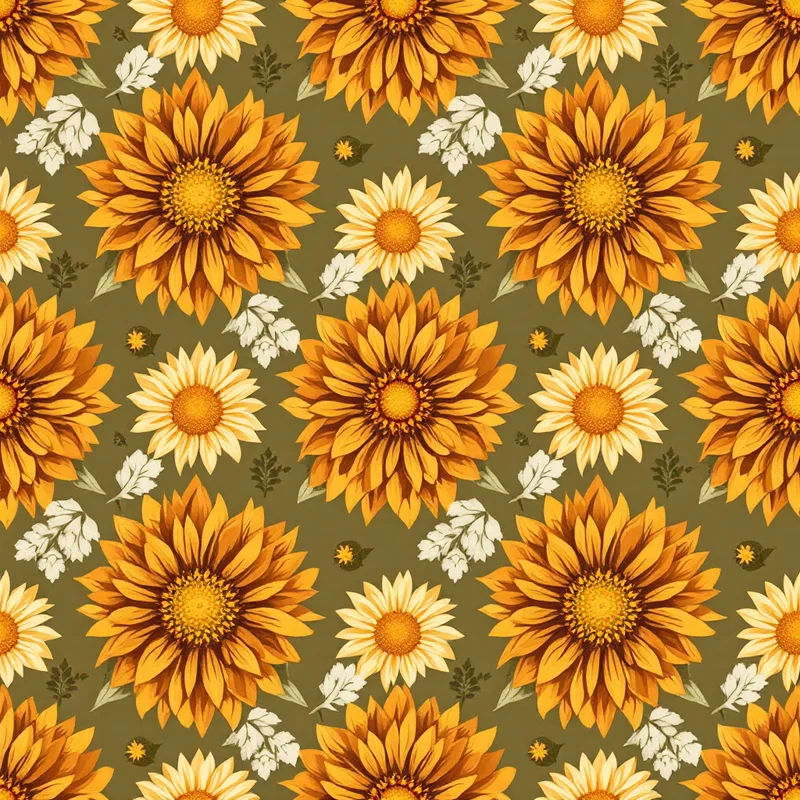
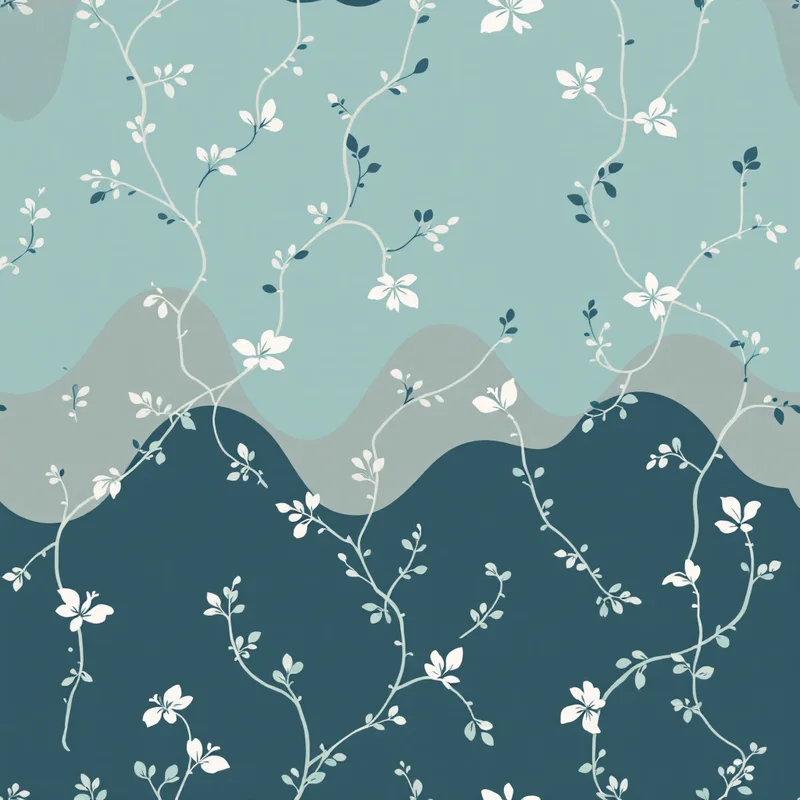
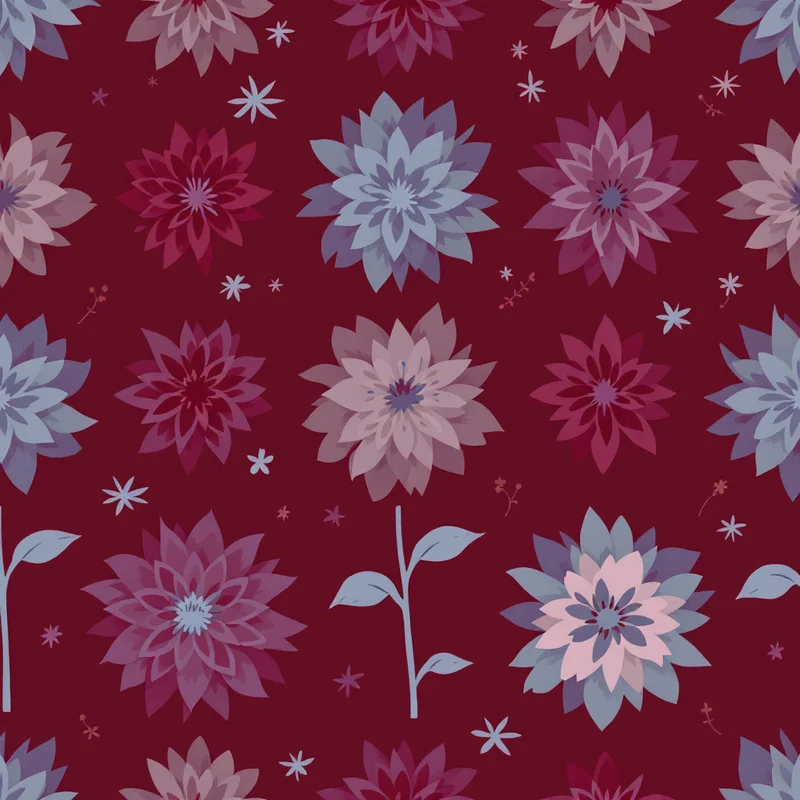
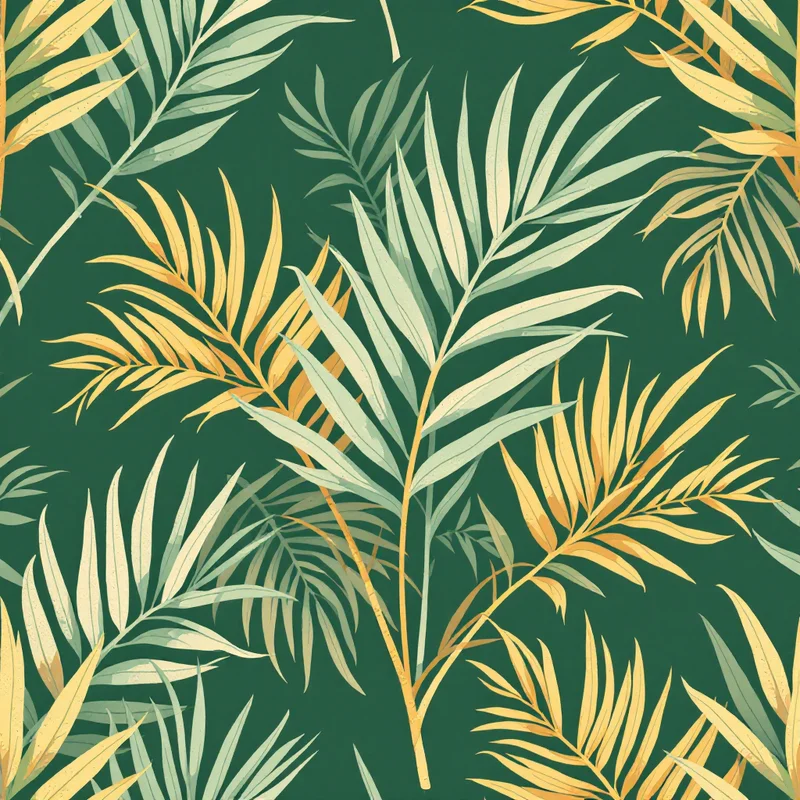
Seamless botanical rose pink pattern tileSeamless botanical monstera green pattern tileSeamless botanical cherry blossom pink pattern tileSeamless botanical lavender purple pattern tileSeamless botanical fern green pattern tileSeamless botanical tropical red pattern tileSeamless botanical wildflower multi pattern tileSeamless botanical eucalyptus mint pattern tileSeamless botanical sunflower gold pattern tileSeamless botanical vine sage pattern tileSeamless botanical dahlia purple pattern tileSeamless botanical palm dark pattern tileSeamless botanical lily white pattern tileSeamless botanical herbs kitchen pattern tileSeamless botanical mushroom autumn pattern tileSeamless botanical cactus green pattern tileSeamless botanical rose pink pattern tileSeamless botanical monstera green pattern tileSeamless botanical cherry blossom pink pattern tileSeamless botanical lavender purple pattern tileSeamless botanical fern green pattern tileSeamless botanical tropical red pattern tileSeamless botanical wildflower multi pattern tileSeamless botanical eucalyptus mint pattern tileSeamless botanical sunflower gold pattern tileSeamless botanical vine sage pattern tileSeamless botanical dahlia purple pattern tileSeamless botanical palm dark pattern tileSeamless botanical lily white pattern tileSeamless botanical herbs kitchen pattern tileSeamless botanical mushroom autumn pattern tileSeamless botanical cactus green pattern tile
Seamless botanical cactus green pattern tileSeamless botanical mushroom autumn pattern tileSeamless botanical herbs kitchen pattern tileSeamless botanical lily white pattern tileSeamless botanical palm dark pattern tileSeamless botanical dahlia purple pattern tileSeamless botanical vine sage pattern tileSeamless botanical sunflower gold pattern tileSeamless botanical eucalyptus mint pattern tileSeamless botanical wildflower multi pattern tileSeamless botanical tropical red pattern tileSeamless botanical fern green pattern tileSeamless botanical lavender purple pattern tileSeamless botanical cherry blossom pink pattern tileSeamless botanical monstera green pattern tileSeamless botanical rose pink pattern tileSeamless botanical cactus green pattern tileSeamless botanical mushroom autumn pattern tileSeamless botanical herbs kitchen pattern tileSeamless botanical lily white pattern tileSeamless botanical palm dark pattern tileSeamless botanical dahlia purple pattern tileSeamless botanical vine sage pattern tileSeamless botanical sunflower gold pattern tileSeamless botanical eucalyptus mint pattern tileSeamless botanical wildflower multi pattern tileSeamless botanical tropical red pattern tileSeamless botanical fern green pattern tileSeamless botanical lavender purple pattern tileSeamless botanical cherry blossom pink pattern tileSeamless botanical monstera green pattern tileSeamless botanical rose pink pattern tile

What is fashion print design?

Fashion print design is the practice of creating original repeating prints intended for application on fashion garments — through digital fabric printing, dye sublimation, screen printing, or direct-to-garment (DTG) processes. It sits within the broader umbrella of textile design, but specifically targets apparel and accessory applications with the technical considerations garments require.

Where general surface pattern design treats the pattern as a flat decorative artifact, fashion print design must account for how the print behaves on a worn body — scale that flatters silhouette, repeat orientation that survives cut-and-sew, palette that reads against skin tones, and print method that matches the fabric base and intended use. A print designed for casual cotton shirting is not the same as a print designed for performance polyester sublimation.

Modern fashion print design covers the full apparel print stack — womenswear dresses, menswear shirting, activewear sublimation, swimwear, occasion and resort wear, kids and baby apparel, accessories (scarves, ties, pocket squares). Each segment has its own print conventions, color traditions, and production economics that the fashion print designer learns through practice.

The four major apparel print methods

Digital direct-to-fabric

Pigment or reactive ink printed directly onto natural fiber fabric (cotton, linen, silk). Soft hand, slightly muted color, supports full CMYK. Standard for indie POD platforms like Spoonflower and Contrado.

Best for

Womenswear dresses, occasion wear, kids apparel, indie POD.

File spec

TIFF or PNG at 150–300 DPI in CMYK with embedded ICC profile.

Sublimation

Heat transfers dye into polyester fibers. Highly vivid saturated color, durable through washing and stretching, fully integrated into fabric (not surface-printed).

Best for

Activewear, swimwear, athleisure, cycling, performance apparel.

File spec

TIFF mirrored at 200–300 DPI, CMYK, paper roll widths up to 64 inches.

Screen printing

Spot-color screen-printed designs applied through stencils. Limited color count (typically 4–8 spot colors), bold saturated output, traditional T-shirt and streetwear method.

Best for

Streetwear, band tees, graphic apparel, brand identity prints.

File spec

Color-separated layers at high resolution, one file per spot color.

Direct-to-garment (DTG)

Inkjet print directly onto finished garment surface. Full CMYK, supports complex multi-color designs without color count limits, but requires pretreatment for cotton.

Best for

POD platforms (Printful, Printify), small-batch graphic tees, photo-realistic designs.

File spec

PNG with transparent background at 300 DPI, RGB color mode typically.

Design considerations specific to garments

Print scale for body geometry

A print sized for a swatch reads differently on a sleeve, a torso, or a leg. Pattern Weaver lets you preview at multiple scales — ditsy, medium, statement — before exporting at production resolution.

Palette aware of skin and fabric

Prints next to skin behave differently than wallpaper. Test palettes against a range of skin tones and against the actual fabric color (sublimation white is not paper white).

Repeat layout for garment construction

A half-drop repeat behaves differently from a tossed layout when the fabric gets cut along a marker. Pattern Weaver supports block, half-drop, brick, mirror, and scattered layouts with live preview.

Direction and orientation

One-way patterns require careful cutting; non-directional prints are more forgiving in production. Choose deliberately based on the garment context and the printer's yardage handling.

How AI fashion print design works

01

Pick the fashion print direction

Choose a motif family appropriate to the garment context — tropical for swimwear, ditsy floral for dresses, paisley for shirting, bold geometric for activewear sublimation.

02

AI generates the seamless print

Pattern Weaver produces a production-ready seamless tile in seconds. Iterate on render method, scale, density, and palette until the print matches the garment vision.

03

Export for your print method

CMYK TIFF with embedded ICC profile for digital fabric printing. Mirrored TIFF for sublimation. Spot-color separations for screen printing. Pattern Weaver handles all four major apparel print methods.

Fashion print design questions, answered

What is fashion print design?+
Fashion print design is the practice of creating original repeating prints intended for application on fashion garments — through digital fabric printing, sublimation, screen printing, or DTG. It sits within the broader umbrella of textile design but specifically targets apparel applications with the technical considerations garments require: body-aware scale, drape behavior, color management for skin context, and printer-specific file delivery.
What is the difference between fashion print design and graphic design?+
Graphic design is image work intended for visual communication on flat surfaces (posters, packaging, screens). Fashion print design is pattern work intended for repeated application on fabric that will become a worn garment. The print needs to tile seamlessly across yardage, behave on body geometry, survive cut-and-sew, and reproduce accurately through whichever printing process the garment uses. A graphic designer typically does not handle any of these constraints.
What print method should I use for my clothing design?+
Depends on the garment. Digital direct-to-fabric printing on cotton or linen for casual wear, womenswear, and indie POD. Sublimation on polyester for activewear, swimwear, and athleisure where vivid color matters. Screen printing for streetwear and graphic apparel where bold color blocks dominate. DTG for short-run graphic tees through POD platforms. Pattern Weaver exports for all four with appropriate file specs.
How do I create fashion prints for sublimation?+
Sublimation requires three things: a polyester or polyester-blend fabric base, a mirrored print file (because the transfer reverses the image), and a saturated palette (sublimation produces extremely vivid color and benefits from designs that exploit this). Pattern Weaver exports sublimation-ready TIFF in CMYK with mirroring as a single export setting. Common sublimation print bed widths are 64 inches (162 cm) or 110 inches (280 cm) for large-format performance apparel.
Can I sell clothing with Pattern Weaver prints commercially?+
Yes. All paid plans include a full commercial license. Use Pattern Weaver prints on garments sold through any channel — DTC e-commerce, retail wholesale, POD platforms (Spoonflower, Printify, Printful, Society6, Redbubble, Threadless, Society6), and licensing deals with apparel brands. No additional fees, no royalty obligations.
How do I make fabric designs for clothing without working with a mill?+
Use a print-on-demand fabric service. Spoonflower, Contrado, Bags of Love, and Woven all print custom yardage in small quantities (a yard or less is fine). The workflow: design the print in Pattern Weaver, export TIFF at the platform's required spec, order printed yardage, sew the garment yourself or with a small studio. This bypasses the 500–2,000 yard minimums that traditional mills require for sample runs.
How do I design prints for different garment types?+
Each garment type has print conventions. Shirting wants small to medium-scale prints that hold detail when cut into curved sleeves and yokes. Dresses can carry larger scale prints that read across a body silhouette. Activewear and swimwear want bold saturated prints that survive sublimation's slight contrast reduction. Kids and baby apparel wants soft palette and gentler scale. Pattern Weaver's scale and density sliders let you target the right size for the garment context.
What is the difference between fashion print design and surface pattern design?+
Surface pattern design is the broader category — any repeating pattern designed for application on a surface (textile, paper, ceramic, packaging, wallpaper). Fashion print design is the specific subset focused on apparel and accessory applications. The same designer can work across both, but fashion print design requires additional knowledge of garment construction, print method economics, and how prints behave on body geometry.

Ready to design your next fashion print?

5 free credits. No credit card. Start in 30 seconds.

This site uses cookies to ensure you get the best experience. Learn more