Textile Design Studio
Create production-ready textile designs without spending hours on seamless construction. 600+ styles across paisley, damask, ikat, ankara, sashiko, and every major textile tradition — exportable as CMYK TIFF for fabric printing at up to 8K resolution.
3 free credits — no credit card required
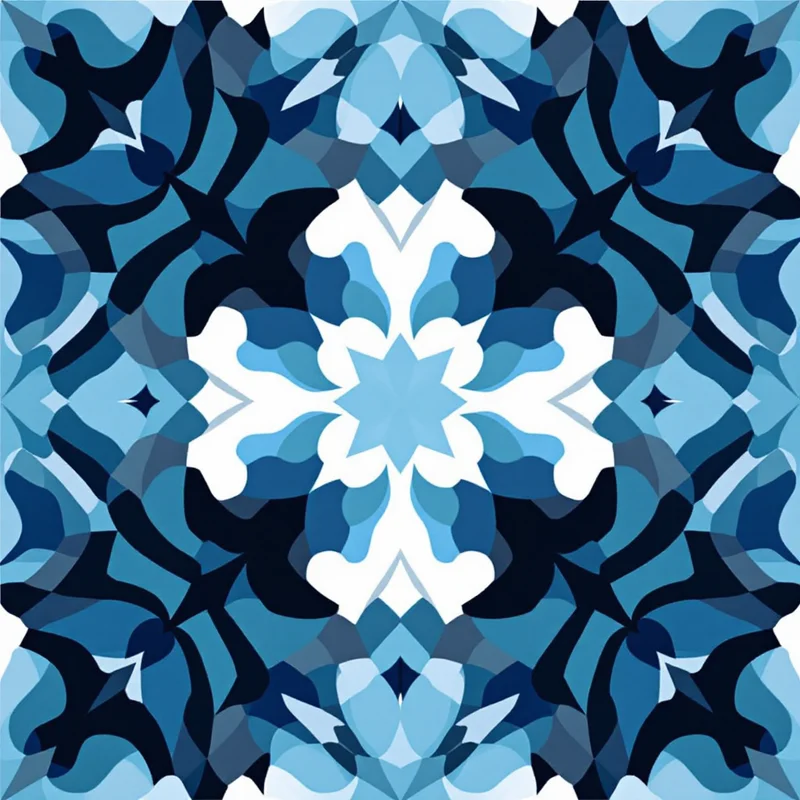
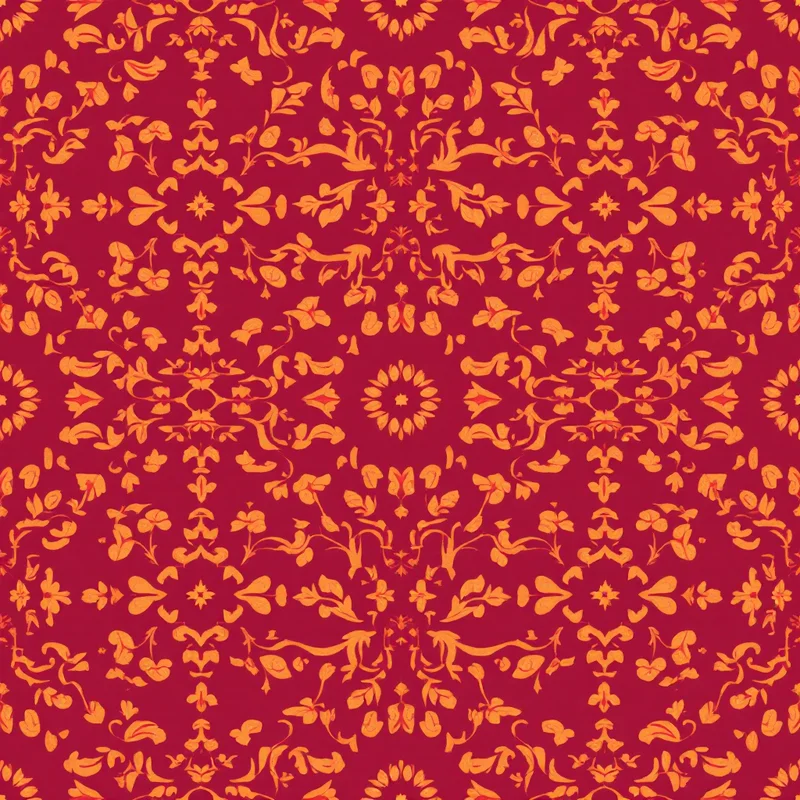
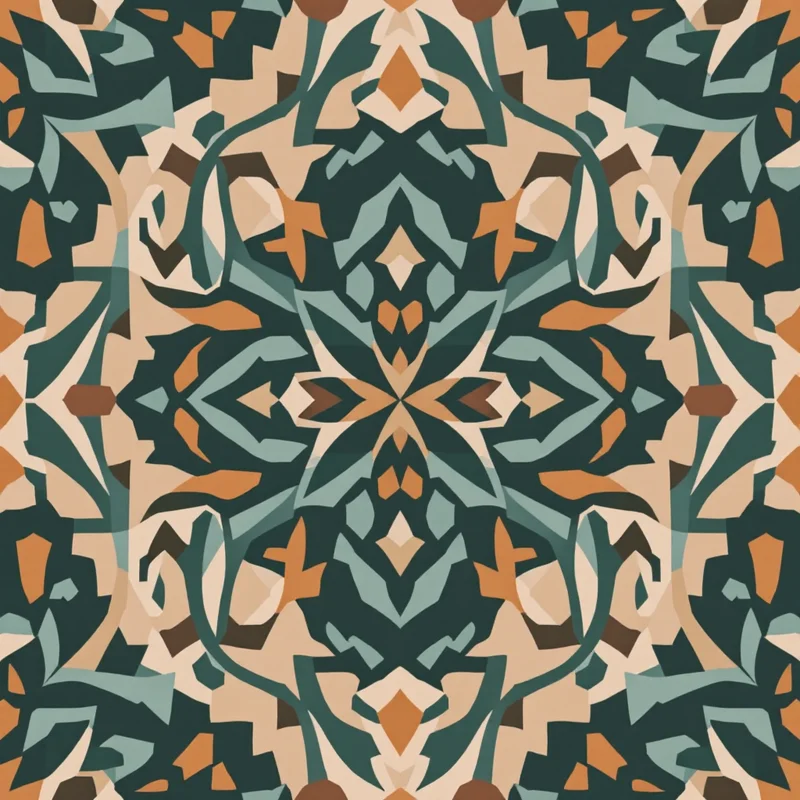
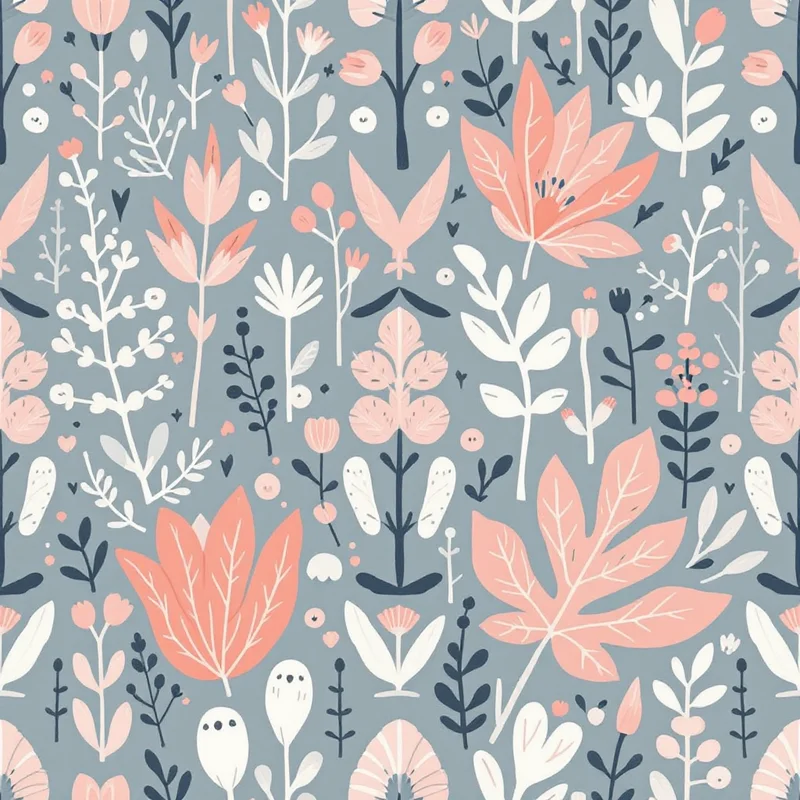
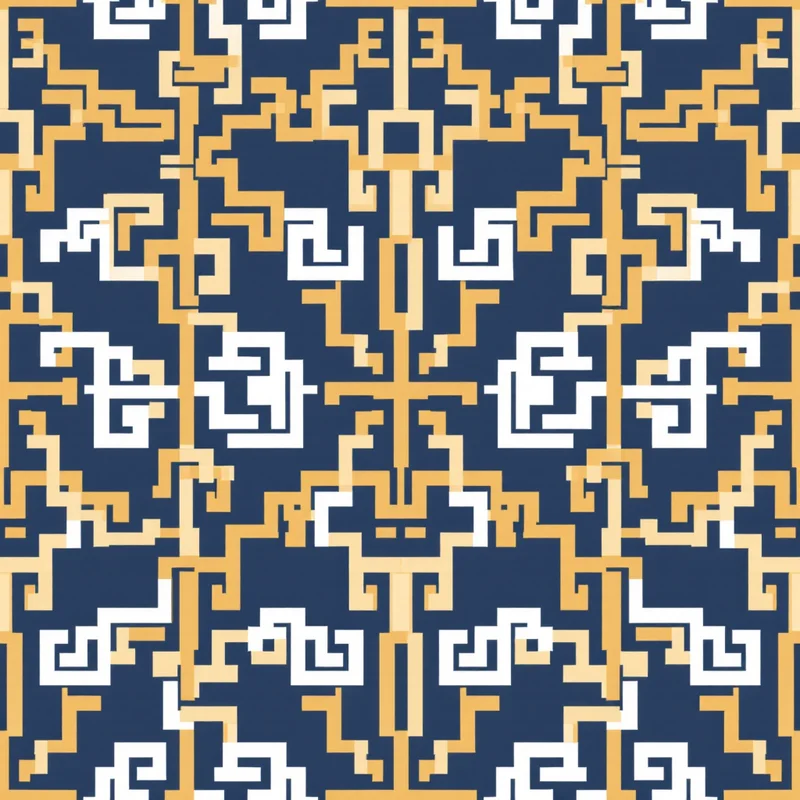
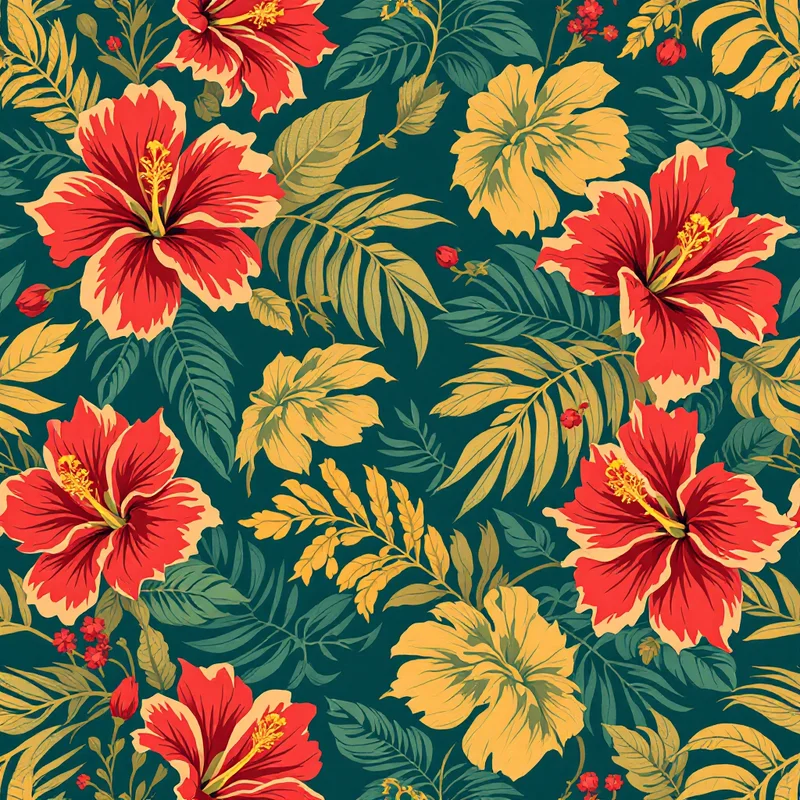
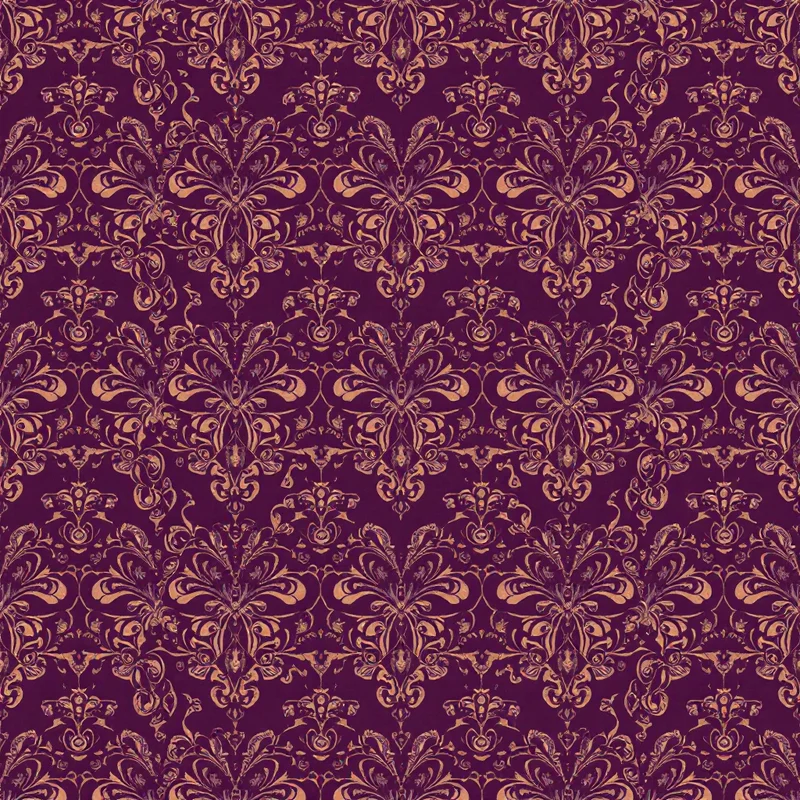
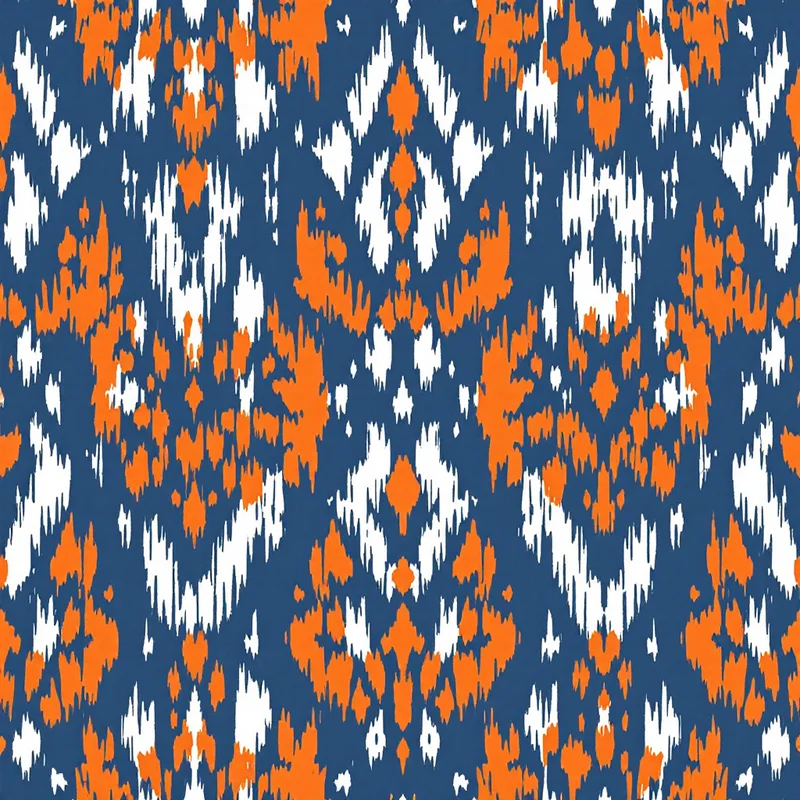
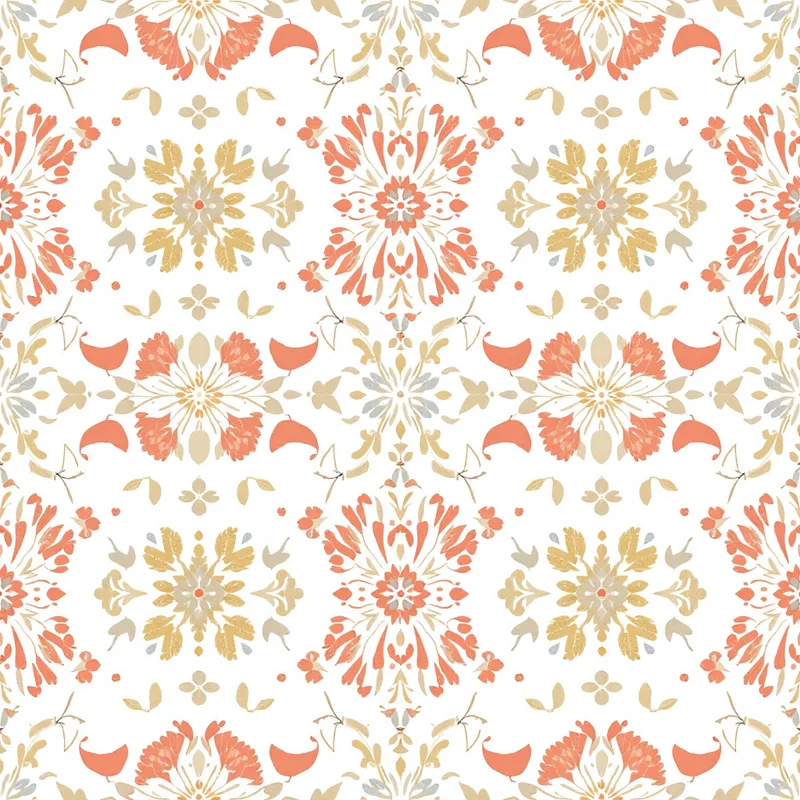
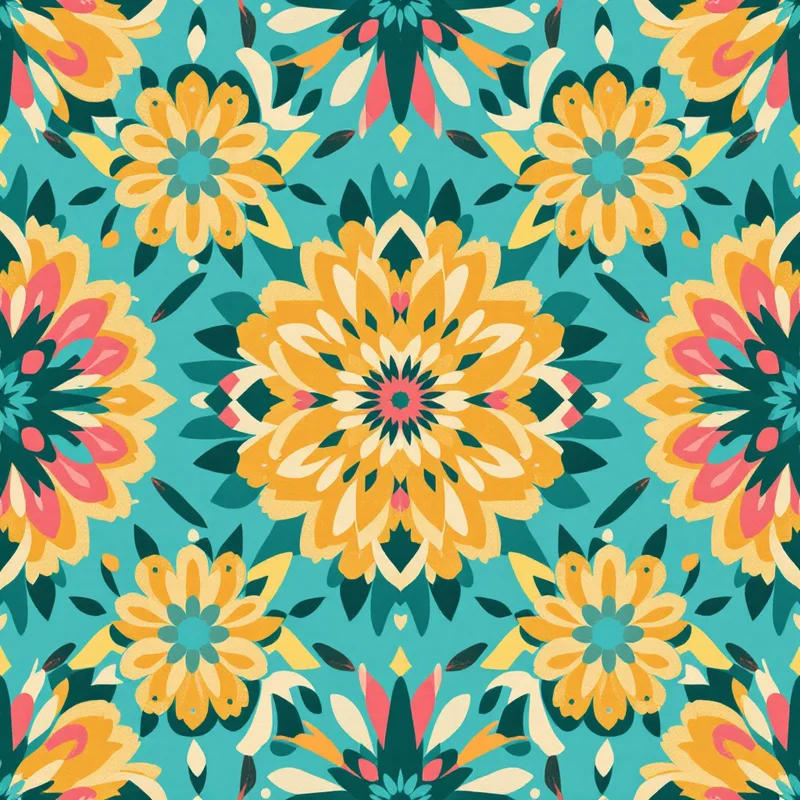
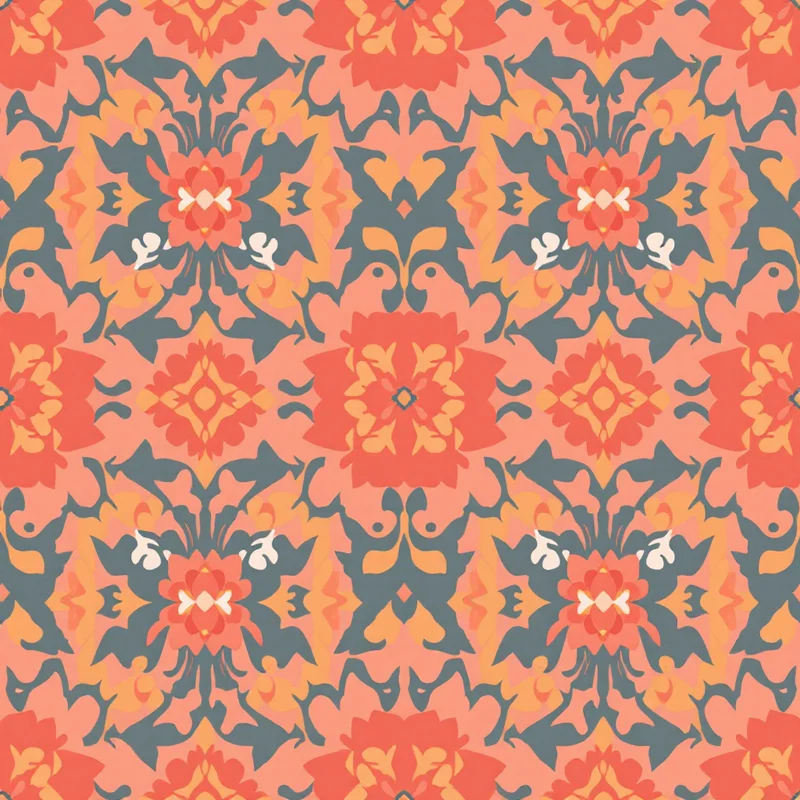
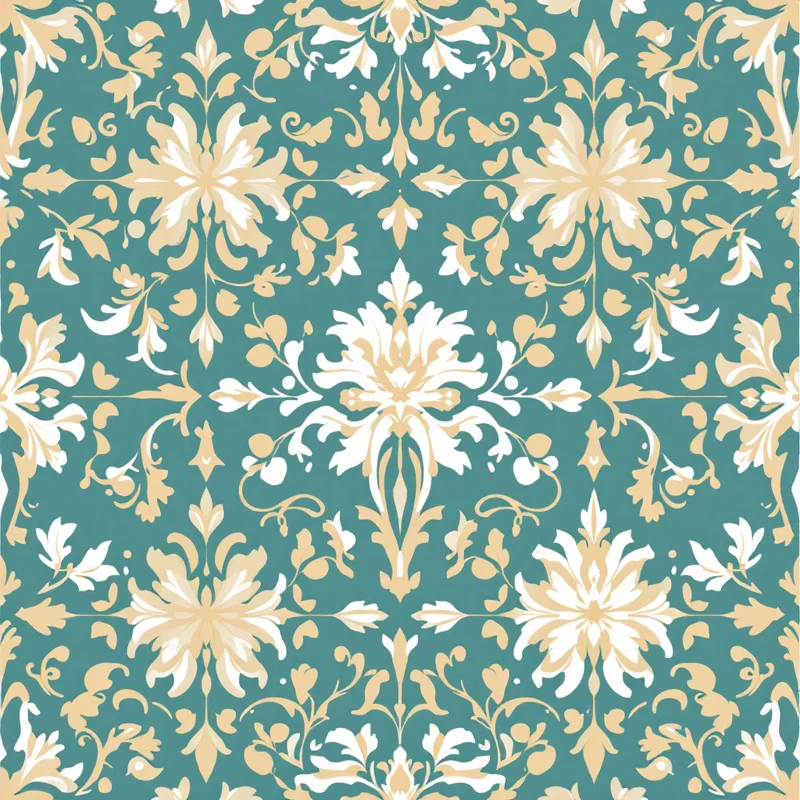
What is textile design?
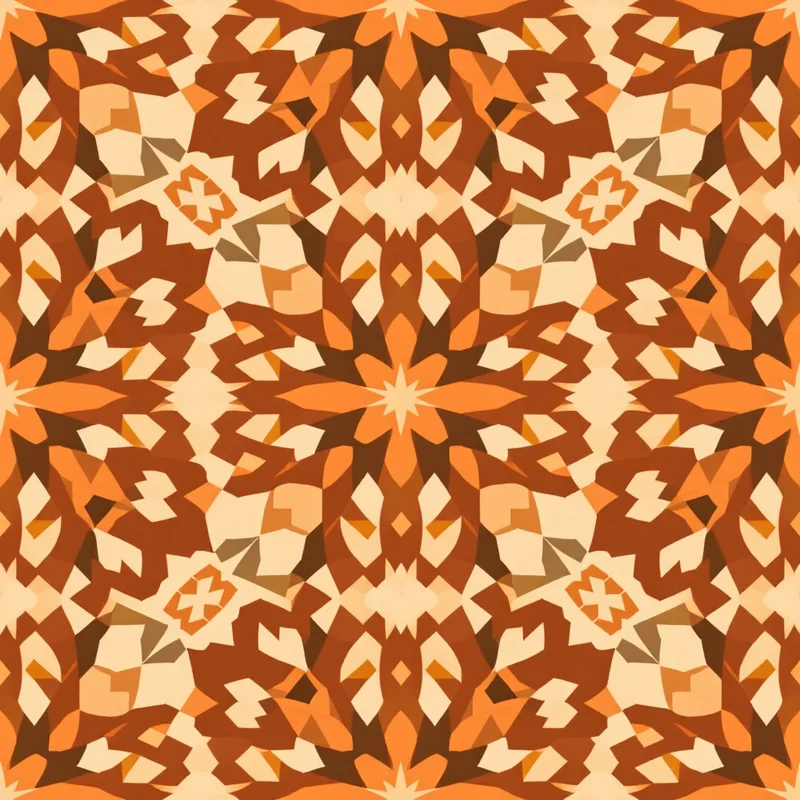
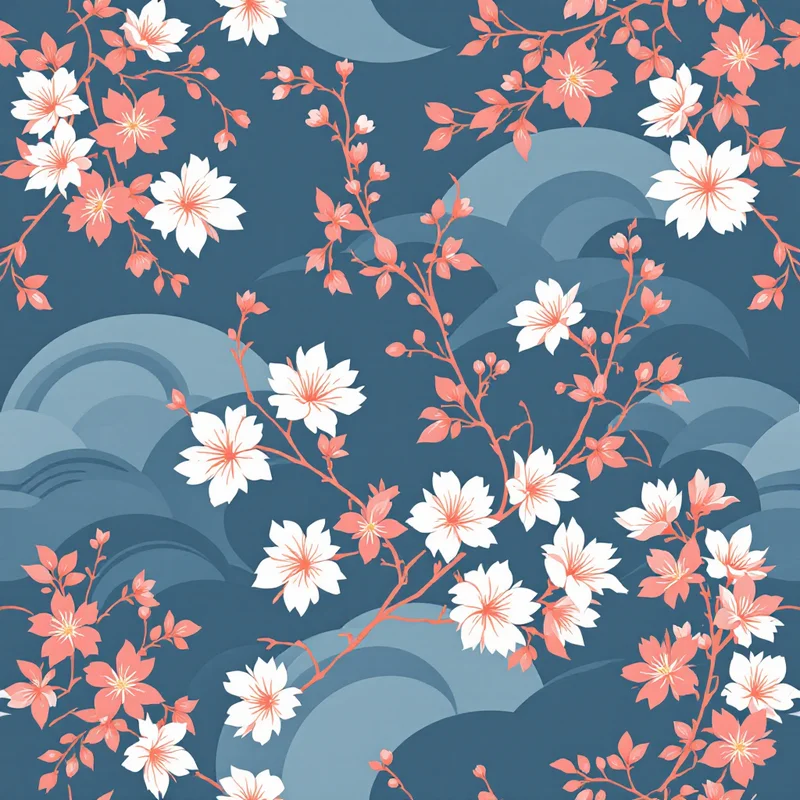
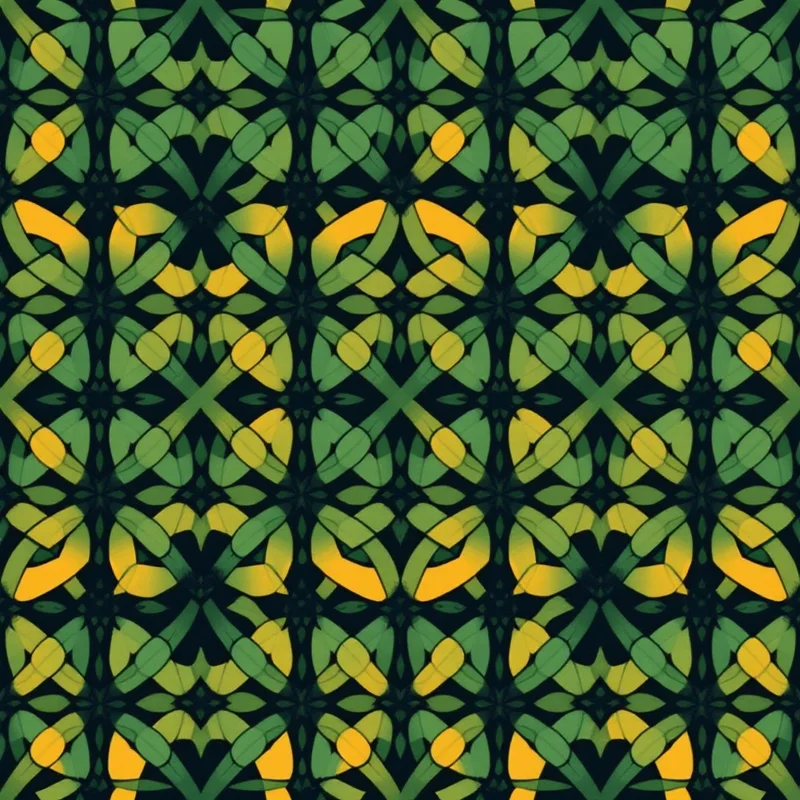
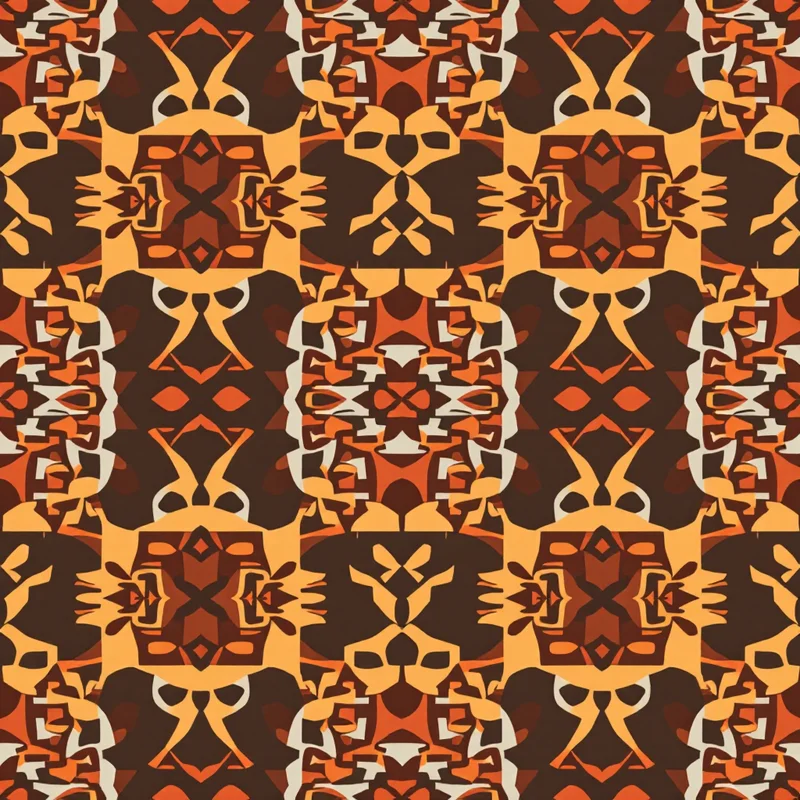
Textile design is the practice of creating original repeating patterns for fabric. A textile designer develops the motif vocabulary, color palette, repeat structure, and production specifications needed to manufacture the pattern at scale — on woven cotton, printed silk, knit polyester, performance blends, or any other fabric substrate.
Textile design combines two disciplines: illustration and engineering. The illustration side is colour, composition, and creative voice. The engineering side is repeat construction, edge-matching, gamut control, and printer file preparation. Most of the manual hours in traditional textile design are spent on the engineering side. Pattern Weaver compresses those hours into seconds while leaving every creative decision in your hands.
Modern textile designing covers everything from apparel and home textiles to technical fabrics for automotive interiors, medical fabrics, performance sportswear, and craft fabric for makers. The tools have changed; the discipline has not. A successful textile design still requires intentional motif choice, deliberate color development, and clear repeat structure.
The fundamentals of textile design
Seamless repeat construction
Every textile design must tile across yardage without visible seams. The unit cell — block, half-drop, brick, or mirror — determines how motifs flow when fabric is cut and sewn. Pattern Weaver handles edge-matching automatically.
Color separation and reduction
Textile printing has palette constraints. Rotary screen printing supports limited spot colors; digital printing handles full CMYK plus extended gamut. Pattern Weaver lets you set exact hex values and previews CMYK gamut shifts before export.
Motif hierarchy and density
Successful textile design layers a hero motif against secondary fillers at varied density. Sparse, medium, or packed — the density choice drives whether the pattern reads as elegant, busy, or graphic at viewing distance.
Render method matters
Watercolor for soft florals. Linocut for bold graphic. Embroidery for heritage. Vector for crisp geometrics. Pattern Weaver offers 29 distinct render methods, each calibrated to produce convincing output in that medium.
How AI textile design works
Pick a textile design tradition
Browse 40+ motif families spanning every major textile design tradition — Japanese sashiko, Indian block print, Italian damask, Mexican otomi, Scandinavian folk, Art Deco geometric, and many more.
AI generates a seamless tile
The Pattern DNA compiler turns your style, palette, scale, density, and render method into an optimized generation brief. A seamless tile is generated in seconds — print-ready, not a moodboard.
Export for textile production
TIFF in CMYK with embedded ICC profile (GRACoL, FOGRA39, SWOP, ISO Coated v2). Add 3–10mm bleed for cut-and-sew. Export up to 8192 px for wide-format fabric printing.
What textile design covers
Fashion apparel
Womenswear prints, menswear shirting, activewear, swimwear. Production-ready CMYK TIFF at 300 DPI for digital fabric printing.
Home textiles
Curtains, upholstery, bedding, table linens. Large-format 8K export handles wide-format printing for furniture-scale repeats.
Quilting and crafts
Custom fabric for quilters and makers selling on Spoonflower, Contrado, and Bags of Love. PNG and TIFF at 150–300 DPI.
Children's textiles
Nursery, baby apparel, and kids's clothing. Soft palette control and gentle motif vocabulary built into the substyle library.
Heritage and cultural
Authentic paisley, ikat, batik, suzani, ankara, otomi. Substyle descriptions written with cultural specificity, not generic shortcuts.
Activewear and performance
Sublimation-ready prints sized for cut-and-sew production. Sport, athleisure, and outdoor apparel.
Related Pattern Weaver tools
For textile designers
Professional tooling for working textile designers — collections, colorways, ICC profiles.
Surface pattern design
The broader umbrella of pattern design — covering paper, ceramic, wallpaper and packaging.
Fabric pattern generator
AI-generated fabric prints. Spoonflower-ready exports with CMYK and bleed.
Seamless pattern maker
Edge-matched seamless tiles — the technical foundation of every textile design.