Built for Textile Designers

Professional tooling for freelance, in-house, and indie textile designers. Seamless tile generation, colorway development, collection management, and CMYK production export — built around the real workflow of working textile designers.

5 free credits — no credit card required
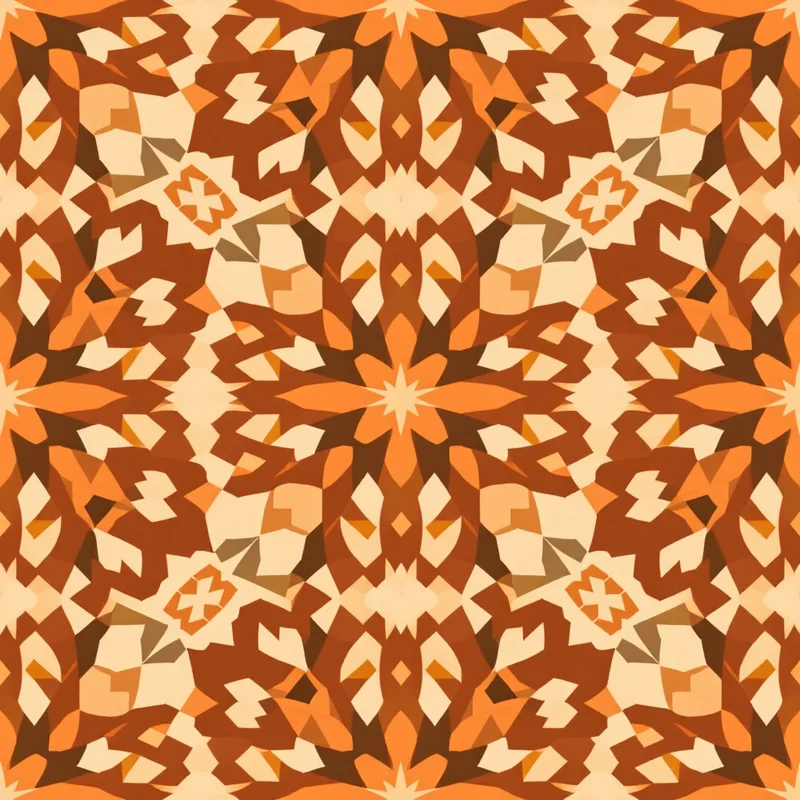
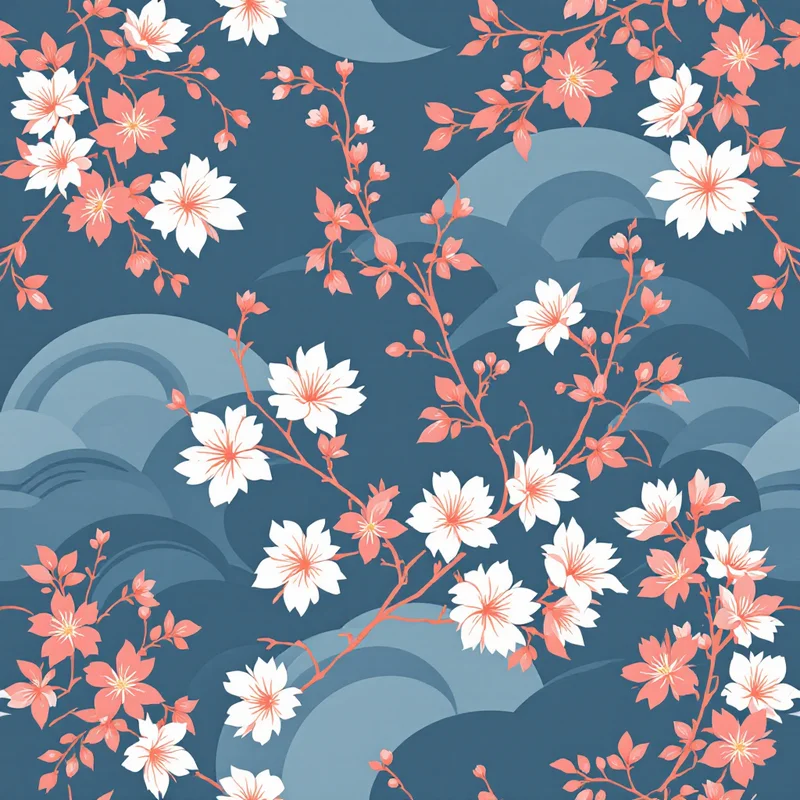
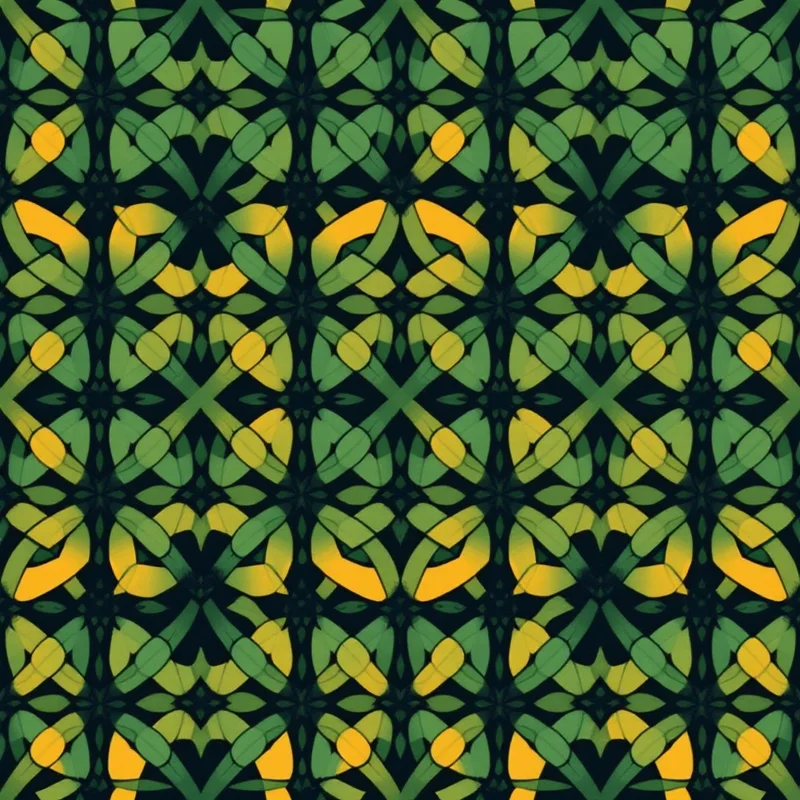
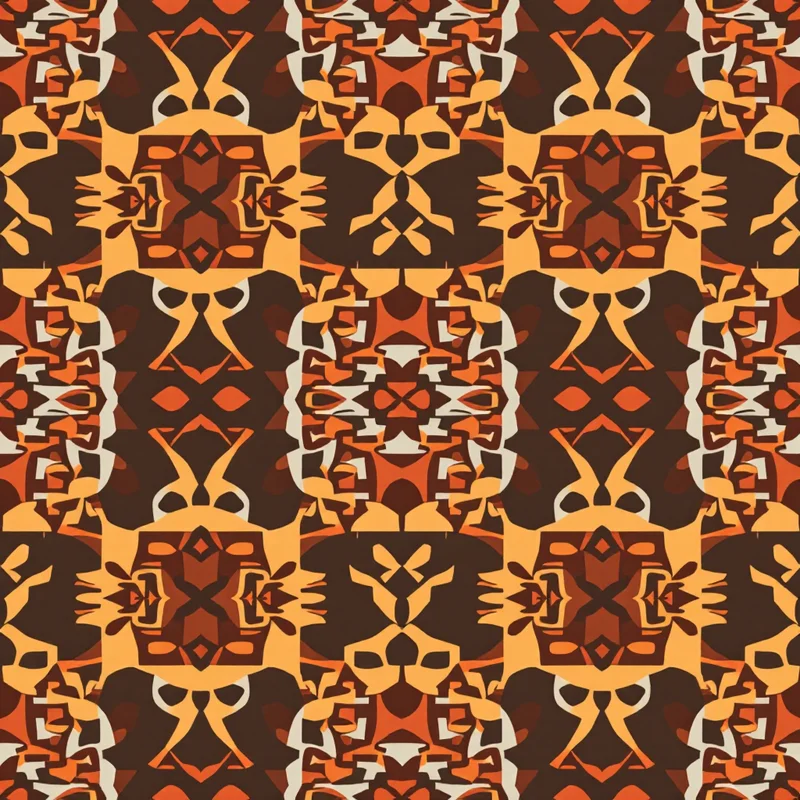
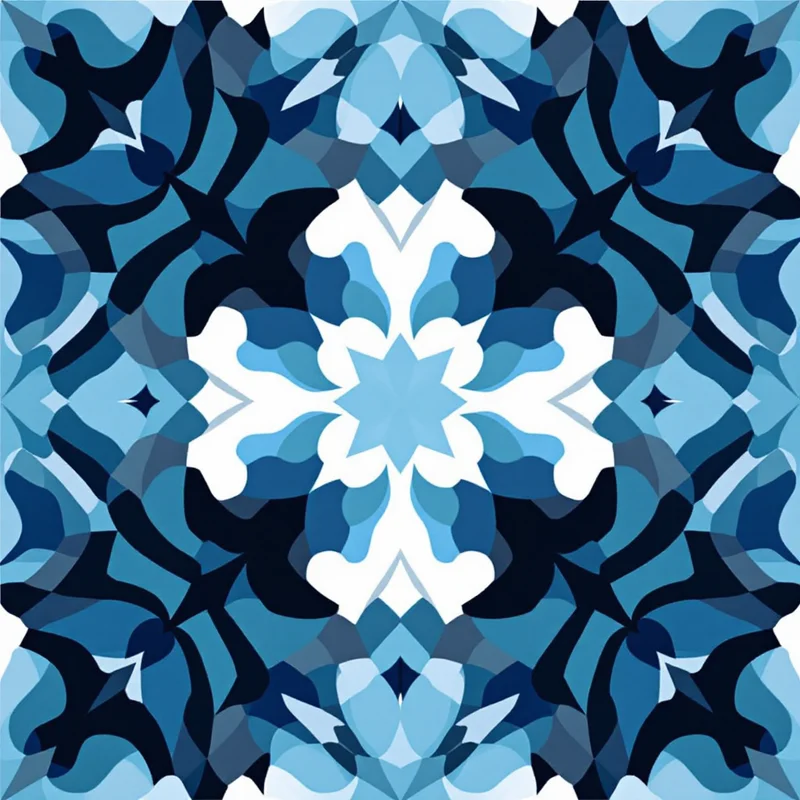
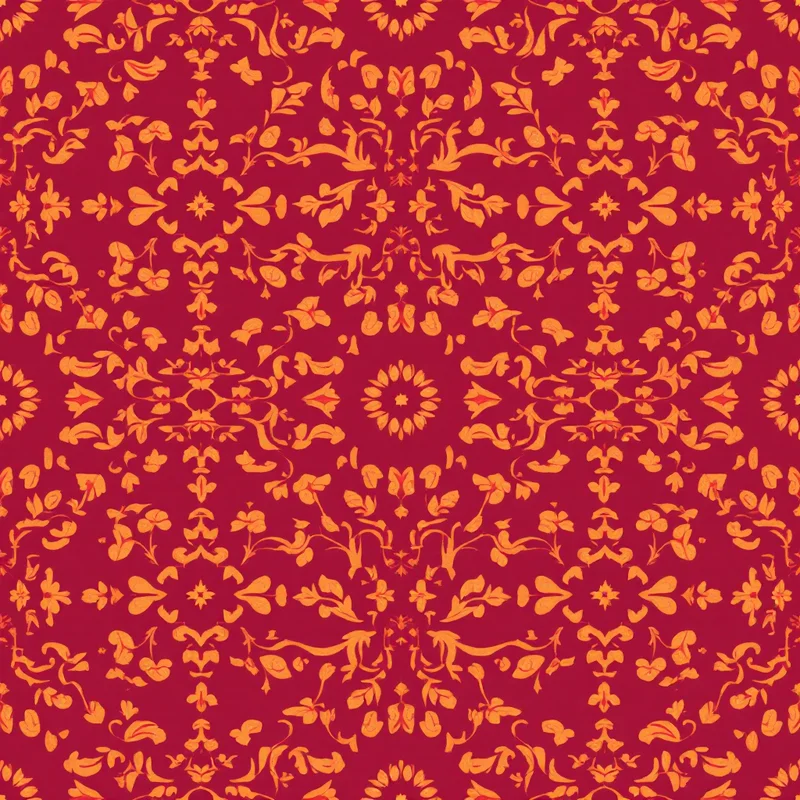
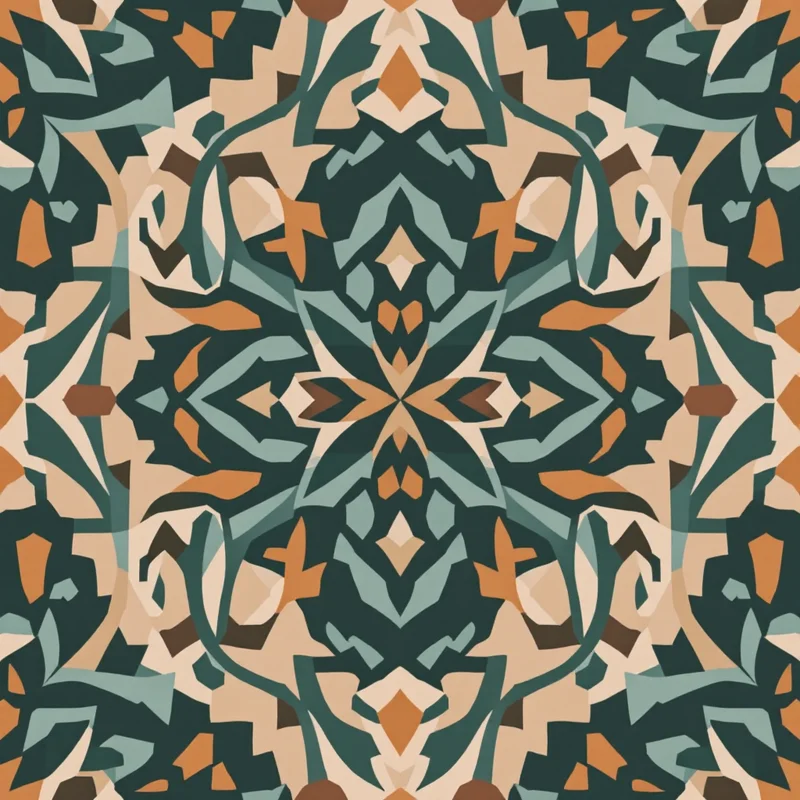
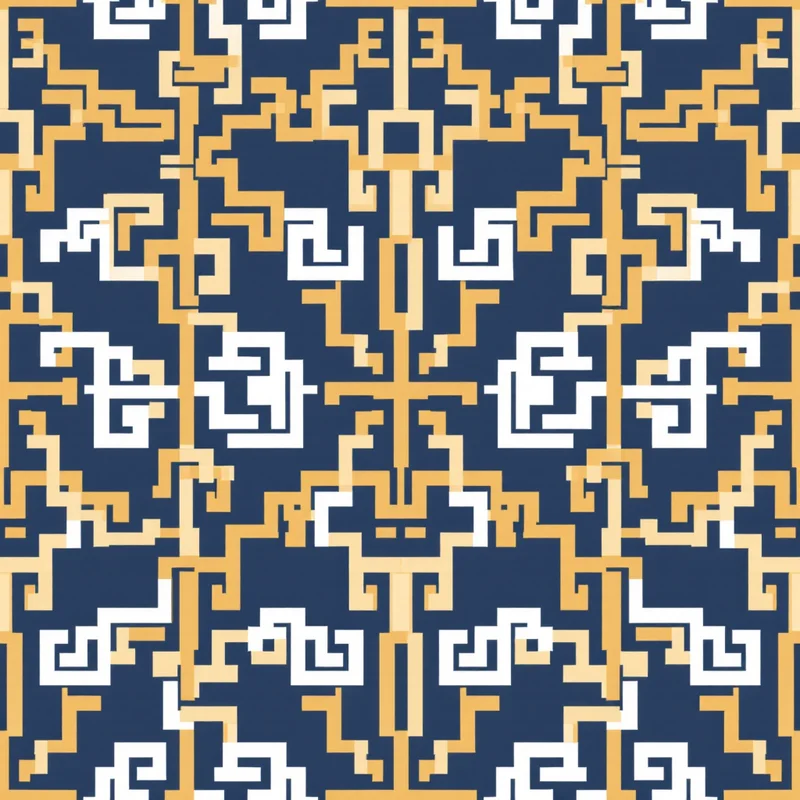
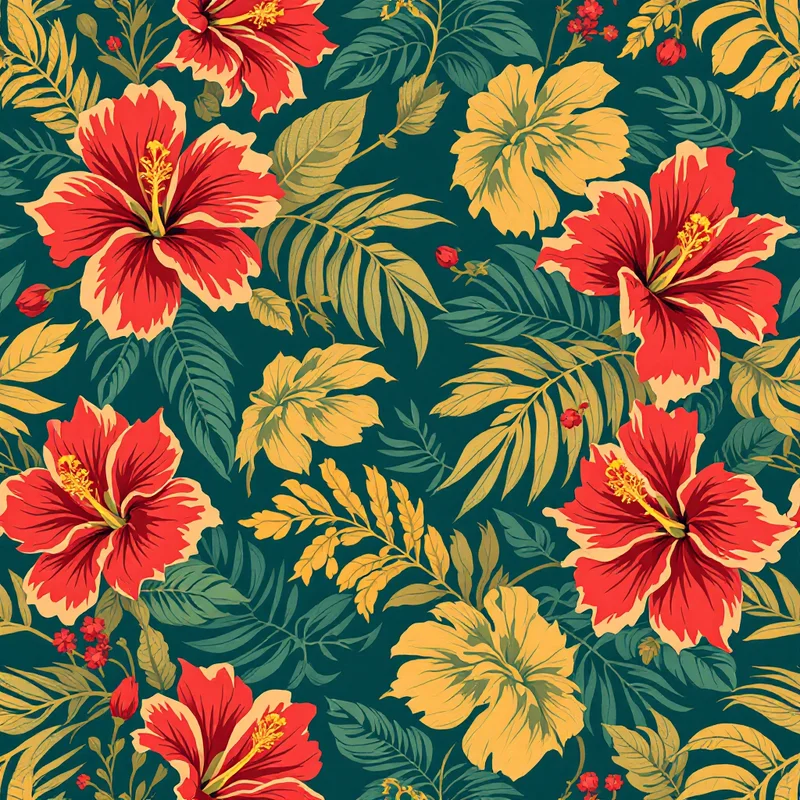
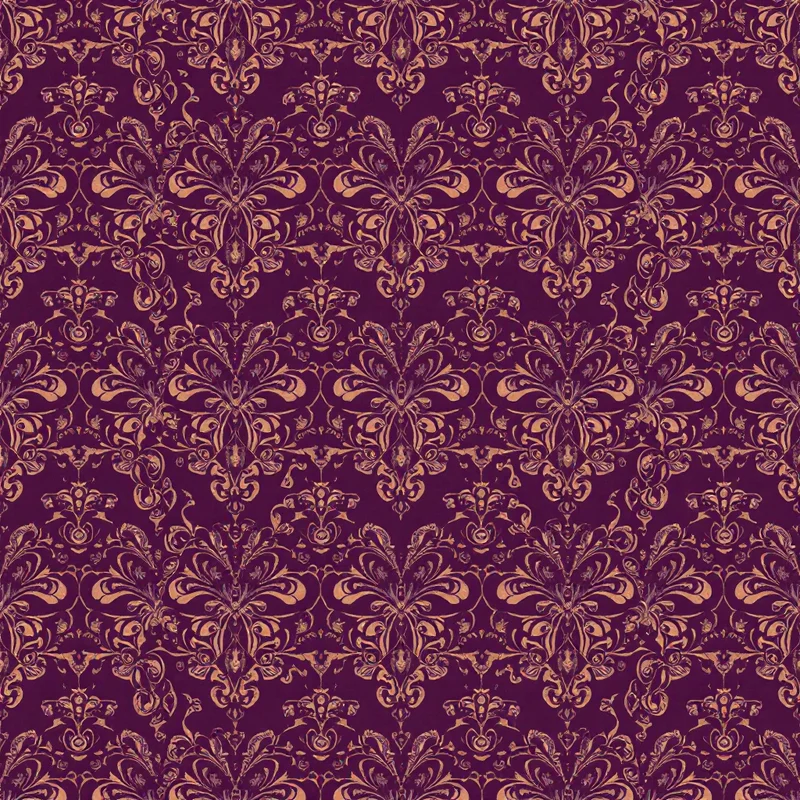
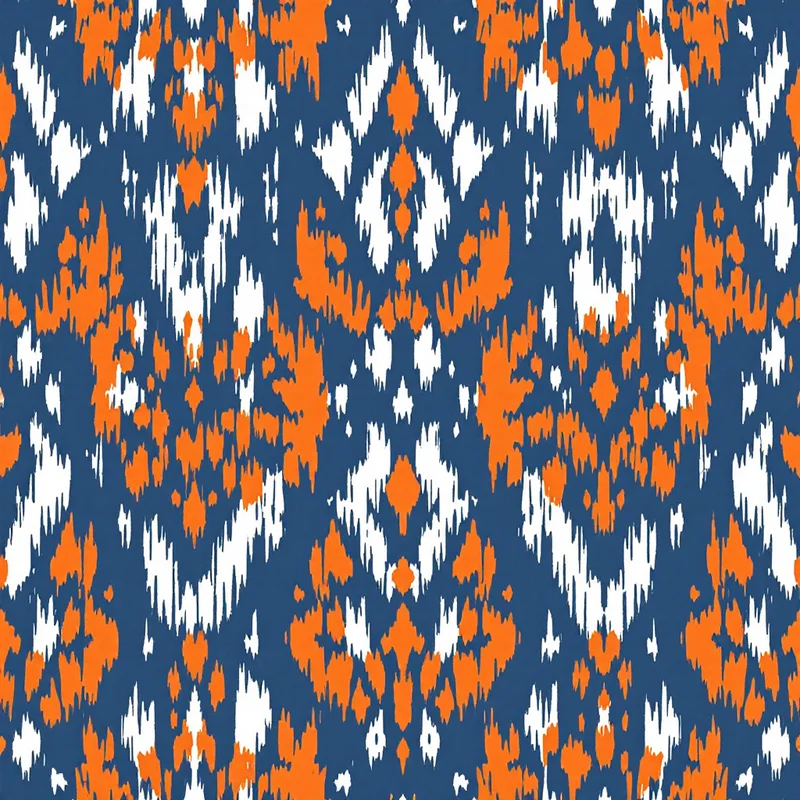
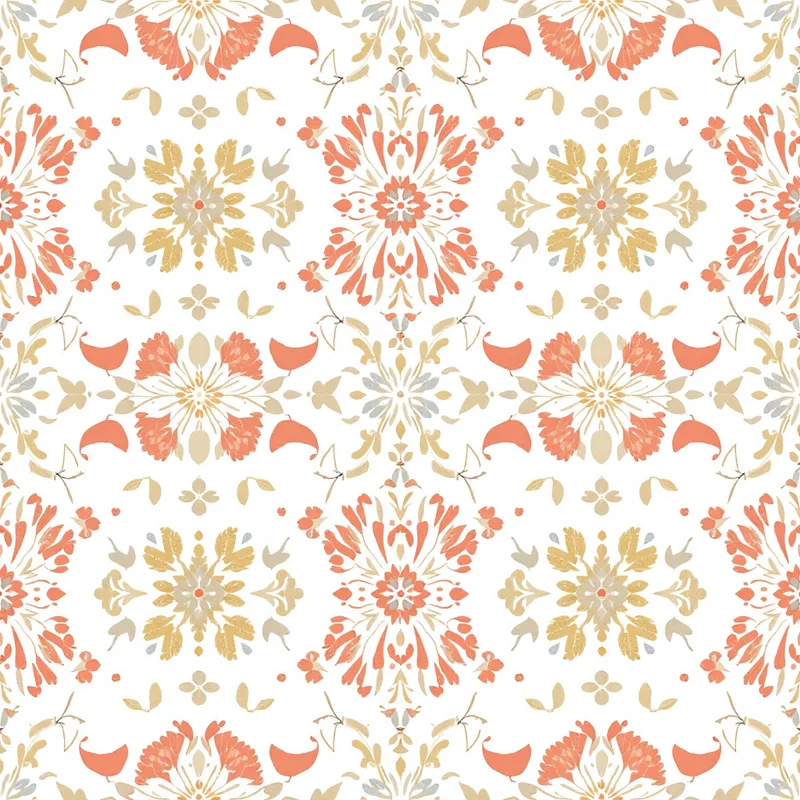
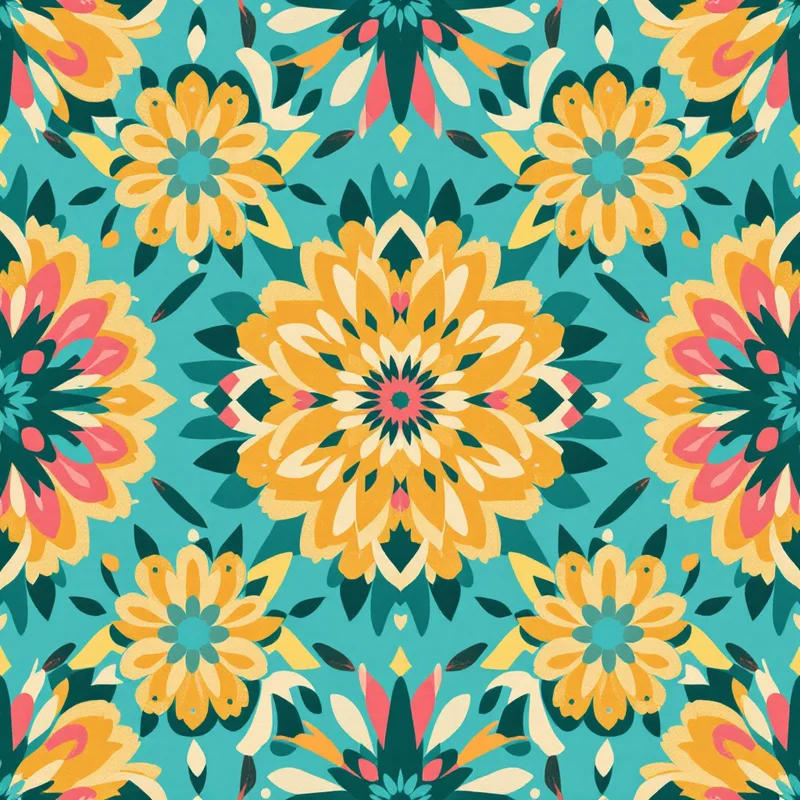
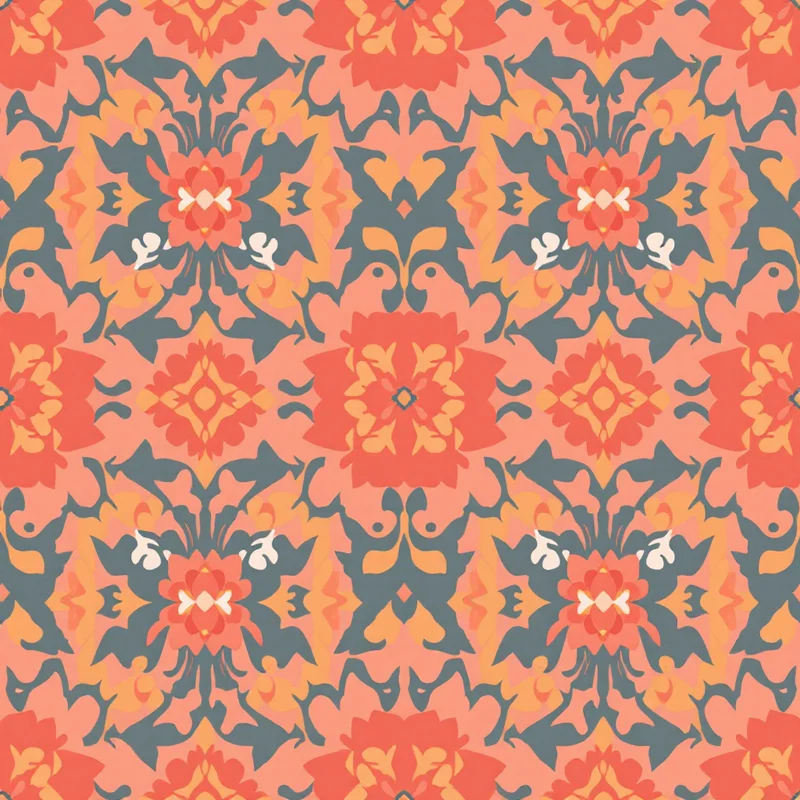
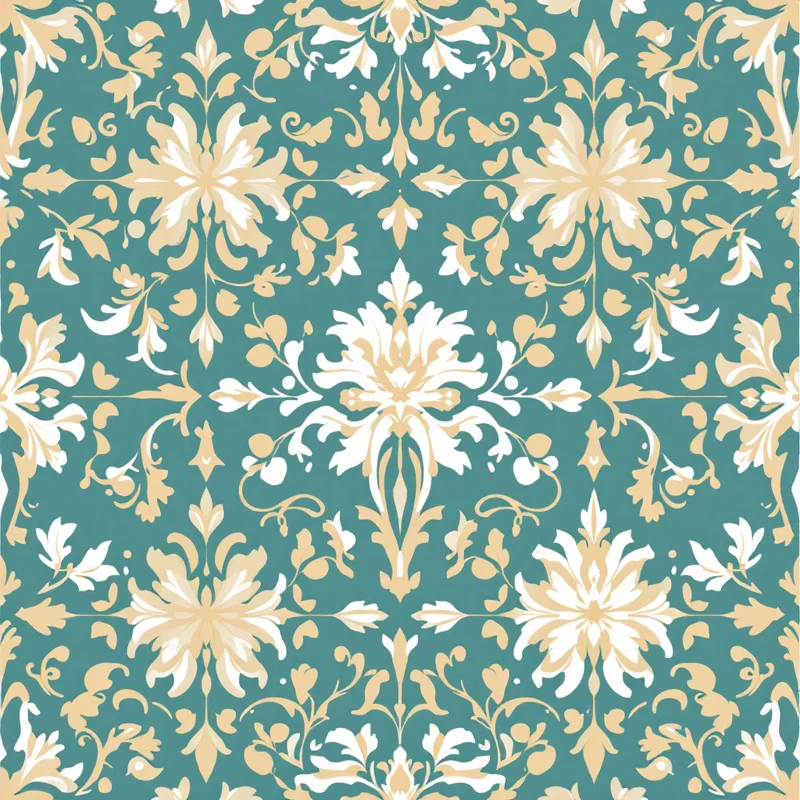
Seamless cultural arabic terracotta pattern tileSeamless cultural japanese indigo pattern tileSeamless cultural celtic green pattern tileSeamless cultural african orange pattern tileSeamless cultural moroccan sky pattern tileSeamless cultural indian magenta pattern tileSeamless cultural aztec teal pattern tileSeamless cultural scandinavian red pattern tileSeamless cultural greek blue pattern tileSeamless cultural hawaiian tropical pattern tileSeamless cultural paisley jewel pattern tileSeamless cultural ikat blue pattern tileSeamless cultural folk red pattern tileSeamless cultural mexican bright pattern tileSeamless cultural suzani warm pattern tileSeamless cultural chinoiserie blue pattern tileSeamless cultural arabic terracotta pattern tileSeamless cultural japanese indigo pattern tileSeamless cultural celtic green pattern tileSeamless cultural african orange pattern tileSeamless cultural moroccan sky pattern tileSeamless cultural indian magenta pattern tileSeamless cultural aztec teal pattern tileSeamless cultural scandinavian red pattern tileSeamless cultural greek blue pattern tileSeamless cultural hawaiian tropical pattern tileSeamless cultural paisley jewel pattern tileSeamless cultural ikat blue pattern tileSeamless cultural folk red pattern tileSeamless cultural mexican bright pattern tileSeamless cultural suzani warm pattern tileSeamless cultural chinoiserie blue pattern tile
Seamless cultural chinoiserie blue pattern tileSeamless cultural suzani warm pattern tileSeamless cultural mexican bright pattern tileSeamless cultural folk red pattern tileSeamless cultural ikat blue pattern tileSeamless cultural paisley jewel pattern tileSeamless cultural hawaiian tropical pattern tileSeamless cultural greek blue pattern tileSeamless cultural scandinavian red pattern tileSeamless cultural aztec teal pattern tileSeamless cultural indian magenta pattern tileSeamless cultural moroccan sky pattern tileSeamless cultural african orange pattern tileSeamless cultural celtic green pattern tileSeamless cultural japanese indigo pattern tileSeamless cultural arabic terracotta pattern tileSeamless cultural chinoiserie blue pattern tileSeamless cultural suzani warm pattern tileSeamless cultural mexican bright pattern tileSeamless cultural folk red pattern tileSeamless cultural ikat blue pattern tileSeamless cultural paisley jewel pattern tileSeamless cultural hawaiian tropical pattern tileSeamless cultural greek blue pattern tileSeamless cultural scandinavian red pattern tileSeamless cultural aztec teal pattern tileSeamless cultural indian magenta pattern tileSeamless cultural moroccan sky pattern tileSeamless cultural african orange pattern tileSeamless cultural celtic green pattern tileSeamless cultural japanese indigo pattern tileSeamless cultural arabic terracotta pattern tile

What textile designers actually do

Textile designers create the original patterns that get printed, woven, or knit onto fabric. The work covers everything from couture fashion prints and home textile collections to performance sportswear sublimation patterns and craft fabric for indie POD sellers. A textile designer's day combines drawing, color development, repeat construction, file preparation for printers, and increasingly — collection-level thinking about how multiple patterns coordinate across product lines.

The economics of textile designing have shifted significantly over the past five years. Freelance textile designers now compete with AI-augmented studios delivering more designs faster. In-house textile designers are expected to ship seasonal colorways at production scale. Indie textile designers selling on Spoonflower or Society6 need to develop signature aesthetics across hundreds of designs to build catalog-level discovery.

Across all three modes — freelance, in-house, indie — the bottleneck is the same: time spent on technical seamless construction. Pattern Weaver eliminates that bottleneck without taking away creative control. The textile designer still owns every aesthetic decision; only the manual edge-matching disappears.

Tools that fit the textile design workflow

Seamless tile generator

Create production-ready seamless tiles in seconds. Block, half-drop, brick, mirror, and scattered repeats — preview in any layout before exporting. No more hours of manual edge-matching in Illustrator.

Colorway development

Generate multiple colorways from a single hero pattern in seconds. Set exact hex values, preview CMYK gamut shifts, build coordinated collections that share a palette without manual recolor work.

Collection builder

Save patterns to your library, organize into named collections, generate variations from a single hero. Build the multi-pattern collections that buyers and licensees expect from professional textile designers.

Production-grade export

TIFF in CMYK with embedded ICC profile (GRACoL, FOGRA39, SWOP, ISO Coated v2). Print bleed margins for cut-and-sew. Export up to 8192 px for wide-format wallpaper and large-scale home textile printing.

29 render methods

Watercolor, gouache, linocut, block print, ink, screen print, embroidery, batik, oil paint, and more. Every render method is calibrated to produce convincing output in that medium — not generic flat fills.

600+ authentic styles

Paisley, damask, ikat, suzani, ankara, otomi, sashiko, kilim, batik. Each style is backed by curated motif descriptions written with cultural specificity and respect for source traditions.

Made for working textile designers

Freelance textile designers

Compress the technical drudge work. Spend creative time on color direction and motif vocabulary, not seamless construction. Deliver more client work in less time.

In-house textile designers

Generate seasonal colorways at production scale. Build mood-board-to-tile workflows that fit corporate calendars. Output CMYK TIFFs your mill or printer accepts on first send.

Indie textile designers

Sell on Spoonflower, Society6, Redbubble, Etsy. Build portfolios fast, develop signature aesthetics across many designs, license collections to brands.

International textile designers

AI handles language-agnostic visual work. Pattern Weaver is used by textile designers in 30+ countries — from indie POD sellers to fabric mills.

The textile designer workflow with Pattern Weaver

01

Set your creative direction

Browse 40+ motif families and 600+ substyles. Pick a palette, define density and scale. The Pattern DNA compiler captures your creative direction with the precision a brief would require.

02

Generate the seamless tile

AI produces a production-ready seamless tile in seconds. Iterate on render method, motif arrangement, or color treatment until the design matches your vision.

03

Build the collection

Develop colorways, save to collections, export each variant in production format. From hero pattern to full collection delivery in a single afternoon.

Questions textile designers ask

What does a textile designer do?+
A textile designer creates original patterns for fabric — defining motif vocabulary, color palette, repeat structure, and production specifications. Their work spans fashion textiles, home textiles, technical fabrics, and craft fabric. The role combines illustration and engineering: drawing the original artwork, then preparing it for printing on woven, knit, or non-woven substrates. Modern textile designers work with AI tools to handle the technical construction (seamless tiling, edge-matching) so they can focus on creative direction.
What tools do professional textile designers use?+
Traditional textile design relied on Adobe Illustrator (vector motifs, repeat construction), Photoshop (color separation, texture work), and specialized software like Pointcarre or Ned Graphics for industrial woven jacquard. Contemporary textile designers increasingly use AI-powered tools like Pattern Weaver for seamless tile generation, alongside Procreate for sketching, Affinity Designer as an Illustrator alternative, and Spoonflower or Contrado for short-run fabric printing.
Is Pattern Weaver designed for professional textile designers?+
Yes. Pattern Weaver is built for working textile designers, not casual users. It produces production-grade output — CMYK TIFF with embedded ICC profiles, 8K resolution, print bleed margins, accurate color management. The substyle library covers professional textile design vocabulary with cultural specificity rather than generic AI shortcuts. Pricing is one-time credit packs rather than monthly subscription, which fits the project-based economics of freelance and indie textile design work.
How can a textile designer use AI without losing creative control?+
The mistake is treating AI as the designer. The right approach is treating AI as a faster Illustrator. The textile designer still makes every creative decision — style direction, motif vocabulary, color palette, density, scale, render method. The AI handles the time-consuming technical work: seamless construction, edge-matching, and tile generation at production resolution. Pattern Weaver's Pattern DNA compiler is built around this separation: your creative input drives every parameter, and the AI only handles execution.
Can I build a textile design portfolio with Pattern Weaver?+
Yes. Many textile designers use Pattern Weaver to rapidly develop portfolio collections — generating 6–12 coordinated patterns sharing a palette and motif family, then organizing them into named collections for client presentations or licensing pitches. The variety of substyles, render methods, and palette controls supports developing distinctive aesthetic voice rather than producing AI-generic output.
How is Pattern Weaver different from generic AI image generators like Midjourney?+
Midjourney and DALL-E produce single images, not seamless tiles — using them for textile design requires manual edge-matching in Photoshop afterward, which defeats most of the time savings. Pattern Weaver generates true seamless tiles where all four edges match precisely, exports in production formats (TIFF CMYK with ICC profile, 8K resolution, bleed), and uses curated substyle vocabulary rather than generic image prompts. The Pattern DNA compiler is built specifically for textile and surface pattern design.
Can I sell patterns I create as a textile designer with Pattern Weaver?+
Yes. All paid plans include a full commercial license covering: selling printed products (apparel, home textiles, accessories), licensing designs to brands, distributing on print-on-demand marketplaces (Spoonflower, Society6, Redbubble, Etsy, Threadless, Society6), and using patterns in client work for any commercial application. No additional licensing fees or royalty payments.
Where do textile designers find work?+
Freelance platforms (Upwork, Fiverr, Patternbank), licensing agencies (Bonnier Publications, Print & Pattern Studio), direct-to-brand pitches (textile designer portfolios sent to fashion brands, home textile companies, fabric mills), and direct-to-consumer marketplaces (Spoonflower, Society6, Redbubble, Etsy). Many indie textile designers combine portfolio licensing with direct POD sales to diversify income streams.

Built for textile designers like you

5 free credits. No credit card. Start designing in 30 seconds.

This site uses cookies to ensure you get the best experience. Learn more