Design characteristics
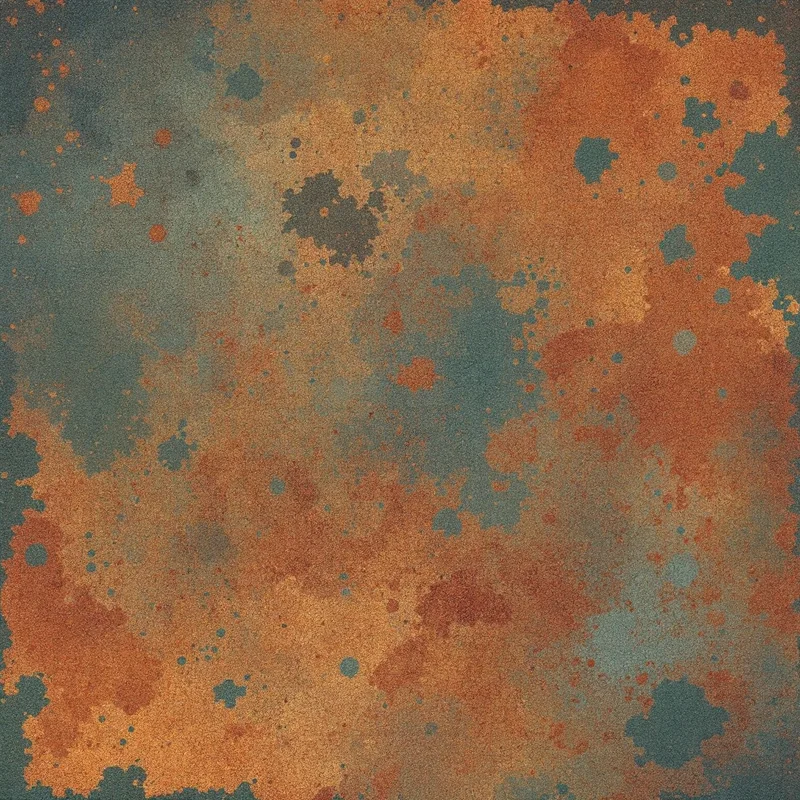
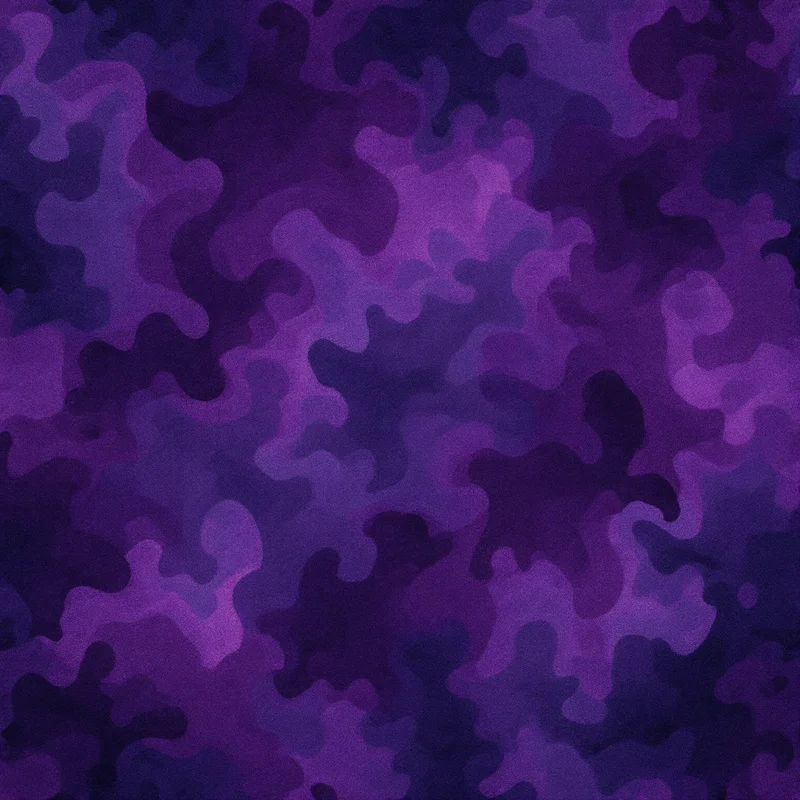
The pattern family started as wartime concealment painting in the early twentieth century and split into distinct dialects over the following decades. Woodland camo uses soft, rounded green-and-brown splotches for forest cover. Desert and tan variants drop the green for sand, khaki, and stone tones suited to open terrain. Digital or pixel camo, developed for modern uniforms, replaces smooth edges with blocky micro-squares that blend into a soft blur at a distance. Tiger stripe layers thin diagonal slashes, six-color chocolate-chip scatters pebble-like dots across a sand base, and Multicam-style transitional blends fade between tones so a single design works across multiple environments. Fashion has spun off pastel, monochrome, and neon takes that keep the underlying structure while abandoning the concealment function entirely.
Commercial applications
Designers reach for camouflage because it delivers all-over coverage without a directional grid. The shapes hide print joins, tolerate cropping on garments and cut-and-sew goods, and scale up or down without losing legibility. The same artwork reads as quiet texture from across a room and as detailed mottling up close, so it holds attention without competing with logos, trims, or other design elements. Typical palettes run olive drab, coyote brown, field tan, charcoal, and forest green for traditional looks, while streetwear and home lines pull in dusty pink, lavender, navy, terracotta, or grayscale to recolor the same structure for a softer, more decorative market.
Where to use seamless camouflage patterns for fashion, print, and decor patterns
Commercial reach is broad. Camo prints anchor outerwear, hoodies, leggings, swimwear, and accessories like caps, bags, belts, and phone cases. In home decor it shows up on cushions, throws, rugs, bedding, and feature wallpaper where the muted tones add depth without a busy motif. Packaging and branding for outdoor, hunting, fitness, and tactical gear lean on camo to signal ruggedness and performance, while gift wrap, stationery, laptop skins, and tech accessories use scaled-down versions for everyday novelty appeal.
Customization & export
Pattern Weaver lets you build any of these variants and tune them precisely. Adjust density to move from sparse, open blotching to tight, busy mottling. Recolor the full palette to match a brand, a season, or a specific environment, and set scale so the same design works as fine micro-camo on a watch strap or oversized blotches across a duvet cover. The studio previews the repeat live, so you can confirm the blotch size and contrast before you commit. Every output tiles seamlessly, so it repeats edge to edge across long fabric runs and wide wallpaper drops with no visible seam.
When the look is right, export from the studio at up to 8K resolution (8192x8192). PNG suits web mockups and print-on-demand, JPG and WEBP keep file sizes light for online catalogs, TIFF preserves full quality for textile mills and large-format wallpaper, and PDF keeps clean color data ready for press production. With Pattern Weaver you go from a rough camo concept to a production-ready seamless tile in a few clicks, ready to drop onto whatever product you are launching.