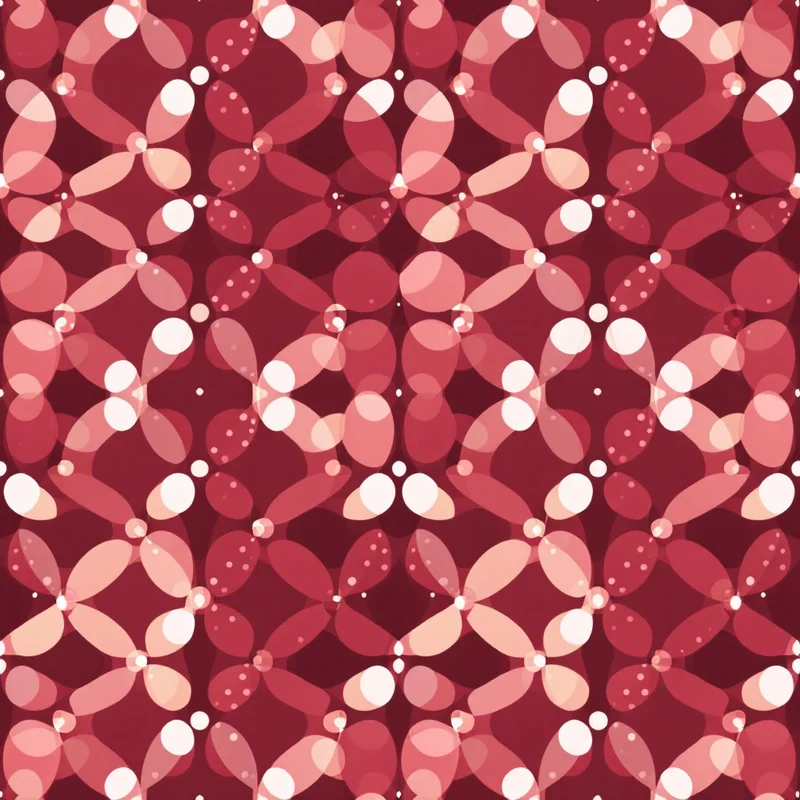
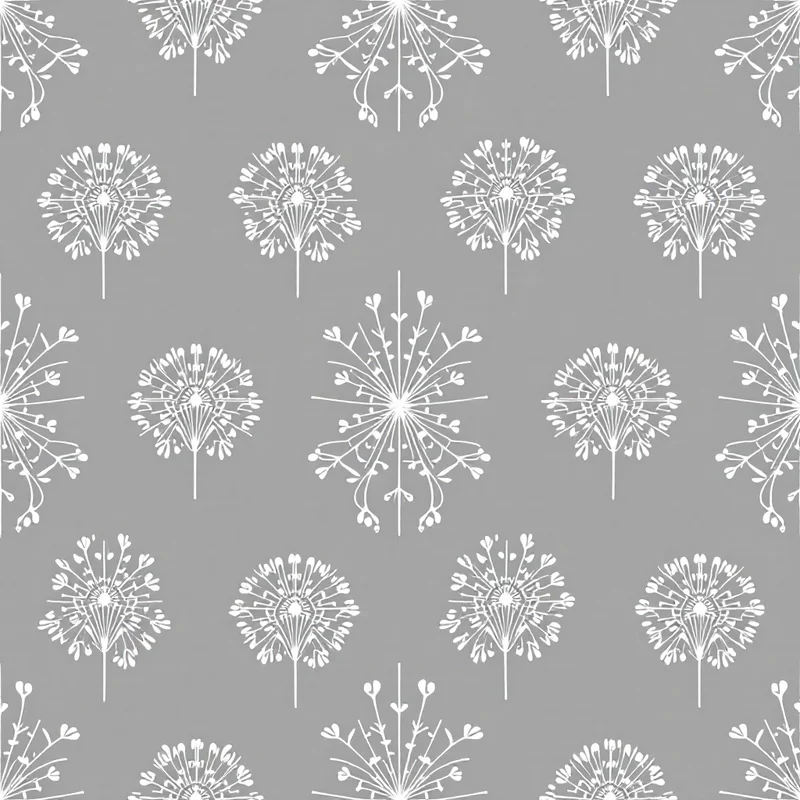
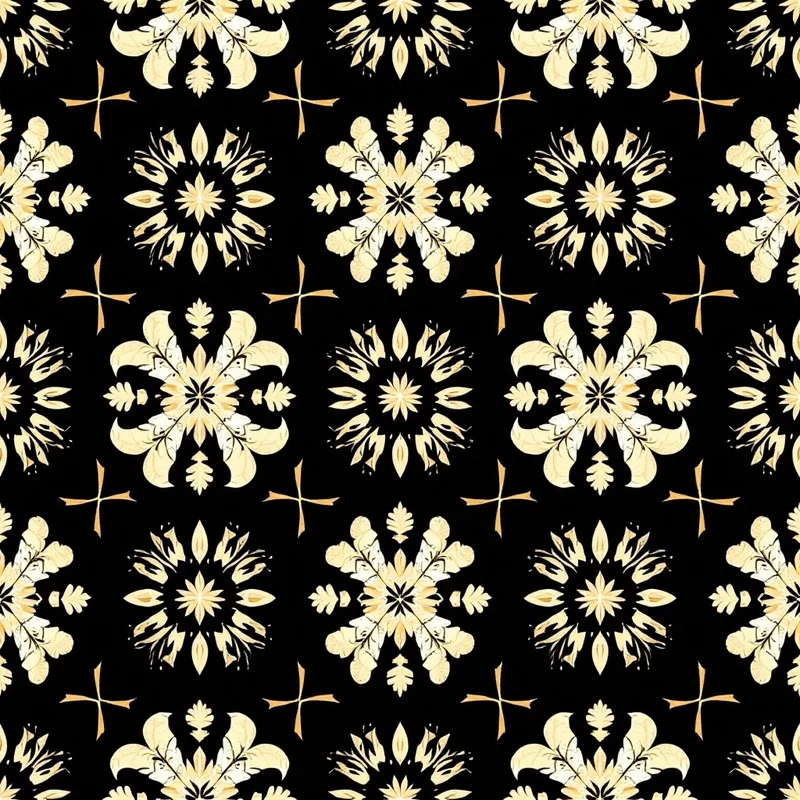
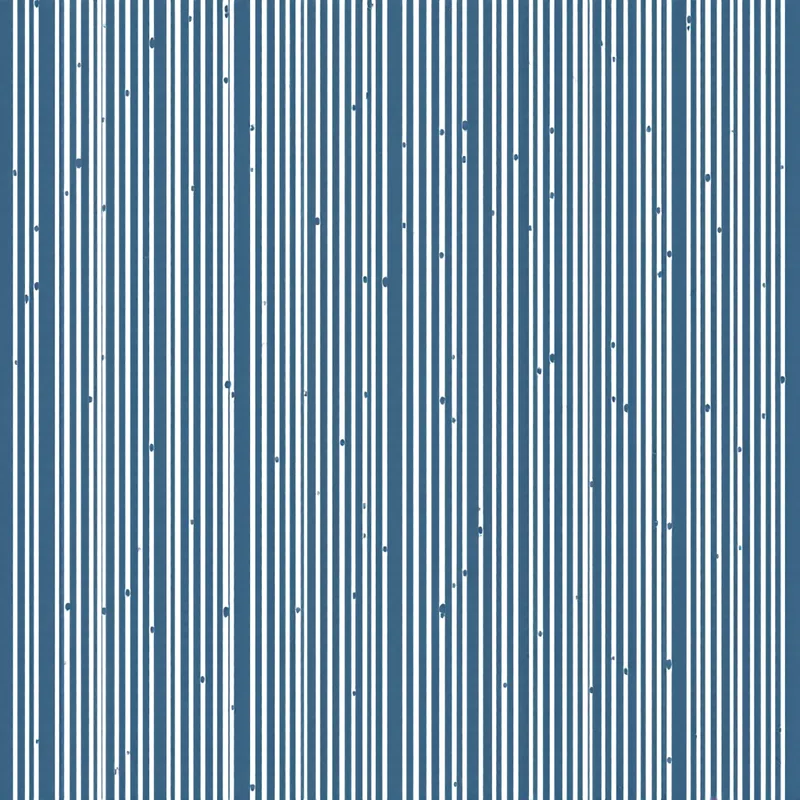
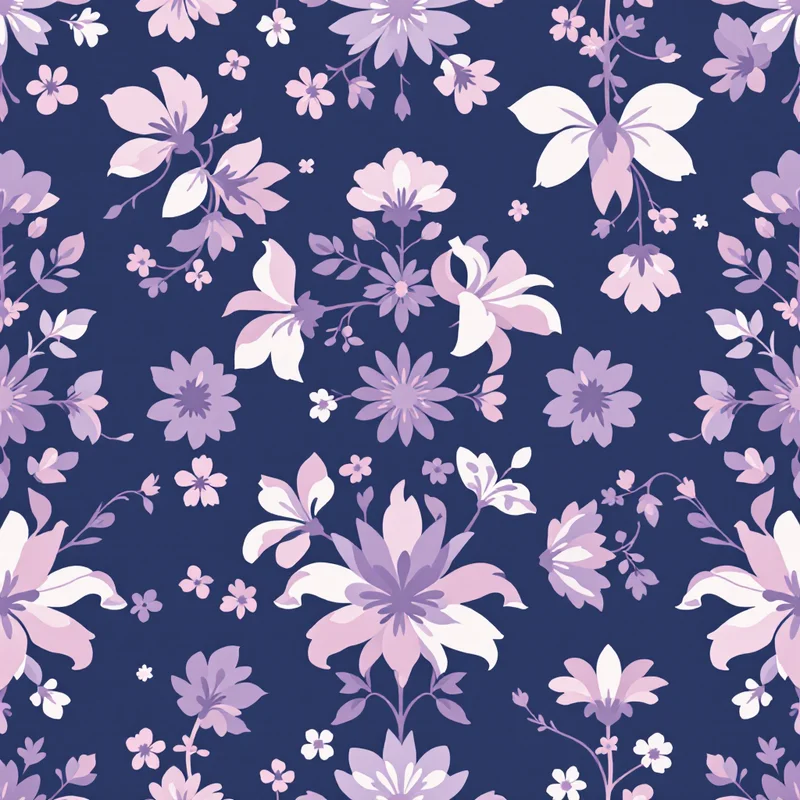
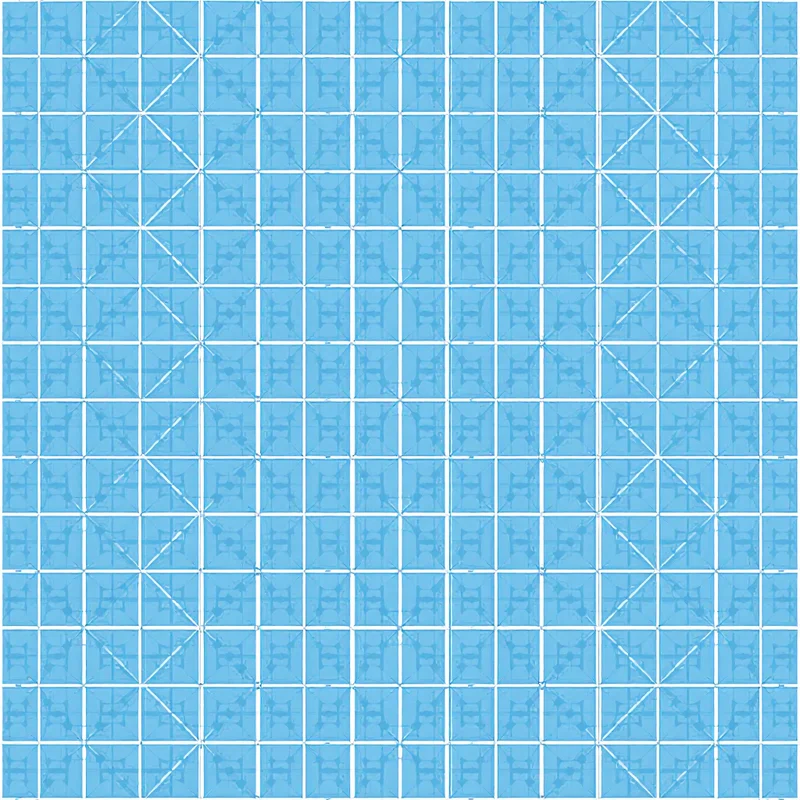
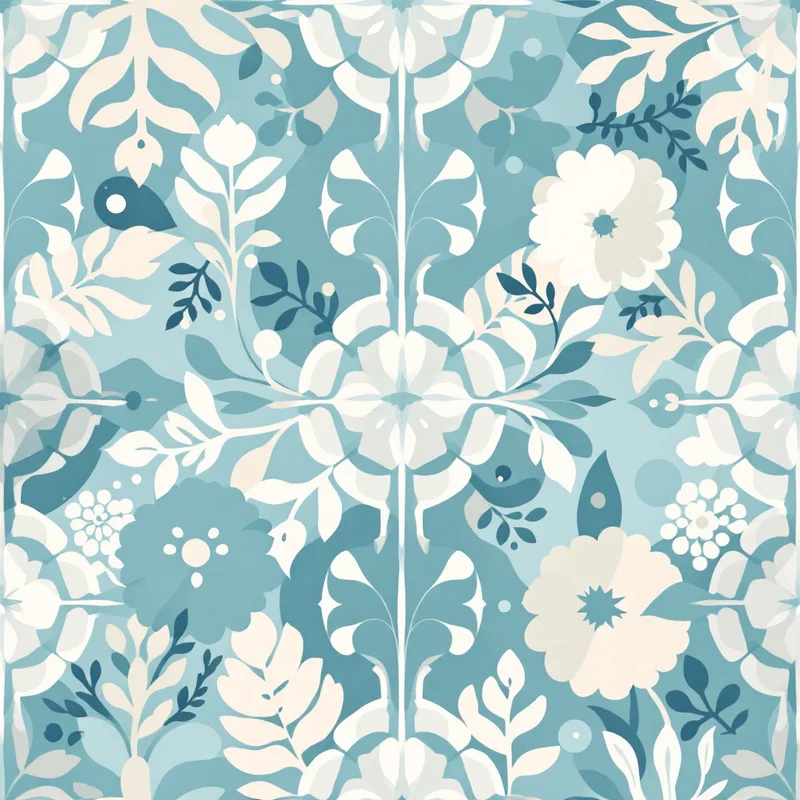
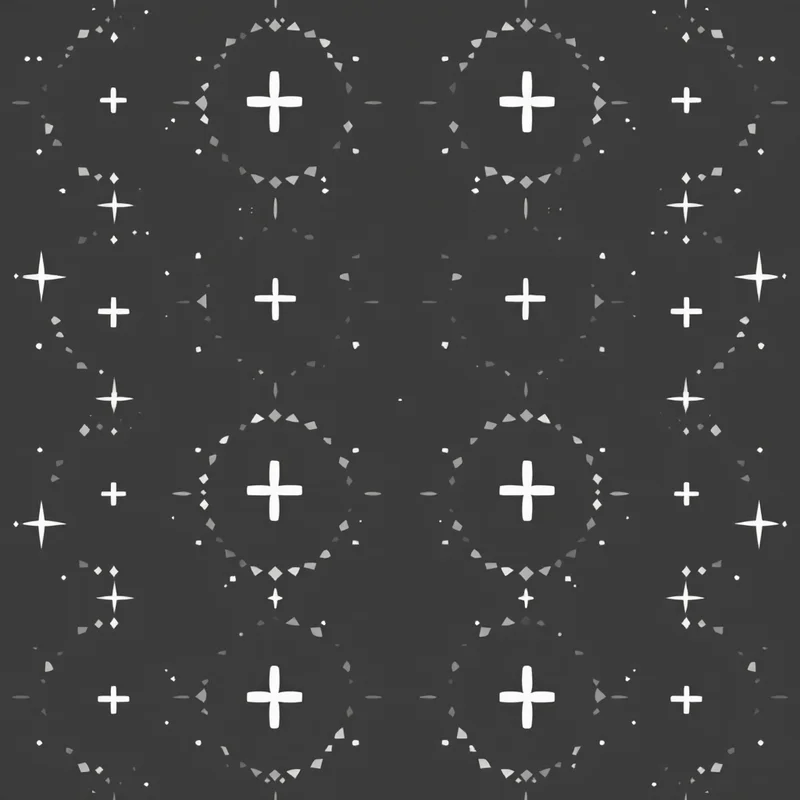
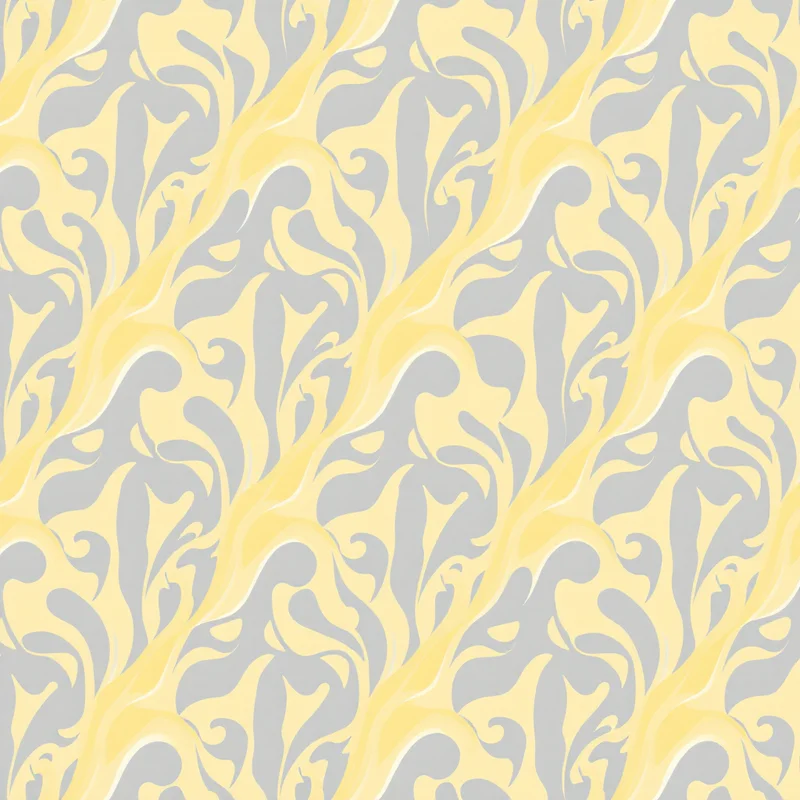
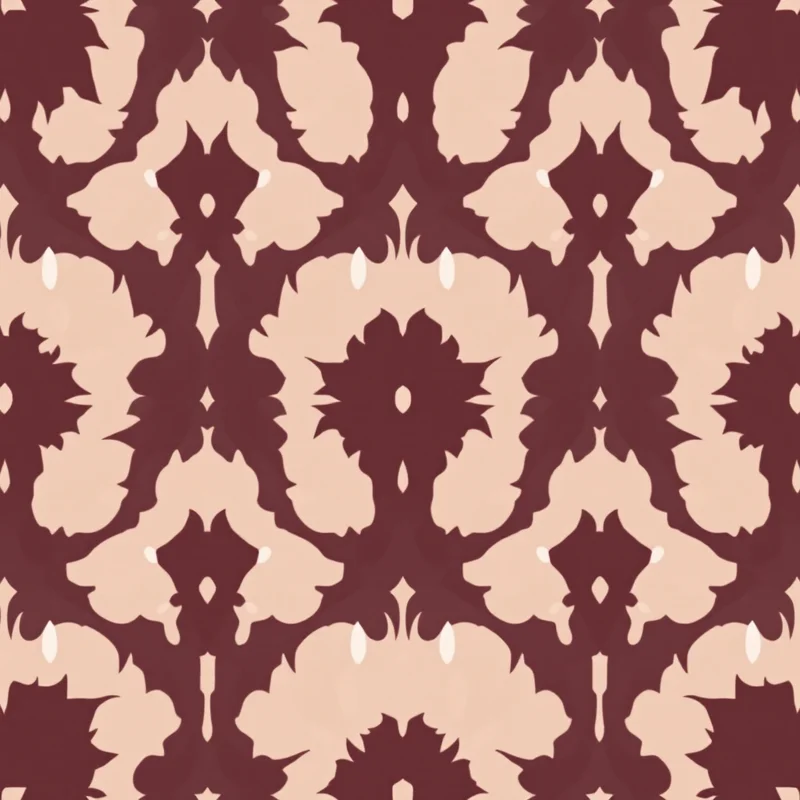
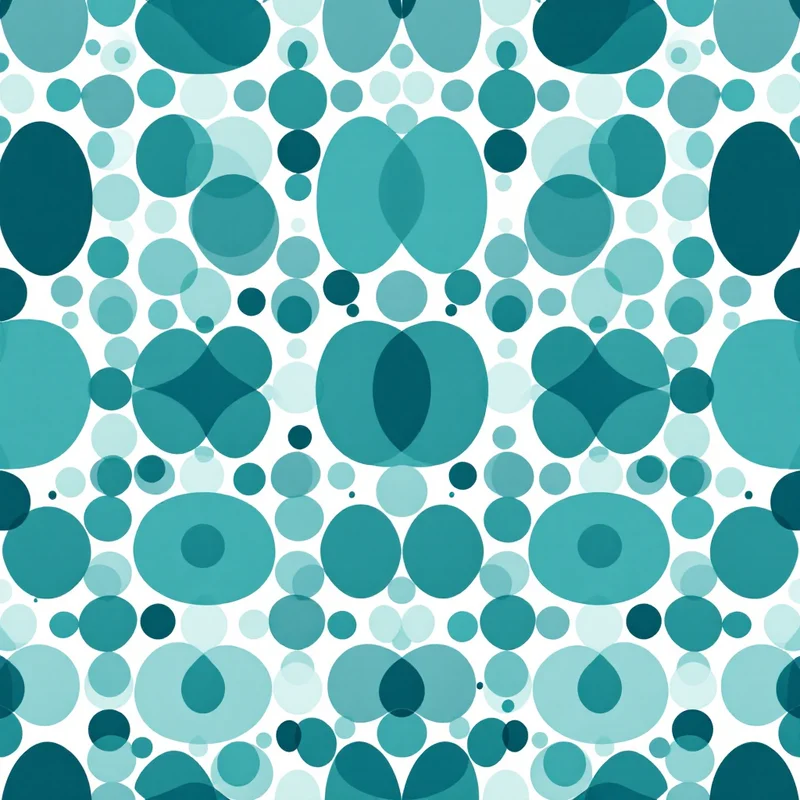
Overlapping sets of parallel lines building tonal depth through angle and density. Your crosshatch patterns carry the weight of traditional engraving and pen illustration — controlled line work that creates shadow, form, and texture through intersection alone. This rendering style produces patterns with a distinctly handcrafted, illustrative character that references centuries of printmaking and draftsmanship tradition.
Crosshatching creates depth through a fundamentally different mechanism than other rendering styles. Rather than blending colors or placing dots, it layers directional lines at opposing angles. Where lines are sparse, areas read as light. Where they overlap densely, rich shadow emerges. This directional quality gives every motif a sense of volume and structure that feels architectural and deliberate — your patterns look like they were drawn with precision by a skilled hand.
In fashion, crosshatch patterns occupy a refined, intellectual niche that appeals to consumers who value craft and heritage. The engraving-inspired quality works beautifully on tailored menswear — shirt fabrics, pocket squares, ties, and jacket linings. For womenswear, crosshatch botanicals and animals create prints that feel illustrated and editorial, perfect for capsule collections and designer collaborations where the pattern itself becomes the story.
Premium stationery and paper goods are a strong commercial category for crosshatch rendering. Notebook covers, journal interiors, letterpress greeting cards, and fine writing paper all benefit from the engraved quality. The line-based aesthetic reproduces beautifully in single-color printing, embossing, and letterpress — production methods that add tactile dimension to the already textural crosshatch surface.
For packaging design, crosshatch patterns signal heritage, craftsmanship, and premium positioning. Artisan spirits labels, specialty food packaging, cigar boxes, and luxury gift boxes all use this aesthetic to communicate that the product inside has depth and history. The engraving-style line work pairs especially well with metallic foil stamping, where the fine lines catch light and create a dimensional effect that elevates the entire package.
Home decor applications include wallpaper with an illustrated, hand-drawn quality, throw cushions with engraving-style motifs, and framed art prints where the visible line work becomes a feature rather than a limitation. The architectural quality of crosshatch rendering makes it particularly effective for geometric patterns and structured botanical arrangements that complement modern, curated interiors.
You control line angle, stroke density, and the number of overlapping hatch layers. A single direction of parallel lines creates a lighter, sketchier quality. Two overlapping directions produce classic crosshatch shading. Three or more directions build deep, richly shaded areas with engraving-level tonal complexity. Adjust line weight from fine, delicate strokes to bold, heavy marks depending on your scale and application.
Export at up to 8K resolution where every line remains crisp and distinct. The line-based structure keeps file sizes efficient while maintaining extraordinary detail. Every tile is seamless and production-ready, whether you are printing on paper, fabric, or any other substrate. The crosshatch aesthetic holds up from a small label to a large-format wallpaper panel.