Clothing Design with AI

Design production-ready clothing prints without hours in Illustrator. Generate seamless patterns for apparel — womenswear, menswear shirting, activewear sublimation, swimwear, kids clothing — and export Spoonflower-ready TIFF in CMYK at up to 8K resolution.

5 free credits — no credit card required
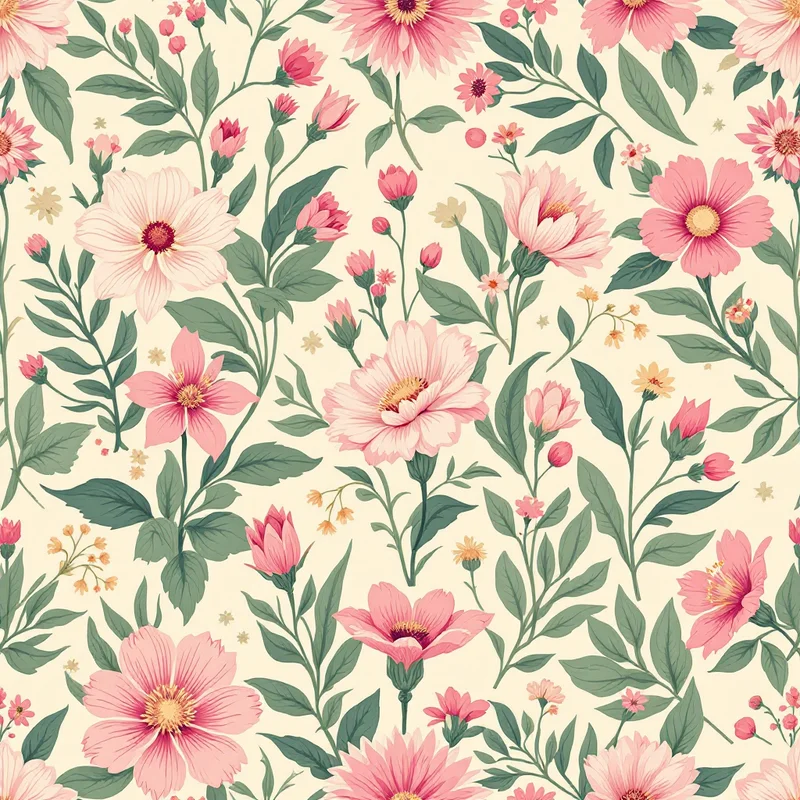
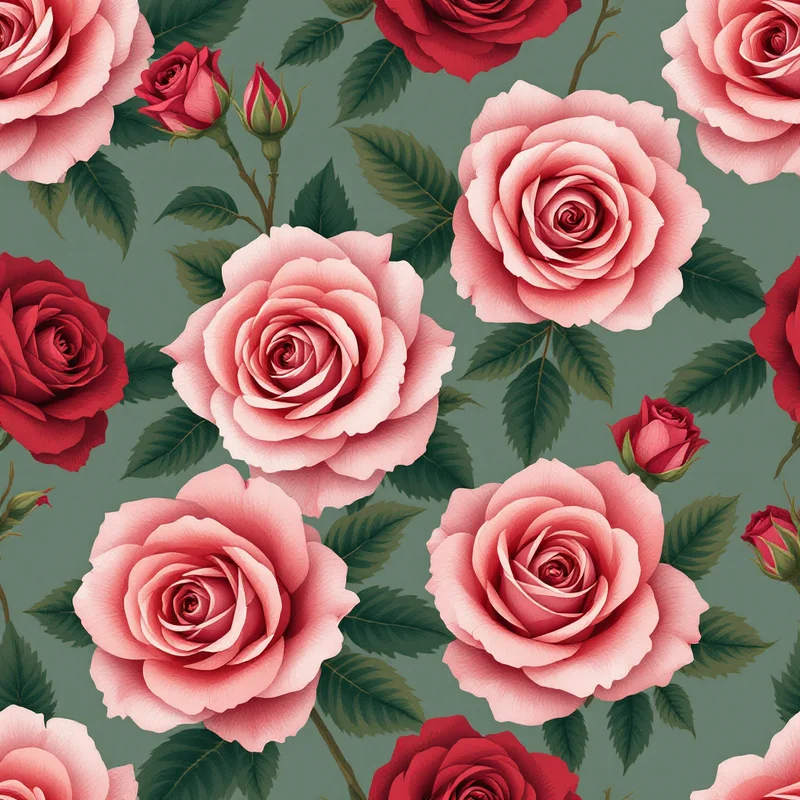
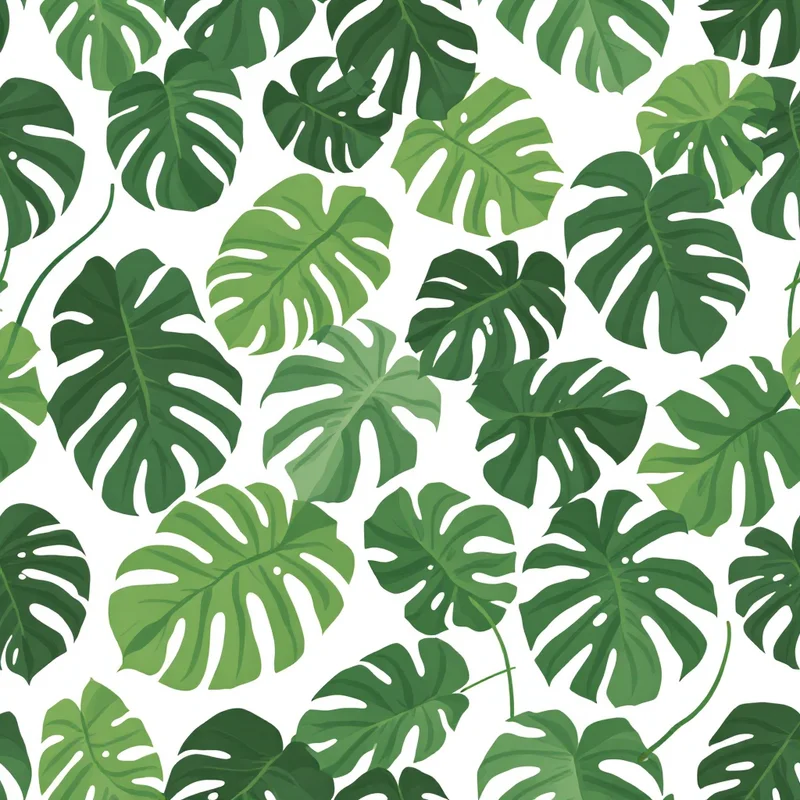
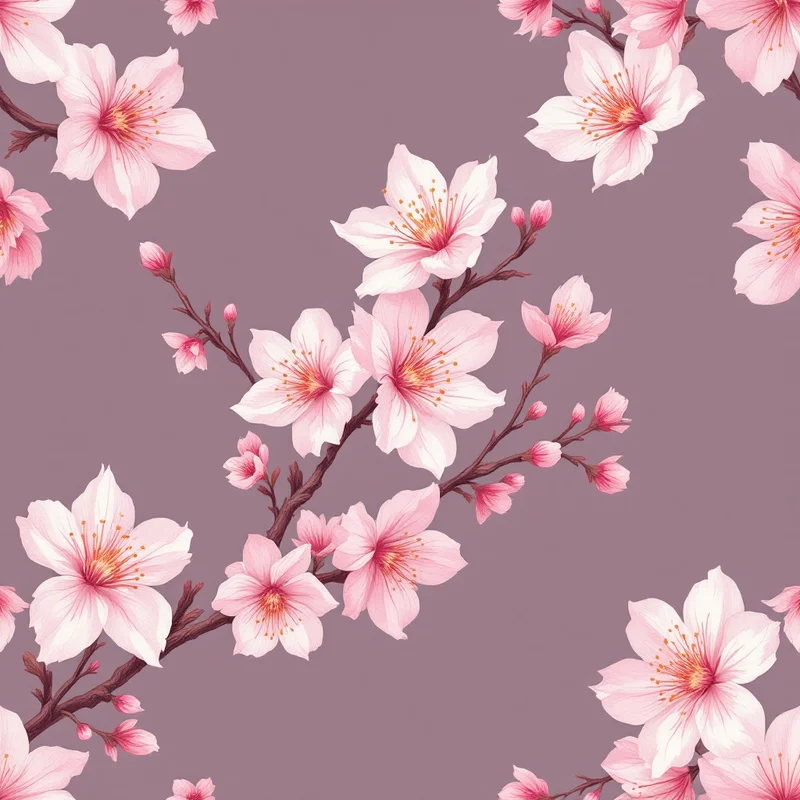
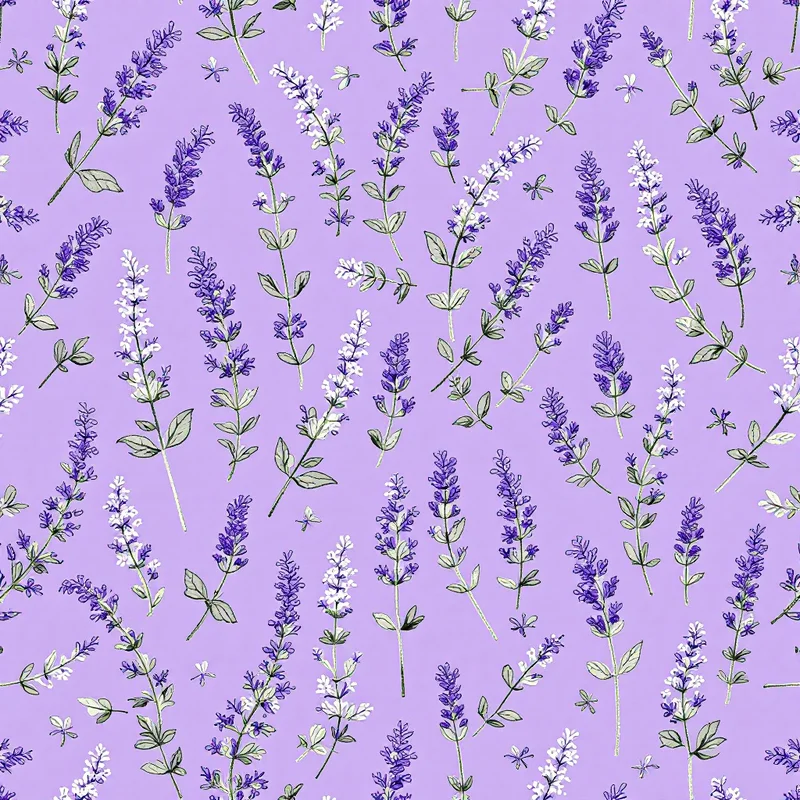
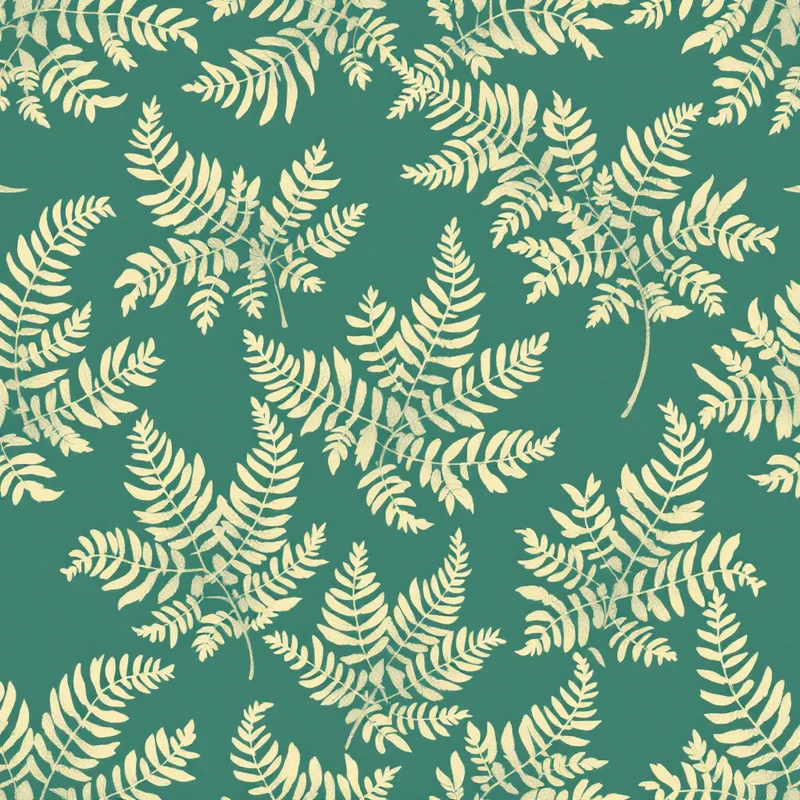
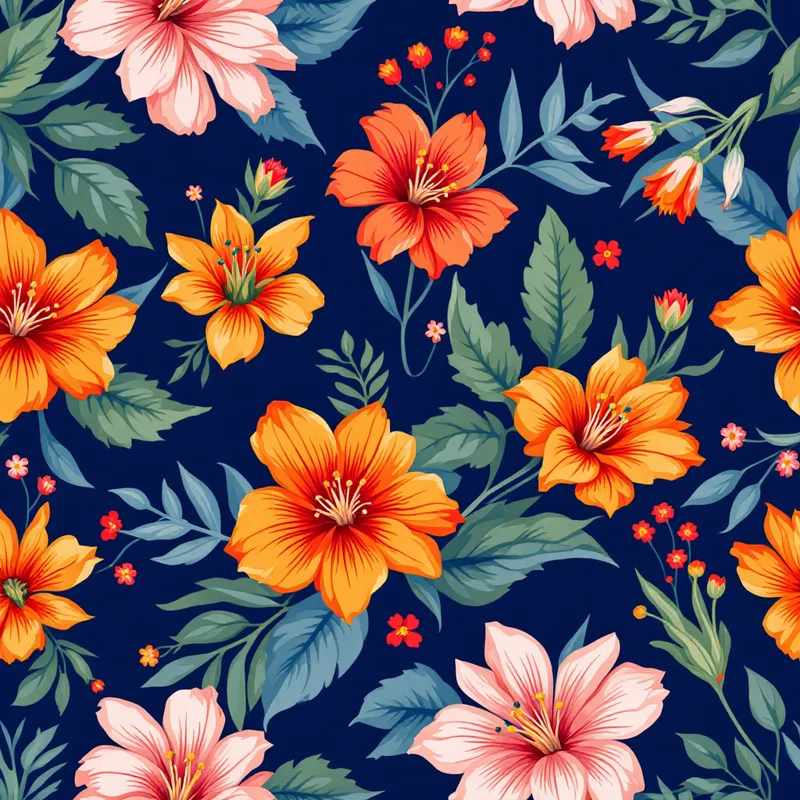
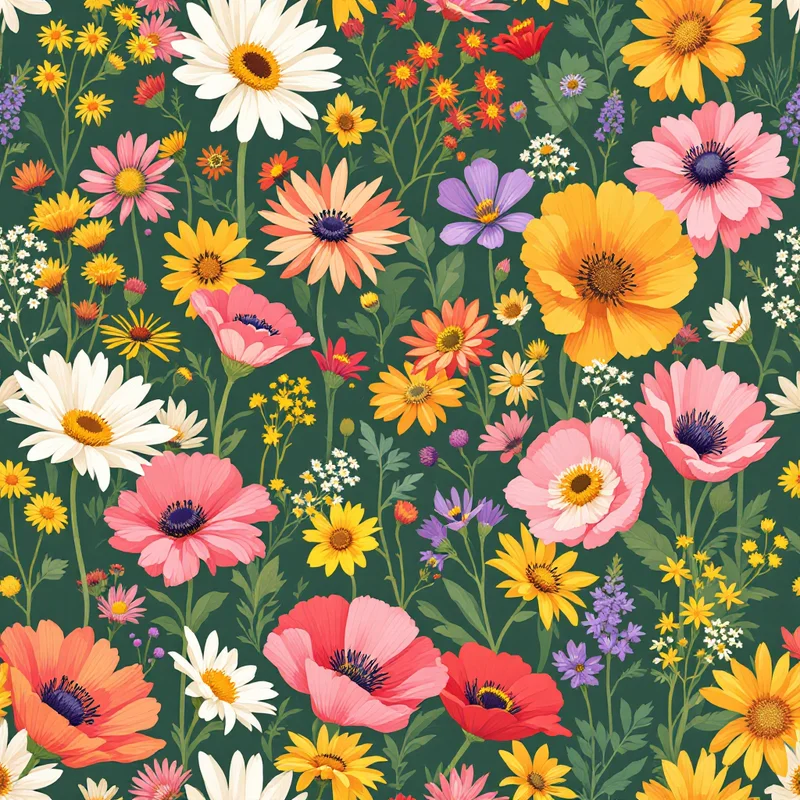
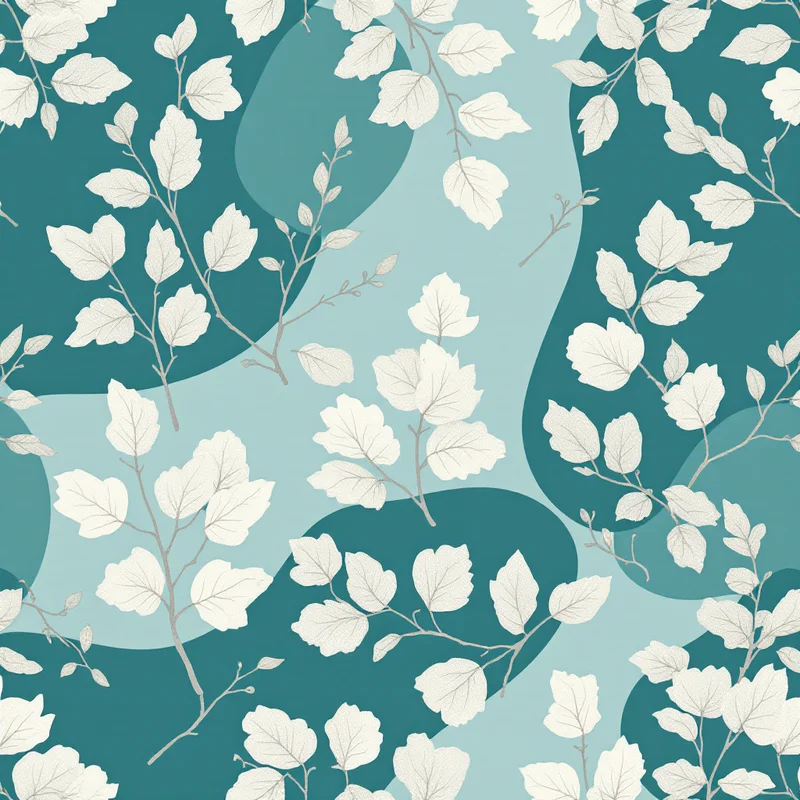
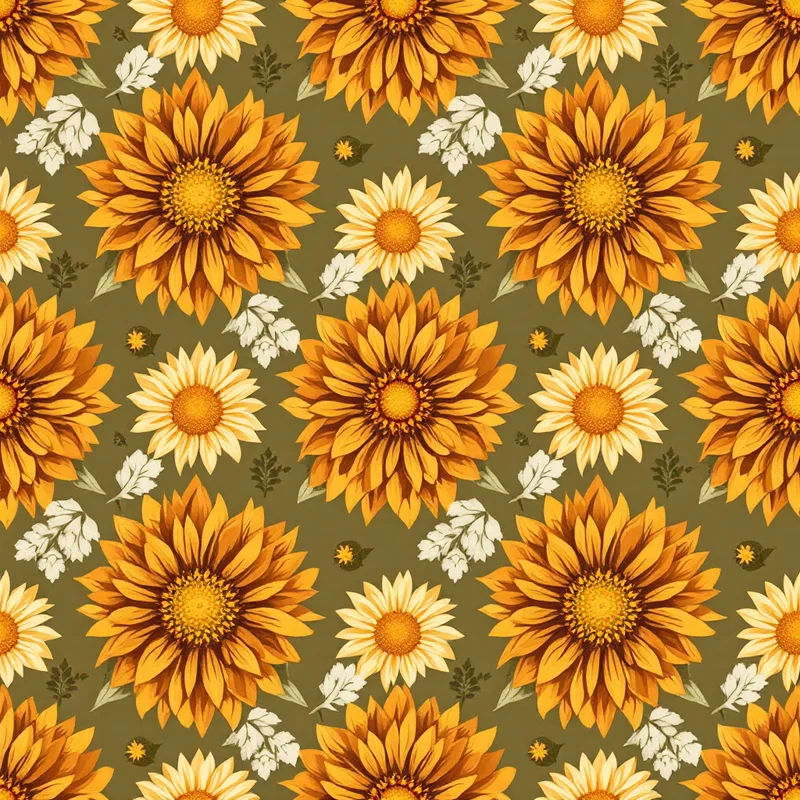
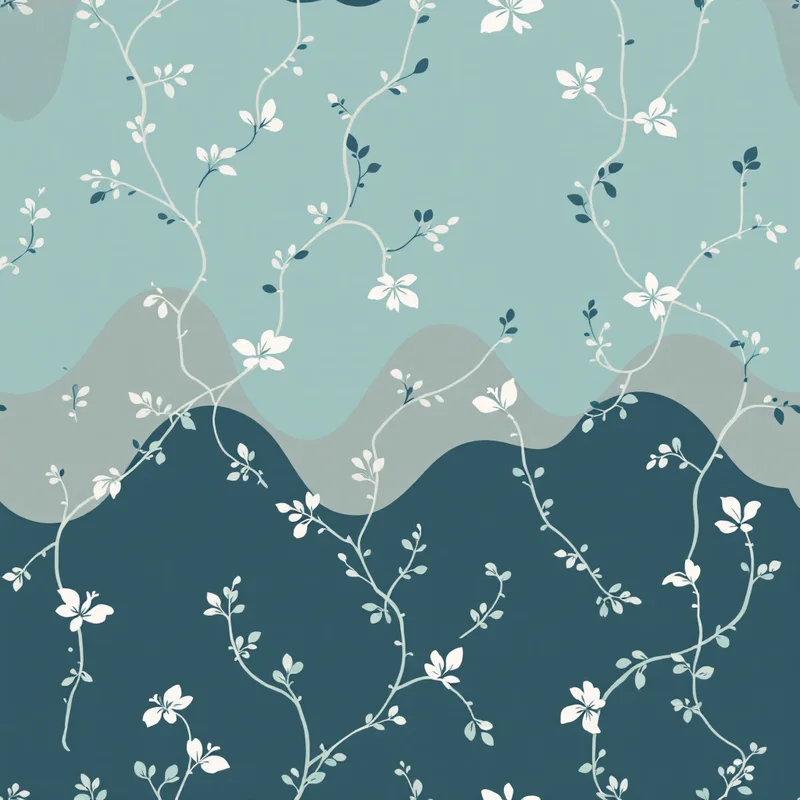
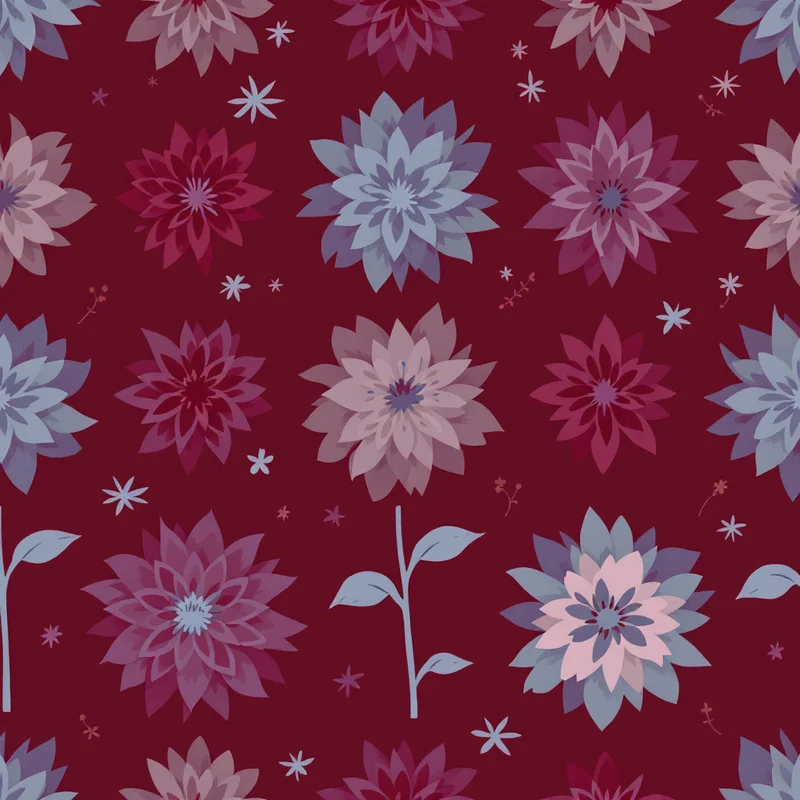
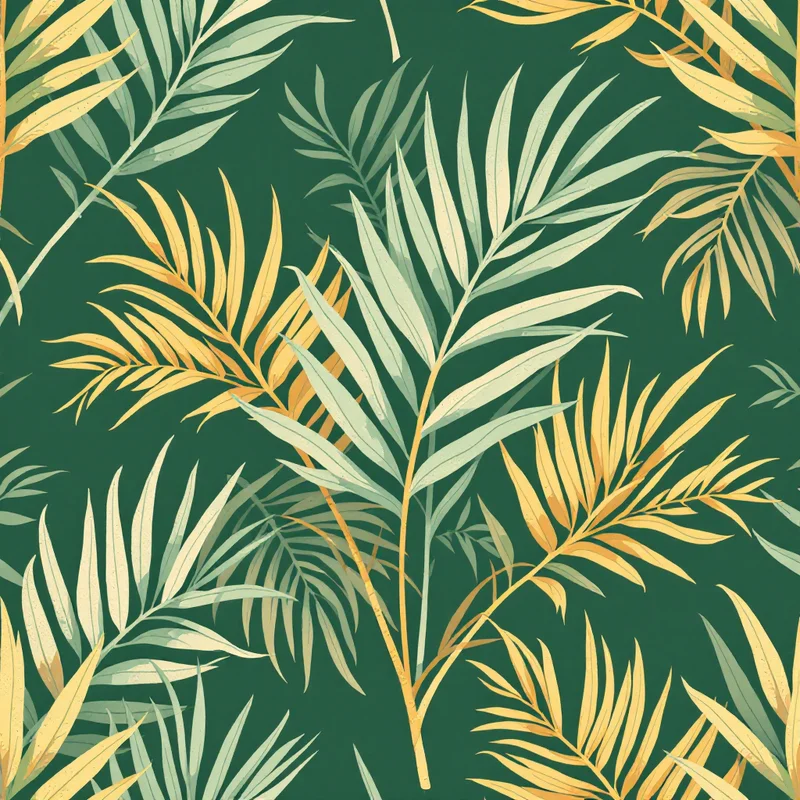
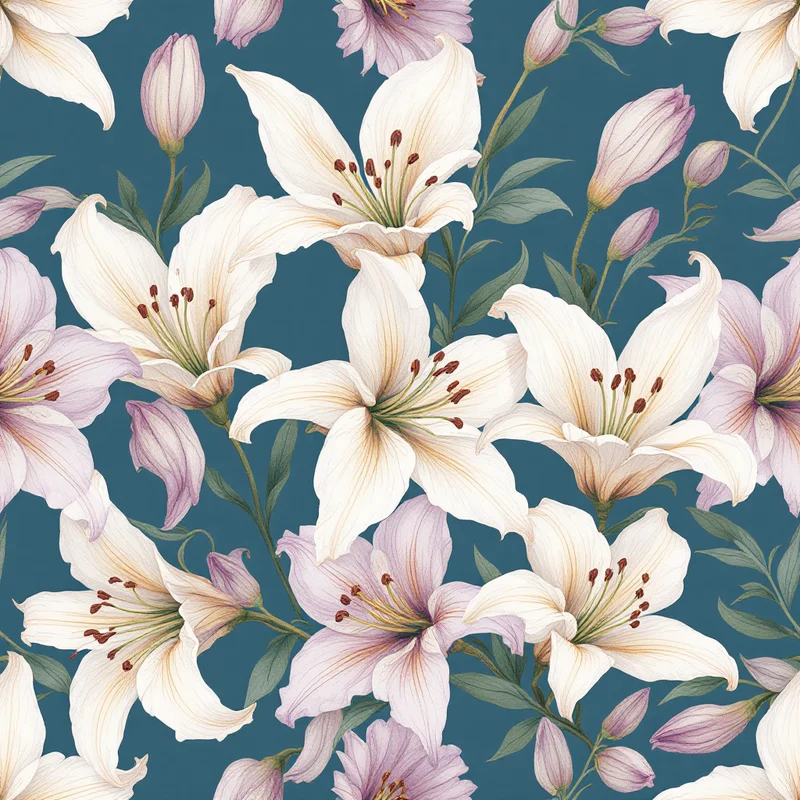
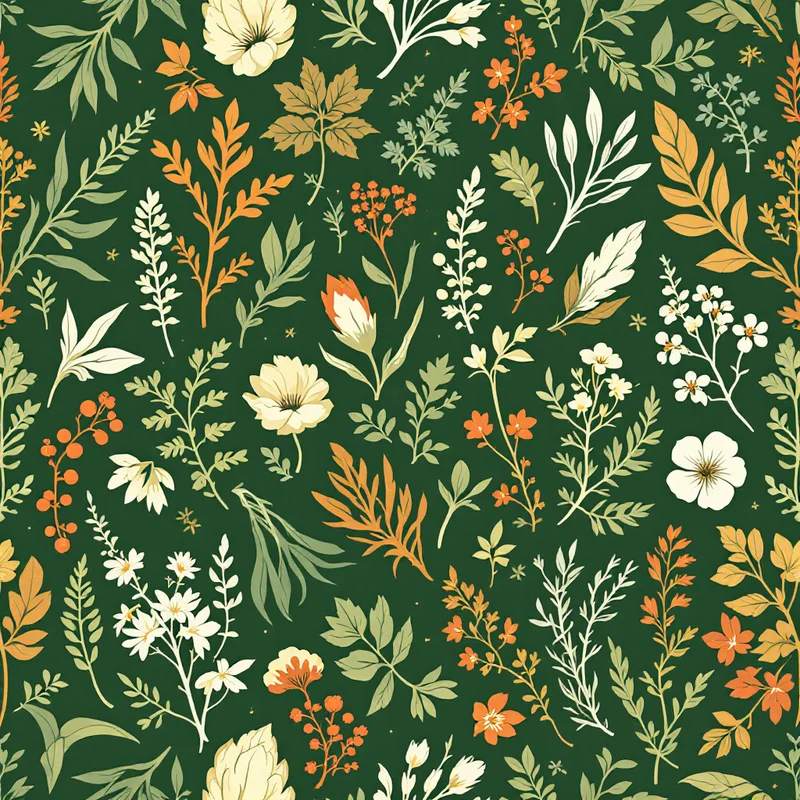
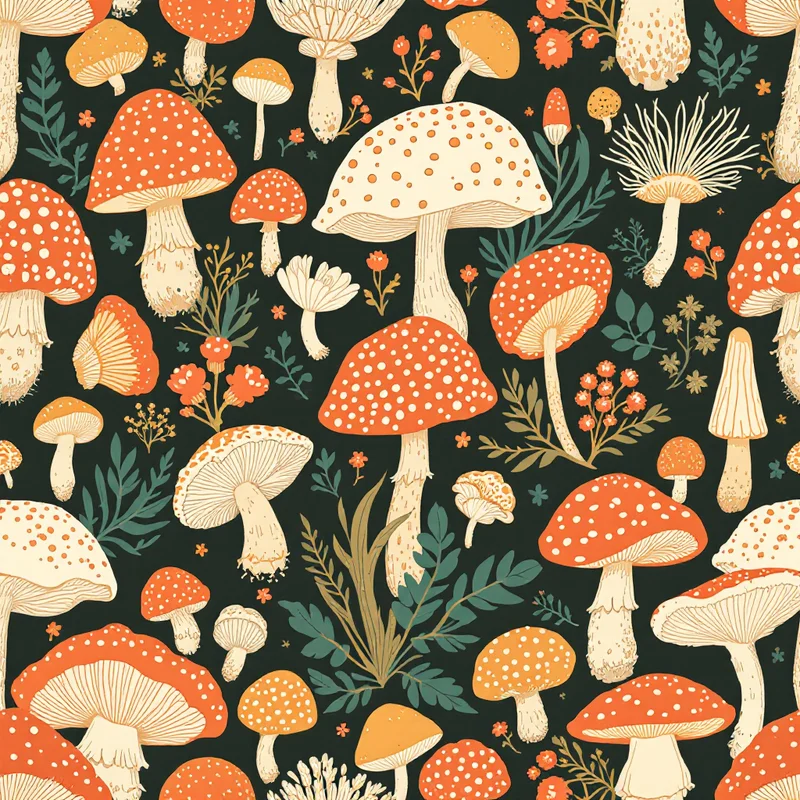
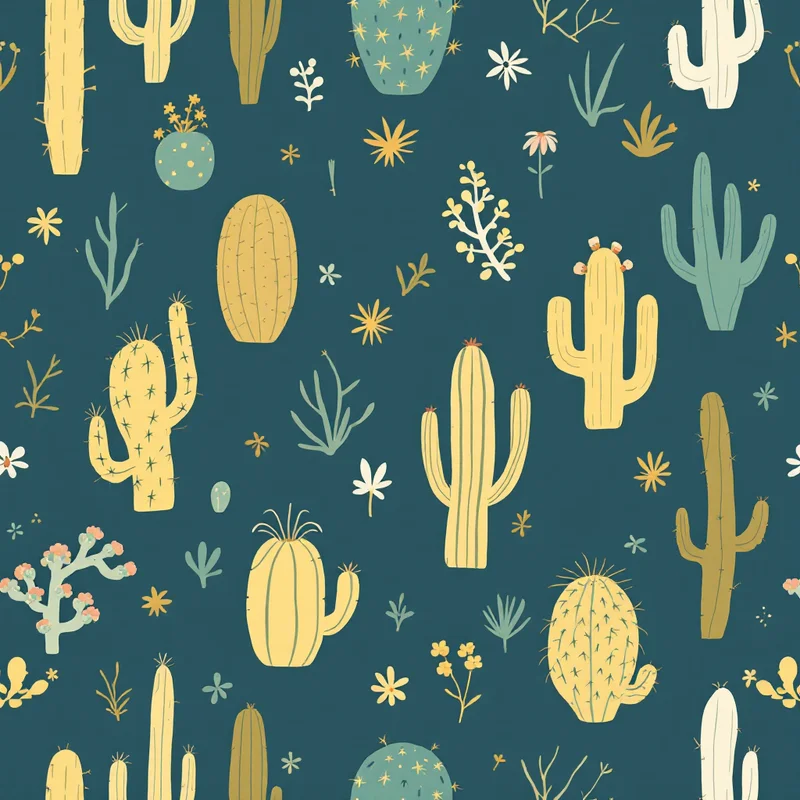
Seamless botanical rose pink pattern tileSeamless botanical monstera green pattern tileSeamless botanical cherry blossom pink pattern tileSeamless botanical lavender purple pattern tileSeamless botanical fern green pattern tileSeamless botanical tropical red pattern tileSeamless botanical wildflower multi pattern tileSeamless botanical eucalyptus mint pattern tileSeamless botanical sunflower gold pattern tileSeamless botanical vine sage pattern tileSeamless botanical dahlia purple pattern tileSeamless botanical palm dark pattern tileSeamless botanical lily white pattern tileSeamless botanical herbs kitchen pattern tileSeamless botanical mushroom autumn pattern tileSeamless botanical cactus green pattern tileSeamless botanical rose pink pattern tileSeamless botanical monstera green pattern tileSeamless botanical cherry blossom pink pattern tileSeamless botanical lavender purple pattern tileSeamless botanical fern green pattern tileSeamless botanical tropical red pattern tileSeamless botanical wildflower multi pattern tileSeamless botanical eucalyptus mint pattern tileSeamless botanical sunflower gold pattern tileSeamless botanical vine sage pattern tileSeamless botanical dahlia purple pattern tileSeamless botanical palm dark pattern tileSeamless botanical lily white pattern tileSeamless botanical herbs kitchen pattern tileSeamless botanical mushroom autumn pattern tileSeamless botanical cactus green pattern tile
Seamless botanical cactus green pattern tileSeamless botanical mushroom autumn pattern tileSeamless botanical herbs kitchen pattern tileSeamless botanical lily white pattern tileSeamless botanical palm dark pattern tileSeamless botanical dahlia purple pattern tileSeamless botanical vine sage pattern tileSeamless botanical sunflower gold pattern tileSeamless botanical eucalyptus mint pattern tileSeamless botanical wildflower multi pattern tileSeamless botanical tropical red pattern tileSeamless botanical fern green pattern tileSeamless botanical lavender purple pattern tileSeamless botanical cherry blossom pink pattern tileSeamless botanical monstera green pattern tileSeamless botanical rose pink pattern tileSeamless botanical cactus green pattern tileSeamless botanical mushroom autumn pattern tileSeamless botanical herbs kitchen pattern tileSeamless botanical lily white pattern tileSeamless botanical palm dark pattern tileSeamless botanical dahlia purple pattern tileSeamless botanical vine sage pattern tileSeamless botanical sunflower gold pattern tileSeamless botanical eucalyptus mint pattern tileSeamless botanical wildflower multi pattern tileSeamless botanical tropical red pattern tileSeamless botanical fern green pattern tileSeamless botanical lavender purple pattern tileSeamless botanical cherry blossom pink pattern tileSeamless botanical monstera green pattern tileSeamless botanical rose pink pattern tile

What is clothing pattern design?

Clothing pattern design is the practice of creating original repeating prints intended for application on garments — through digital fabric printing, dye sublimation, screen printing, or direct-to-garment (DTG) processes. It is distinct from sewing pattern design, which refers to the flat-pattern templates used to cut fabric pieces. Clothing pattern design is what creates the visual print on the finished garment.

The discipline sits between fashion design and textile design. A fashion designer chooses the garment silhouette, fit, and construction. A textile designer creates the original prints that get applied to the fabric. A clothing pattern designer is typically the textile designer specifically focused on apparel applications — which adds constraints that pure surface pattern design avoids: how the print reads on a body in motion, how it behaves on curved fabric, how it survives cut-and-sew construction without losing motif integrity.

Modern clothing design covers the full apparel stack — womenswear, menswear, activewear, swimwear, occasion wear, resort, kids and baby, accessories. Each segment has its own print conventions, palette traditions, and production realities. A successful clothing pattern designer learns which motif vocabularies serve which segments, and which print methods translate to which fabric bases.

The fundamentals of clothing print design

Seamless print construction

Clothing print design starts with a tile that repeats invisibly across fabric yardage. Pattern Weaver handles edge-matching automatically, so you can focus on the motif and palette rather than manually aligning pixels in Photoshop.

Garment-aware scale and density

A print that reads beautifully on a flat swatch can fragment on a sleeve or distort on a body curve. Pattern Weaver lets you preview at multiple scales and densities before committing — including ditsy, medium, and statement layouts.

Color separation for production

Apparel printing has palette constraints. Sublimation, rotary screen, digital direct-to-fabric, and DTG each handle color differently. Pattern Weaver exports in CMYK with embedded ICC profiles so your print survives the conversion from screen to shirt.

Print method matters

Watercolor florals for summer dresses. Bold linocut for streetwear. Refined damask for occasion wear. Pattern Weaver offers 29 render methods, each calibrated to produce convincing output in that medium — not generic flat fills.

How AI clothing design works

01

Define the garment direction

Pick a motif family and substyle that matches the garment context — small-scale ditsy for shirting, mid-scale botanical for dresses, large-scale statement for resort.

02

AI generates the seamless print

Pattern Weaver produces a production-ready seamless tile in seconds. Iterate on render method, scale, density, and colorway until the print matches your garment vision.

03

Export for apparel production

TIFF in CMYK with embedded ICC profile (GRACoL, FOGRA39, SWOP, ISO Coated v2). Add 3–5mm bleed for cut-and-sew. Export up to 8192 px for sublimation and full-yardage digital fabric printing.

What clothing design covers

Womenswear prints

Dresses, blouses, skirts, scarves. Soft palette control and 600+ substyles spanning floral, geometric, paisley, and cultural traditions.

Menswear shirting

Print shirts, ties, pocket squares. Refined motif vocabulary including paisley, ditsy floral, and geometric block.

Activewear sublimation

Bold all-over prints for leggings, sports bras, run kits. CMYK TIFF at sublimation-ready resolution.

Swimwear

Tropical, abstract, animal print. High-saturation palette suitable for sublimated polyester.

Kids and baby apparel

Gentle motif vocabulary, soft palettes, ditsy florals, animal characters. Spoonflower-compatible export.

Resort and occasion wear

Statement florals, cultural prints, formal damask. 8K resolution handles wide-format printing for kaftans and event garments.

Clothing design questions, answered

What is clothing pattern design?+
Clothing pattern design is the practice of creating original repeating prints intended for application on garments — through digital fabric printing, sublimation, screen printing, or DTG. It is distinct from sewing pattern design, which refers to the flat-pattern templates used to cut fabric pieces. Clothing pattern design is what creates the visual print on the finished garment.
How is clothing design different from textile design?+
Textile design is the broader umbrella — designing prints for any fabric use (apparel, home textiles, accessories, upholstery). Clothing design specifically targets garments, which adds constraints around scale (how the print reads on a body, not flat), drape (how the print behaves on curved fabric), and print method (sublimation, DTG, screen print each have different palette and resolution requirements). Most clothing print designers are textile designers focused on the apparel application.
What file format do clothing manufacturers and POD platforms require?+
Most digital fabric printers and POD platforms (Spoonflower, Contrado, Bags of Love, Printify, Printful) accept TIFF or PNG at 150–300 DPI. For commercial apparel with color accuracy, CMYK TIFF with embedded ICC profile is the standard. Pattern Weaver exports TIFF in CMYK with profile options for GRACoL, FOGRA39, SWOP, and ISO Coated v2. Print bleed margins (3–5mm) can be added for cut-and-sew construction.
Can I use Pattern Weaver designs commercially on clothing?+
Yes. All paid plans include a full commercial license. Designs can be used on garments sold through any channel — DTC e-commerce, retail wholesale, print-on-demand platforms (Spoonflower, Printify, Printful, Society6, Redbubble), and licensing deals with apparel brands. No additional fees, no royalty obligations.
What kinds of clothing patterns can Pattern Weaver generate?+
Over 600 styles spanning every major print tradition used in apparel — paisley for menswear shirting, damask for occasion wear, ikat for resort, tropical for swimwear, botanical for womenswear, geometric for activewear, animal for streetwear, ditsy floral for kids, and many more. Each style is backed by curated motif descriptions with the cultural specificity that distinguishes authentic clothing design from generic AI output.
Do I need to know fashion design to use Pattern Weaver for clothing prints?+
No. Pattern Weaver handles the technical print generation; you bring the creative direction. Many users are independent makers selling on Etsy or Spoonflower, fabric printers, costume designers, or general apparel brands without a traditional fashion design background. The Pattern DNA compiler is designed to work for both trained textile designers and self-taught makers — your choices drive the output regardless of formal training.
How do I prepare a clothing print for sublimation versus digital fabric printing?+
Sublimation transfers dye-sublimation ink onto polyester through heat — works only on polyester or polyester-blend fabrics, supports vivid saturated color, and requires the print to be mirrored at file delivery. Digital direct-to-fabric printing applies pigment or reactive ink to natural fibers (cotton, linen, silk) — supports softer hand, slightly muted color, and does not require mirroring. Pattern Weaver exports for both; specify your printer's requirements when configuring the export.
Can I design my own custom clothing prints without a manufacturer?+
Yes. Many indie makers use Pattern Weaver paired with Spoonflower, Contrado, or Bags of Love to produce small runs of custom fabric without a traditional manufacturer relationship. The workflow: design the print in Pattern Weaver, export as TIFF or PNG at the platform's required spec, order printed fabric, sew the garment yourself or with a small studio. This bypasses minimum-order quantities that traditional mills require.

Ready to design your next clothing print?

5 free credits. No credit card. Start in 30 seconds.