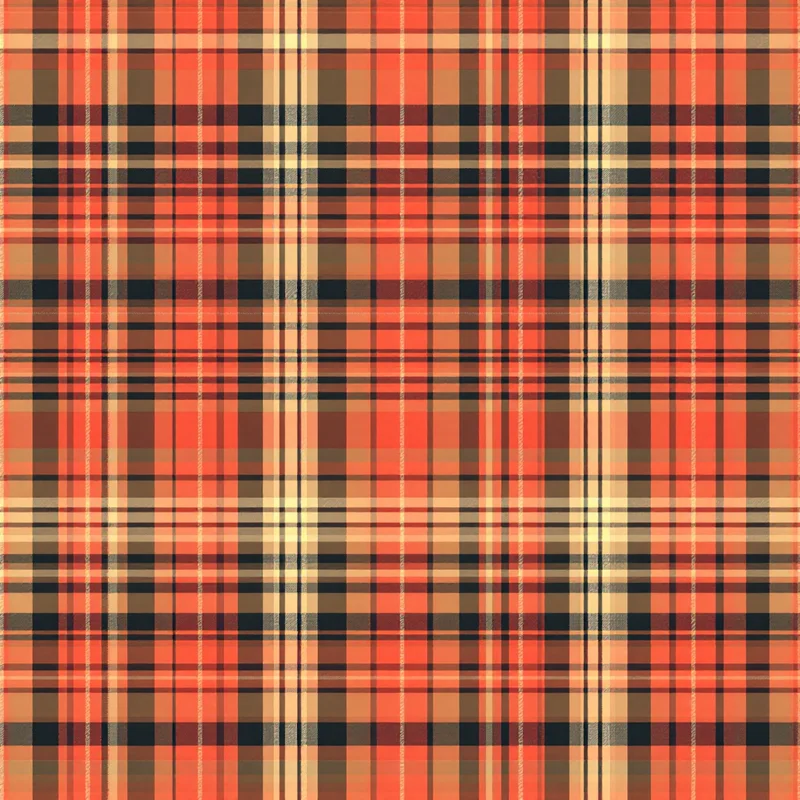
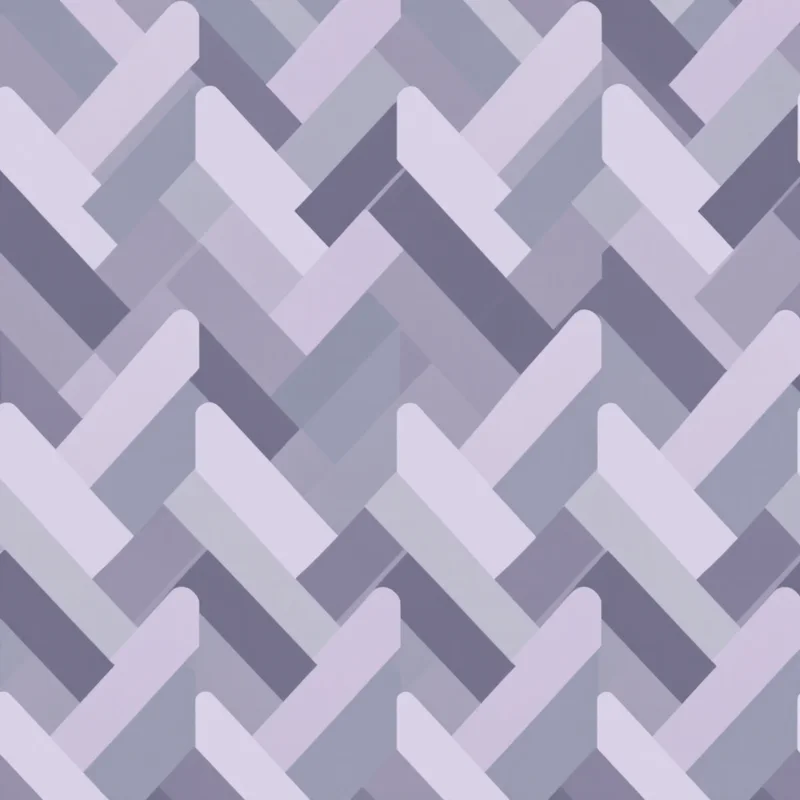
If you have ever spent an afternoon scrolling a marketplace for the right repeat, you already understand the central tension of AI pattern design vs stock pattern libraries. Stock is fast and finished, but generic and shared. AI is custom and original, but asks you to make a few choices first. This guide compares both honestly so you can pick the right approach for your next project, whether you are designing fabric, wallpaper, packaging, or print-on-demand merchandise.
The core difference
A stock pattern library sells you a file that already exists. Someone created it, uploaded it, and licenses the identical design to everyone who pays. AI pattern design works the opposite way: you describe a style, palette, scale, and density, and a fresh pattern is generated for you on demand. With Pattern Weaver, every result is built from your inputs rather than pulled from a shared catalog, so the design you walk away with is genuinely yours.
That single distinction, shared file versus generated original, drives almost every practical trade-off below.
How they compare
| Factor | Stock pattern libraries | AI pattern design |
|---|---|---|
| Originality | Shared with all buyers | Unique to your inputs |
| Speed | Instant download | Minutes to generate |
| Customization | None without an editor | Color, scale, density built in |
| Licensing | Varies, often tiered | Yours to use commercially |
| Cost at volume | Adds up per download | Flat credit-based plan |
| Seamless quality | Inconsistent across catalog | Seam-fixed and tile-previewed |
| Export control | Fixed file you receive | PNG, JPG, WEBP, TIFF, PDF, SVG up to 8K |
Where stock pattern libraries still win
Let us be fair. Stock is not dead, and there are real cases where a stock pattern library is the smarter call.
- One-off generic backgrounds. If you need a neutral texture behind a slide deck and originality is irrelevant, a cheap stock download is hard to beat.
- Zero iteration. A curated stock file is finished the moment you buy it. There is no regenerating, no tweaking, no decision fatigue.
- Tiny budgets for a single asset. If you genuinely need one pattern, once, a single low-cost download may cost less than a plan.
The catch is that those advantages shrink the moment you need more than one pattern, or care that a competitor could be using the exact same file on their products.
Where AI pattern design wins
For most working designers, makers, and brands, AI pattern design pulls ahead on the factors that matter over time.
Originality. This is the headline. Stock licenses the same paisley or damask to thousands of buyers, so your "signature" print might be on a stranger's tote bag tomorrow. AI generates a one-of-a-kind result. If you want to explore directions, our floral pattern and geometric pattern starting points show how different two briefs in the same category can look.
Customization before you download. Stock hands you a finished file at a fixed color and scale. To recolor or rescale it you need a vector editor and the skill to use one. AI pattern design bakes those controls in. You set the palette, push the density up or down, and change the scale so the repeat reads correctly at your real print size, all before exporting.
Licensing clarity. Stock licenses are notoriously tiered. The base license often forbids merchandise, caps the number of items you can sell, or demands an upgrade for any commercial product. With Pattern Weaver, the patterns you create are yours to use commercially, which removes a recurring headache for anyone building a print-on-demand line.
Cost at volume. A single stock download looks cheap until you need ten more, or an extended license. AI pattern design on a credit-based plan turns "how many can I afford" into "how many do I need," which changes the economics for anyone shipping regularly.
Seamless, print-ready output. A good repeat has to tile invisibly. Pattern Weaver generates seamless, tileable surface pattern designs by design, then adds a seam-fixing pass and a tile preview so you can confirm the repeat before you commit. Stock patterns are often seamless too, but quality is uneven across a huge catalog, and you cannot fix a bad seam without an editor.
Where Pattern Weaver fits
Pattern Weaver is built for the exact gap stock leaves open: original, custom, print-ready patterns without needing to draw a single motif by hand. Compared to traditional vector editors, you skip the steep learning curve. Compared to iPad drawing apps, you do not need illustration skill. Compared to general AI image tools, you get true seamless tiling, scale and density controls, CMYK and bleed for print, and exports up to 8K, rather than a square image that does not repeat.
You choose the style, the motif, the colors, the scale, and the density. The studio compiles those choices into a finished seamless pattern, fixes the seams, and lets you export in the format your printer actually wants. It is the difference between hunting a catalog for "close enough" and building exactly what the brief calls for.
How to create an original pattern instead of buying stock
Here is the full walkthrough, start to finish.
- 1Pick a style and motif. Open the studio and choose a direction such as floral, geometric, or damask, then set the motif and mood you want the pattern to carry.
- 2Set color, scale, and density. Choose your palette and adjust the scale and density sliders so the repeat reads the way you need at your final print size.
- 3Generate and review variations. Generate the pattern, compare variations, and regenerate until one matches your brief. Each result is original to you, not shared across a catalog.
- 4Fix seams and preview the tile. Run the seam fix and use the tile preview to confirm the repeat lines up cleanly with no visible seams. Our guide to creating seamless patterns goes deeper on why this step matters.
- 5Export print-ready files. Export to PNG, JPG, WEBP, TIFF, PDF, or SVG with CMYK and bleed options, up to 8K, ready for production or print-on-demand.
You can browse every category and start a brief from /create/, and you can see the full plan options, including the Free, Starter, Pro, and Max tiers, on the pricing page.
The honest verdict
AI pattern design vs stock pattern libraries is not really a fight, it is a fork. If you need one generic background on the cheapest possible budget and never expect to touch it again, a stock pattern library does the job. For everything else, original brand work, repeat client projects, merchandise, or any design where a competitor using the same file would sting, AI pattern design wins on originality, control, licensing, and cost over time.
Stock pattern libraries sell you what already exists. AI pattern design builds what you actually need. If you want to compare your options more broadly, our roundup of the best pattern design software puts the categories side by side. When you are ready to make something that is genuinely yours, the studio is a good place to start.
Explore related pattern styles