# 90s Pattern Design: Grunge, Geometrics, and Nostalgia
90s pattern design is everywhere again, from streetwear racks to wallpaper sample books, and the appeal is obvious: it is loud, imperfect, and unapologetically nostalgic. If you came up loving scratched grunge textures, neon Memphis squiggles, or a sheet of grinning smiley faces, this is your decade. Below you will find what 90s pattern design actually is, where it came from, the visual hallmarks that define it, and a step-by-step way to generate your own seamless versions without touching a drawing tablet.
What is 90s pattern design?
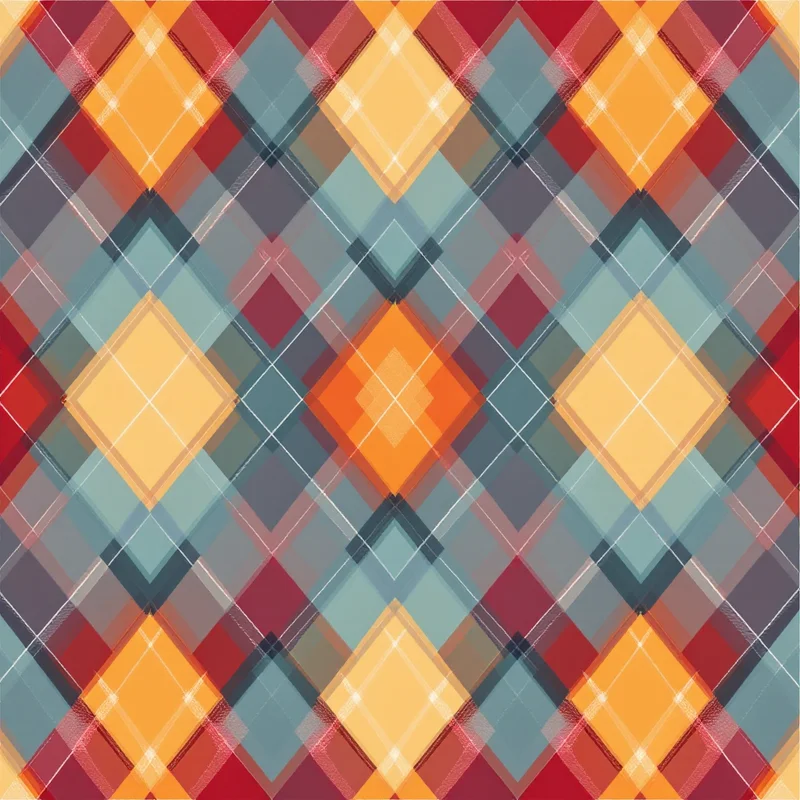
90s pattern design is a family of surface styles that peaked between roughly 1990 and 1999, defined by deliberate visual noise. Where 80s patterns leaned slick and corporate, the 90s went rough and personal. Three streams sit at the center: grunge (distressed, scratched, photocopied textures), geometrics (angular Memphis-derived shapes, confetti specks, and squiggles), and nostalgic pop motifs (daisies, smileys, abstract jelly blobs, and zigzag borders). The unifying thread is energy. A good 90s pattern feels busy, high-contrast, and a little chaotic on purpose.
Origins of the look
The decade pulled from several places at once. Grunge texture grew out of the music and zine culture of the early 90s, where bands and indie publishers worked with photocopiers, ransom-note type, and torn paper. That DIY roughness became a visual language. The geometric side traces back to the Memphis Group of the 1980s, whose playful, anti-tasteful shapes filtered into 90s fashion and youth branding. The nostalgic pop motifs came from rave flyers, surf and skate graphics, and early kids-channel branding, where the daisy and the smiley became shorthand for carefree optimism. By mid-decade these streams were blending freely across textiles, packaging, and screen graphics.
Visual hallmarks
A few signals tell you a pattern is reaching for the 90s:
- Distressed grain. Scratches, halftone dots, and photocopy noise sitting behind or over the motifs.
- Angular geometrics. Triangles, squiggles, dashes, and confetti scattered with intentional imbalance.
- Bold motif icons. Daisies, smiley faces, lightning bolts, checkerboards, and jelly-bean blobs.
- Clashing color. High saturation and unexpected pairings rather than tasteful harmony.
- Hand-drawn imperfection. Wobbly lines and uneven spacing that signal a human, not a grid.
- Layering. Multiple elements stacked so the eye never quite settles.
The best 90s pattern design picks one or two of these and commits hard, rather than cramming all six into a single tile.
How to generate it in Pattern Weaver
You do not need illustration skills to nail this look. Here is the workflow inside the studio:
- 1Pick your 90s direction. Open the studio and choose a base style, then describe the era you want: grunge texture, Memphis geometrics, or nostalgic pop motifs such as daisies and smileys. The clearer your direction, the closer the first result.
- 2Set the color palette. Load a high-contrast or jewel-tone scheme. Keep one or two clashing accents against a grounded base so the result reads as intentional 90s energy rather than random.
- 3Dial in density and scale. Push density up for that busy, layered feel the decade is known for, then set motif scale so the pattern works at your intended product size, small for cards, larger for apparel panels.
- 4Generate and refine. Generate the seamless tile, check that the repeat loops cleanly, and regenerate variations until the texture and rhythm feel right. This is where the look gets dialed in.
- 5Export print-ready. Export your seamless tile as PNG, TIFF, or SVG at up to 8K, ready for print-on-demand and manufacturing.
The whole point is speed: you can test a dozen 90s pattern directions in the time it would take to hand-draw one.
Color palette ideas
Color does most of the era-signaling work in 90s pattern design. Three palettes carry the decade reliably:
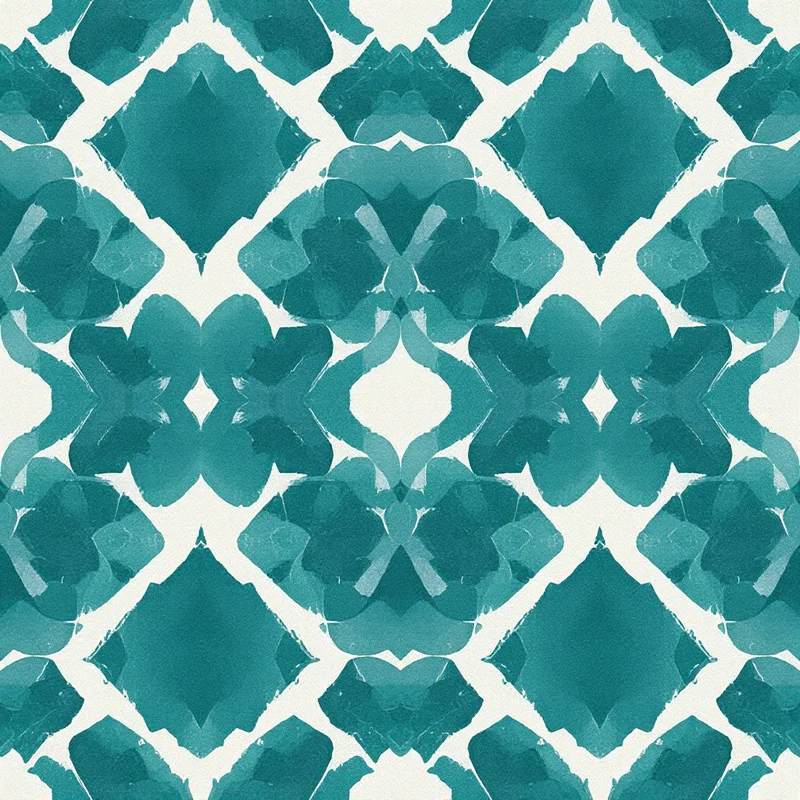
- Jewel-tone grunge: deep teal, oxblood, mustard, and charcoal with muddy overlays. Great under scratched textures.
- Memphis pop: hot pink, electric blue, lime, black, and white. Maximum contrast for geometric confetti.
- Muted nostalgia: dusty mauve, sage, butter yellow, and faded denim. Softer, for daisy and smiley prints.
Avoid balanced rainbows. The era thrives on a grounded base plus one or two accents that almost clash.
Best use cases
90s pattern design fits anywhere nostalgia and playfulness sell. Streetwear and graphic tees are the obvious home for grunge and bold icons. Memphis geometrics shine on packaging, stationery, phone cases, and notebook covers. Daisy and smiley motifs work on accessories, socks, tote bags, and kids' goods. For print-on-demand sellers especially, these patterns convert because they tap an instant emotional memory. If you are building a store, our guide to pattern design for print-on-demand covers how to prep tiles for different products.
Pro tips
- Keep texture behind motifs. Let grunge grain support the icons, not bury them. Regenerate if the texture turns to mud.
- Contrast retro with modern type. Pair the vintage pattern with clean current typography so it reads intentional, not dated.
- Test the repeat at scale. A tile can look great zoomed in and reveal a hard seam when tiled. Our walkthrough on how to create seamless patterns explains what to watch for.
- Start from words, not a blank canvas. If you are new to AI generation, read how to make a pattern with AI before your first session.
- Save your winning palette. Once a color set captures the era, reuse it across a whole collection for a coherent line.
Ready to make your own?
90s pattern design rewards experimentation, and generating beats drawing when you want to test ideas fast. Head to the create page to browse style directions, or jump straight into the studio and generate your first grunge or geometric tile. When you are ready to export at full resolution for products, the pricing page breaks down the Free, Starter, Pro, and Max plans and what each unlocks. Pattern Weaver turns a vague memory of the decade into a clean, seamless, print-ready tile, no drawing tablet required.