
Design characteristics
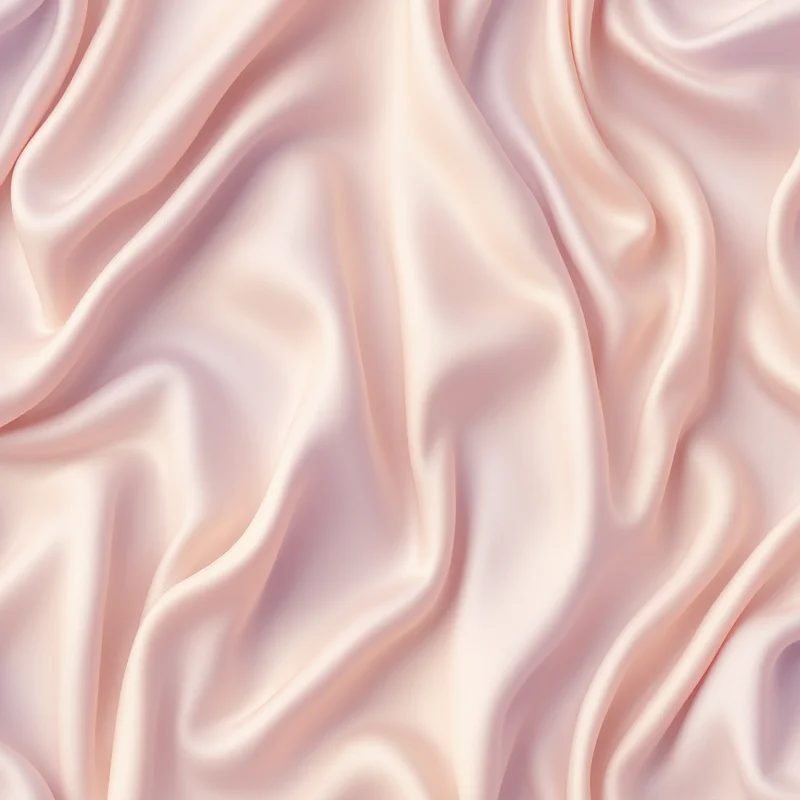
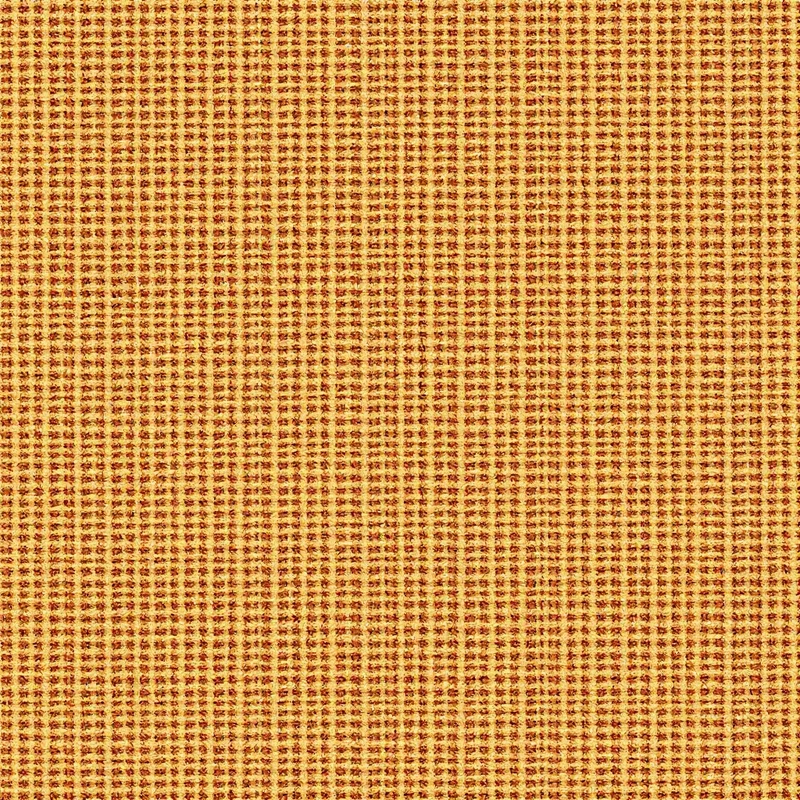
Understanding woven structures matters because each weave type communicates a different quality and aesthetic. A plain weave — the simplest over-one-under-one interlacement — reads as honest, utilitarian, and sturdy. Think canvas, muslin, and chambray. A twill weave creates diagonal lines across the surface, producing fabrics like denim, gabardine, and herringbone that feel more refined and dynamic. A satin weave produces long floating threads that create a smooth, lustrous surface associated with luxury — satin, sateen, and charmeuse. A jacquard weave allows complex figurative patterns to be built directly into the fabric structure, producing damask, brocade, and tapestry. Each of these structures has a visual signature that the generator reproduces faithfully.
Commercial applications
For fashion and textile design, woven pattern textures serve critical roles in the design process. Designers use woven texture overlays on their print designs to show how a pattern will look when actually printed on a specific fabric substrate — a floral design overlaid with a twill weave texture shows how the pattern will appear on gabardine, while the same floral over a plain weave shows its appearance on cotton poplin. This visualization step saves time and reduces sampling costs in the product development cycle. Textile design students and professionals use woven structure patterns as reference material and for presentation boards.
Where to use woven patterns
In digital design and branding, woven textures add a layer of materiality and craft to otherwise flat compositions. A website background with a subtle linen plain-weave texture feels warmer and more tactile than a flat color. Product packaging with a jacquard-inspired pattern communicates heritage and quality. Social media graphics with denim twill texture create visual interest and brand consistency. The woven texture grounds digital content in the physical world of textile and craft, which creates an emotional connection that purely digital graphics often lack.
Customization & export
The tool offers extensive control over woven pattern parameters. Select your weave structure — plain, twill, satin, basket, herringbone, houndstooth, jacquard, or dobby. Choose thread colors for warp and weft independently, creating solid, striped, checked, or multicolor effects. Adjust thread weight from fine silk to heavy wool yarn. Control the weave density from loose, open weaves to tight, dense constructions. Apply rendering styles including photorealistic 3D thread texture, flat diagrammatic illustration, hand-drawn sketch, and stylized graphic. Every woven pattern generates as a true seamless repeat at up to 8K resolution, ready for production use in print, digital, and presentation applications.