
How to Build a Textile Design Portfolio That Gets You Hired

What hiring managers at mills, studios, and brands actually open your portfolio to see — categories, repeat counts, file specs, and the format choices that get you shortlisted instead of skimmed.

5 free credits — no credit card required

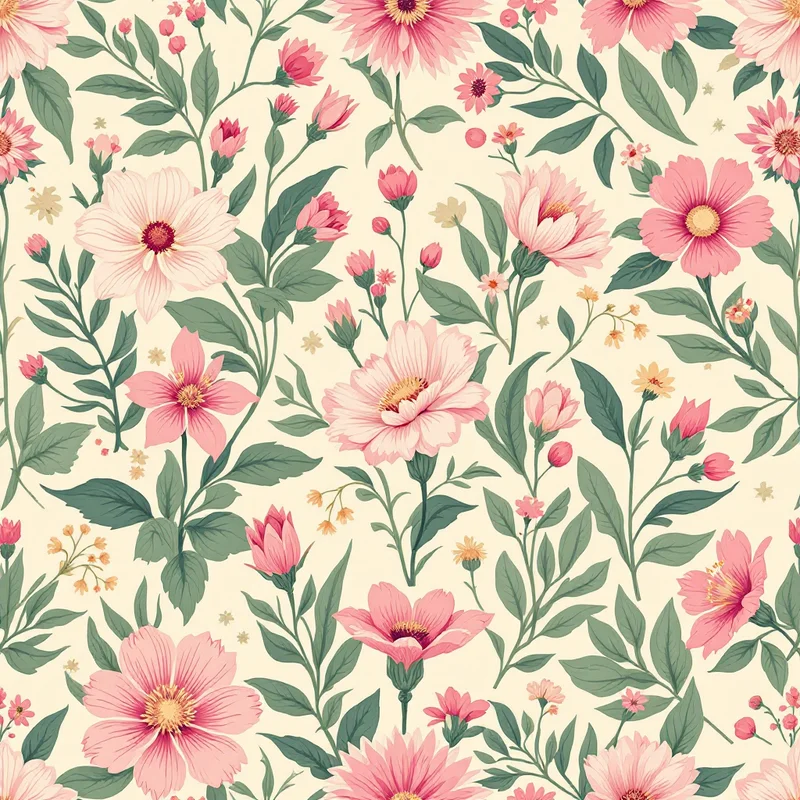
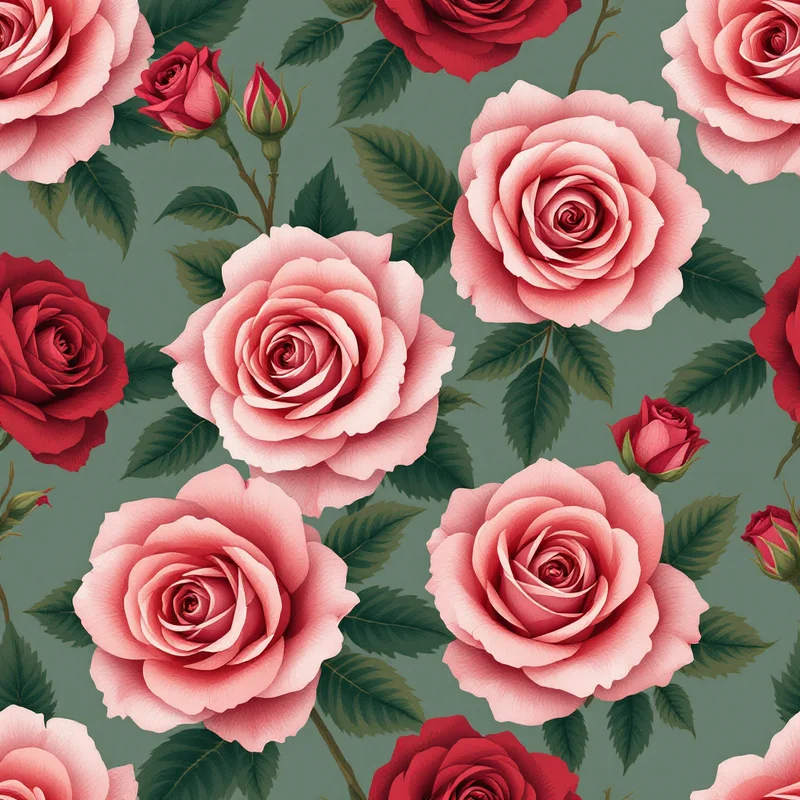
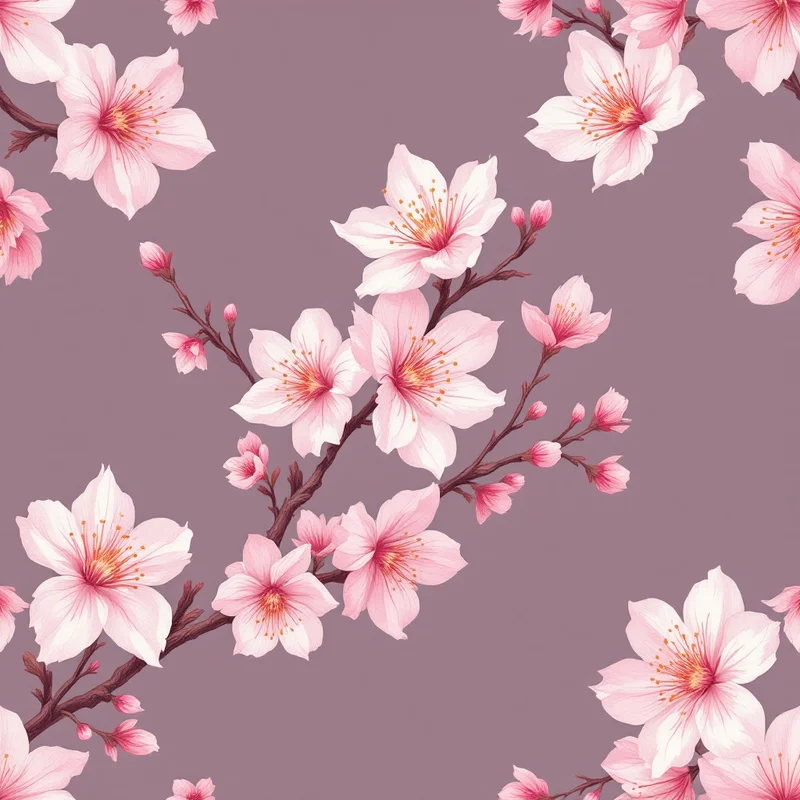
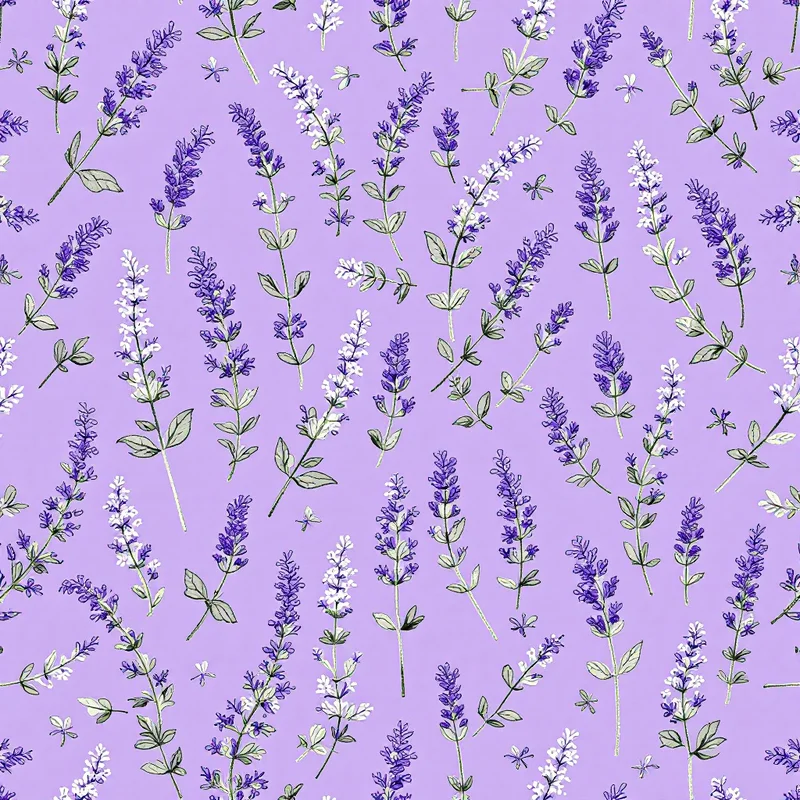
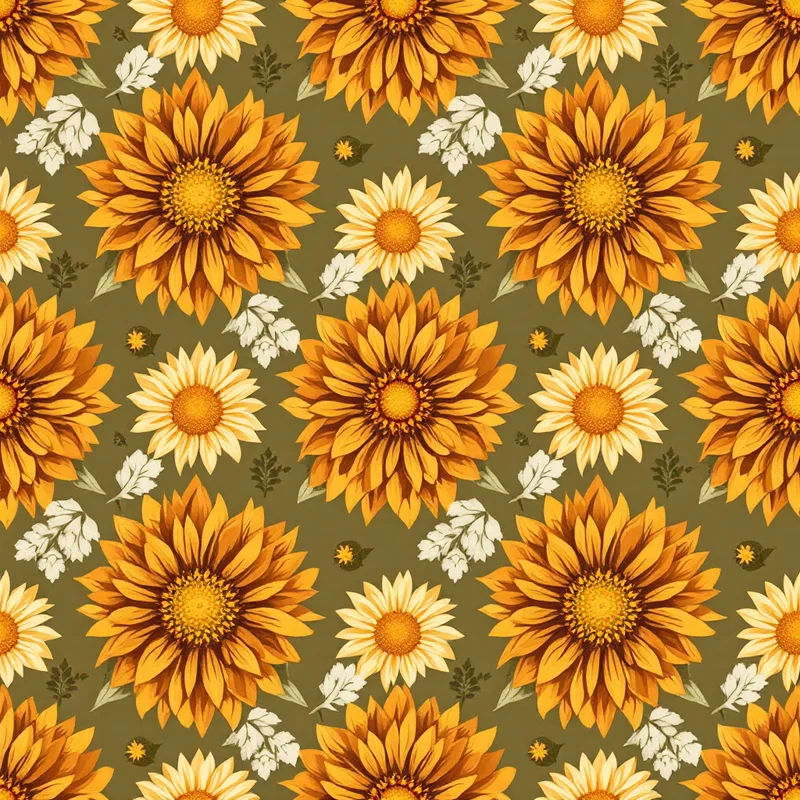
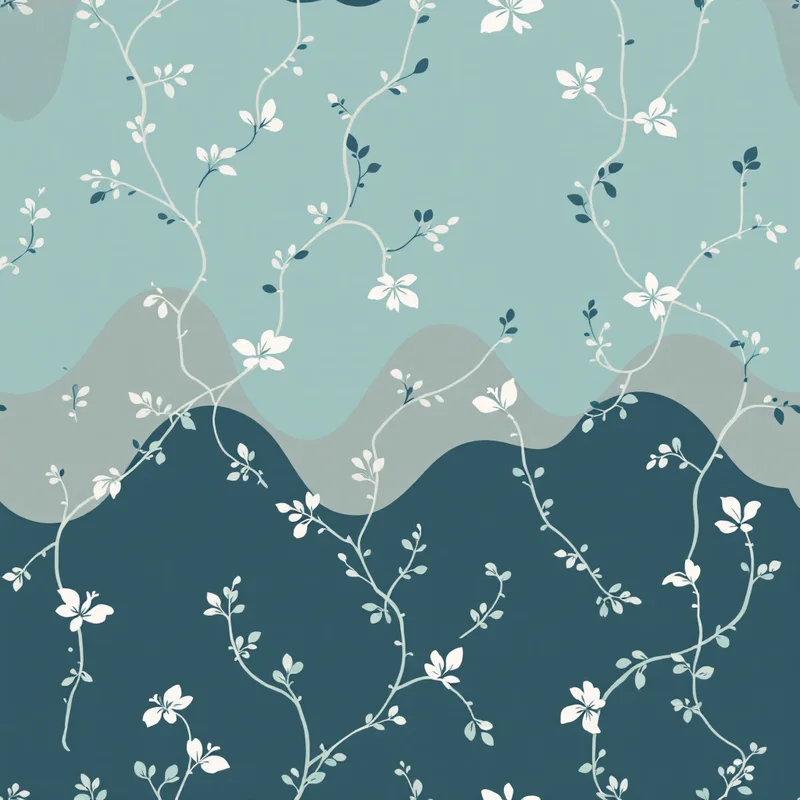
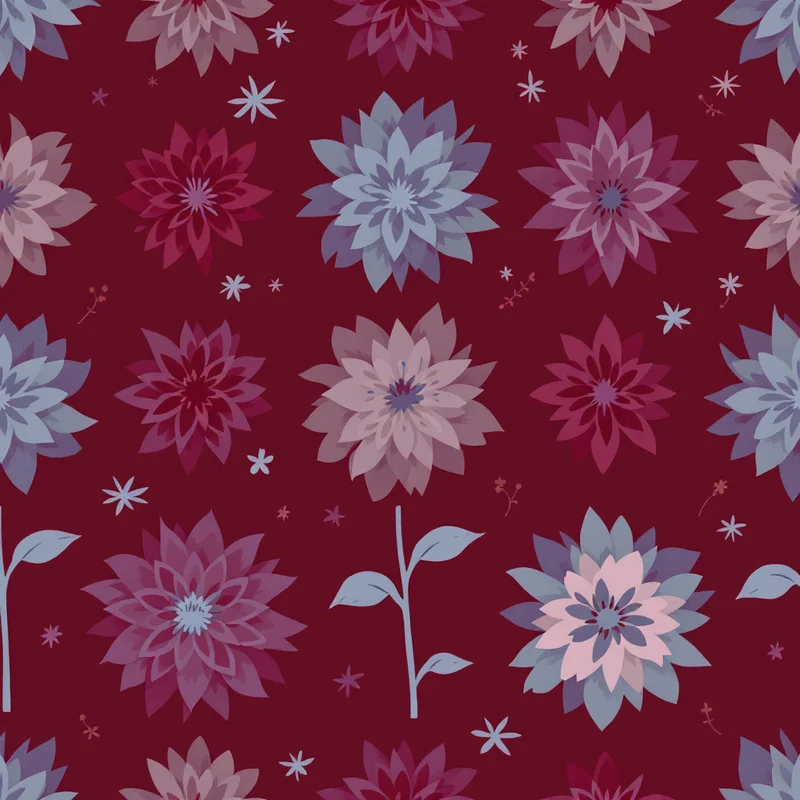
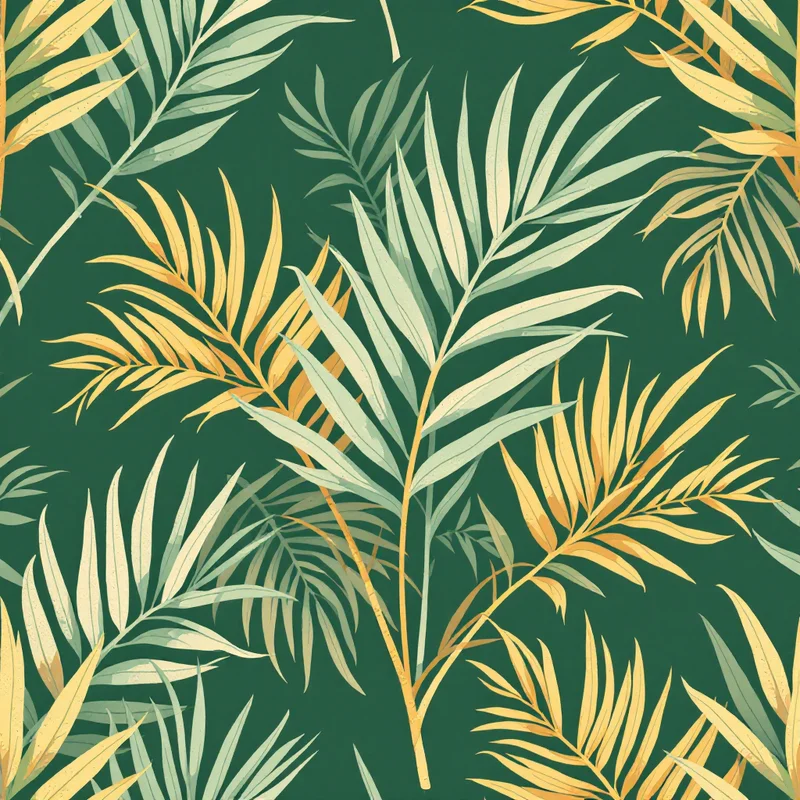
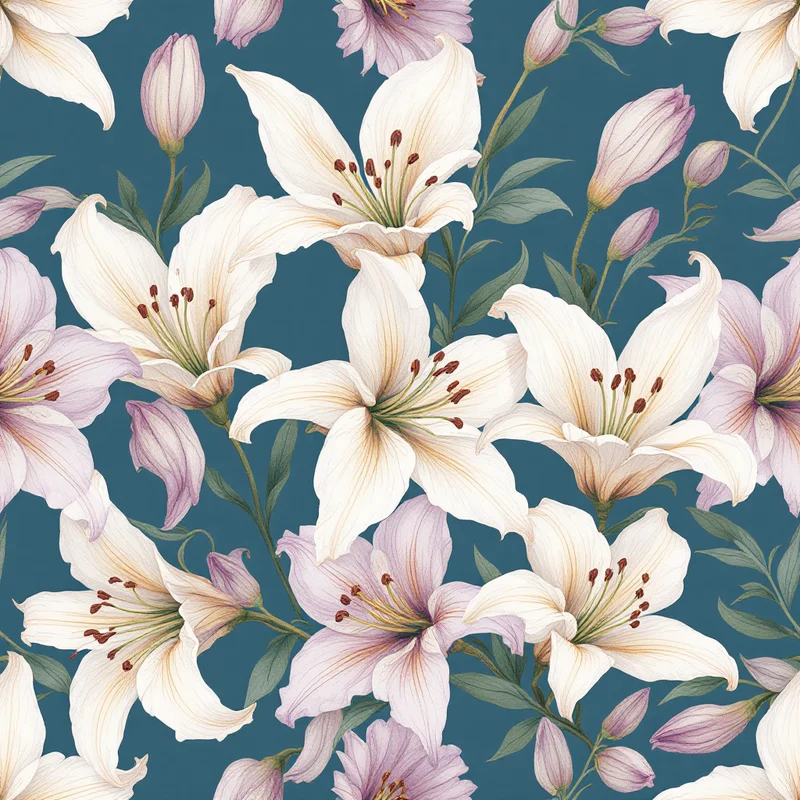
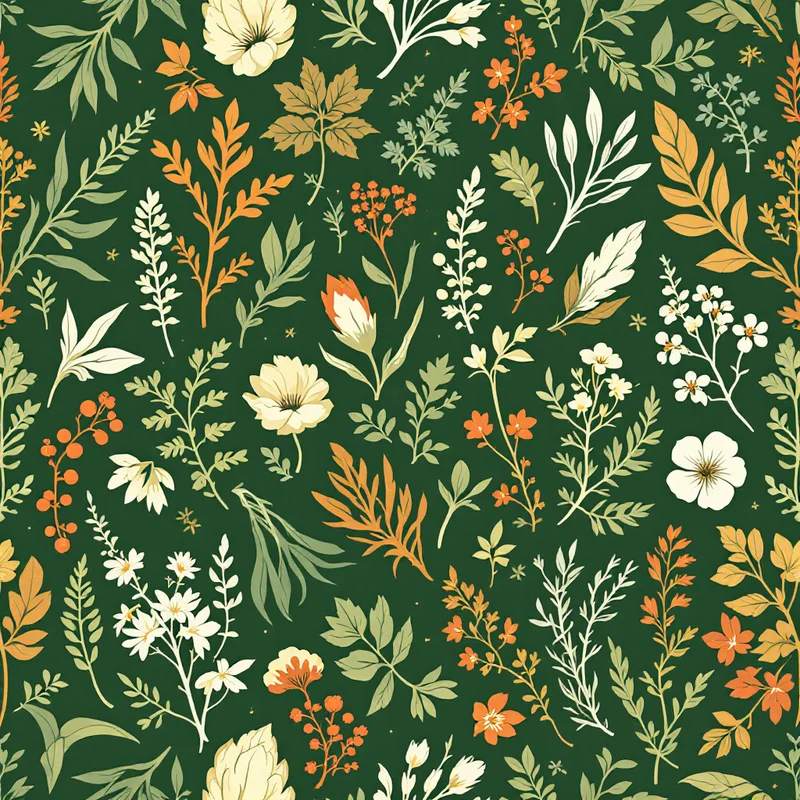
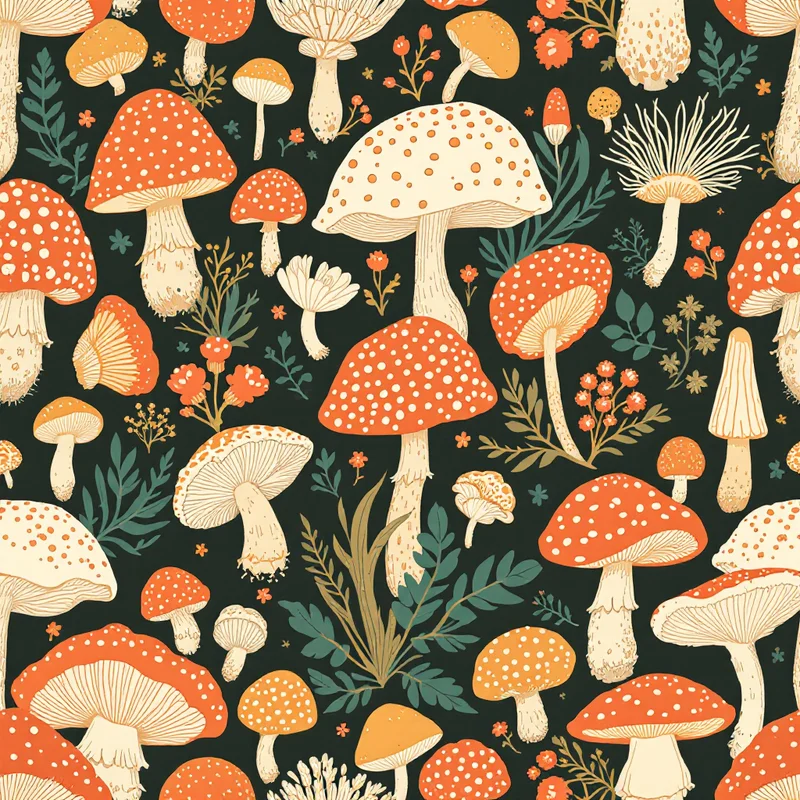
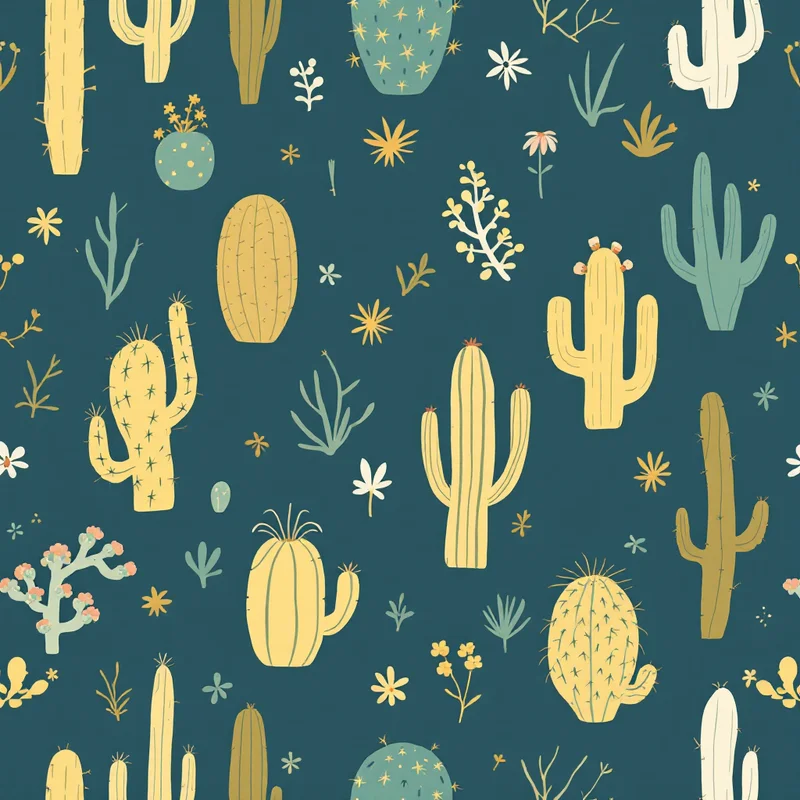
Seamless botanical rose pink pattern tileSeamless botanical monstera green pattern tileSeamless botanical cherry blossom pink pattern tileSeamless botanical lavender purple pattern tileSeamless botanical fern green pattern tileSeamless botanical tropical red pattern tileSeamless botanical wildflower multi pattern tileSeamless botanical eucalyptus mint pattern tileSeamless botanical sunflower gold pattern tileSeamless botanical vine sage pattern tileSeamless botanical dahlia purple pattern tileSeamless botanical palm dark pattern tileSeamless botanical lily white pattern tileSeamless botanical herbs kitchen pattern tileSeamless botanical mushroom autumn pattern tileSeamless botanical cactus green pattern tileSeamless botanical rose pink pattern tileSeamless botanical monstera green pattern tileSeamless botanical cherry blossom pink pattern tileSeamless botanical lavender purple pattern tileSeamless botanical fern green pattern tileSeamless botanical tropical red pattern tileSeamless botanical wildflower multi pattern tileSeamless botanical eucalyptus mint pattern tileSeamless botanical sunflower gold pattern tileSeamless botanical vine sage pattern tileSeamless botanical dahlia purple pattern tileSeamless botanical palm dark pattern tileSeamless botanical lily white pattern tileSeamless botanical herbs kitchen pattern tileSeamless botanical mushroom autumn pattern tileSeamless botanical cactus green pattern tile
Seamless botanical cactus green pattern tileSeamless botanical mushroom autumn pattern tileSeamless botanical herbs kitchen pattern tileSeamless botanical lily white pattern tileSeamless botanical palm dark pattern tileSeamless botanical dahlia purple pattern tileSeamless botanical vine sage pattern tileSeamless botanical sunflower gold pattern tileSeamless botanical eucalyptus mint pattern tileSeamless botanical wildflower multi pattern tileSeamless botanical tropical red pattern tileSeamless botanical fern green pattern tileSeamless botanical lavender purple pattern tileSeamless botanical cherry blossom pink pattern tileSeamless botanical monstera green pattern tileSeamless botanical rose pink pattern tileSeamless botanical cactus green pattern tileSeamless botanical mushroom autumn pattern tileSeamless botanical herbs kitchen pattern tileSeamless botanical lily white pattern tileSeamless botanical palm dark pattern tileSeamless botanical dahlia purple pattern tileSeamless botanical vine sage pattern tileSeamless botanical sunflower gold pattern tileSeamless botanical eucalyptus mint pattern tileSeamless botanical wildflower multi pattern tileSeamless botanical tropical red pattern tileSeamless botanical fern green pattern tileSeamless botanical lavender purple pattern tileSeamless botanical cherry blossom pink pattern tileSeamless botanical monstera green pattern tileSeamless botanical rose pink pattern tile

What this document is really for

A textile design portfolio is the single document that decides whether you get an interview at a mill, a print studio, an in-house brand team, or a freelance client. It is not a sketchbook, not an Instagram grid, and not a generic surface pattern shop. It shows that you can think in collections, draw a motif, build a repeat that lays down cleanly on fabric, recolor it across a story, and hand off files a production team can actually use. The people opening it spend 30 to 90 seconds on the first pass — your job is to make those 30 seconds work for you.

This guide is written for textile design students, recent graduates, designers switching from adjacent fields (graphic, fashion, illustration), and working designers preparing for a new role. It covers what hiring managers look at first, how many designs you should include for junior versus senior roles, how to structure print, woven, knit, embroidery, and CAD sections, and the supporting materials — technical flats, colorways, mood boards — that turn a pile of patterns into a defensible body of work.

Pattern Weaver fits into the portfolio process the same way a CAD tool or a sketch tablet does — it shortens the distance between an idea and a printable repeat. You bring the creative direction, the color story, and the edit. The AI pattern generator handles the part that used to take a weekend per design: building a clean seamless tile at a printable resolution. The rest of this page focuses on the book itself.

What hiring managers at mills, brands, and studios look for first

Coherent collections, not loose patterns

A reviewer can tell within seconds whether you understand collections. Each story should hold three to eight designs that share a palette, a motif vocabulary, and an end use. Show a hero print, two or three secondaries, and at least one geometric or blender. Loose patterns with no relationship to each other read as a beginner portfolio regardless of skill.

Repeat engineering you can defend

Mills and production teams want to see you can construct a repeat that tiles cleanly with no visible seams, broken motifs, or tram-track stripes. Include at least one in-repeat view showing the same design tiled four-up or six-up. A flat single-tile image without proof of tileability suggests you have not actually engineered it.

Colorways that show range, not noise

Two to four colorways per hero print is the working standard. Each colorway should be a deliberate seasonal or end-use story — spring florals, autumn earth tones, kidswear brights — not random hue shifts. Reviewers read colorways as evidence you understand commercial color, not just one good palette.

Scale and end-use specified

Every design should indicate the repeat dimension and the intended end use. A 4-inch ditsy for shirting reads differently from a 24-inch placement for home decor. Captions like 18 cm x 18 cm repeat, intended for womenswear blouse weight signal that you think the way a production designer thinks.

How it works

01

Pick the design direction

Browse 600+ substyles. Pick a palette, scale, density, and render method that matches what you are creating.

02

Generate the seamless tile

Pattern Weaver produces a production-ready seamless tile in seconds. Iterate until the design matches your vision.

03

Export production-ready

TIFF in CMYK with embedded ICC profile (GRACoL, FOGRA39, SWOP). Optional bleed for cut-and-sew. 8K resolution.

Building your portfolio section by section

Print collections (the main course)

Three to five collections of three to eight designs each. Florals, geometrics, conversational, animal, abstract, ethnic-inspired. Lead with your strongest collection; the reviewer rarely makes it to the end.

Technical flats with print applied

Drop your prints onto garment flats — blouse, dress, scarf, cushion, lampshade. Shows you can think about scale on a body and at home, not just on a screen.

Woven and dobby design

Yarn-dye plaids, stripes, dobby structures, and basic jacquards if you have them. Include a structure diagram or yarn wrap photo where relevant. Critical for mill roles.

Knit and jersey graphics

Engineered placement prints for jersey, intarsia for fully-fashioned knitwear, fair-isle and jacquard knit charts. Required for knitwear-focused brands and athletic categories.

Embroidery and embellishment

Hand embroidery scans, digitized machine embroidery files, sequin and bead placement maps. A small section is enough to signal you can speak to embellishment vendors.

CAD recolors and storyboards

Show fluency in industry-standard CAD work — recoloring a hero across a four-story season, building a tech-pack-ready spec sheet, presenting a mood-to-fabric flow.

Questions answered

How many designs should a textile design portfolio include?+
Junior and graduate portfolios: 20 to 35 finished designs across three to five collections, with at least two in-repeat views and a few technical flats. Mid-level: 30 to 50 designs organized as seasonal stories with full colorways and end-use callouts. Senior and director-level: a tighter edit of 15 to 25 hero designs plus case studies showing commercial outcomes, range plans, or brand identity work.
What categories should I include in my portfolio?+
At minimum: print (florals, geometrics, conversational), at least one woven or yarn-dye section if you want mill or menswear roles, and a small technical section showing repeat construction with edge proofs. Knit and embroidery sections are optional but strongly recommended for knitwear, sportswear, or luxury roles. CAD recolors and storyboards demonstrate industry fluency regardless of specialization.
PDF, Behance, or personal site — which format do hiring managers prefer?+
A landscape PDF (under 20 MB) attached to your email is still the format most mill and brand recruiters open first, because it travels through their HR systems cleanly. Behance and a personal site are useful as secondary links for design directors who want to browse. Coroflot is fading. Send the PDF; link the site. Never send a 200 MB file or a Google Drive folder full of loose JPGs.
Do I need to show repeat construction or is a flat tile enough?+
Show repeat construction. A flat single-tile image proves you can draw a motif; a four-up or six-up in-repeat view proves you can engineer a production-ready file. Mills and brands have been burned by portfolios full of designs that fall apart at the edges. Including a clear in-repeat shot for at least your hero prints is the single highest-leverage thing you can add.
Can Pattern Weaver designs go straight into my portfolio?+
Yes, provided you treat them as your work — direct the brief, choose the palette, edit the output, and apply your own taste. Reviewers do not care how the seamless tile was constructed; they care whether the design holds up. All paid packs include a commercial license, so the patterns you generate are yours to publish in your portfolio, send to clients, and license onward.
What gets a textile design portfolio rejected in the first 30 seconds?+
Loose patterns with no collection logic, no colorways shown, no proof of tileability, file sizes that crash the reviewer's email client, generic stock-style florals, and presentations that lead with the weakest work. A second tier of mistakes: no end-use captions, no scale references, missing contact information, and CAD recolors that look like hue-shift filters rather than considered color stories.

Build the repeats your portfolio is missing

5 free credits. No credit card. Start in 30 seconds.