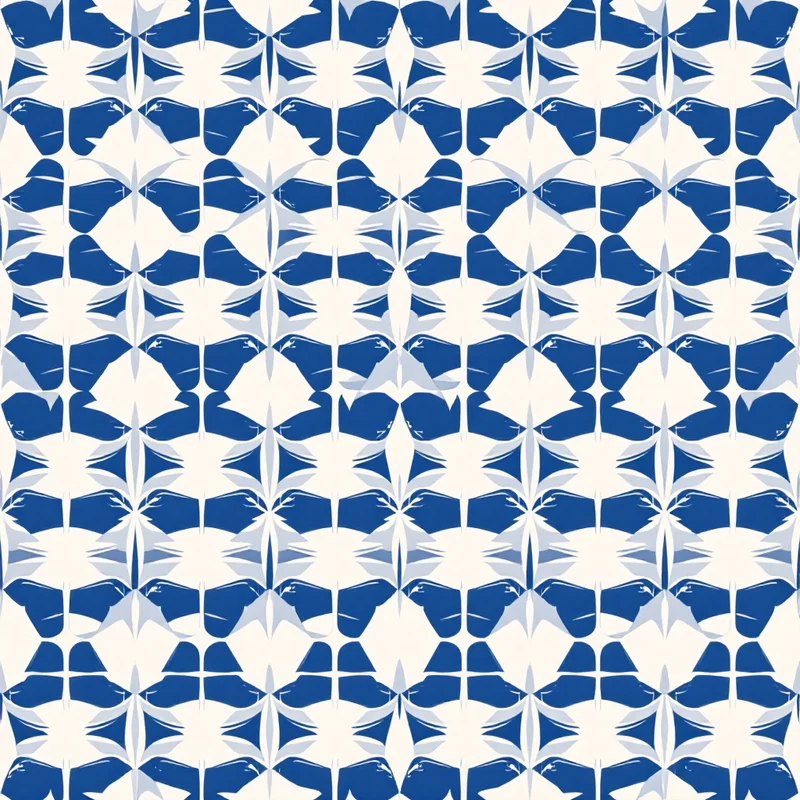
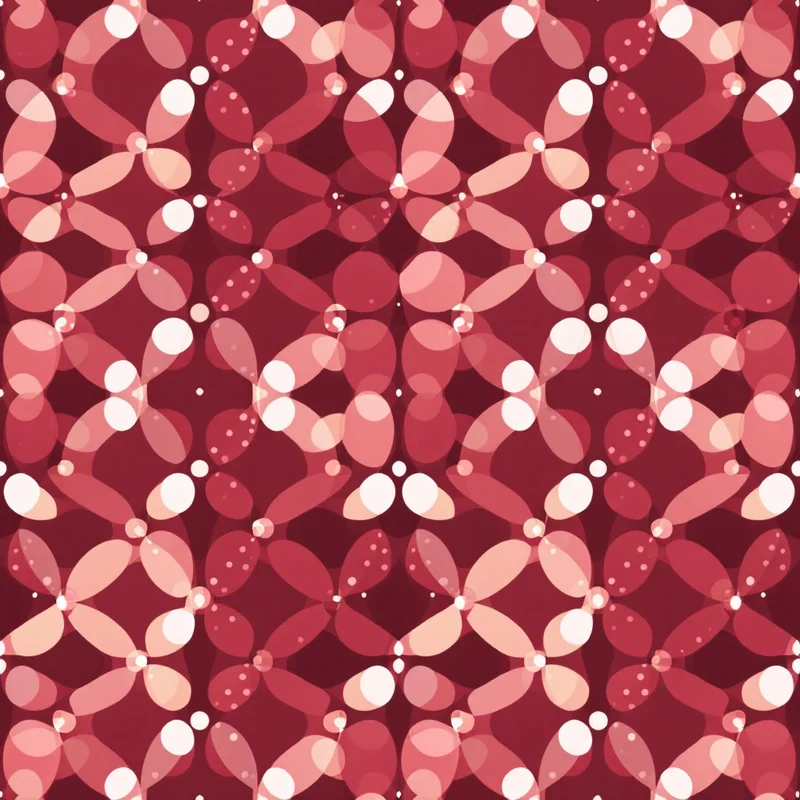
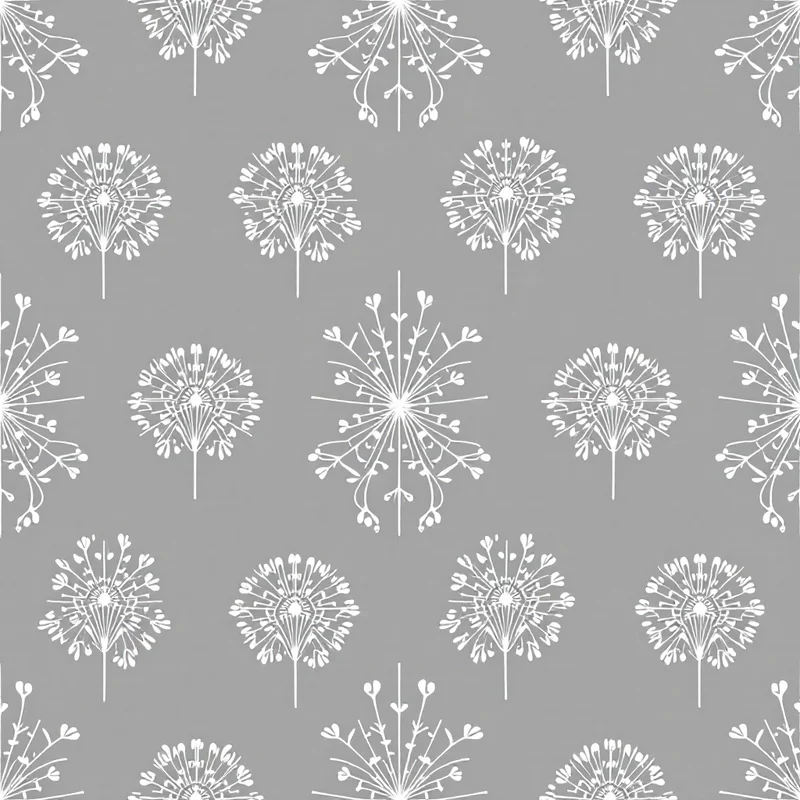
A clothing line is a set of garments released under a name. A clothing brand is a point of view — usually anchored by recognizable textile pattern design — that people recognize before they read the label. If the goal is to build a clothing brand that outlives its first drop, the work starts long before the first sample is sewn. It starts with decisions about who the brand speaks to, what visual language it owns, and how the math has to work to survive a second season.
This guide is for indie designers launching a first label, makers scaling out of Etsy or craft markets, and print-on-demand sellers who want to graduate to a real catalog. It skips the encouragement and goes straight to the trade-offs.
Clothing Line vs. Clothing Brand: Why the Distinction Matters
A clothing line can be a one-off capsule. A brand has to deliver a consistent reading across every garment, photo, label, and post for years. The brand work is the part most first-time founders underestimate.
A clothing line answers: What am I making this season? A clothing brand answers: Why does anyone come back next season?
The brand layer is what lets a customer who bought a single shirt in 2024 know, at a glance, that the 2026 collection is from the same house. That recognition is built from repeated signals: silhouette, color, print, fabric weight, photography, tone of voice, and price.
Founders who skip the brand work end up with a catalog of disconnected drops that compete with every other catalog on Instagram. Founders who do the brand work end up with a customer who buys five times.
What Actually Makes a Clothing Brand Differentiated
Three things, usually in combination. None of them are "high quality" or "good design," which every brand on earth claims.
A point of view. A clear, defensible opinion about how clothes should look, feel, or function. Eckhaus Latta has a point of view about gender and gathering. Marimekko has a point of view about scale and color. Bode has a point of view about American craft and memory. The point of view is what makes the brand legible to outsiders.
A signature print or silhouette. Something visually ownable. Marimekko owns oversized florals. Liberty owns small-scale botanical Tana Lawns. Issey Miyake owns pleating. Acne owns the stovepipe trouser. If a customer can sketch the brand's signature in five seconds, the brand is doing this part right.
Audience clarity. A specific person the brand is for. "Women 25-45" is not a person. "A 33-year-old freelance illustrator in Lisbon who reads Apartamento and wears a uniform of wide trousers and oversized shirts" is a person. The narrower the better. Broad audiences are won by brands that already have a narrow audience that grew.
Everything else, fabric sourcing, factory choice, packaging, all matter, but they sit downstream of these three.
The Founding Decisions That Lock In Everything Else
Four decisions shape every future season. Make them deliberately or have them made by accident.
Target Customer
Write a real customer profile. Age, income, city, what they read, what they already wear, where they shop now, what they spend on a single garment, what they post about. If the profile is so specific it feels uncomfortable, it's working.
This profile determines the price tier, the photography, the fabric weight, the cut, and the channel. Get it wrong and every other decision will be slightly off.
Price Tier
Pick one and commit. The three viable tiers for a new brand:
- Accessible ($30-90 per garment): high volume, thin margin, requires scale to survive
- Mid-market ($90-220): the most contested tier, requires strong brand and clear differentiation
- Premium ($220-600+): low volume, fat margin, requires craft credibility and audience patience
Mixing tiers within one collection confuses customers and kills repeat purchase. A $40 t-shirt and a $480 jacket in the same drop reads as a brand with no identity.
Production Model
This decision is the one that breaks most first brands. Four pathways, in increasing order of capital and risk:
- 1Print-on-demand: Zero inventory, slow shipping, thin margins, limited fabric and silhouette options. Good for testing a print library or a single graphic concept. See the print-on-demand guide for the realistic ceiling.
- 2Small-batch (10-50 units per style): Made by a local sample room or small factory. Higher cost per unit, full control over fabric, allows real garment design. Most indie brands start here.
- 3Cut-and-sew with a factory (100-500 units per style): Real factory production, minimums per fabric, full pattern grading, requires a tech pack. Margin starts to work at this volume.
- 4Mill-direct or vertically integrated (1000+ units): Custom fabric development, custom prints printed at the mill, full creative control. The end-state goal for prints-led brands.
The pathway is a progression, not a choice. Most healthy brands start at level 1 or 2 and graduate to 3 within three to five years.
Distribution Channel
Pick the primary channel before designing the first garment. The channel changes everything about how the product needs to look and feel.
- Direct-to-consumer (own site): Highest margin, hardest traffic problem, requires content engine
- Etsy / marketplaces: Built-in traffic, fee drag, limited brand control
- Wholesale (boutiques): Volume and credibility, 50-60% off retail, long payment terms
- Pop-ups and markets: Real customer feedback, cash flow, brand storytelling, geographic limits
Most indie brands run two channels in year one (usually DTC plus markets) and add a third by year three. Trying to run all four from day one is the fastest way to bankruptcy.
Building the Visual Identity
The visual identity is the system that makes everything from a hangtag to a billboard read as the same brand. It has five components.
Logo. Two versions: a full wordmark for primary placements and a monogram or icon for hangtags, buttons, and care labels. Keep it simple enough to embroider at 1cm.
Typography. One display face for headlines and one workhorse face for body text and labels. Resist the urge to use three or more. Most legendary fashion brands run on two faces and have done so for decades.
Color palette. Three to five core colors that recur across every collection. Seasonal accents change; the core palette doesn't. Pantone references for production, hex for digital.
Photography style. Decide before the first shoot whether the brand lives in natural light, studio white, on-location editorial, or stylized still life. Switching every season makes the feed look like a stock library.
Print and pattern language. Possibly the most underused identity tool for new brands. A signature print across multiple drops does more for recognition than a logo ever will. More on this below.
The visual identity should be documented in a one-page brand guideline before any garment is designed. If it isn't, every contractor, every photographer, and every factory will make small decisions that erode the brand.
Prints as Brand Identity: The Marimekko Lesson
Marimekko was founded in 1951 and is still recognizable from across a room because of one decision: oversized, bold prints owned at the brand level, not the season level. Liberty has done the same thing for over a century with small-scale florals. Pucci with psychedelic kaleidoscopes. Missoni with chevron knits. Vera Bradley with quilted paisleys.
The pattern becomes the brand. Every season the prints change, but the print language doesn't.
For a new brand, this is the single highest-leverage identity move. Logos take a decade to mean anything. A signature print can be recognized after two collections.
The print language has four levers:
- Scale: Tiny ditsy, mid-scale repeat, oversized hero. Pick one and own it.
- Subject: Botanical, geometric, cultural reference, abstract, figurative. Pick a category.
- Color treatment: High-contrast brights, washed pastels, tonal monochrome, jewel tones, earth tones.
- Drawing style: Hand-painted, linework, flat vector, photoreal, woodblock. The drawing style is often the most recognizable signal.
A brand that lands all four levers consistently will have a customer recognize a single sleeve in someone else's mirror selfie. That's the goal.
Custom print development used to be the slowest part of building a prints-led brand. Designing a full print library by hand took months per collection, and licensing existing prints meant the brand was sharing its identity with anyone else who licensed the same archive. An AI pattern generator collapses that timeline by letting a single designer compile a season's worth of print options in days, then refine the best ones into final artwork. The right approach is documented in the fashion print design guide and the broader textile design workflow.
The signature print is then carried across collections, with seasonal variants in colorway, scale, or motif. The customer learns the print language the same way they learn a logo.
Production Pathways in Detail
Most founder anxiety is about production. Most founder mistakes are about production. Here is the realistic progression.
Year One: Print-on-Demand or Small-Batch
POD is fine for testing a single graphic, a slogan tee, or a small capsule. It is not fine as the long-term production model for a brand because the margins are structurally too thin to support marketing spend. The path off POD is the second the brand has a customer list of 200+ and any single style sells through more than 30 units.
Small-batch (10-50 units) made by a local sample room is the more durable starting point. Cost per unit is high, but full control over fabric, fit, and finish builds the brand credibility that pure POD cannot. See custom fabric production options for the routes that don't require a mill relationship.
Year Two to Three: Cut-and-Sew Factory Production
Move to 100-500 units per style once a single style has proven repeat demand. This is the point where margins start to work and where the brand can actually grow. Cut-and-sew requires a real tech pack, grade rules, fit samples, and a willingness to commit cash 60-90 days before the season hits.
This is also the stage where most brands fail. The cash flow gap between paying the factory and selling through is brutal. Plan for 4-6 months of working capital tied up in inventory.
Year Three and Beyond: Mill-Direct and Custom Fabric
At sufficient volume (typically 1000+ units of a single fabric quality), the brand can develop custom fabrics with a mill. This is where prints-led brands take ownership of their print language by printing direct-to-mill on signature base cloths. It is also where the brand becomes properly defensible against copycats, because the fabric itself becomes part of the IP. The textile designer role at this stage shifts from making prints to commissioning fabric.
Selling Channels and What They Actually Demand
Each channel has a cost that isn't on the invoice.
DTC (own site): Margin is highest, but the channel demands constant content. Plan for two posts a day, weekly email, and quarterly campaigns. No content engine means no traffic, no traffic means no sales, regardless of how good the product is.
Etsy and marketplaces: Traffic is the trade. The brand gets visibility in exchange for fees (6-12% all-in) and a flattened brand presentation. Useful for the first 12 months while building a list. Not a long-term home for a brand with ambitions.
Wholesale (boutiques, department stores): Revenue is volume, not margin. Standard wholesale is 50% off retail, meaning the brand has to manufacture at less than 25% of retail to survive. Wholesale also demands consistent in-stock, line sheets, and showroom presence. The trade is credibility: stocking at the right ten boutiques is worth more than a million Instagram impressions.
Pop-ups, markets, and trunk shows: Cash, customer conversations, and brand storytelling, in exchange for time. Every founder should run at least one pop-up a quarter for the first two years. Hearing a real human explain why they almost bought something is more valuable than any analytics dashboard.
The realistic mix for a year-three indie brand: 60% DTC, 25% wholesale, 15% pop-ups and events. The mix shifts toward DTC as the audience grows.
Content and Community: The Growth Engine
Paid acquisition for new clothing brands is structurally broken. CACs on Meta have tripled since 2022, and a brand with sub-50% gross margin cannot pay $40 to acquire a customer who spends $80 once.
The replacement is content and community. Three pillars:
Process content. Show the work. Fabric sourcing, sketching, sample fits, mistakes, factory visits, the rejected prints. This is the content that converts followers into customers because it builds belief in the craft.
Wearer content. Real customers in real lives, not models in studio. UGC is the second highest-converting content type for fashion brands, behind only founder-led process content.
Editorial content. A point of view on the wider culture. Long captions, occasional essays, references to other designers, opinions about color trends. This is what makes the brand feel like a brand and not a Shopify catalog. The surface pattern design and fashion print design categories are recurring topics for prints-led brands.
The community layer is whatever container brings repeat customers together: a newsletter with a real voice, a Discord, an in-person launch, a customer-only sample sale. The container matters less than the consistency.
The Brutal Economics
Honest numbers for a small indie brand in year one.
A garment that retails at $120 typically costs $25-35 to produce at small-batch volume. That sounds like a 70% gross margin. It isn't.
Out of $120 retail, after platform fees, shipping, returns (15-25% in apparel), packaging, marketing spend, and the production cost itself, the actual contribution margin is usually $30-50 per unit. To net $50,000 of profit in year one, the brand needs to sell roughly 1,200-1,800 units. That is 100-150 units per month, every month, with no marketing budget eating it.
Most year-one brands sell 200-500 units total. They survive because the founder isn't paying themselves, the studio is a spare bedroom, and the marketing is unpaid social. This is fine. It is also why year two is the inflection point: either the unit economics start to work or the brand becomes a tax loss.
The single highest-leverage move for year-two economics is raising average order value. Bundles, sets, and complementary garments at checkout move AOV from $80 to $130 without any new customer acquisition cost. The second is raising repeat rate, which is a function of email, product cadence, and how strong the brand identity actually is.
What to Build First
If a designer is at the starting line right now, the realistic order of operations:
- 1Write the customer profile and price tier on paper. Both must be specific.
- 2Develop the signature print language. Three to five prints that share a clear visual logic. Use a seamless pattern maker or fabric pattern generator to compress the timeline.
- 3Design three to five core silhouettes that carry the prints. A dress, a shirt, a trouser, an accessory. Not twenty styles. Five.
- 4Source small-batch production locally. Pay for a sample maker before paying for inventory.
- 5Build the visual identity around the prints, not around a logo.
- 6Launch on a single channel. DTC plus a monthly pop-up is enough.
- 7Show process from day one. The audience is built before the first sale.
- 8Track repeat rate from sale one. If it's under 20% after six months, the brand identity is not working yet.
The full clothing design and how to design clothing patterns guides cover the garment-construction side. The brand side is the work most founders skip and most healthy brands win on.
Closing Honesty
Most clothing brands fail in year two because the founder confused activity for progress. Posting daily, sampling constantly, launching every six weeks: none of that is the brand. The brand is the point of view, the print language, the customer who comes back, and the unit economics that survive a slow month.
The brands that last are usually the ones that did less, more consistently, with a clearer opinion. Pick the opinion. Build the print language that carries it. Let the rest compound.
Explore related pattern styles
Patterns for