Textile Pattern Design: From Concept to Print-Ready Repeat
Build seamless repeats that survive the print process — motif, repeat, scale, colorway, and production specs handled in one workflow. Export print-ready files that mills, POD platforms, and small-batch studios actually accept.
3 free credits — no credit card required
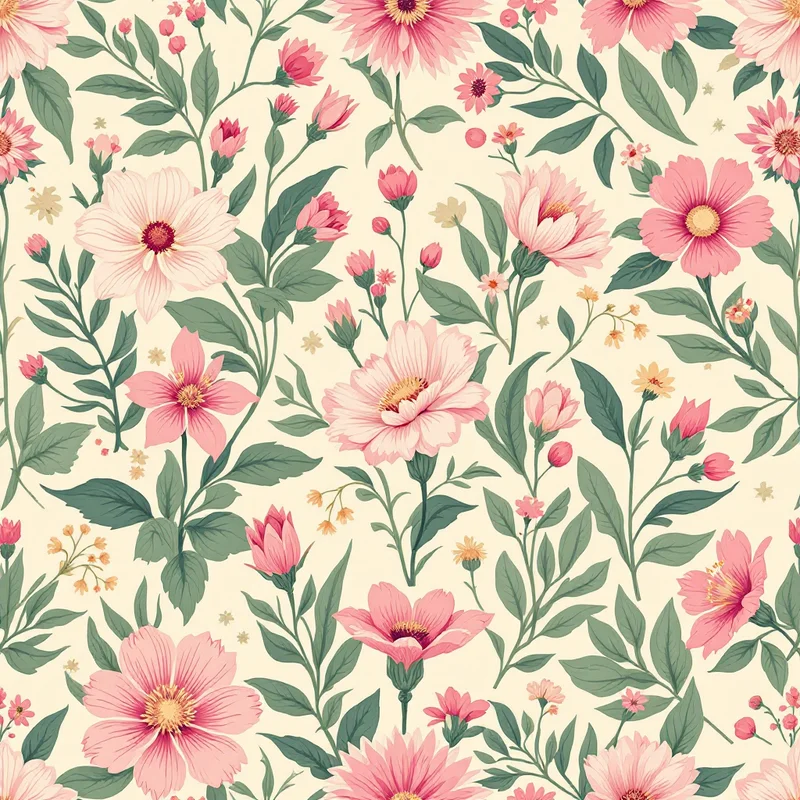
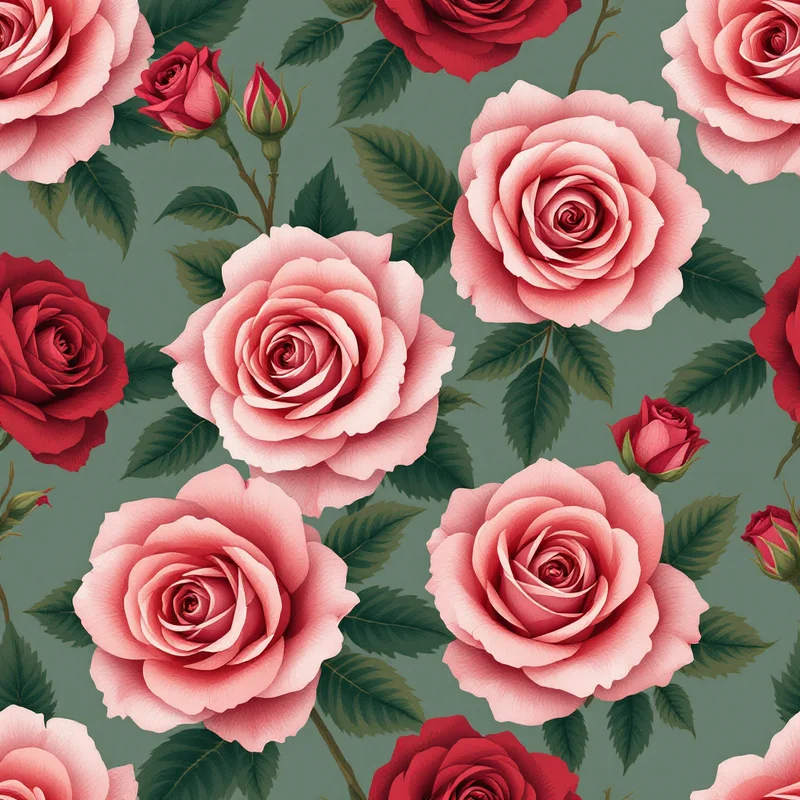
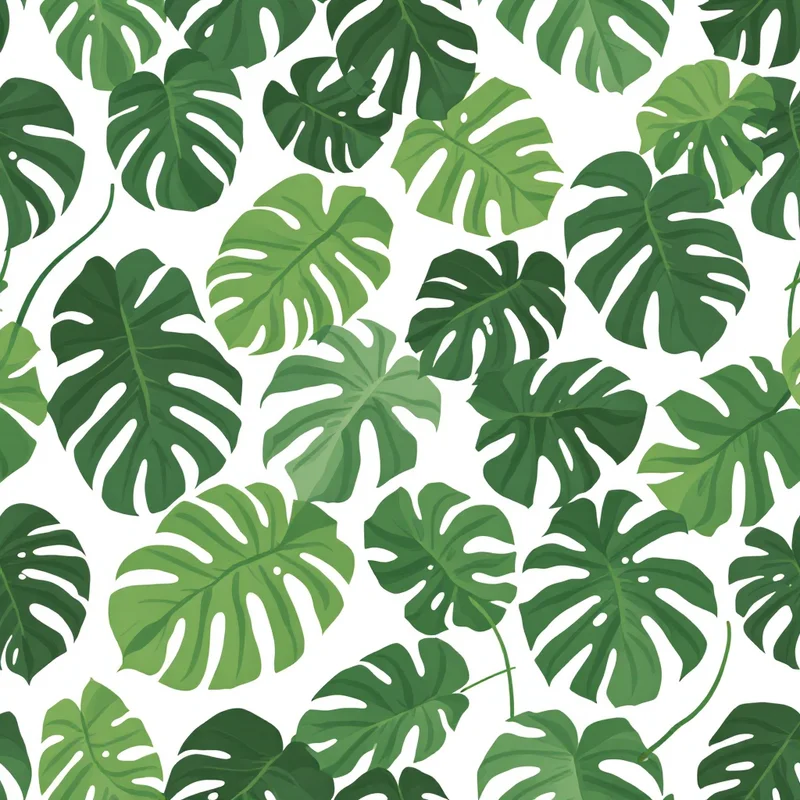
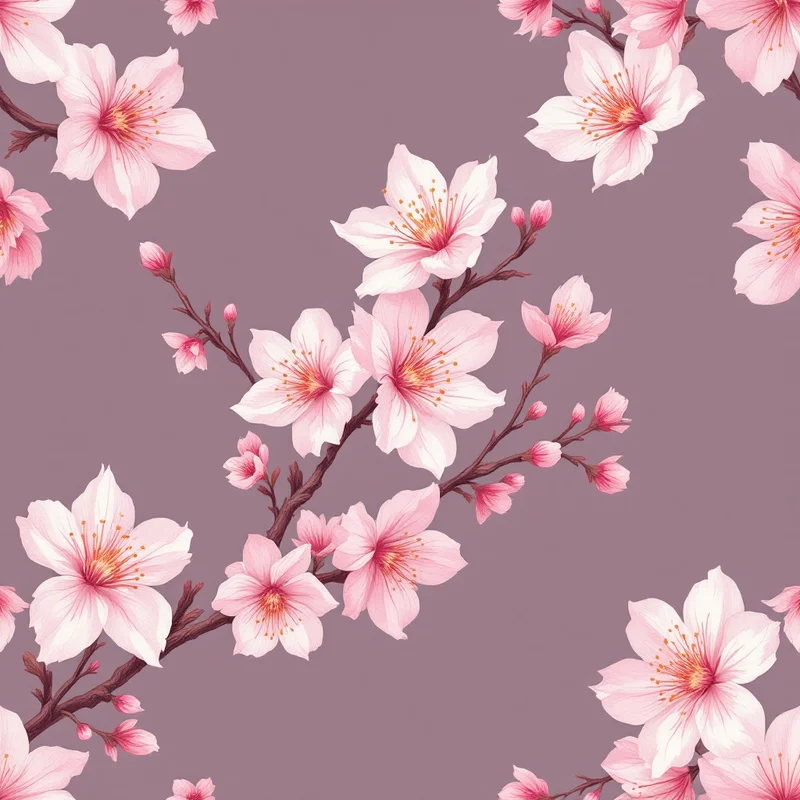
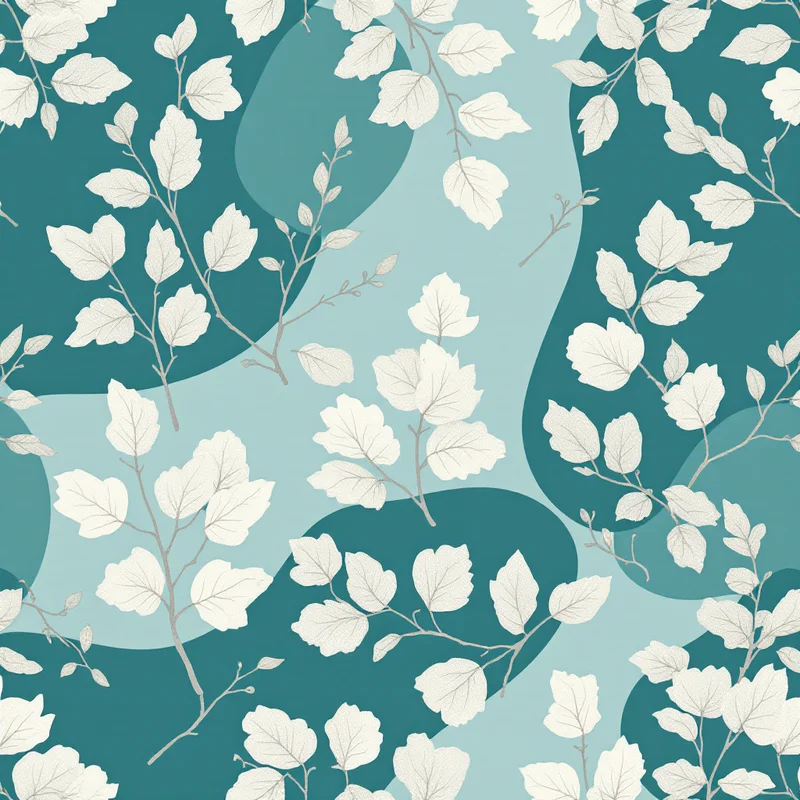
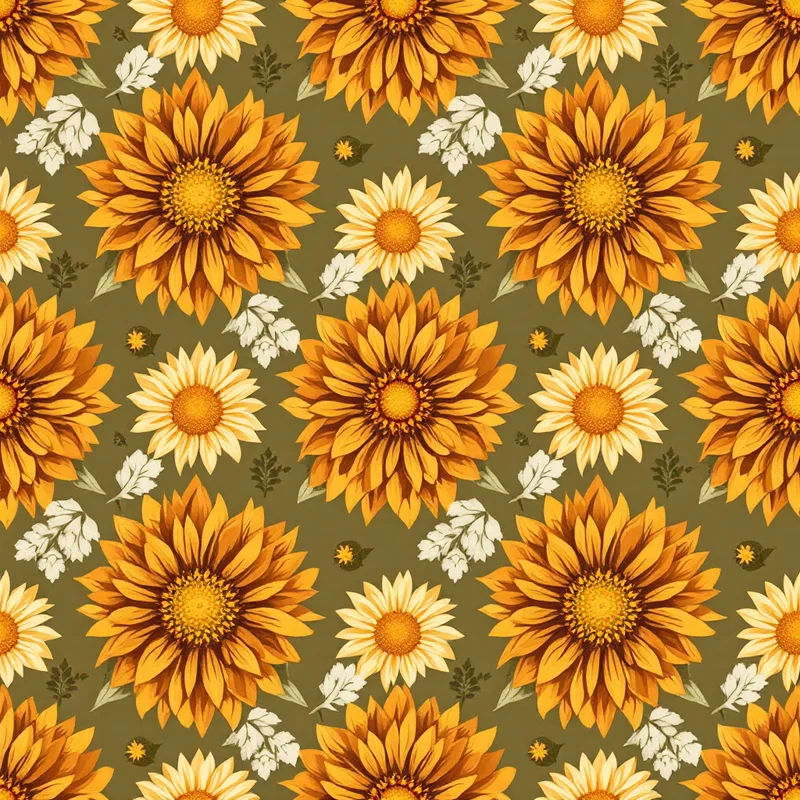
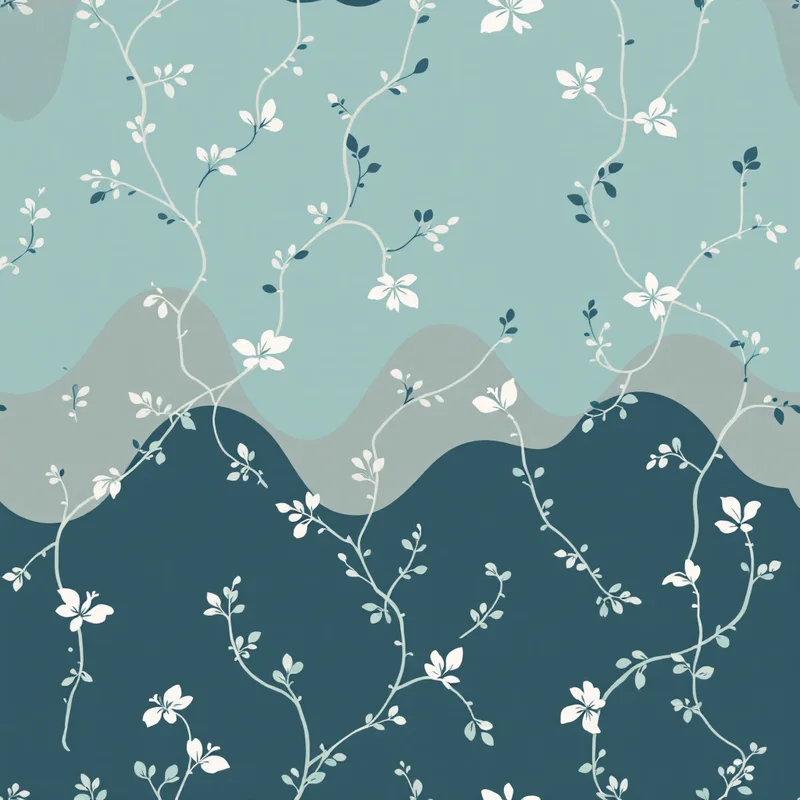
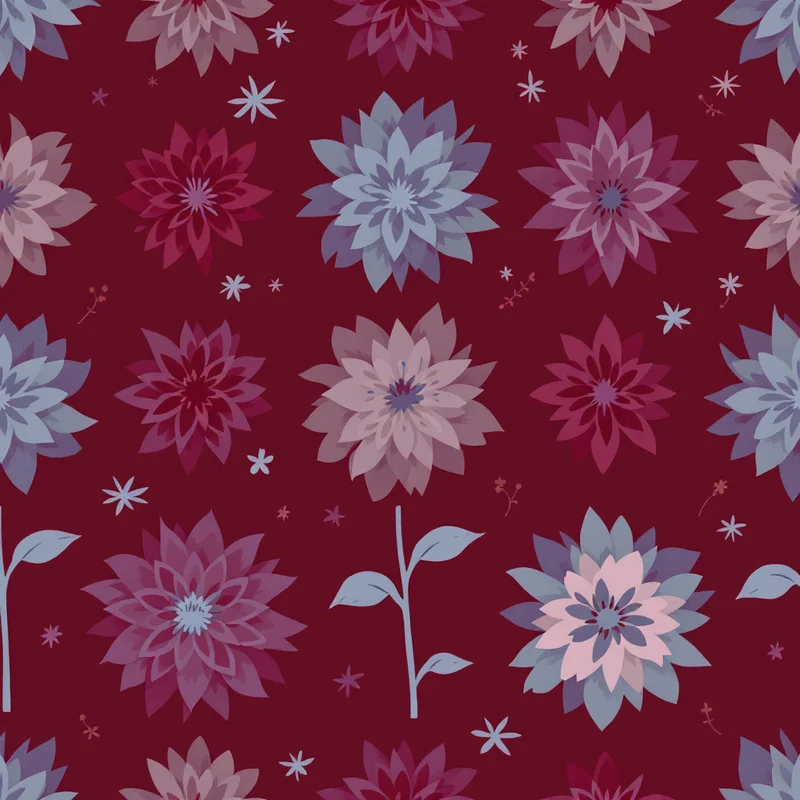
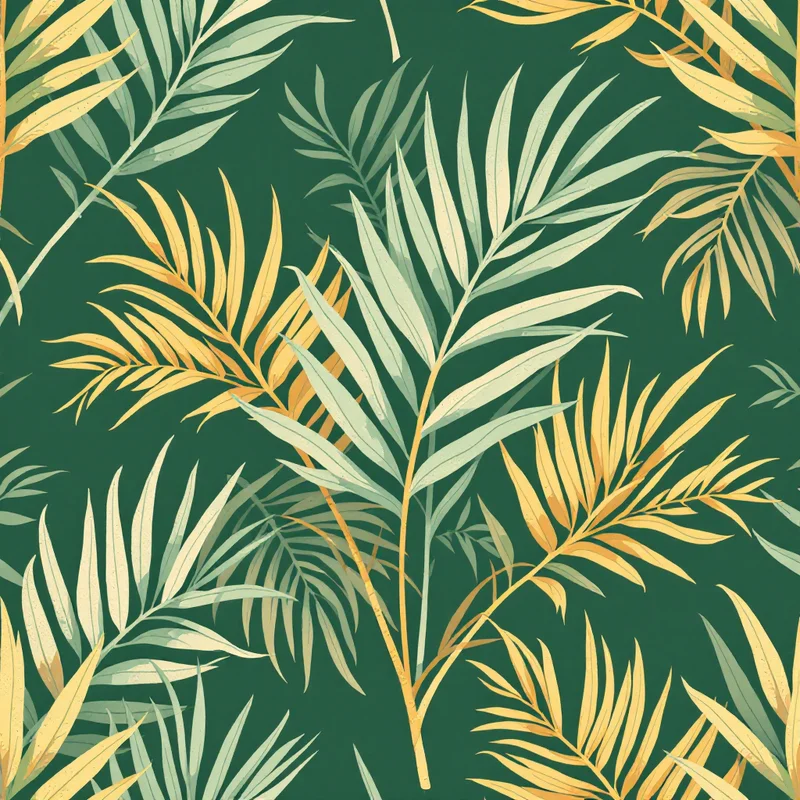
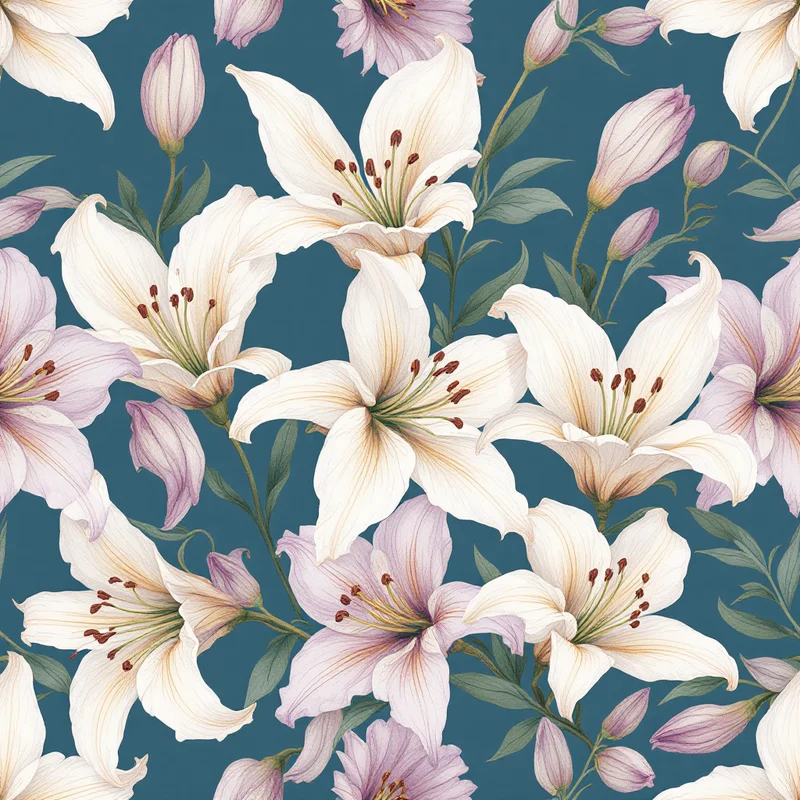
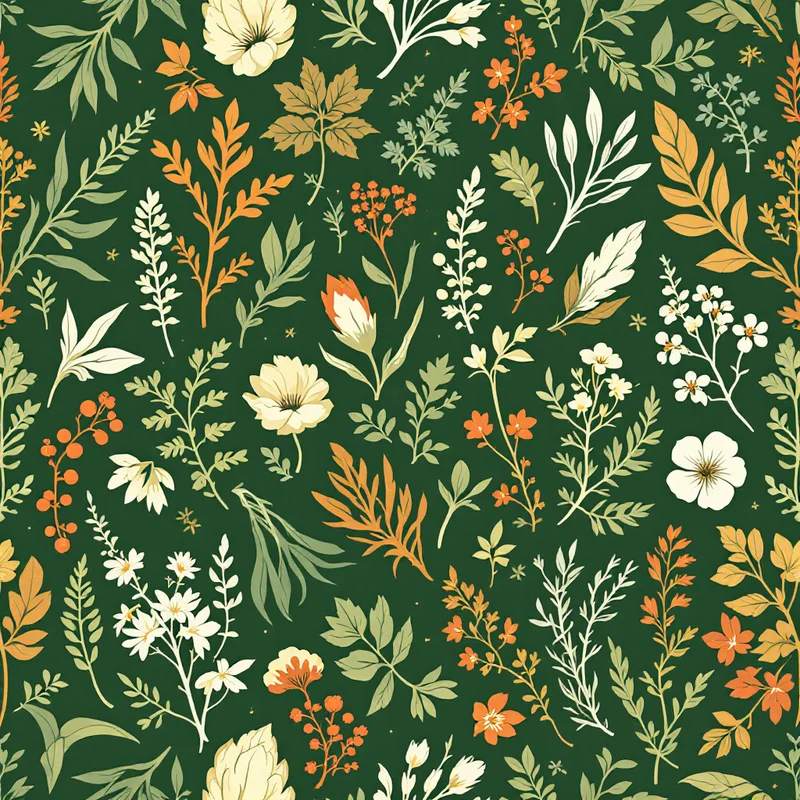
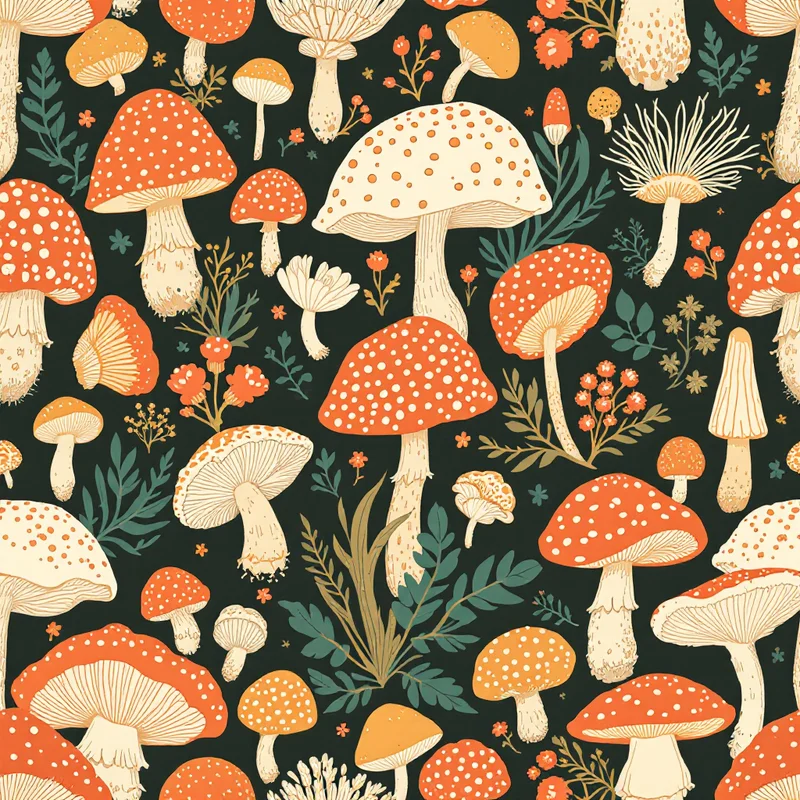
What this craft actually is
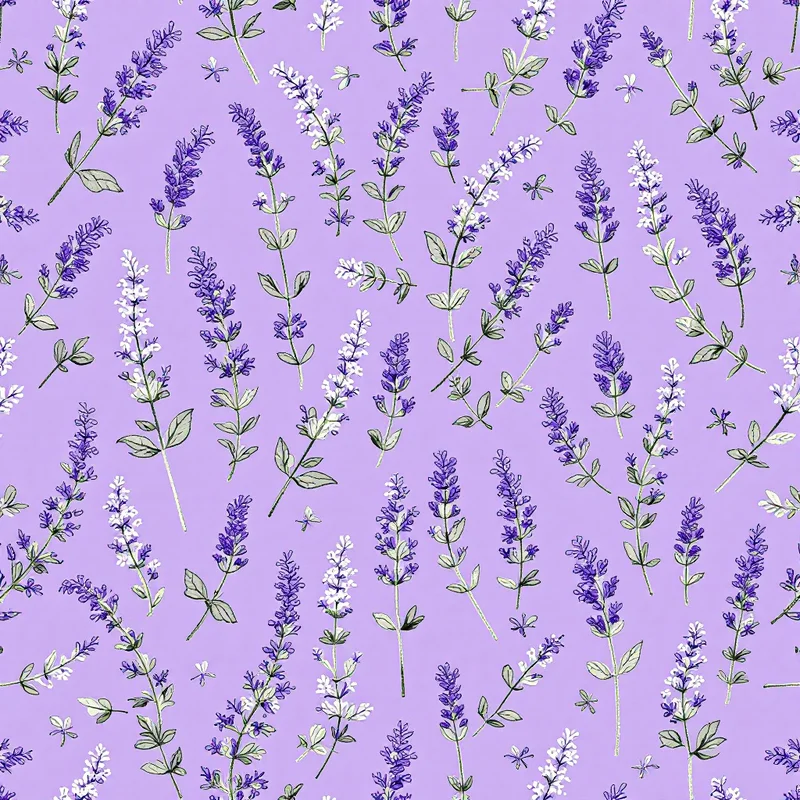
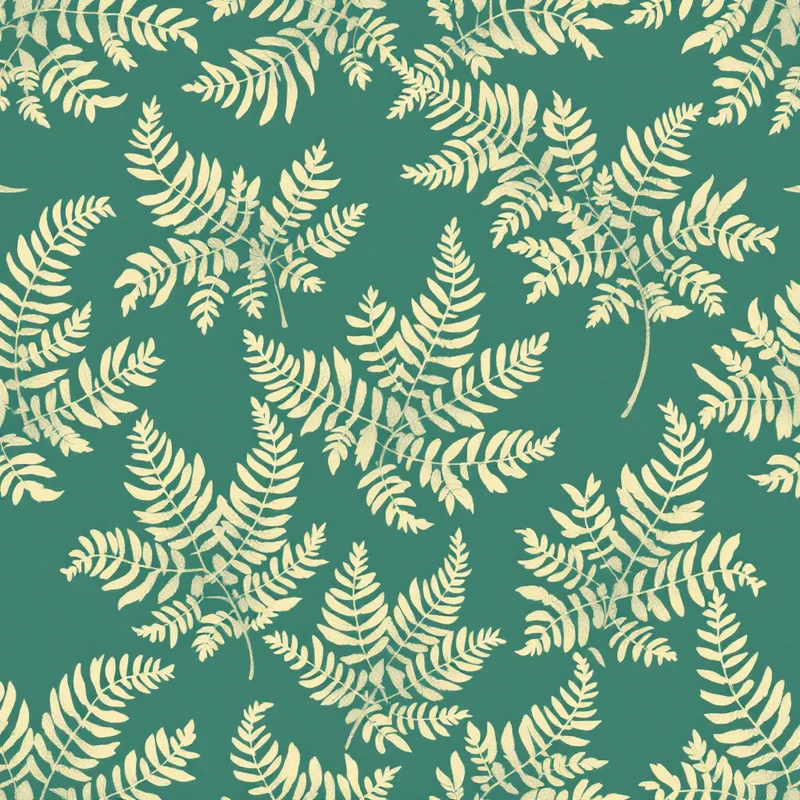
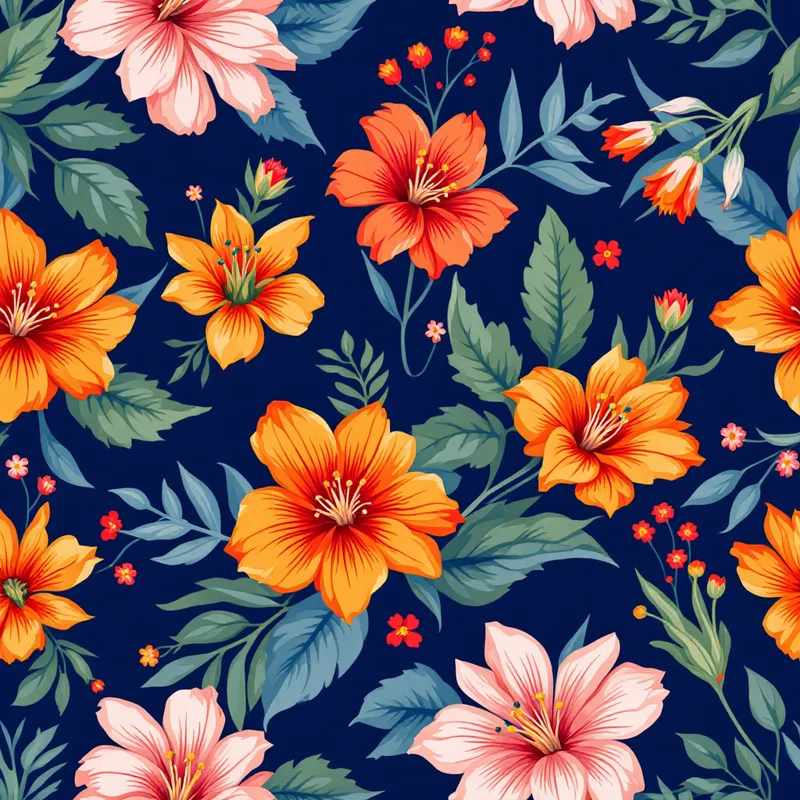
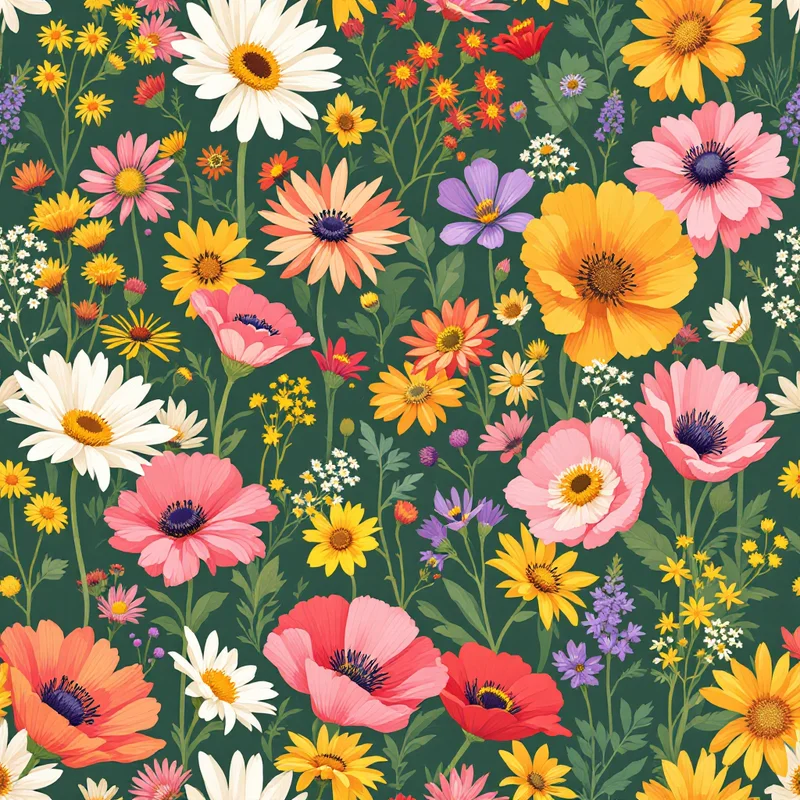
Textile pattern design is the craft of building a single artwork that tiles seamlessly across yardage — the repeating image that runs the length of a bolt, a roll of fabric, or a printed garment panel. It sits inside the broader textile design discipline but is more specific: it is concerned with motif, repeat structure, scale, colorway, and the file specifications a printer needs to put your work on cloth. A weaver designs the cloth itself; a pattern designer designs what gets printed onto it. The distinction matters because the technical demands and the buyer audience are different.
The audience for these repeating prints is wide. Apparel labels need original prints to differentiate from generic fabric. Home goods brands need patterns for bedding, upholstery, curtains, and table linens. Stationery, gift wrap, packaging, wallpaper, and accessories all consume textile-style patterns. The technical demands across these end uses overlap heavily — a true seamless tile, a palette that converts cleanly to CMYK, and a resolution high enough for the print bed in question. Learning the craft once unlocks every one of these end markets.
Pattern Weaver is built to compress the part of the process that has historically been the slowest: producing a clean, print-ready repeat from a creative brief. The Pattern DNA compiler reads your motif choice, palette, scale, density, and repeat structure and produces a seamless tile in seconds. You stay in control of every creative decision; the tool handles edge-matching, resolution, color-space conversion, and file packaging. The result is more time on the design direction and less time fixing seams in a drawing app.
The anatomy of a fabric print
Motif — what is actually depicted
The motif is the unit of imagery that repeats: a flower, a paisley, a geometric figure, an abstract shape. Strong textile patterns start with a clearly defined motif vocabulary — what is in, what is out, and how the motifs relate to each other on the tile. Pattern Weaver treats motif as a first-class field so the same brief produces a coherent collection rather than scattered one-offs.
Repeat structure — how the motif tiles
Straight repeat is the simplest grid. Half-drop offsets each column by half a tile and is the most common in commercial fabric. Brick repeats offset rows instead. Mirror flips alternate tiles. Tossed (or random) arrangements scatter motifs to disguise the repeat entirely. The choice changes how the eye reads the fabric on a body or wall, so it is rarely a neutral decision.
Scale — the size of the repeat
Scale is measured in inches or centimeters across one full tile. Small-scale ditsy prints (1–3 in) read as texture from across a room. Mid-scale prints (4–8 in) are the workhorse for apparel. Large-scale prints (12 in and up) become statement pieces on dresses, curtains, and upholstery. The same motif at three scales reads as three different fabrics, so scale is part of the design, not an afterthought.
Colorway — palette variations of one design
A textile pattern usually ships in two to six colorways: the original, a neutral, a darker version, a brighter version, and one or two seasonal alternates. Buyers expect to see the same artwork in coordinated palettes so they can build a collection or a season range. Pattern Weaver generates colorways from a single source design without redrawing the motif by hand.
How it works
Pick the design direction
Browse 600+ substyles. Pick a palette, scale, density, and render method that matches what you are creating.
Generate the seamless tile
Pattern Weaver produces a production-ready seamless tile in seconds. Iterate until the design matches your vision.
Export production-ready
TIFF in CMYK with embedded ICC profile (GRACoL, FOGRA39, SWOP). Optional bleed for cut-and-sew. 8K resolution.
Where these designs end up
Apparel — womenswear, menswear, kids
Dresses, blouses, shirting, kidswear, loungewear. Mid-scale florals, ditsy prints, geometrics, and abstract repeats printed on cotton, viscose, silk, and synthetic blends. The largest end market by volume.
Home textiles — bedding and linens
Duvet covers, sheets, pillowcases, tablecloths, napkins. Larger-scale repeats designed to read across a flat surface rather than wrap a body. Palettes that hold up to repeat laundering.
Upholstery and soft furnishings
Cushions, ottomans, headboards, curtains, drapery. Heavier motif weight, palettes that hold up under sun exposure, and repeats sized for visible furniture surfaces rather than draped fabric.
Wallpaper and wall coverings
Repeating patterns for residential and commercial walls. Larger tiles, careful attention to vertical repeat measurement, and motif scale that reads from across the room rather than at arm's length.
Stationery, gift wrap, and packaging
The same seamless repeat that prints on fabric also prints on paper. Gift wrap, journal covers, packaging panels, and tissue inserts use textile-style patterns at smaller print resolutions and shorter run sizes.
Accessories — scarves, bags, swim
Silk scarves, tote bags, swim panels, and headwear all consume seamless textile patterns. Each surface has its own scale and palette conventions, but the underlying repeat is the same artwork built once and reused.
Related Pattern Weaver tools
Textile design
The broader textile design discipline — fiber, weave, knit, and print as a whole field.
Surface pattern design
The industry around licensing repeating patterns across textiles, paper, and home goods.
Fabric pattern generator
The generator workflow for producing fabric-ready repeats from a short creative brief.
Seamless pattern maker
Tile construction details — how Pattern Weaver builds a true seamless repeat at any scale.
Questions answered
What is textile pattern design?+
What is the difference between textile design and textile pattern design?+
Which repeat structure should I use for a fabric pattern?+
What file format do textile printers want?+
Can I sell these designs commercially with Pattern Weaver?+
How high can I export a finished tile in Pattern Weaver?+
This site uses cookies to ensure you get the best experience. Learn more