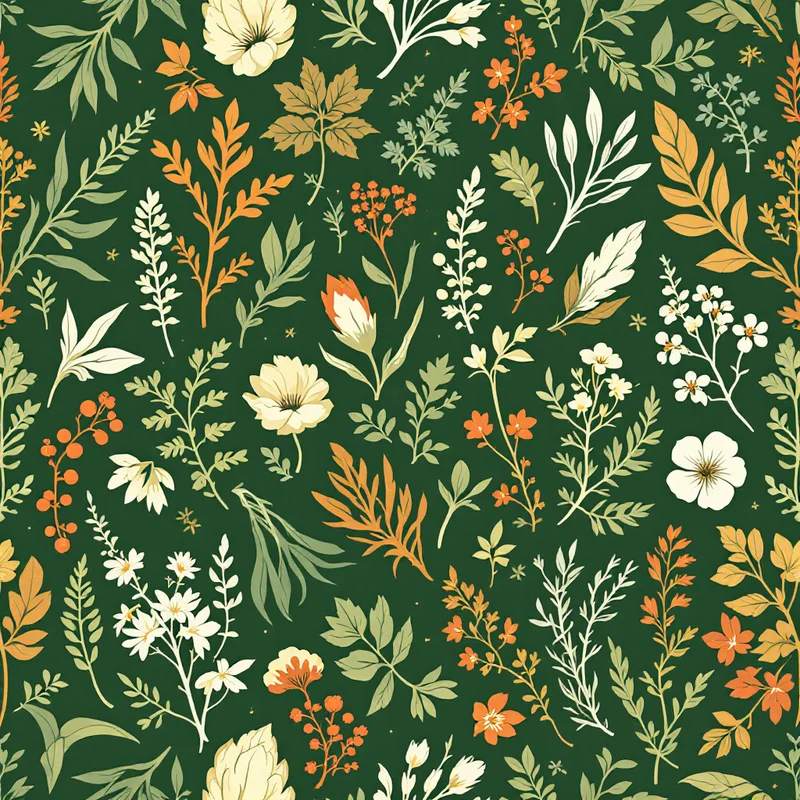
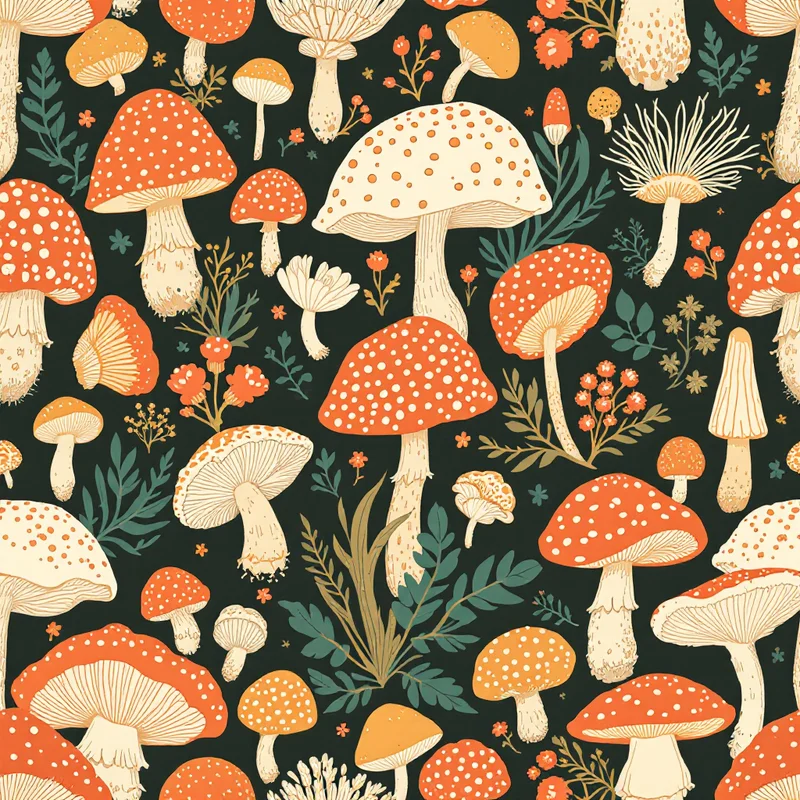
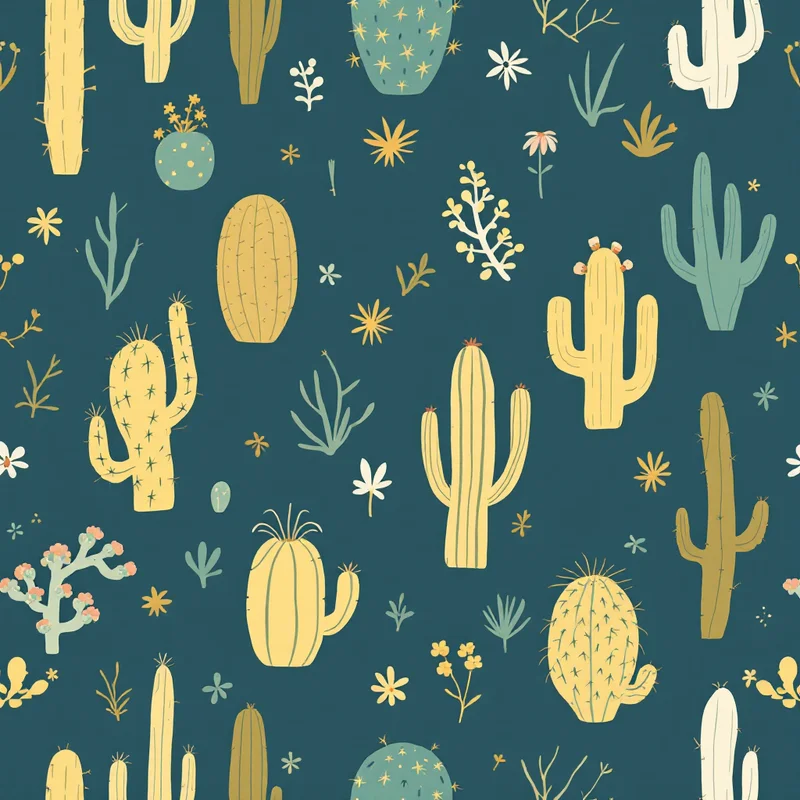
Custom clothing fabric used to mean a mill, a minimum order of 500 to 3,000 yards per colorway, a six-month lead time, and a wire transfer most indie makers cannot stomach. That gate has quietly come down. A small fashion brand or solo designer can now produce custom clothing fabric in one-yard quantities, get it shipped in two weeks, and turn it into garments the same month — without ever speaking to a textile mill.
This guide is the practical walkthrough on how to make custom clothing fabric without a mill in 2026. It covers which print-on-demand fabric platforms actually work for apparel, how to prepare files specifically for them — including Spoonflower-ready fabric patterns — which fabric bases hold up as garments, what it really costs per yard, and how to manage color expectations between your screen and the printed cloth. The goal is that by the last paragraph, a reader could start a custom run this week.
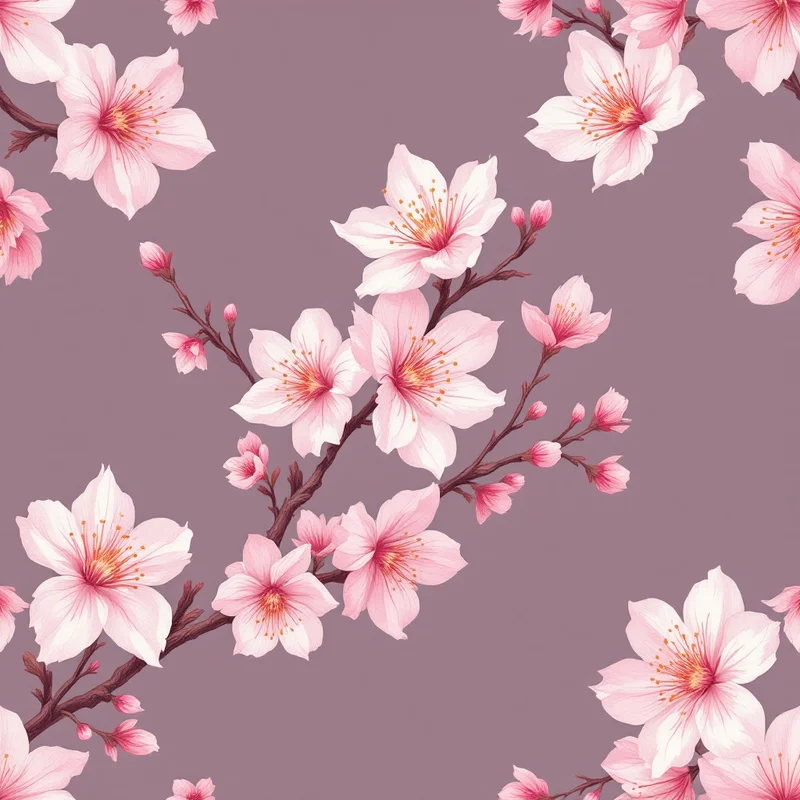
Why You Do Not Need a Mill
A traditional textile mill is built around volume. The economics of rotary screen printing, weaving, or knitting a custom run only work above a certain quantity. The minimums vary by process, but the practical floor for a real mill is somewhere between 500 and 3,000 yards per design, per colorway. Some specialty digital mills will go lower, to 100 or 150 yards, but they remain wholesale-oriented.
For an indie maker producing 20 dresses, that is not a starting point — it is a wall.
What mills require that small operations cannot meet:
- Minimum order quantities in the hundreds of yards per design
- Color separation and strike-off rounds that add weeks and cost hundreds of dollars before any production fabric is made
- Wholesale account approval, which usually requires a business license, references, and sometimes a deposit
- Lead times of 60 to 120 days from approved artwork to delivered yardage
- Forecasting that is mostly guesswork for a brand that has not yet sold a single garment
The print-on-demand fabric ecosystem exists to solve exactly this problem. It does not replace mills for scaled production — it replaces them for the stages before scaled production exists: testing concepts, producing sample garments, fulfilling small drops, and serving made-to-order businesses where every cut is already sold.
The Print-on-Demand Fabric Ecosystem in 2026
The platforms below all use digital textile printing — either reactive dye (for cellulosics like cotton and linen) or dye sublimation (for polyester). The print is applied directly to ready-made base cloth, then steamed, washed, and finished. No screens, no minimums, no strike-offs.
Spoonflower
The most established platform and the broadest fabric range. Roughly 25 base fabrics including organic cotton sateen, cotton lawn (a natural home for calico patterns at small-scale repeat), linen-cotton canvas, performance knits, modal jersey, silk crepe, and several upholstery weights. Reactive printing on naturals, sublimation on synthetics. Minimum order is one yard (or a swatch test square). Turnaround is typically 7 to 14 business days. Pricing runs roughly $17 to $42 per yard depending on substrate. Strong color management and a public marketplace if you want to sell yardage as a side stream.
Contrado
UK-based with a US fulfillment arm. Around 100 base fabrics — the widest selection in the industry — including silks, technical sportswear knits, swimwear lycra, faux leather, and several stretch wovens that are difficult to find elsewhere. Minimum is half a meter. Turnaround 3 to 7 working days. Per-yard pricing is higher (roughly $25 to $60) but the fabric quality and range are the trade-off. Contrado also offers cut-and-sew services in-house, which matters for the workflow described later.
Bags of Love
UK-based, similar fabric range to Contrado with slightly different specialties (notably some heavier upholstery and curtain weights). Better for accessories and home textiles than apparel in most cases, but a few of their stretch knits work for activewear.
Woven (and similar boutique services)
A growing cluster of smaller custom textile design services aimed specifically at fashion designers, often offering pre-press color matching and a more curated base-fabric list. Pricing tends to be higher per yard but the support is closer to a traditional mill relationship. Useful when a print is going into a hero piece and the cost of a wrong yard is greater than the cost of a careful one.
Print All Over Me, Art of Where, and others
Several platforms blur the line between fabric and finished product — you upload artwork, they print and sew a specific garment. Useful for sampling a silhouette without buying yardage, but limiting if the design needs custom pattern pieces or fit adjustments.
A practical starting recommendation: open accounts at two platforms. Spoonflower for the cotton and linen side because their reactive print and natural-fiber range are mature, and Contrado for the synthetic, stretch, and silk side because nothing else covers that breadth at single-yard quantities.
Designing Fabric Print Files for These Platforms
The single most common reason a custom fabric print disappoints is that the file was prepared for a screen, not a printer. The fix is mechanical and takes one afternoon to learn properly.
File specifications
- Resolution: 150 DPI at final print size minimum, 300 DPI preferred. A 36-inch-wide repeat at 300 DPI is a 10,800-pixel-wide file. Plan disk space accordingly.
- Color mode: RGB for upload, not CMYK. Every major POD fabric platform uses RGB workflows internally and converts to their press profile. Uploading a CMYK file forces a double conversion that flattens color.
- Color space: sRGB. Adobe RGB and ProPhoto files will visibly shift on upload.
- File format: PNG or JPEG. TIFF is supported by some platforms but offers no quality advantage at this resolution. Use PNG if the design has transparency you want preserved as white; use JPEG (quality 90+) for everything else to keep file sizes manageable.
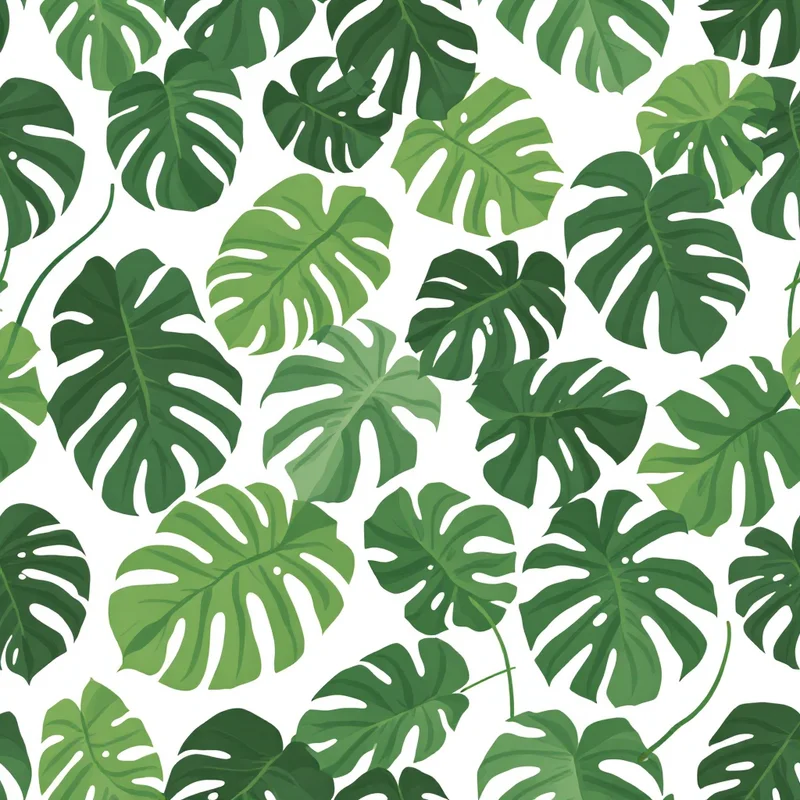
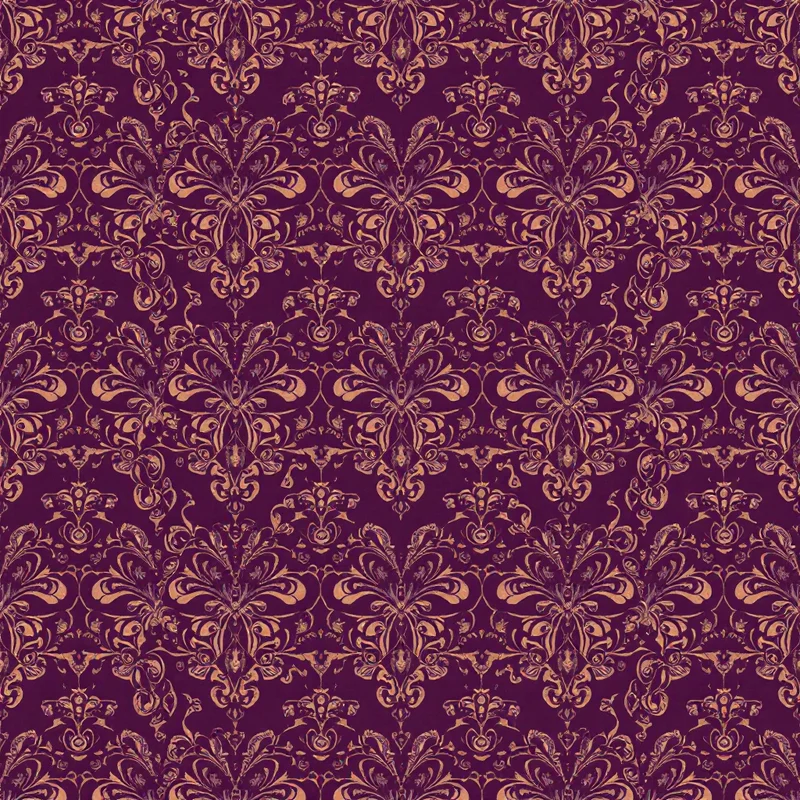
- Seamless tile: the file must be a true repeat. Most platforms will simply tile whatever you upload edge to edge. If the design has a visible seam, that seam will repeat across every yard. A good seamless pattern maker solves this at the generation stage so the tile is correct before it ever reaches the platform.
Bleed and safe zones
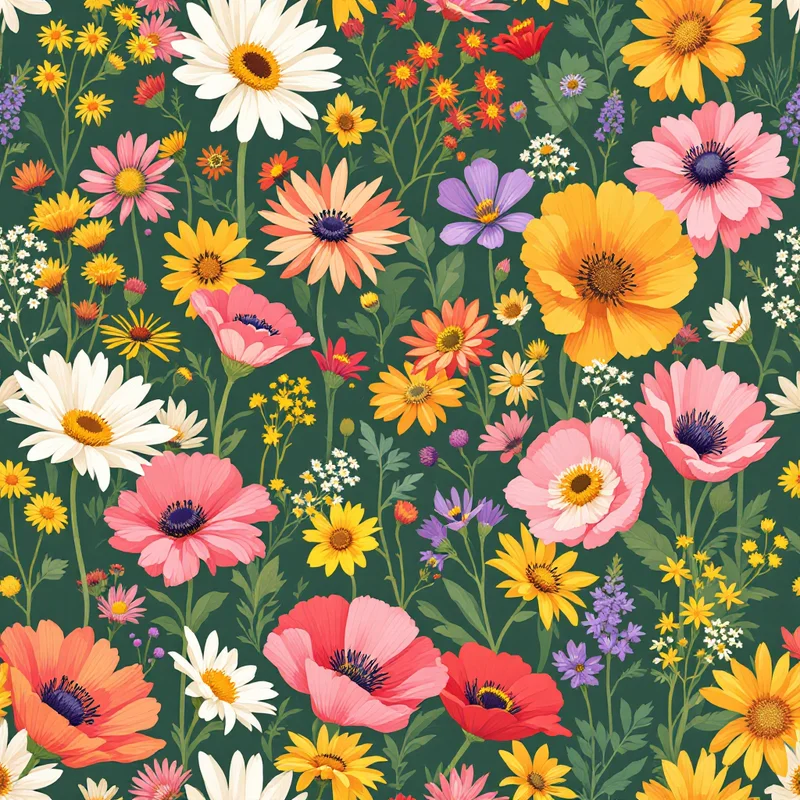
Unlike printing a poster, fabric printing has no bleed in the traditional sense — the design tiles infinitely. What matters more is how the repeat aligns when cut for garments. A small placement print can land badly on a chest panel if the repeat is awkwardly sized for the pattern piece. For all-over prints intended for cutting into garments, design repeats between 8 and 18 inches. Smaller repeats vanish into texture. Larger repeats leave large unprinted-looking gaps on small pattern pieces like sleeves and yokes.
Scale and apparel geometry
Garment pattern pieces are not rectangles. Sleeves taper, side panels curve, bodices have darts. A print that reads well as a flat swatch may look chaotic on a finished garment because the body breaks the repeat into fragments. Three habits help:
- 1Design at the scale the garment will use. A repeat that looks lush on a dress will look frantic on a baby tee.
- 2Avoid strong directional motifs unless the garment is cut accordingly. A clear top-and-bottom orientation forces every pattern piece to be cut the same direction, doubling fabric waste.
- 3Mock the print onto the garment before printing yardage. Most fashion CAD tools accept a JPEG and let you preview the print on a flat technical sketch. Even Photoshop with a free t-shirt mockup works.
A focused AI pattern generator that outputs true seamless tiles at apparel scale avoids most of these problems before they reach the platform.
Choosing the Right Fabric Base
The base fabric is where most small-batch garment projects succeed or fail. The print can be perfect — if the substrate is wrong for the silhouette, the garment will not sell.
Cotton
Cotton wovens (lawn, poplin, sateen, canvas) take reactive printing extremely well — colors are deep, hand is soft, and the fabric breathes. Best for shirts, blouses, summer dresses, and structured pieces. Limitations: cotton wrinkles, shrinks 3 to 5 percent on first wash (pre-wash all yardage before cutting), and has no stretch unless blended.
Cotton knits — jersey, interlock, French terry — also print well reactively but tend to print slightly softer in color than the same design on a woven, because knit loops scatter light differently than flat woven yarns.
Polyester
Polyester takes sublimation printing, which produces the brightest, most saturated, most photographic-looking color of any apparel printing process. Best for activewear, swimwear, lining, and any garment where vivid color matters more than natural-fiber hand. Limitations: polyester does not breathe like cotton, prints can look slightly plasticky on the wrong base, and the hand of cheap polyester is unforgiving.
A practical rule: sublimation on a quality performance knit or peachskin polyester looks expensive. Sublimation on a thin cheap polyester crepe looks like a costume.
Blends
Cotton-polyester blends, cotton-spandex, modal blends, viscose-linen — these compromise on print quality slightly but win on garment performance. A modal-spandex jersey will print less crisply than 100% cotton but will drape and recover better in a dress. For most apparel applications, a blend is the right answer; the print loses 5 to 10 percent of its punch and the garment gains a usable life.
Weight, drape, and hand
These are not the same property and beginners conflate them constantly.
- Weight is grams per square meter (GSM). Lightweight wovens are 80 to 130 GSM; mid-weight are 130 to 200; heavyweight are 200 plus. T-shirt knits run 150 to 220 GSM.
- Drape is how the fabric falls under its own weight. A heavy fabric can drape beautifully (silk crepe at 30mm) or stiffly (denim). Drape is a function of fiber, weave, and finish, not weight alone.
- Hand is how the fabric feels in the hand — soft, crisp, papery, slick, dry. Hand cannot be judged from a photo and rarely from a single swatch. Order swatch packs.
Spoonflower, Contrado, and most major platforms sell swatch packs containing small printed squares of every base fabric they offer for $20 to $35. Buy one before designing the collection, not after. The swatch pack will tell more about which base to use than any spec sheet.
The Cost Reality
Honest numbers for a small fashion brand budgeting a first run:
- Per-yard pricing ranges from $17 (Spoonflower cotton lawn) to $60+ (Contrado silk crepe or stretch swimwear). Most apparel-grade fabrics land between $24 and $38 per yard.
- Minimum orders are usually one yard, occasionally half a meter. Test yardage is sometimes available as smaller proof prints.
- Turnaround time ranges from 3 working days (Contrado UK) to 14 business days (Spoonflower US peak season). Plan for 3 weeks from upload to finished garment, including sewing.
- Shipping is non-trivial: international shipping on fabric is heavy and slow. Use a local platform when possible.
- Per-garment cost reality: a printed cotton sateen dress using 2.5 yards of fabric at $32 per yard plus $40 of sewing labor plus trims lands around $130 in cost. Retail at 2.2x markup is $290. This is the math of small-batch printed fashion. It works if the brand is positioned for it; it does not compete with $40 fast fashion.
Compare this with wholesale mill pricing of $4 to $9 per yard for a comparable digitally-printed cotton at 500-yard minimums, and the trade-off is clear. POD fabric is roughly 4x to 8x the wholesale per-yard cost, with zero minimum commitment. For a brand that has not yet validated demand, that trade-off is correct.
Testing a Print Before Committing to Yardage
The single most expensive mistake in custom clothing design is printing 10 yards of a design that needed one more revision. Three test stages avoid this.
Stage 1: The proof swatch
Most platforms offer an 8-by-8-inch or letter-sized test print of any design at a reduced price (typically $5 to $12). Order this on the exact base fabric the production yardage will use. The test swatch reveals scale, color, and how the repeat actually reads on cloth. Do not skip this even if the design has been printed before on a different base.
Stage 2: The yard proof
If the swatch reads correctly, order a single yard before the full run. Wash it once. Cut a small mock-up panel — a bodice front, a sleeve, a pocket. Check that the repeat sits well on the garment piece. Check that the colors hold after washing. Only then commit to production yardage.
Stage 3: The full run
Order all required yardage in a single batch if possible. Print batches printed weeks apart can shift slightly in color even on the same platform. For a small collection, one consolidated order is more consistent than three separate ones.
Color Matching Between Screen and Cloth
This is the single most realistic conversation for any indie fashion brand moving into custom fabric design for clothing. The color on screen will not exactly match the color on the printed fabric. It cannot. Screens emit light; fabric reflects it. A monitor renders sRGB across roughly 16.7 million colors; a reactive printer on cotton can reproduce a smaller gamut, often with a slight cool shift on neutrals and a slight warm shift on reds.
What can be managed:
- Calibrate the monitor. A hardware calibrator costs $150 and pays for itself on the first project.
- Soft-proof using platform color profiles where offered. Spoonflower publishes their ICC profile; loading it in Photoshop or Illustrator gives a much closer screen preview.
- Choose colors away from the gamut edges. Saturated electric cyan, fluorescent pink, and pure RGB lime are screen colors that fabric cannot fully reach. Move 10 to 15 percent toward muted equivalents and the print will land closer to the intent.
- Print a color test strip on the chosen base — a strip with key brand colors as solid squares — and use it as the physical color reference for future designs.
Plan for one minor color iteration on every new design. Build it into the timeline. Designers who insist on screen-exact color and refuse to iterate are designers who never ship.
Practical Case Study: Concept to Small-Batch Line
A concrete walkthrough. The brand is a one-person operation producing 30 dresses for a summer drop.
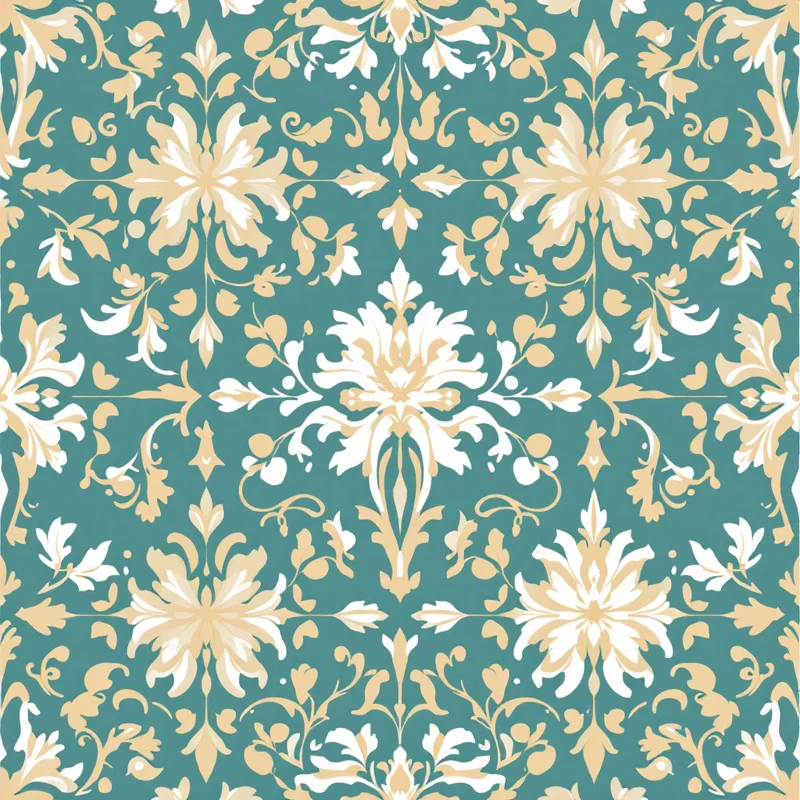
Week 1 — Concept and design. Three print directions are sketched: a botanical floral, a small geometric, and a paisley. Each is built as a true seamless 18-inch repeat using a fabric pattern generator and exported at 300 DPI in sRGB. Total design time: 2 days.
Week 2 — Swatch testing. All three prints ordered as 8-inch test swatches on cotton sateen via Spoonflower. Cost: roughly $35. Swatches arrive on day 10. Two prints look as intended; the paisley reads too small and is rescaled.
Week 3 — Yard proofs. One yard of each finalist print ordered. Cost: roughly $70. Yardage arrives on day 18. Mock bodice panels confirm the repeat works on the dress pattern.
Week 4-5 — Production yardage. 25 yards of the winning print ordered. Cost: roughly $700. Yardage arrives on day 32.
Week 6-8 — Sewing. Either sewn in-house, or sent to a small-batch sewing studio at roughly $35 to $55 per garment. Total sewing labor: $1,200.
Total cost to first sellable inventory: roughly $2,000 for 30 dresses. Retail at $185 each grosses $5,550 if the drop sells through. The brand learned which print sold best and now knows what to scale.
This is the workflow that did not exist for indie designers ten years ago. It is now standard.
Sewing the Custom-Fabric Garment
Two paths after the yardage arrives.
Sew it yourself. Realistic for brands selling 10 to 30 garments per drop. Requires a domestic sewing machine, an overlocker (serger), and intermediate garment-construction skill. Most home sewers can produce a clean dress in 4 to 6 hours; a structured jacket takes considerably longer.
Use a small-batch sewing studio. A growing category of contractors who accept runs of 10 to 200 garments at a per-piece cost of $25 to $75 depending on complexity. Search for "sample sewing studio," "small batch garment manufacturing," or "cut and sew contractor" in the relevant city. Bring a tech pack — flat sketches, dimensions, fabric, trims, and a graded pattern. Studios that accept POD fabric are now common; ten years ago they were rare.
A growing third path: platforms like Contrado offer in-house cut-and-sew for a limited list of styles, eliminating the contractor stage entirely for basic silhouettes.
Honest Limitations
For balance, what custom clothing fabric without a mill cannot do:
- Match wholesale fabric cost. Not now, not in the near future.
- Match industrial fabric hand on every base. Some POD knits feel slightly less drapey than mill-produced equivalents; the difference is real but narrowing.
- Hit exact Pantone colors guaranteed. A reactive printer on cotton hits a close approximation, not a guaranteed match.
- Produce at speed for a viral moment. Two-week turnaround means a brand cannot capitalize on a 48-hour trend the way fast fashion can. Plan drops, not reactions.
- Solve [textile design discipline](/textile-design/) for the designer. Strong prints still come from strong design thinking. The platform is a press; it does not make the work great.
For everything else — sampling, small batches, made-to-order, hero pieces, capsule collections, validating a concept before mill production — the POD fabric ecosystem is now the right answer for most indie textile designer tools workflows. The mill remains the right answer once a single print is reliably selling 500+ yards. Until then, designers can build a real fashion brand without ever placing a mill order — and increasingly, they are.
The remaining work is in the design itself: building prints with the structural correctness of a repeat that actually tiles, the cultural literacy of a strong motif, and the apparel-aware scale that flatters a garment. That work is the same as it has always been. Only the gate has moved.
Explore related pattern styles
Patterns for