Custom Textile Design Services: On-Demand Prints for Your Brand
Custom textile design services that deliver bespoke prints for apparel, home, or accessories brands — without the six-week studio cycle. Brief in, print-ready files out, full commercial rights included, unlimited revisions until the print is right.
3 free credits — no credit card required
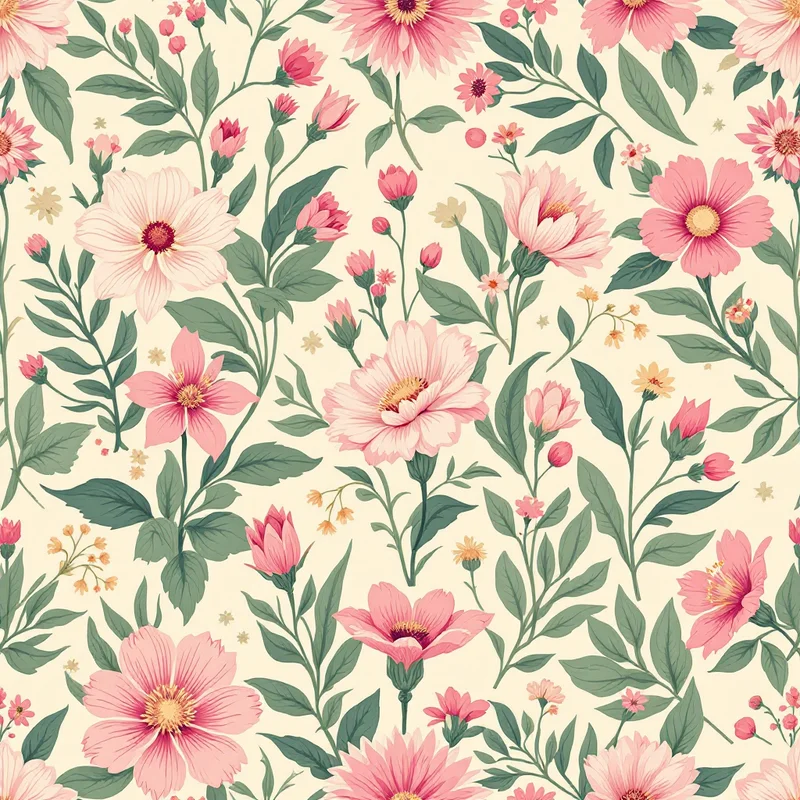
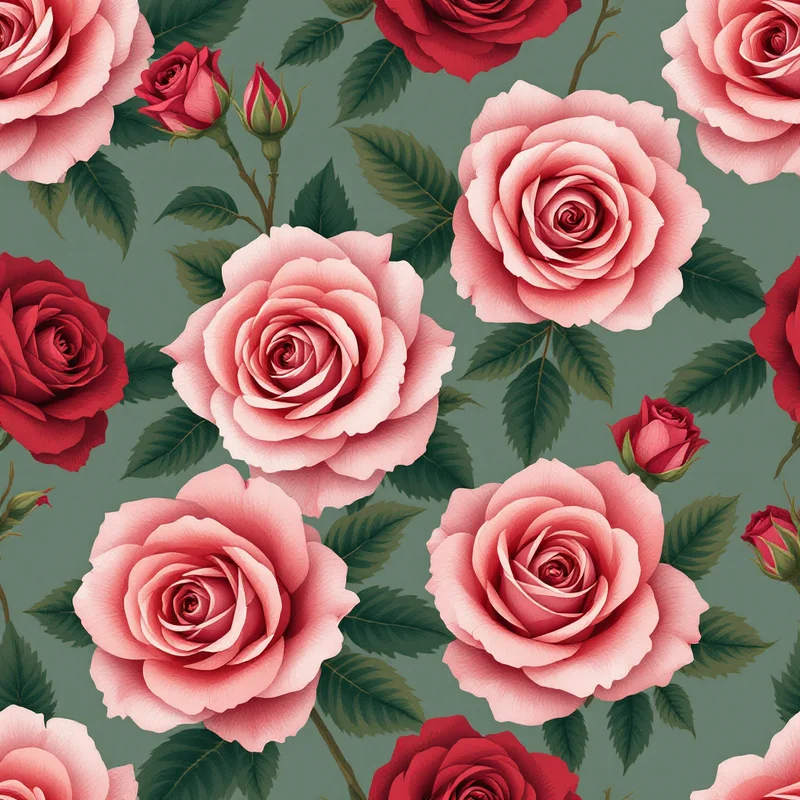
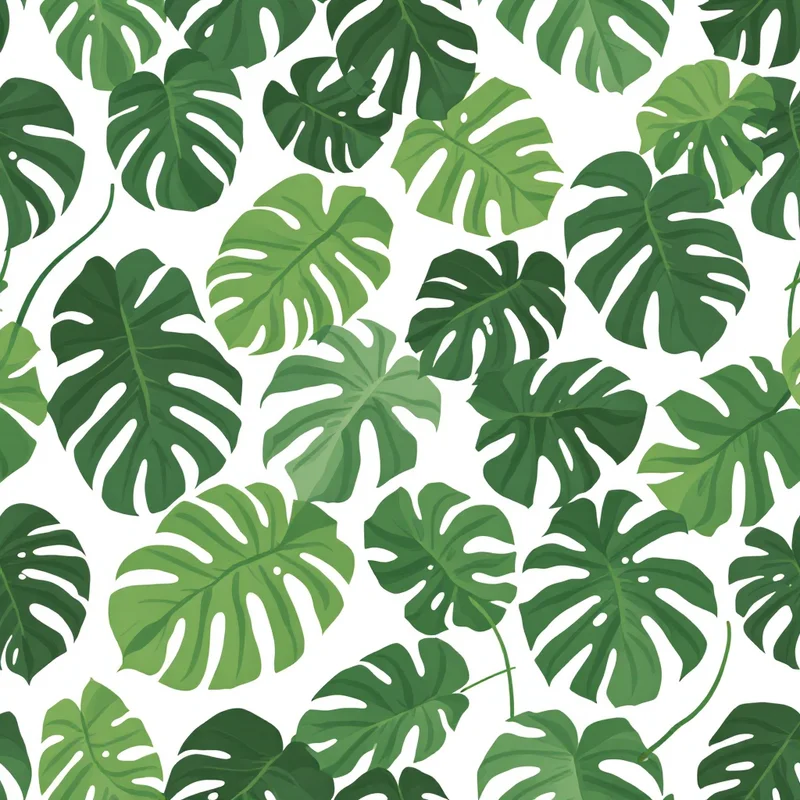
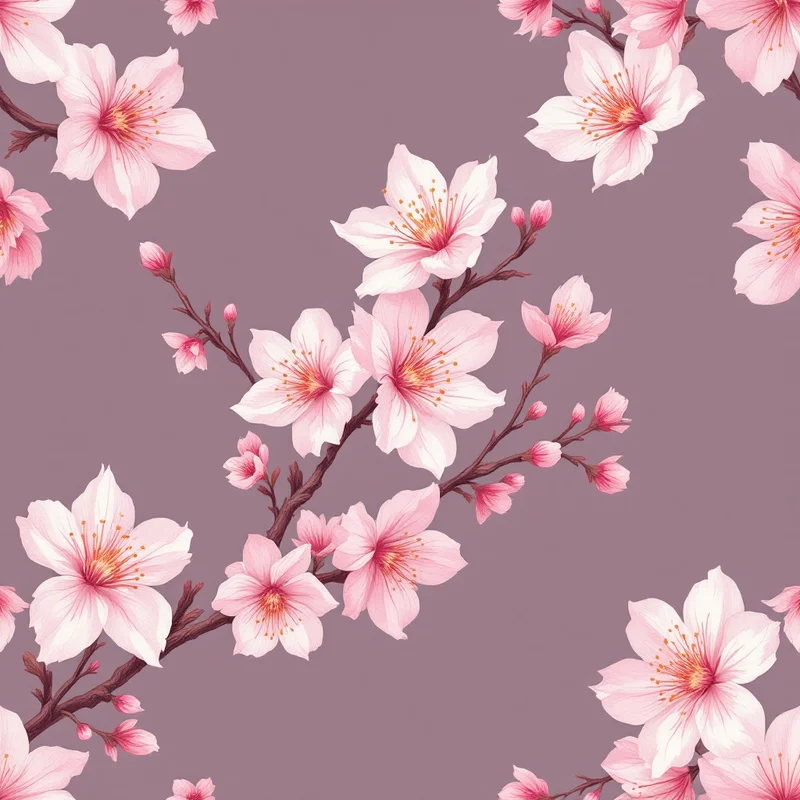
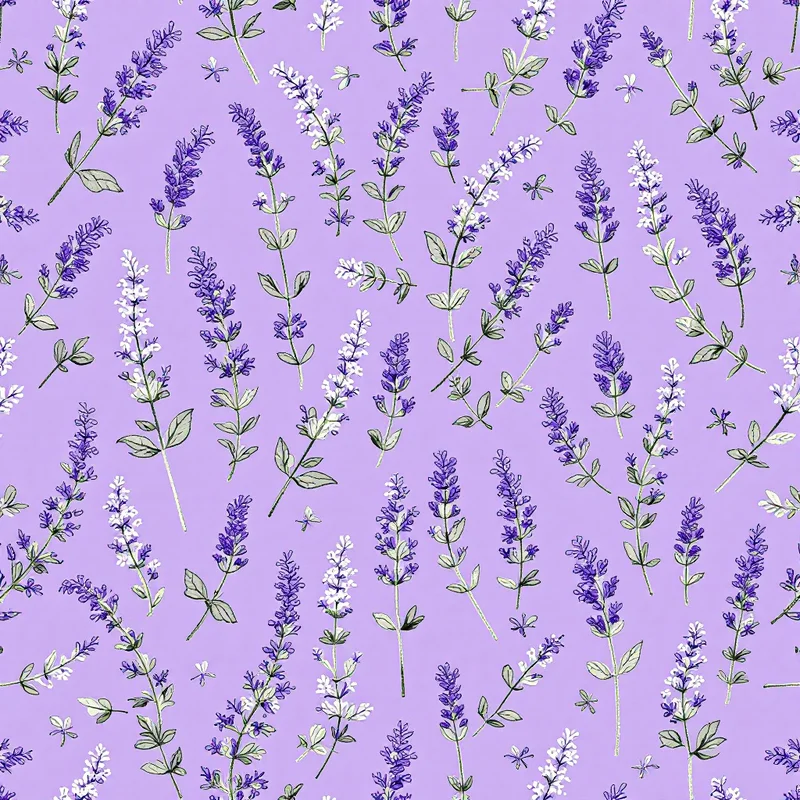
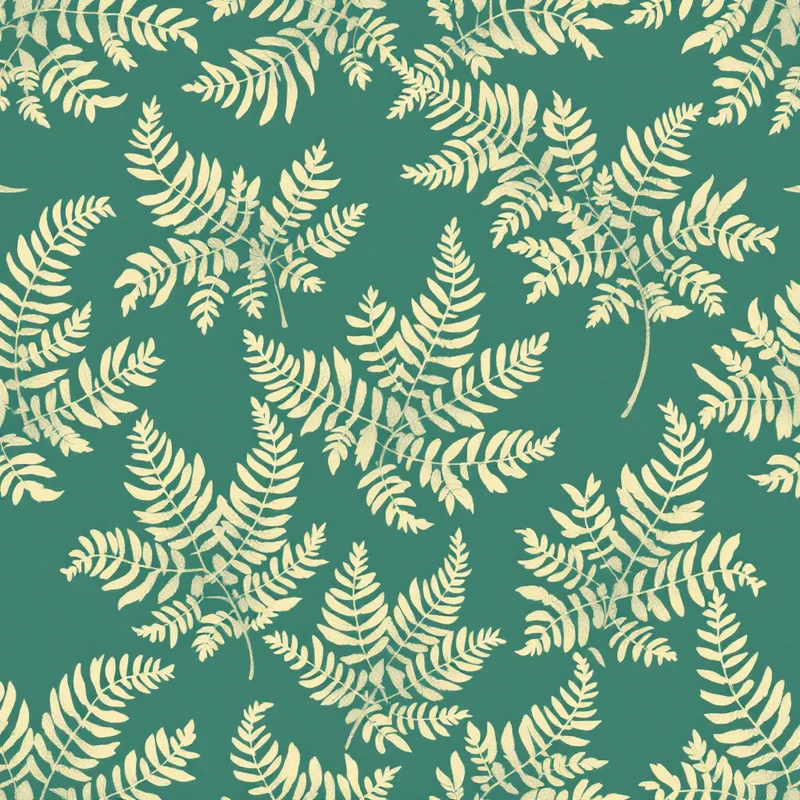
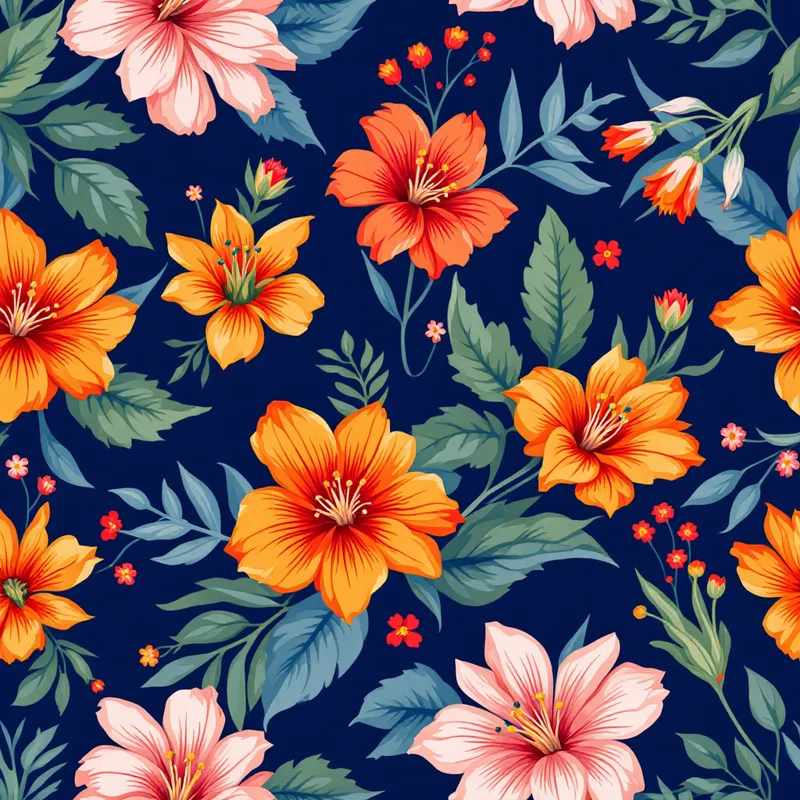
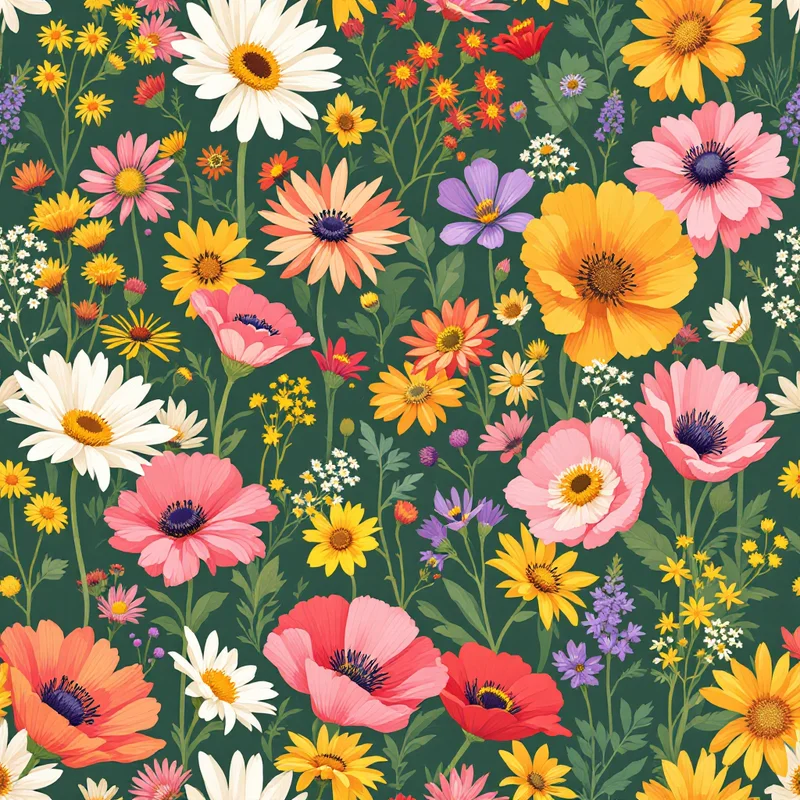
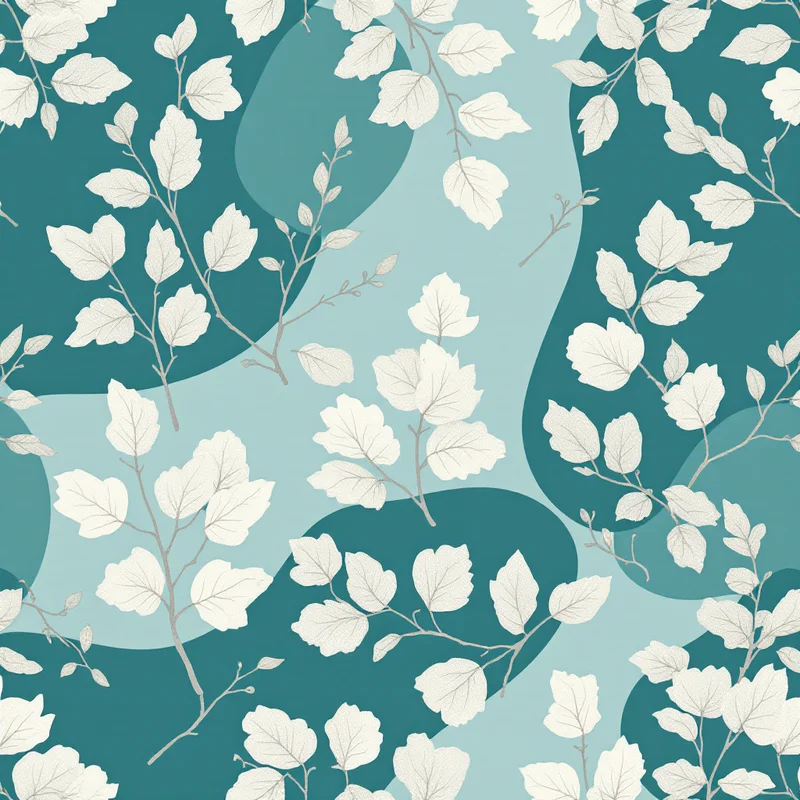
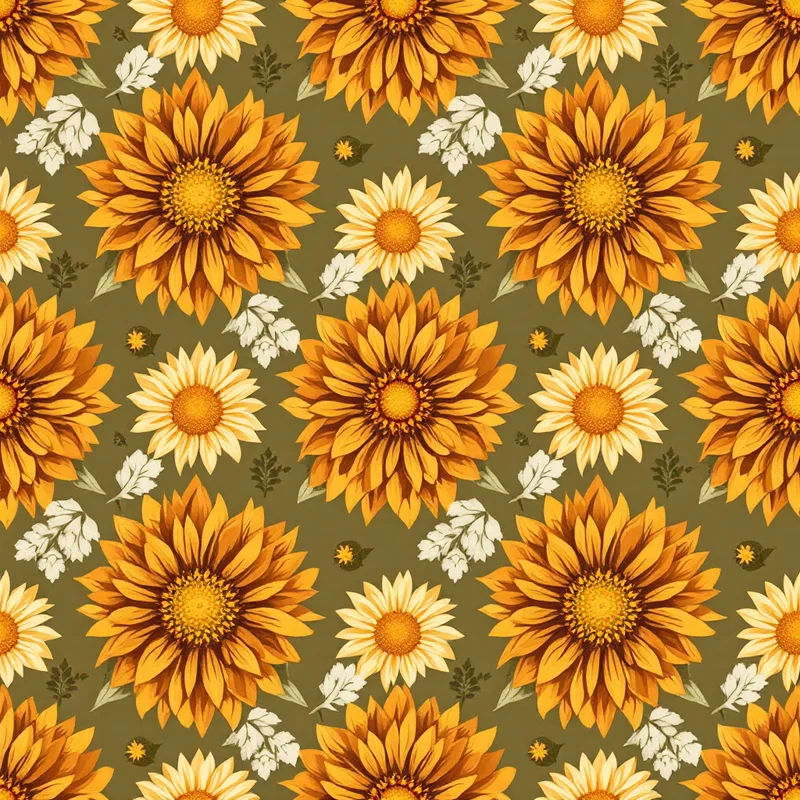
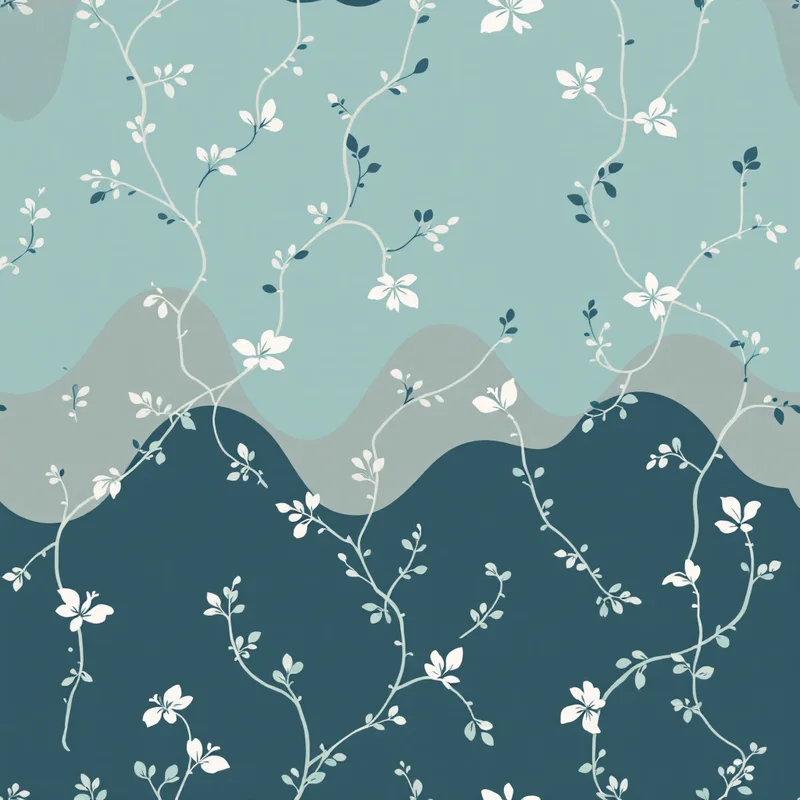
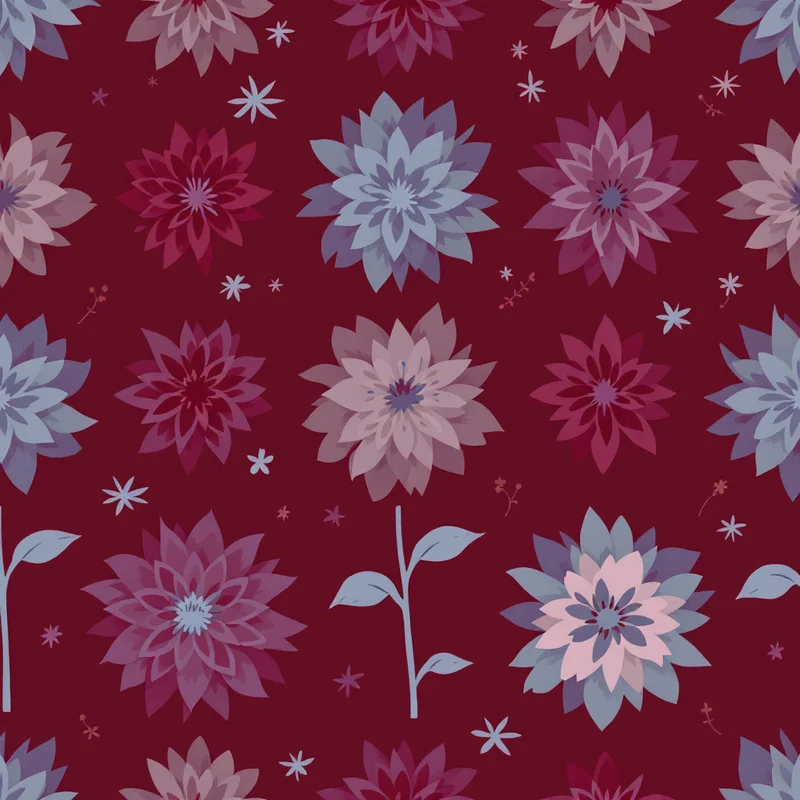
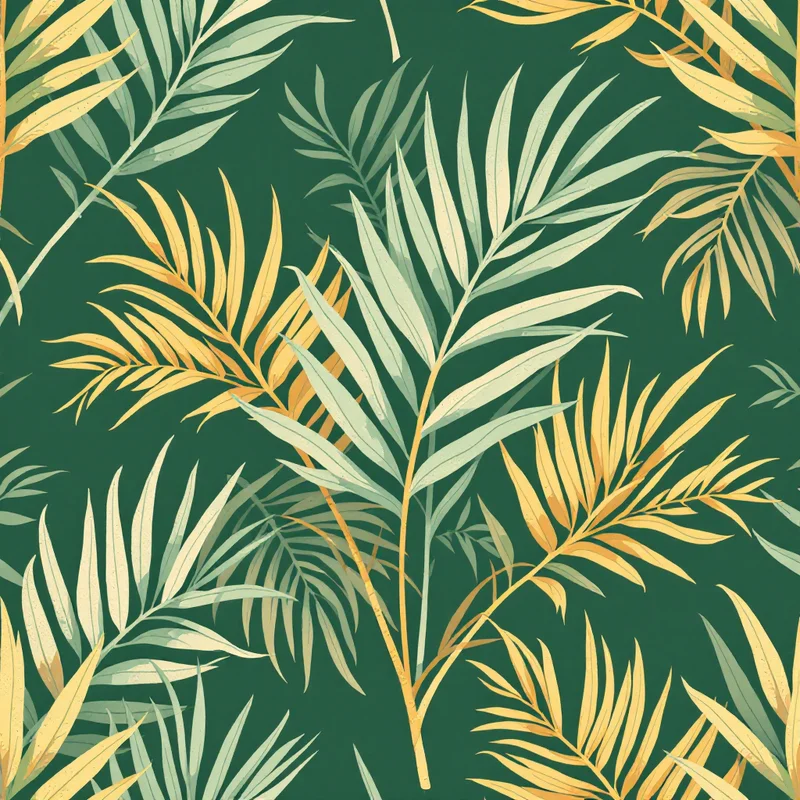
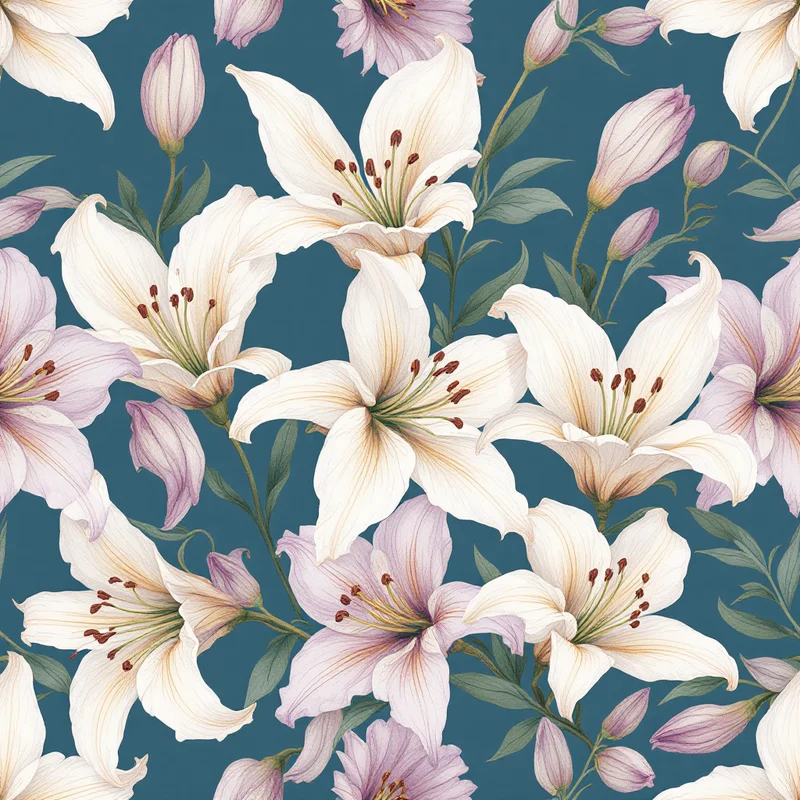
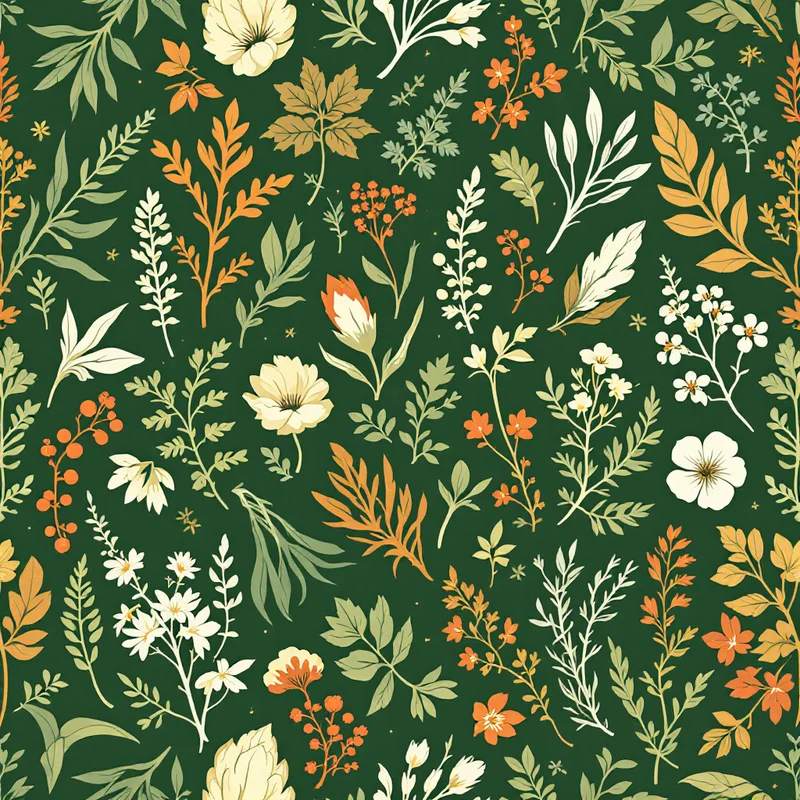
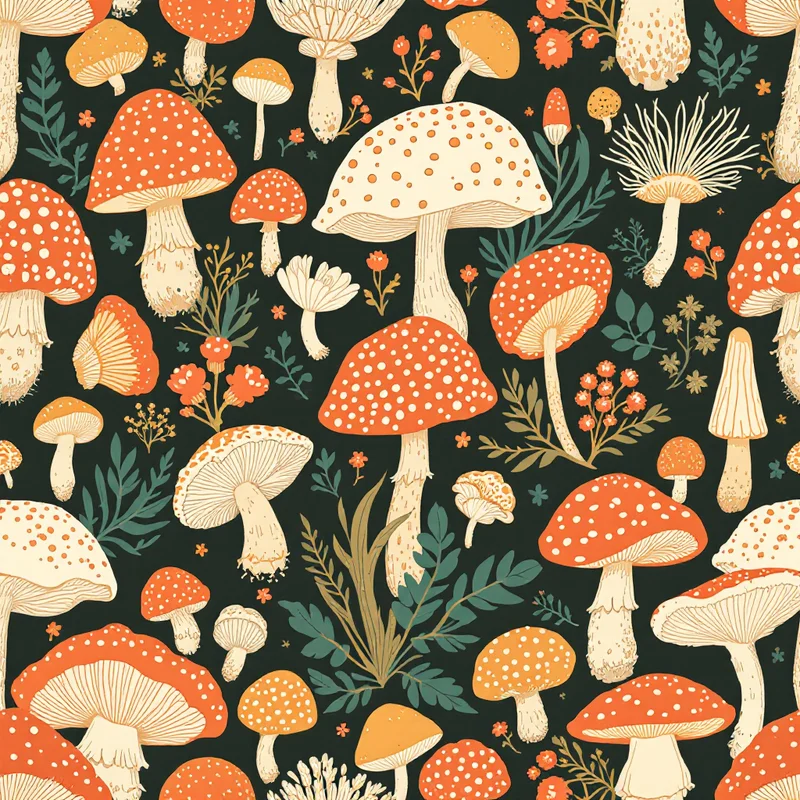
What custom textile design services actually deliver
Custom textile design services exist because off-the-shelf fabric and stock prints will not carry a brand. If your label sells at the same price point as a dozen competitors and you are all sourcing from the same Spoonflower categories or generic mill swatches, the print is doing none of the work it should. Brand owners hire studios, agencies, or freelance textile designers when they need an original repeat, a coherent colorway range, and a file package that goes straight to a printer or mill without a back-and-forth on specs. Pattern Weaver delivers the same output, in minutes, with the same commercial terms.
The buyers reading this page are usually apparel founders, interior brand owners, accessories labels, swimwear and activewear lines, and small studios who have already priced an agency or freelancer and walked away from the quote. A bespoke print from a textile design studio in London or New York typically runs $3,500–$8,000 per print with a four-to-eight week turnaround and one or two free revisions before hourly rates kick in. Pattern Weaver replaces the production layer of that workflow — the actual drafting, repeat engineering, and colorway development — while leaving every creative decision under your control. The practical gap custom textile design services close here is roughly six weeks of calendar time and several thousand dollars per print, which is the difference between launching a capsule this month and waiting until next season to see proofs.
This page is for buyers, not designers. If you came here looking to learn the discipline of textile design itself, read the broader textile design overview. If you came here looking to hire a person, the textile designer page covers that. This page covers the third path: running a custom textile design project yourself, with an AI pattern generator doing the hours of repeat work that justify an agency's invoice.
How custom textile design services are structured
Brief defines the print, not the designer
A good brief specifies end-use (woven dress, knit tee, cushion, scarf), mood reference, palette anchors, motif vocabulary, scale on the body or product, and any non-negotiables like avoiding certain cultural references. Pattern Weaver compiles the same brief inputs through the Pattern DNA compiler — the studio overhead disappears, the brief still drives everything.
Repeat engineering is the real labor
Studios charge for repeat construction because it is hours of edge-matching, motif placement, and tile balancing per print. A flat artwork becomes a true seamless tile that prints cleanly across any cut-and-sew layout. Pattern Weaver constructs the seamless tile automatically — the part of the service that justifies most of an agency's hourly rate is fully automated.
Colorways are where one print becomes a collection
A single original print rarely ships alone. Brands launch the same motif in three to eight colorways — spring/summer, fall/winter, neutrals, brights, fabric-color-aware variants. Generating colorway ranges from a single tile is a few minutes of work, not a separate line item on an invoice or a week-long round trip with a studio.
File package matches the production route
DTG, sublimation, rotary screen, digital roll-to-roll, and home-textile mills each want different specs. PNG with transparency for placed graphics. TIFF CMYK at print resolution for screen separations. PDF tile layouts for production. SVG vector for cut files. Pattern Weaver exports every format a mill, printer, or POD platform asks for, up to 8K resolution.
How it works
Pick the design direction
Browse 600+ substyles. Pick a palette, scale, density, and render method that matches what you are creating.
Generate the seamless tile
Pattern Weaver produces a production-ready seamless tile in seconds. Iterate until the design matches your vision.
Export production-ready
TIFF in CMYK with embedded ICC profile (GRACoL, FOGRA39, SWOP). Optional bleed for cut-and-sew. 8K resolution.
Brands that use custom textile design services
Apparel labels
Womenswear, menswear, kidswear, and resort brands commissioning original prints for cut-and-sew production. Dresses, shirting, loungewear, scarves, linings. Repeat tiles for mill production or POD.
Home textile brands
Bedding, cushions, table linen, curtains, upholstery, towels. Larger scale, calmer rhythm, longer commercial life per print. Coordinating motif families for full collections across products.
Accessories and small leather
Silk scarves, pocket squares, tie prints, bag linings, wallet interiors, printed canvas totes. Smaller print zones, denser detail tolerances, often paired with a brand-signature ground print.
Swimwear and activewear
Engineered prints for cut-and-sew swim, performance leggings, sports bras, and rash vests. Sublimation-first file specs, stretch-aware motif scale, palette that survives chlorine and sweat-wicking topcoats.
Capsule collections and drops
Limited-run drops where the print is the entire marketing story. One brief, one afternoon, a tight motif family in three colorways — the cadence that fast-moving DTC brands actually need.
Private label and white-label
Agencies, buyers, and product developers sourcing custom prints for retail private label programs. License the print outright, hand the files to the supplier, ship in season.
Related Pattern Weaver tools
Textile design
The wider textile design discipline — what custom services produce, and the craft conventions behind it.
Textile designer
Hiring an individual textile designer — when a person makes more sense than a service, and when it does not.
Fashion print design
Print-specific design for fashion across categories — placed graphics, all-over prints, engineered layouts.
Surface pattern design
The broader surface design field that custom textile prints sit within — paper, packaging, ceramics, wallcovering.