Geometric patterns are the most versatile family in surface design — the same underlying structure can read modern or classical purely based on color and scale — but the vocabulary trips people up constantly. Here's each major type, defined clearly enough to stop guessing.
Chevron and herringbone
Chevron is a continuous zigzag of V shapes meeting at clean points, high-energy and graphic. Herringbone is chevron's tailored relative — the V shapes offset and break at each column rather than meeting cleanly, producing the fish-bone structure the name describes. Herringbone reads more formal and woven; chevron reads bolder and more decorative.
Ogee
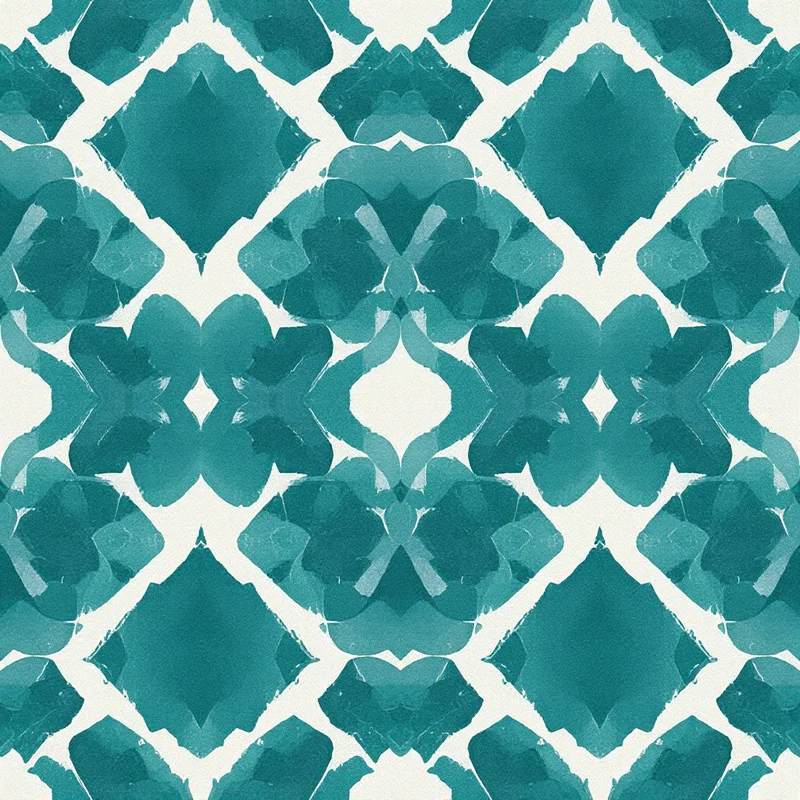
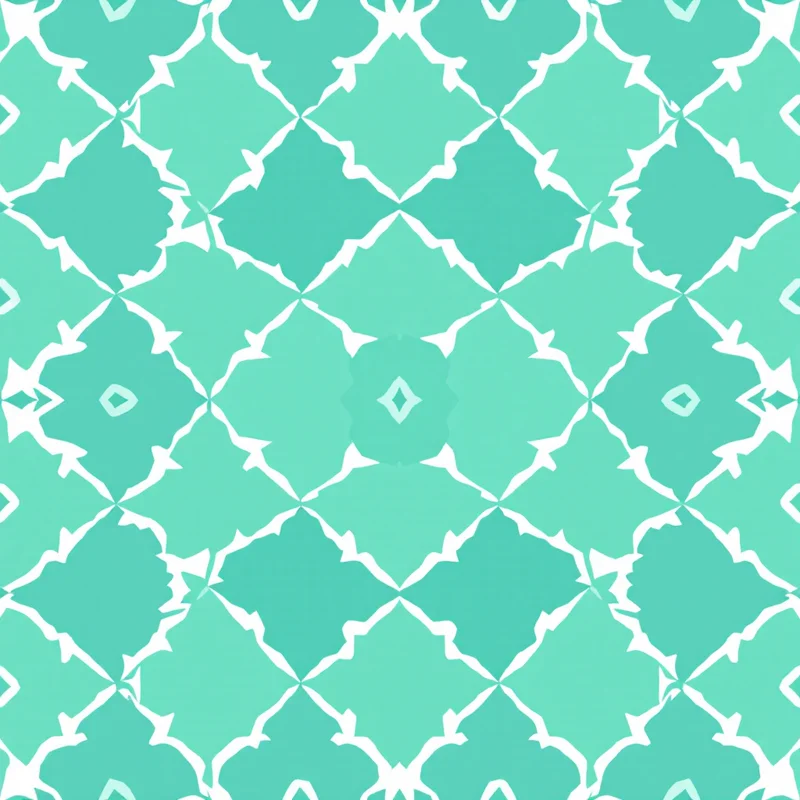
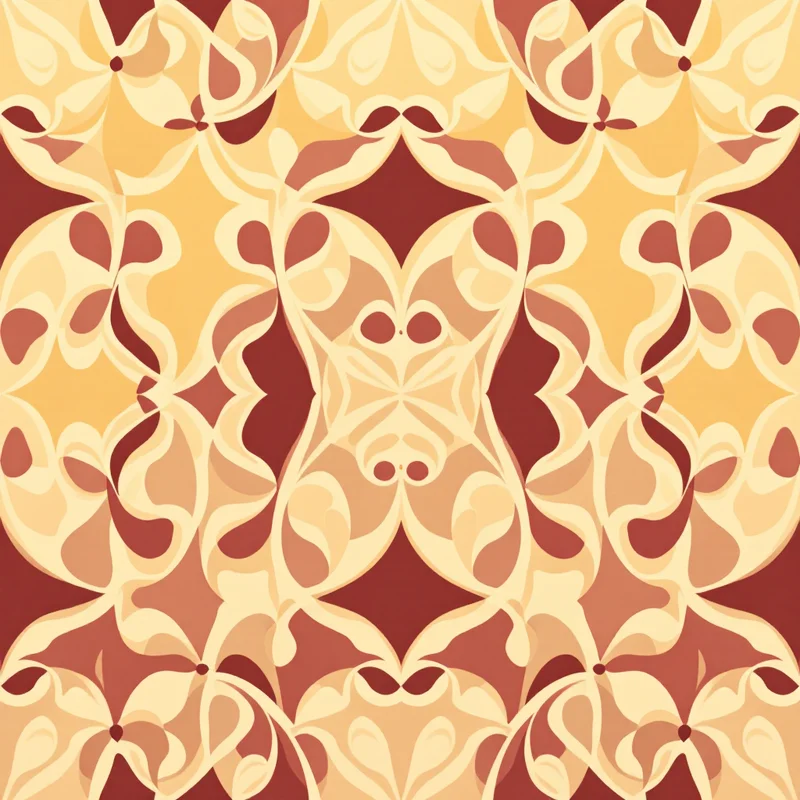
An ogee pattern is built from an elongated, pointed-oval shape, repeated in an interlocking grid — think of a flattened onion-dome silhouette tessellating across the surface. Ogee patterns show up heavily in Moroccan and damask-adjacent design and read considerably more ornate than a plain grid or lattice.
Lattice and trellis
Both describe a crisscrossing grid of diagonal lines, and the terms genuinely overlap in casual use. If there's a distinction worth holding onto: lattice patterns tend to read as a tighter, more uniform crisscross, while trellis patterns lean slightly more organic, often incorporating a vine, leaf, or floral motif woven through the crossing structure.
Quatrefoil
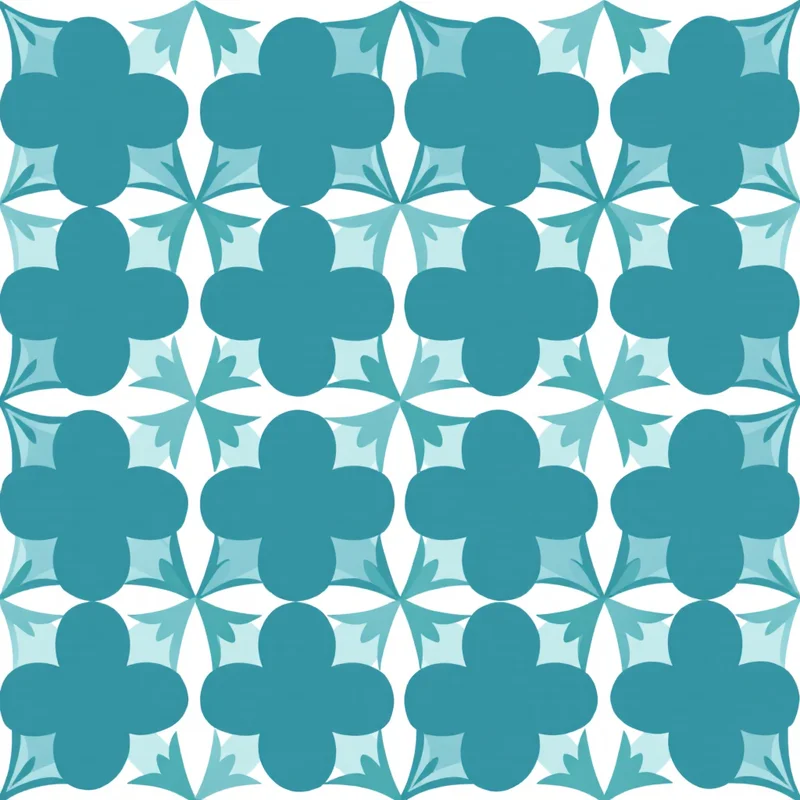
Four overlapping circles forming a clover-like frame, borrowed from Gothic architectural window tracery and now a staple of preppy home decor and stationery. Quatrefoil patterns read as classic and slightly formal without tipping into full heritage-ornate territory.
Greek key and Argyle
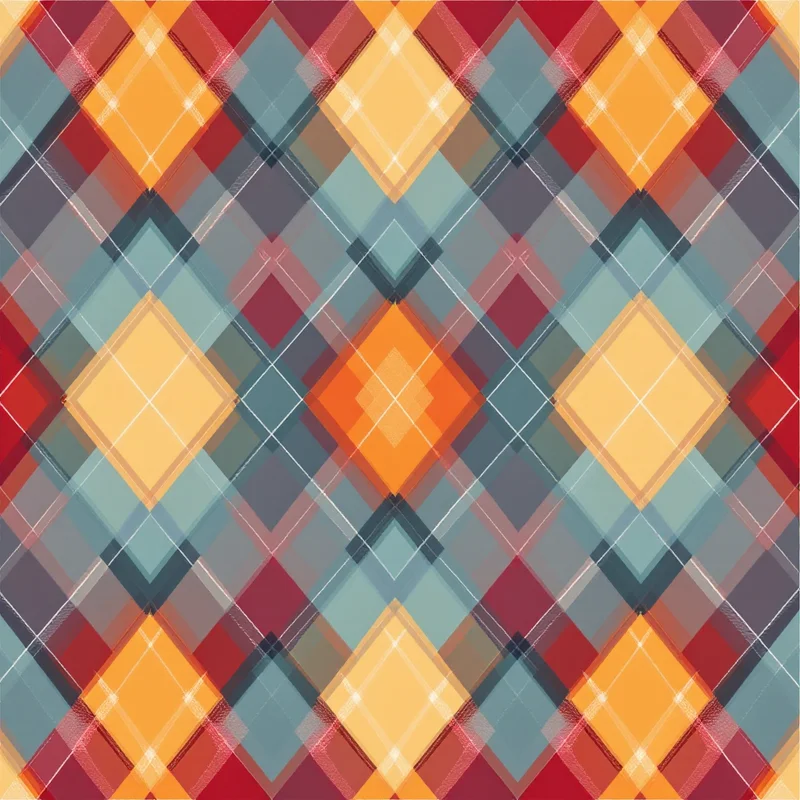
Greek key is an interlocking rectangular meander border pattern, borrowed from ancient Greek design and still reading as "classical luxury" on rugs, borders, and packaging. Argyle is overlapping diamonds crossed with a thin diagonal overcheck — inseparable from golf sweaters and preppy knitwear, and one of the few geometric patterns with a genuinely fixed cultural association.
Checks, stripes, and the basics
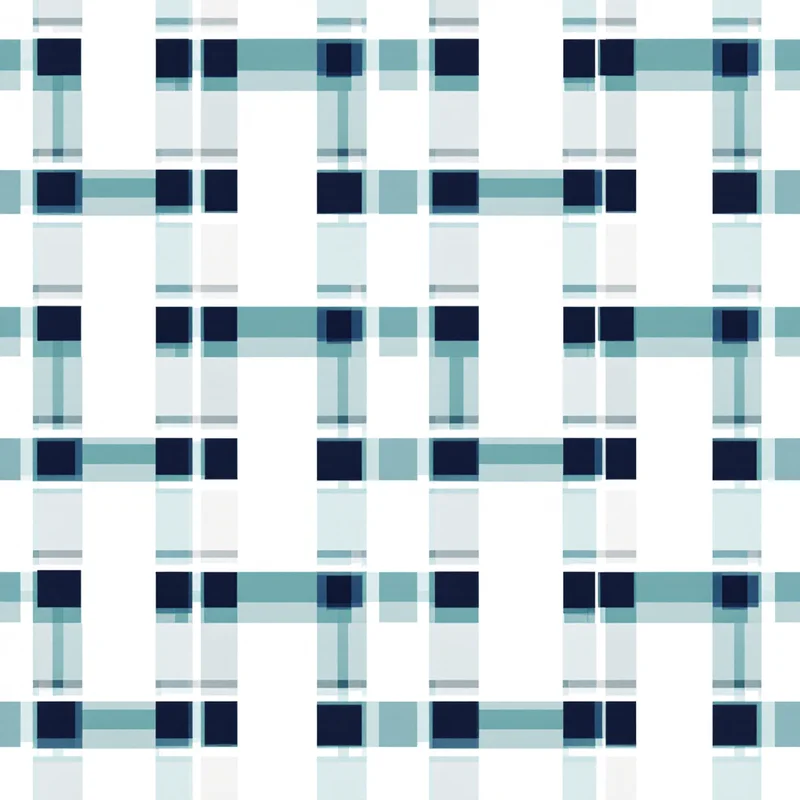
Checkered patterns are two-color grids of squares; the diagonal version is harlequin. Stripes are the oldest pattern family in commercial use, and their read shifts entirely with direction and width — vertical elongates, horizontal widens, and hairline pinstripes signal tailoring regardless of color.
Choosing between them
The geometric family's real advantage is that the same underlying structure — a lattice, a chevron, an ogee — reads completely differently depending purely on color and scale. A dark, saturated ogee reads formal and heritage; the same ogee in pastel and fine linework reads playful and modern. When in doubt, test the same structure in two or three color treatments before deciding it isn't working.
Every geometric type covered here can be generated as a seamless, production-ready tile with full control over scale and color. Start in the free pattern maker with 3 free credits, or browse pattern styles for the full range.
Explore related pattern styles