


Design characteristics
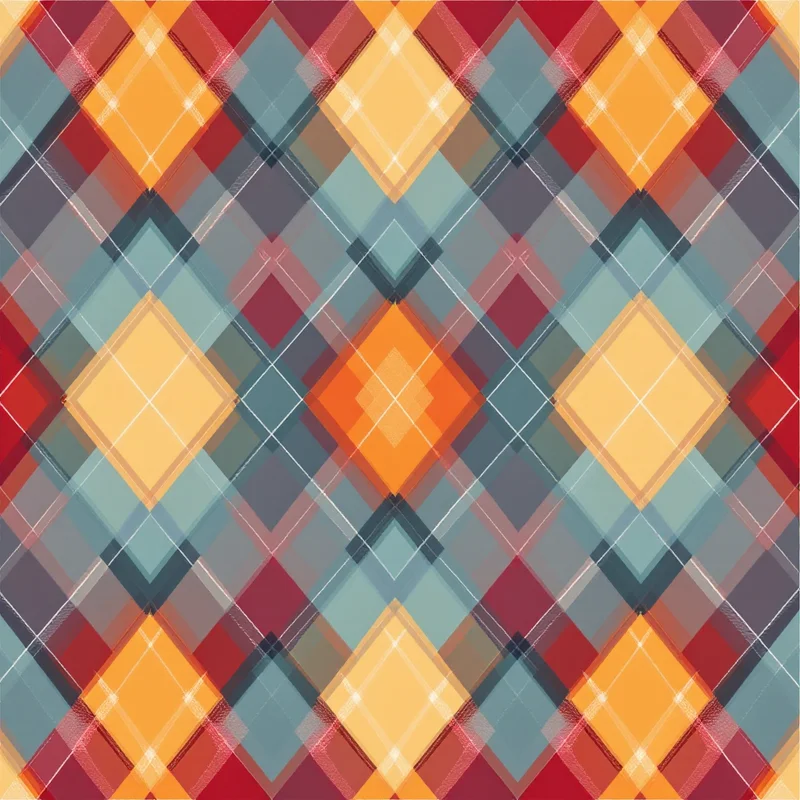
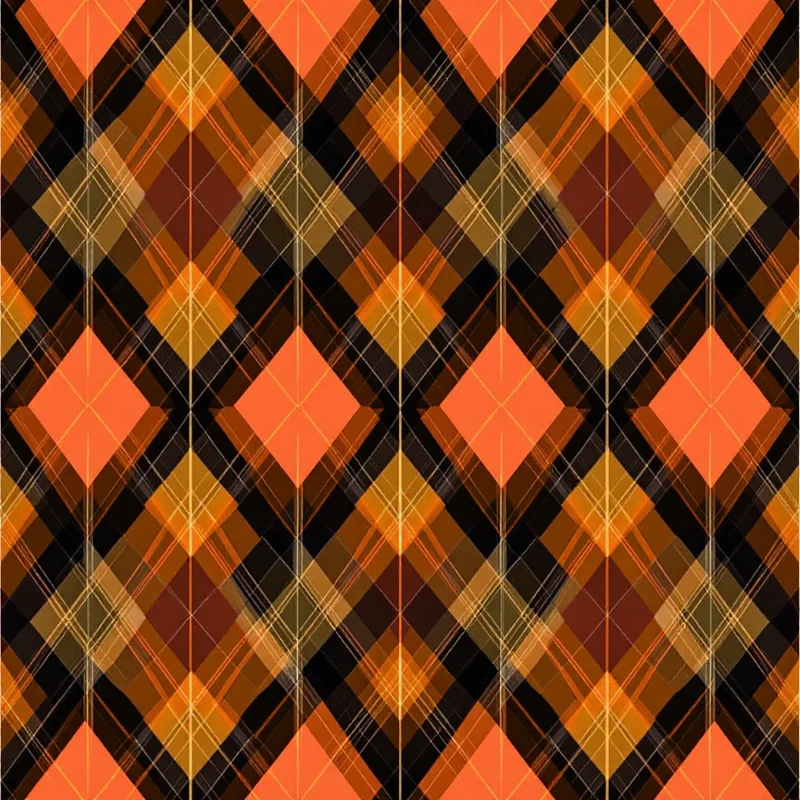
The geometric structure of argyle gives it a unique visual presence. Unlike a simple check or plaid, the diagonal orientation of the diamonds creates dynamic movement across the surface. The overlaid thin lines add a secondary layer of geometry that enriches the pattern without cluttering it. This layered construction means argyle occupies a middle ground between the simplicity of a basic check and the complexity of a full tartan — structured enough to feel polished, but open enough to avoid visual heaviness. The result is a pattern that reads as sophisticated, sporty, and slightly preppy all at once.
Commercial applications
In fashion, argyle is most closely associated with knitwear — sweater vests, cardigans, socks, and scarves. It is a cornerstone of preppy and collegiate style, appearing consistently in brands like Brooks Brothers, Ralph Lauren, and J.Crew. But argyle has also been adopted by streetwear and contemporary designers who subvert its traditional associations. Oversized argyle in neon colorways, deconstructed argyle with broken diamond grids, and argyle combined with unexpected textures like denim or leather all represent modern reinterpretations. The pattern also works well for golf apparel, school uniforms, and heritage-inspired accessories.
Where to use argyle patterns
Beyond fashion, argyle finds applications in branding, packaging, and interior design. The pattern's association with tradition, quality, and craftsmanship makes it effective for heritage brands, whisky labels, luxury stationery, and club or team merchandise. In interiors, argyle appears on accent walls, throw pillows, and area rugs, adding a sense of classic structure to living spaces. Digital applications include website backgrounds, app interfaces, and social media graphics where a refined geometric texture is needed. The pattern is also a natural fit for sports team merchandising, country club branding, and educational institution identity materials.
Customization & export
Color palette plays a critical role in defining the character of an argyle pattern. Traditional argyle uses two or three harmonious colors — navy and burgundy, forest green and gold, or grey and pale blue — for a conservative, polished effect. Contemporary interpretations push into bolder territory with neon highlights, pastel pastels, or monochromatic tonal shifts that modernize the classic form. The overlay diagonal lines can be rendered in contrasting thread-like strokes for a knit-authentic look, or removed entirely for a simplified diamond-only variation that feels cleaner and more graphic.
Pattern Weaver generates seamless argyle repeats with full control over diamond scale, line weight, color palette, and layering. Choose from classic two-color argyle, multi-color argyle with three or four diamond hues, tone-on-tone argyle for subtle texture, or bold high-contrast argyle for statement impact. Adjust the angle, spacing, and overlay line thickness to create anything from a traditional sock knit to a modern oversized graphic. Apply rendering styles from flat vector to knit-textured to watercolor for different material contexts. Export production-ready tiles at up to 8K resolution for textile printing, product packaging, or digital design.