


Design characteristics
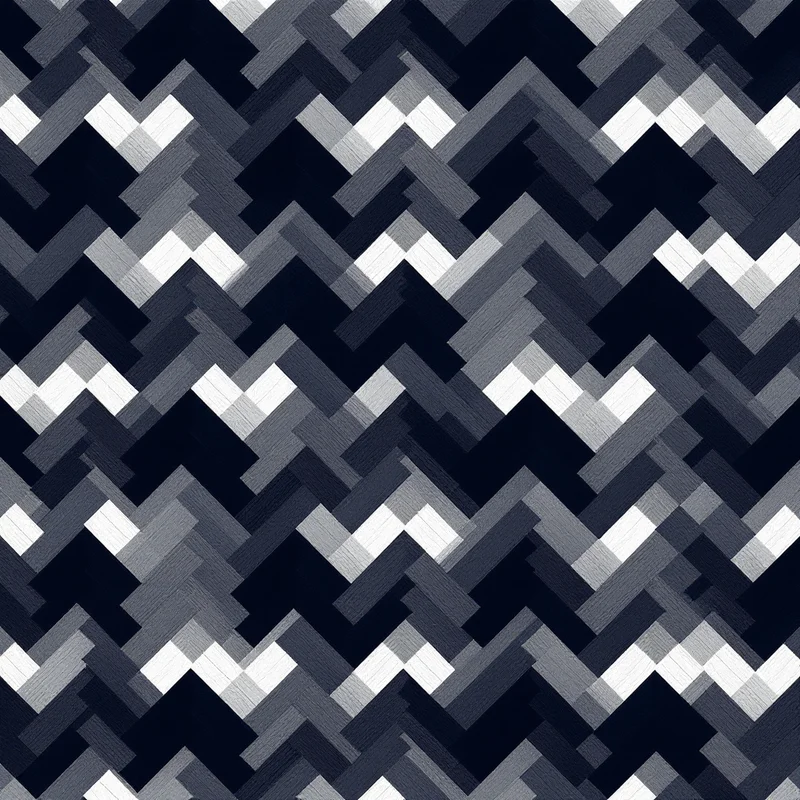
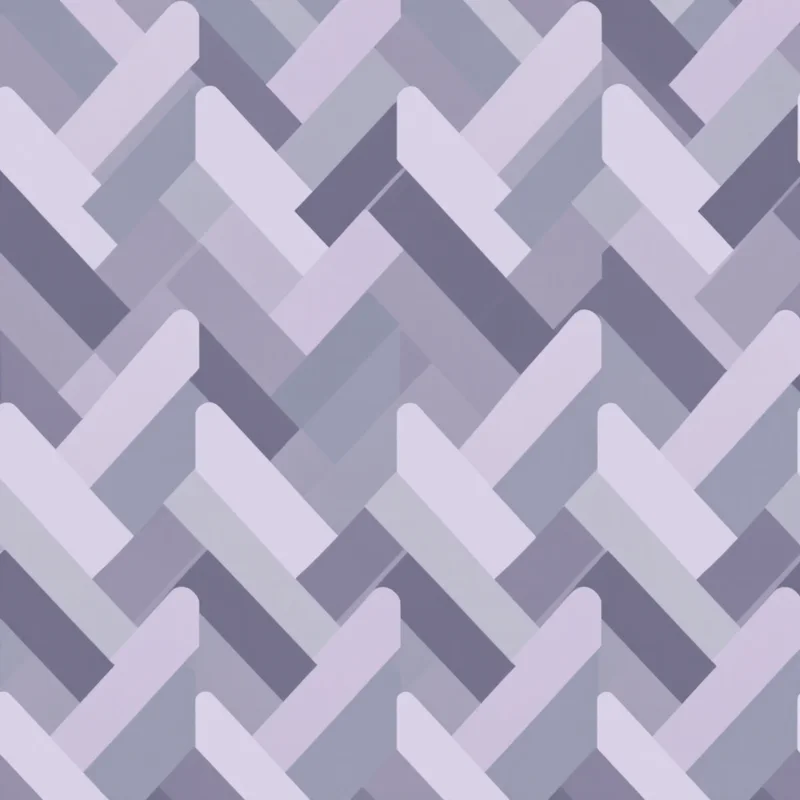
In textiles, herringbone is a cornerstone of tailoring and suiting. Harris Tweed, Donegal tweed, and Italian wool suiting all feature herringbone weaves as signature constructions. The pattern reads as structured and refined without being flashy — it adds visual texture to a fabric while maintaining the understated elegance that professional and formal garments require. Beyond suiting, herringbone appears in scarves, ties, blankets, and knitted accessories where the V-pattern creates directional visual interest.
Commercial applications
Herringbone has become equally important in interior design and architecture. Parquet flooring in herringbone layout is one of the most sought-after floor treatments in residential and hospitality design. Herringbone tile patterns in kitchens and bathrooms create classic backdrops that work with virtually any design style. Herringbone-patterned wallpaper and upholstery add subtle texture to rooms without overwhelming other design elements.
Where to use herringbone patterns
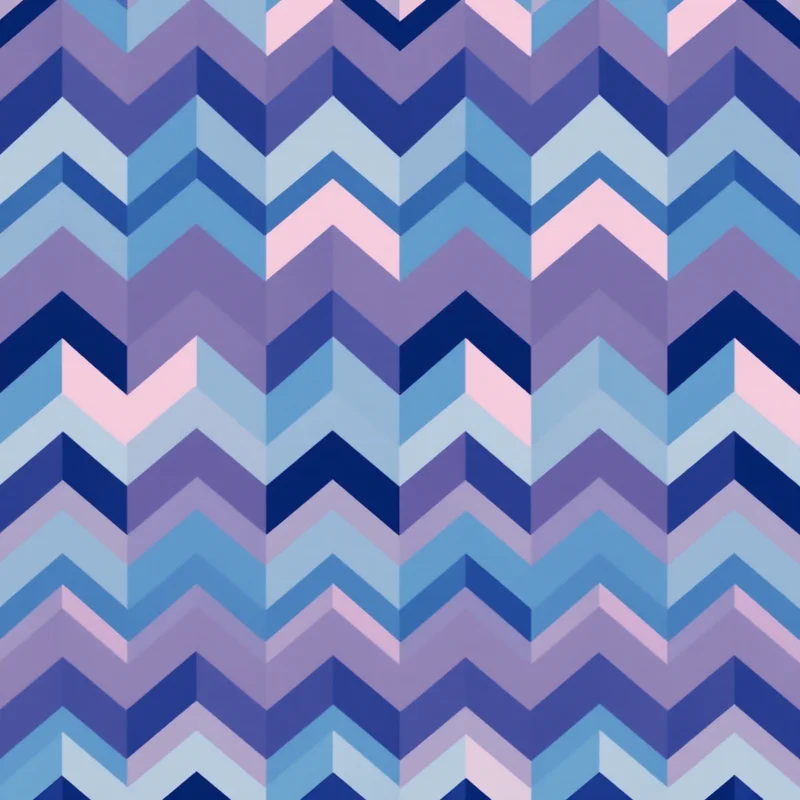
Pattern Weaver's herringbone pattern maker generates precise zigzag repeats with control over scale, angle, and color. Choose from tight woven-texture herringbone, bold graphic chevron interpretations, or architectural brick-lay variations. Adjust the V-angle, stripe width, and palette to match your application. Every herringbone design tiles seamlessly and exports at up to 8K resolution for textile, flooring, and print production.