Leopard has been called a neutral for so long that it is easy to miss what is changing around it. Heading into 2027, the movement in animal print is mostly about color and scale: the same skins, drawn bigger, quieter or in colors nature never used.
Leopard: stay, but change the palette
Classic gold-and-black leopard is a permanent fixture, which is exactly why it is the least interesting place to differentiate. The directions to watch:
- Tonal leopard. Spots in two or three shades of one brown family, with almost no black. It reads like texture from a distance and works on coats, knits and upholstery.
- Oversized rosettes. One rosette can span 3 to 5 inches (8 to 13 cm), so you see the shape rather than a texture. Strong for dresses and scarves.
- Color-shifted leopard. Cherry and burgundy spots, or sage and olive on cream. Our leopard print guide covers how leopard, jaguar and cheetah spots differ before you start recoloring.
A tonal palette to try: #B88A5B (caramel ground), #8A5A3C (spot fill), #4A3022 (spot edge), #D9BE96 (highlight).
Cow print: moving past black and white
Cow print has ridden the western revival, and it is likely to hang around as long as that does. The refinement for 2027 is leaving the strict black-on-white version behind.
Look at brown-on-cream, chocolate-on-tan, or a deep green on bone. Make the patches larger and more irregular than a stock cow print, with a few soft-edged shapes rather than all crisp blobs. For product ideas and technique, see our cow print pattern guide and cowhide pattern guide.
Quieter skins gaining attention
For customers who want animal print but not a statement, these are worth adding:
| Skin | Direction | Palette idea | Suits |
|---|---|---|---|
| Tortoiseshell | Larger, softer mottling | #C28B3E, #6B3F1D, #2A1A10 | Accessories, stationery, ceramics |
| Snakeskin | Tonal, low-contrast scales | #CBBBA0, #A89677, #7C6C54 | Bags, shoes, wallpaper |
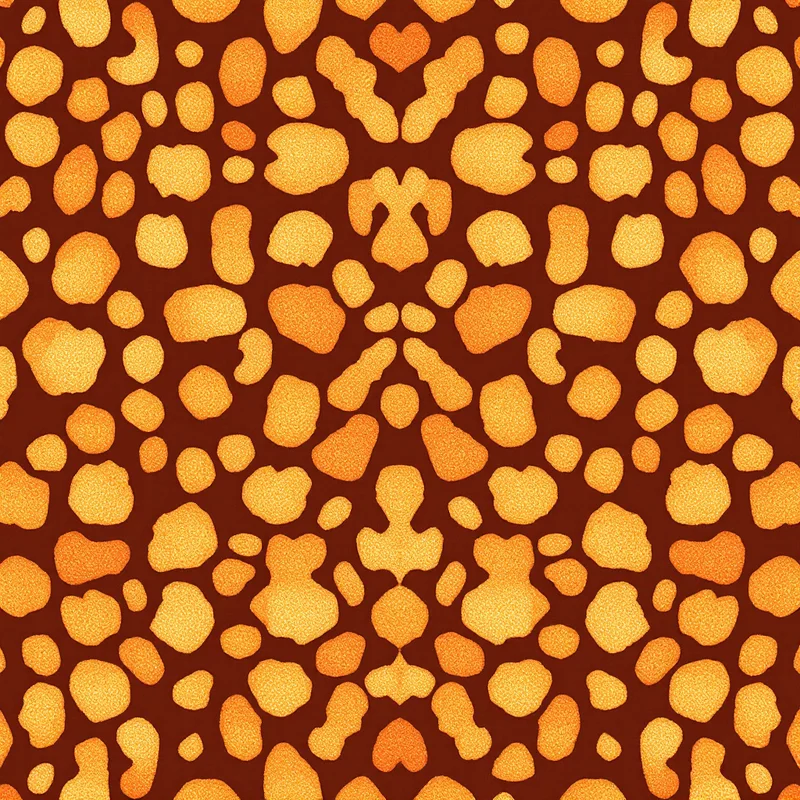
| Giraffe | Big irregular patches, rounded corners | #D8A15E, #8C5A2B on cream | Throws, rugs, dresses |
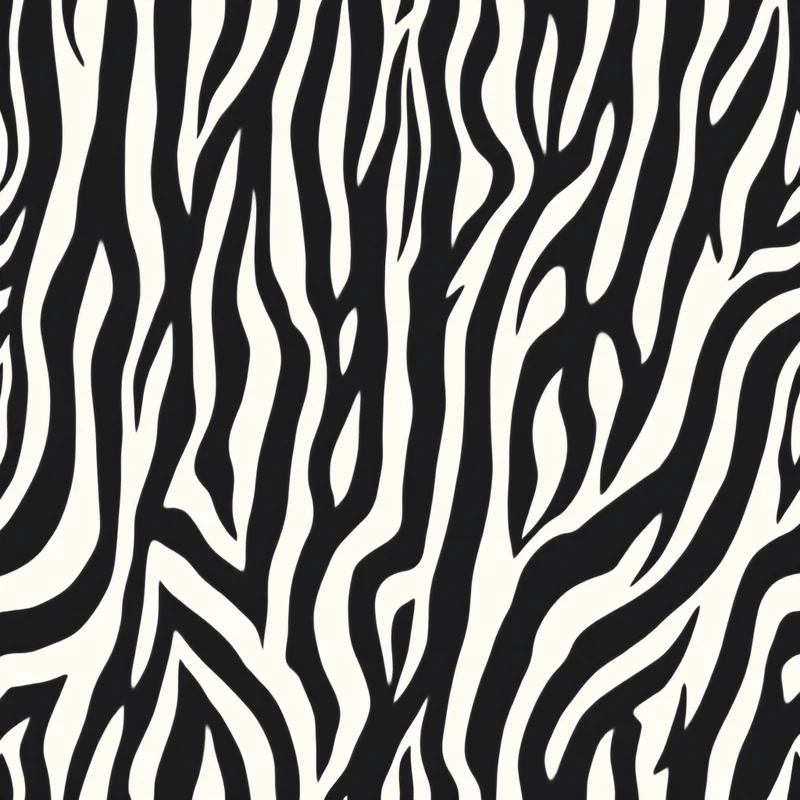
| Zebra | Softer, hand-drawn stripes, brown not black | #3B2B20 on #EDE3D1 | Cushions, wall art |
| Dalmatian | Scattered spots, color-swapped | Navy spots on white | Kids, pets, lounge sets |
See also our types of animal print patterns for the full catalog, and the snake skin pattern guide for tips on stronger skin-pattern repeats.
Animal motifs vs. animal skins
This forecast is about skin prints, which is a different thing from animal motifs such as foxes or birds. Skin prints behave like texture: they are tossed, repeat densely and rarely have a hero. They are driven by color and scale, not by character. That is why they are so useful in a collection, since they work as a coordinate beside a floral or a stripe without competing with it.
Where each direction fits best
- Apparel: tonal leopard and oversized rosettes for coats, slip skirts and silk scarves. Cow print in warmer colors for denim-adjacent pieces.
- Home: giraffe and tonal snakeskin on throws, cushions and rugs. Tortoiseshell on ceramics and stationery.
- Accessories: tortoiseshell and tonal snakeskin for totes, phone cases and small leather goods.
- Pet and kids: dalmatian-style spots and soft zebra stripes in non-standard colors.
Practical tips for drawing skin prints
Skin prints fail when the spot is too regular. Vary the size of each rosette by about a third, rotate them at random angles, and let a few overlap. Keep the density consistent from tile edge to tile edge, because animal prints expose a bad repeat faster than almost any other category: a visible seam in a tight leopard looks like a stripe.
Color matters too. Tone-on-tone browns can shift between screen and fabric, so order a proof before committing to a full yard order. For more on that, see how to prepare patterns for fabric printing.
A quick way to test the palette shift
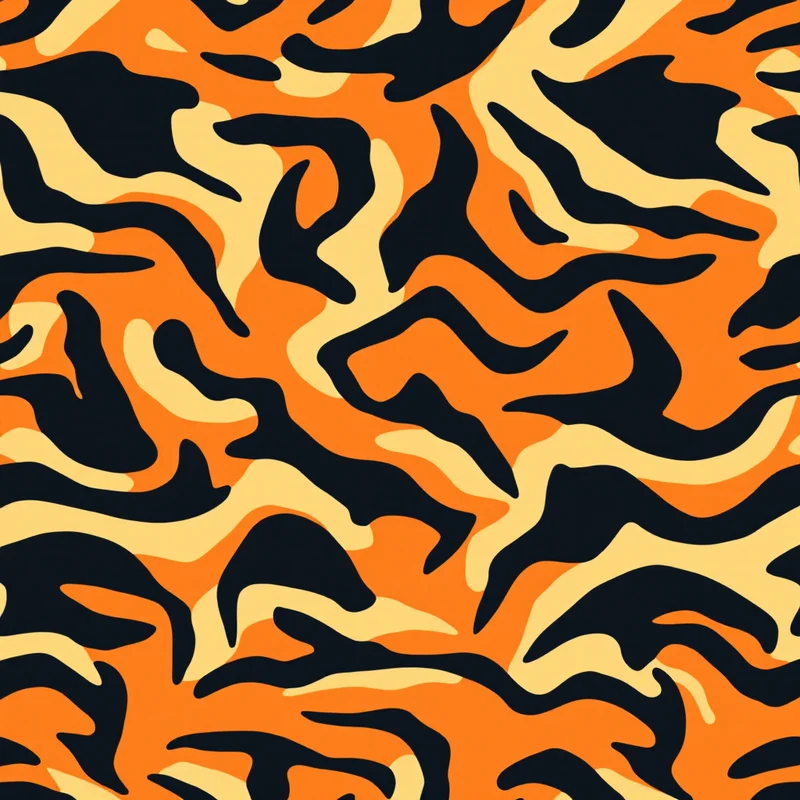
To compare a classic leopard against a color-shifted one without redrawing, generate the base from the leopard patterns category, then change the finish with Restyle. Browse Styles also lets you pick from the cowhide and tiger categories. New accounts get 5 free credits, enough to try a tonal, an oversized and a color-shifted version side by side.
Explore related pattern styles