Design characteristics
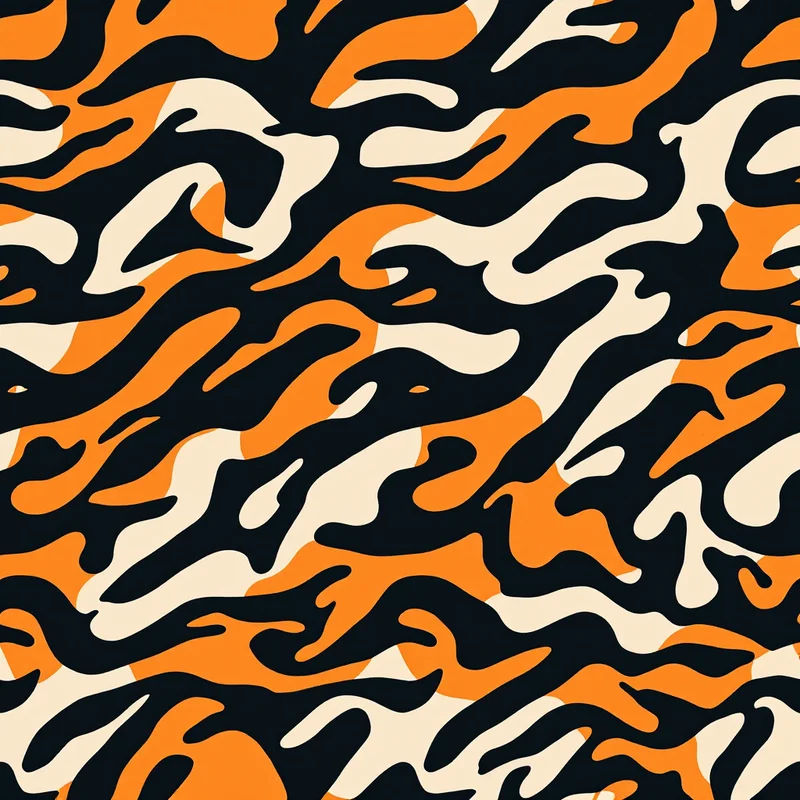
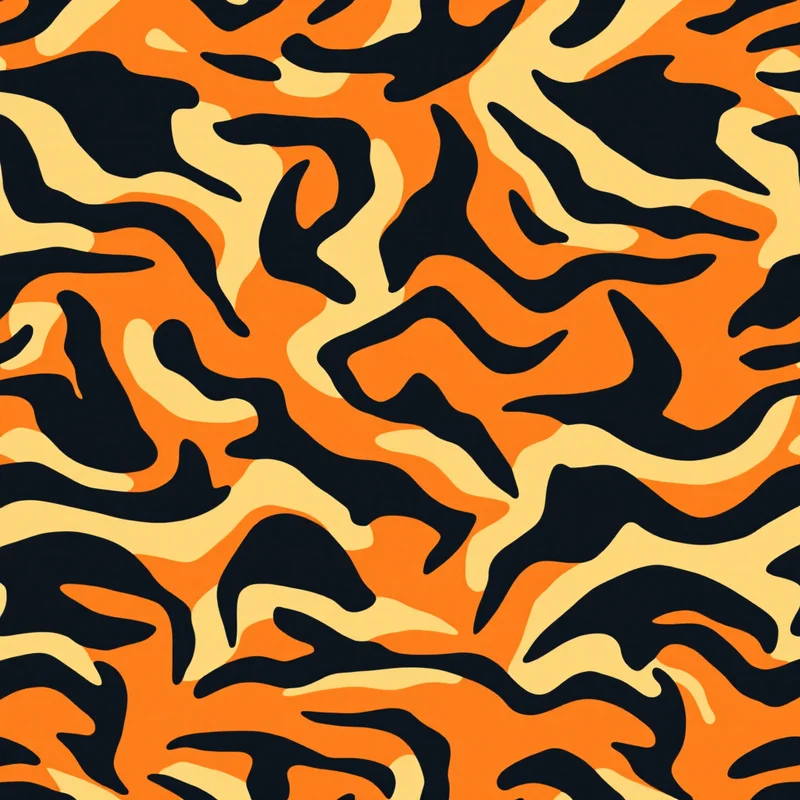
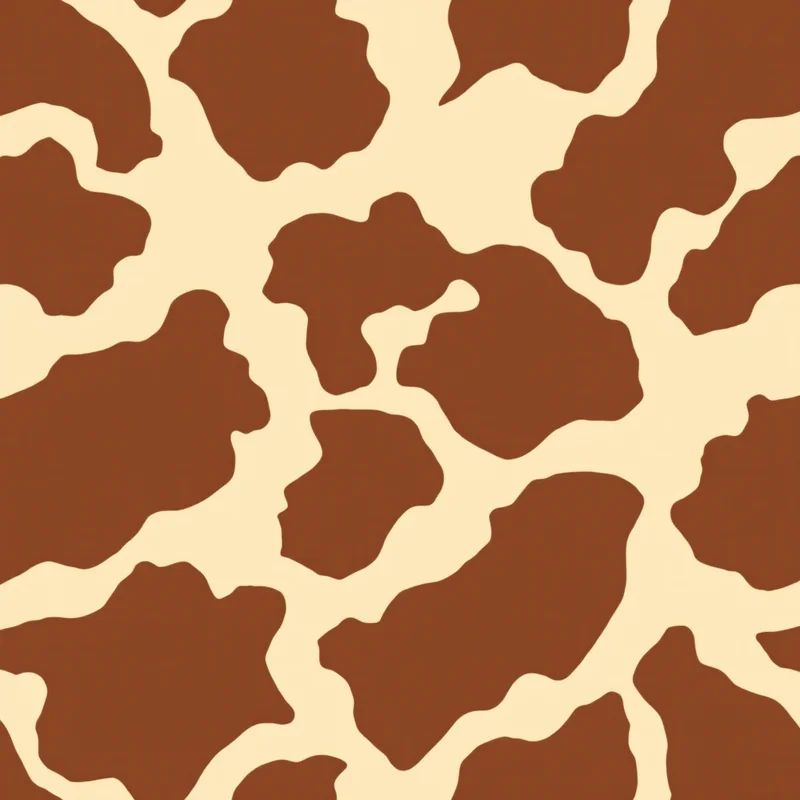
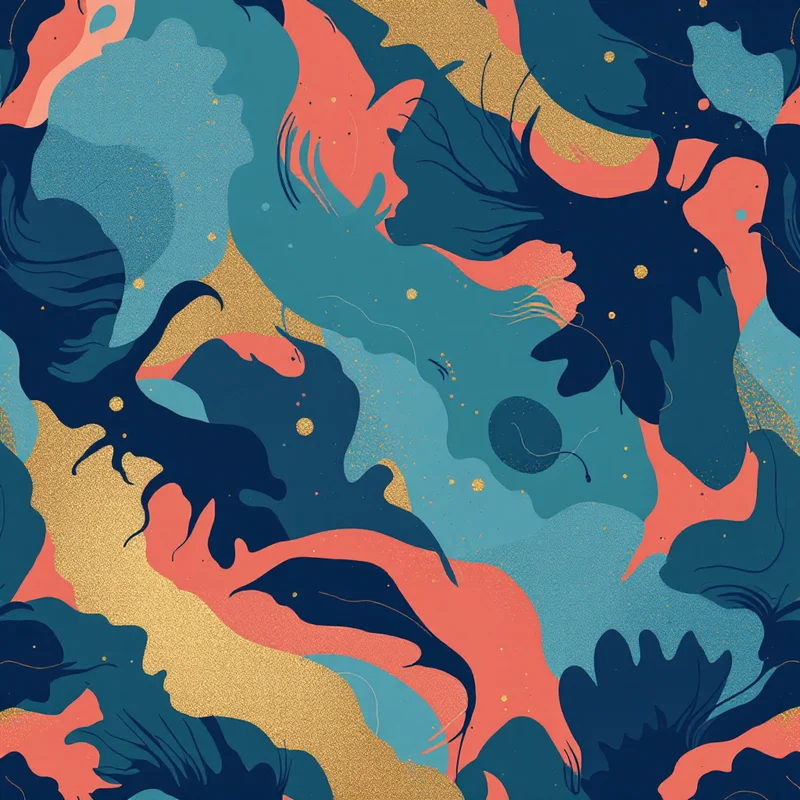
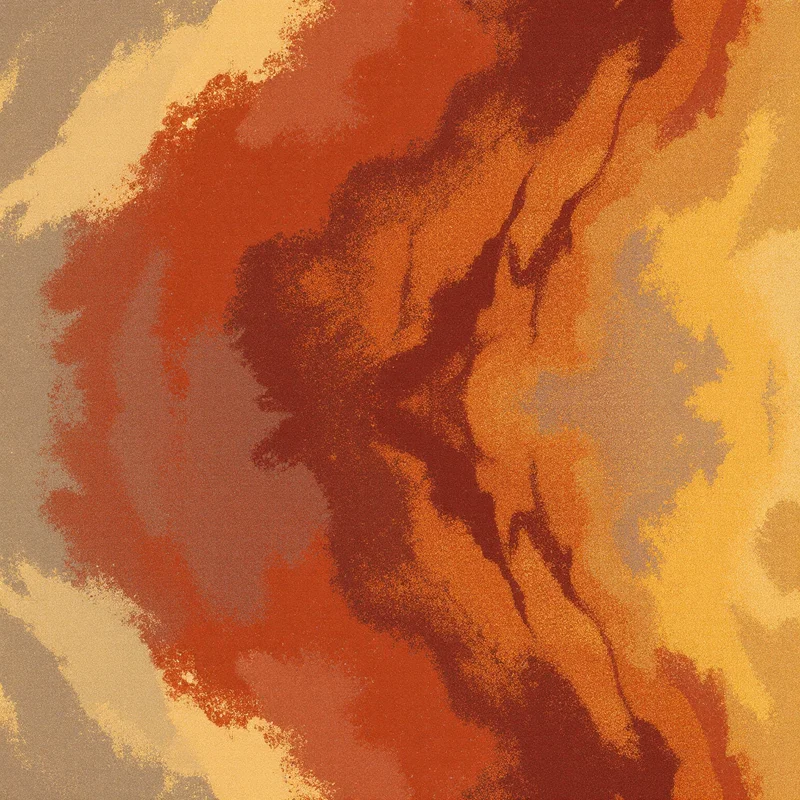
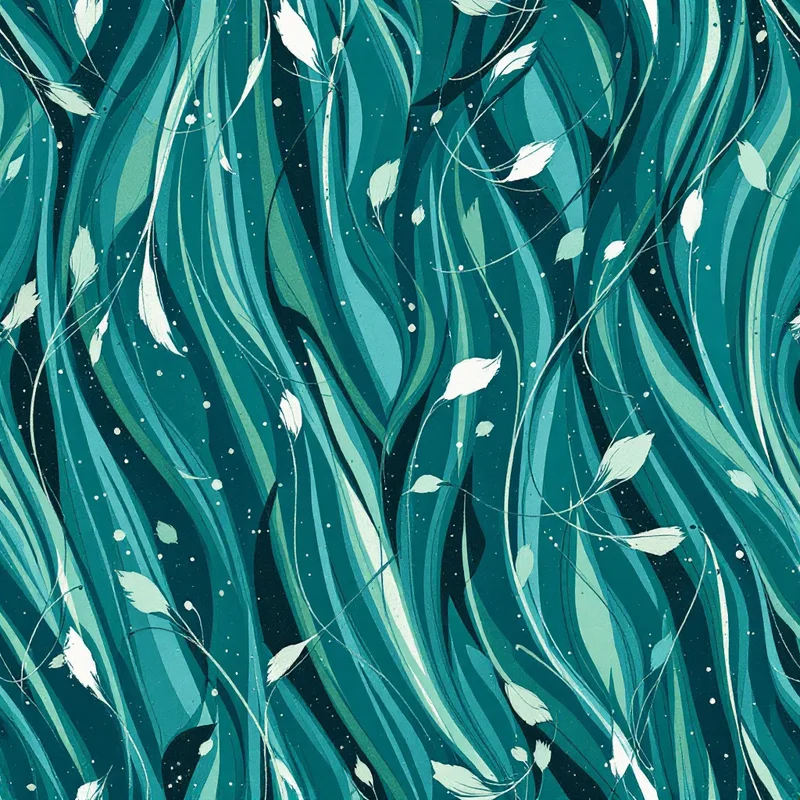
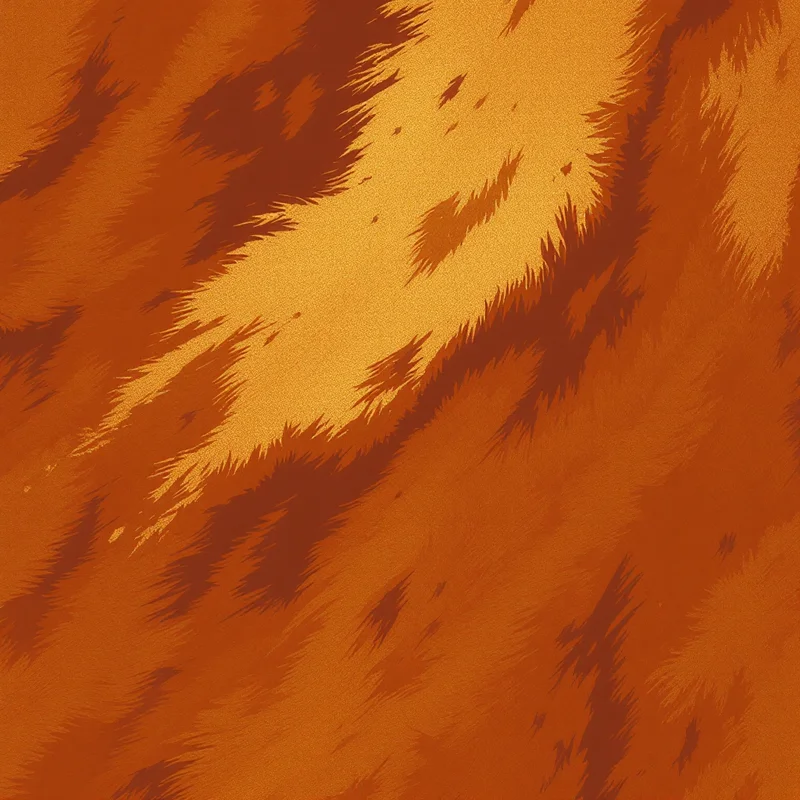
The classic colorway pairs warm amber or burnt orange with deep charcoal-black stripes, often softened by a cream underbelly tone. But the motif travels far beyond its natural palette. White tiger variations swap the orange for icy grey-on-white, while fashion and home decor push the look into monochrome black-and-cream, tonal beige, gold-on-navy, and even saturated neons for streetwear. Because the distinctive stripe shape carries the recognition, you can recolor freely without losing the tiger read, which makes the pattern unusually flexible for matching a brand palette or a seasonal range.
Commercial applications
Designers reach for tiger stripes when they want energy and a hint of untamed luxury without the busyness of full animal scenes. The vertical orientation flatters apparel by drawing the eye lengthwise, which is why it recurs in swimwear, activewear, and statement coats. In interiors the same stripes add movement to accent walls, cushions, and upholstery, and the high-contrast version makes a strong graphic statement on rugs and throws. The pattern also performs well at small scale on accessories, scarves, phone cases, and gift wrap, where the dense stripe field reads as a rich, almost textural surface from a distance. Few motifs cross so easily between hard fashion, soft furnishings, and paper goods.
Where to use tiger stripe patterns patterns
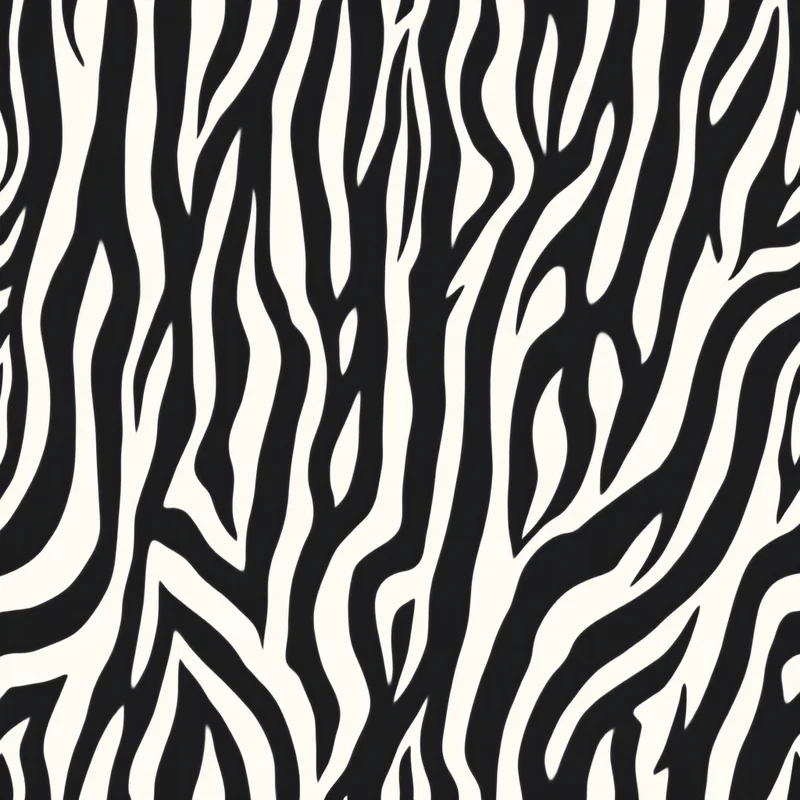
A strong tiger stripe repeat depends on scale and density working together. Widely spaced, thick stripes feel bold and editorial, ideal for large wall murals or oversized totes. Tighter, thinner stripes create a fine all-over texture that suits ties, linings, and small-format packaging. Getting the stripe-to-gap ratio right is what separates a believable coat from a generic zebra-like print, and it is the first thing to dial in for any product. Orientation matters too: a true vertical flow looks most natural, while a diagonal slant gives the design a more contemporary, deliberately stylized feel.
Customization & export
Pattern Weaver lets you tune all of this directly. Adjust density to control how crowded the stripes sit, scale them up for drama or down for subtlety, and shift the entire palette from natural amber to any custom color story your brand needs. The studio generates the markings as a true seamless tile, so the pattern repeats edge to edge with no visible seams or obvious tiling, even across a long bolt of fabric or a continuous roll of wallpaper. Featured substyles range from realistic Bengal coats to flat graphic and watercolor interpretations, giving you a starting point for almost any aesthetic before you fine-tune the details.
When the design is ready, export it at resolutions up to 8K (8192x8192) in the format your production needs: PNG for digital mockups and print-on-demand, TIFF for high-fidelity textile printing, and PDF for packaging and press-ready artwork. The tile stays seamless at every size, so the same tiger stripe file scales cleanly from a small swatch on a label to a full-coverage repeat on a metre of fabric without quality loss or a broken join. That makes it straightforward to keep one tiger stripe motif consistent across a whole product line, from the garment to the hang tag to the gift box it ships in.