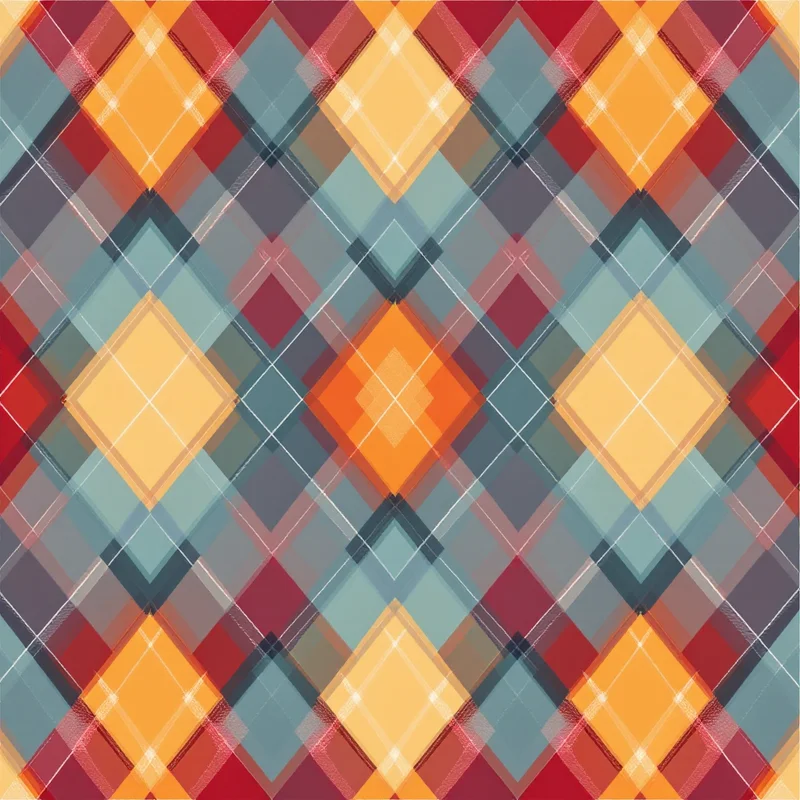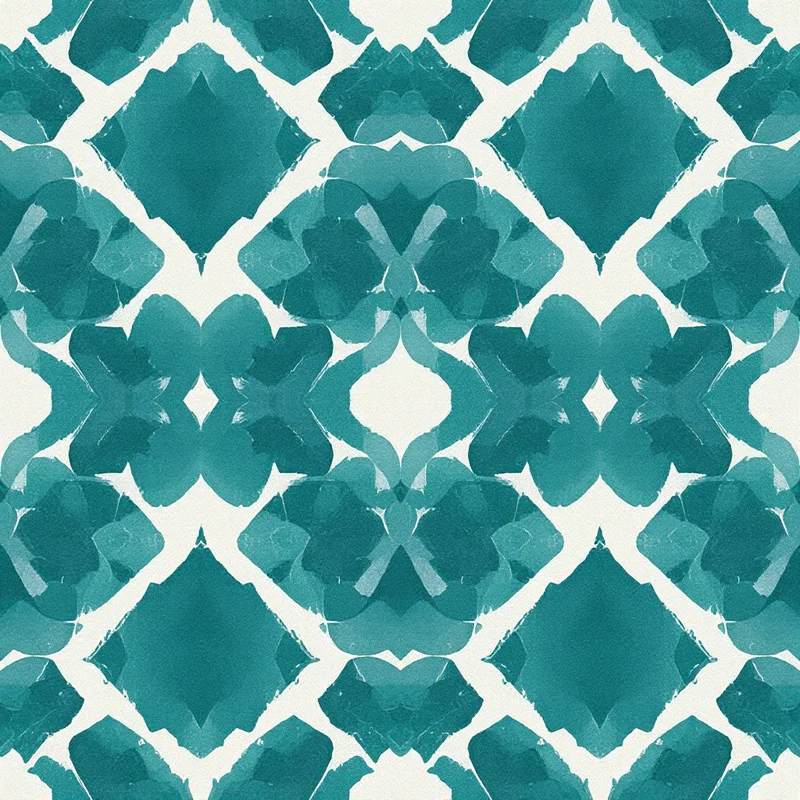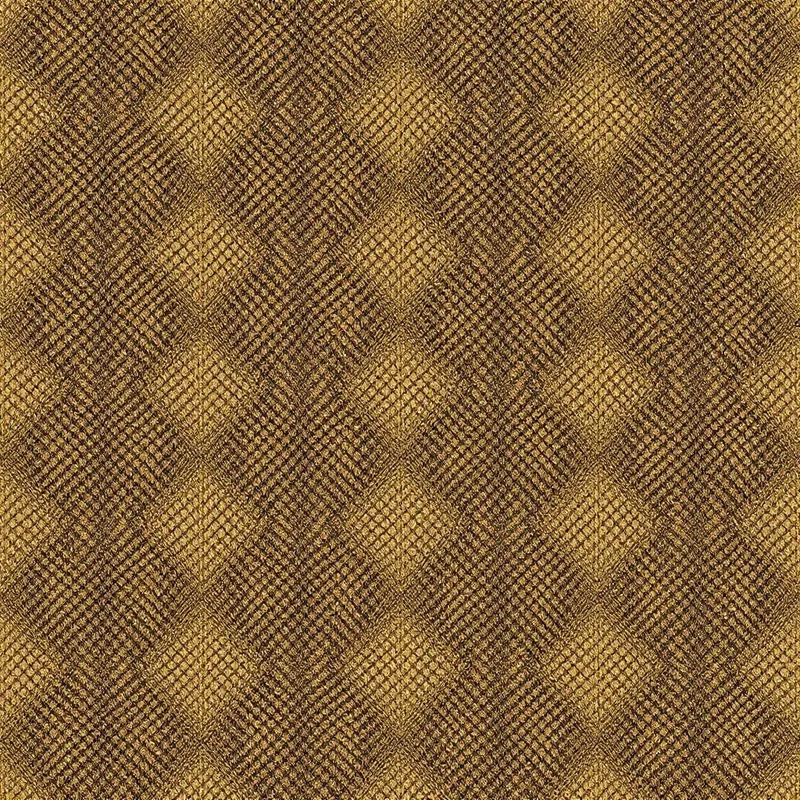
A well-built snake skin pattern is one of the few animal prints that reads as both luxury and graphic at the same time. The interlocking rhomboid scales sit somewhere between a textile and an architectural grid, which is why python and viper motifs keep coming back — they survive every fashion cycle because they work at any scale, from a clutch bag to a feature wall. This guide is for designers building a snake skin pattern from scratch in 2026: what the motif actually is, where it came from, how to construct it cleanly, and where the prints sell.
What is snake skin pattern?
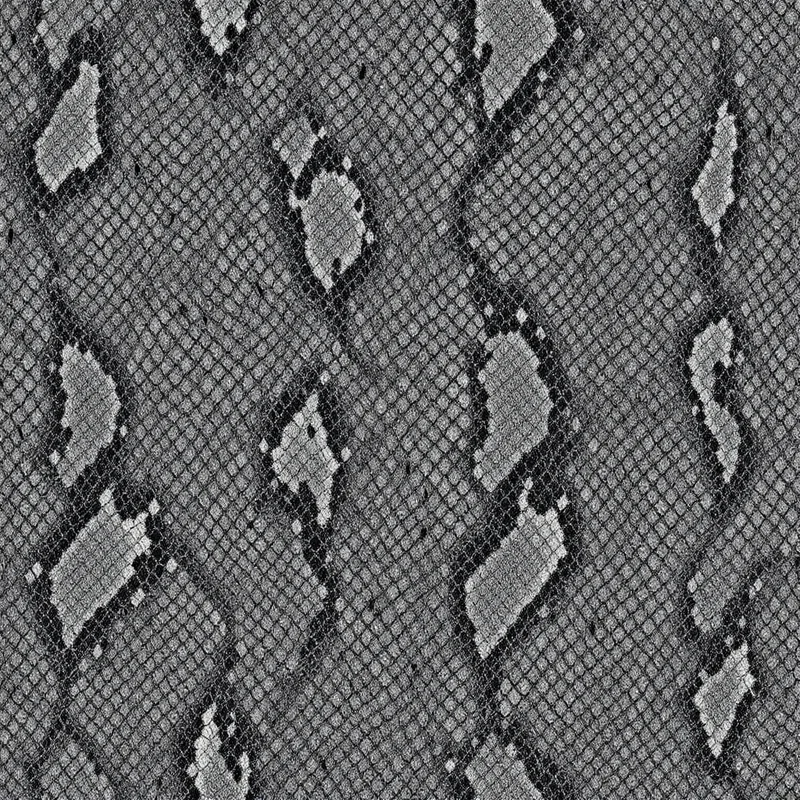
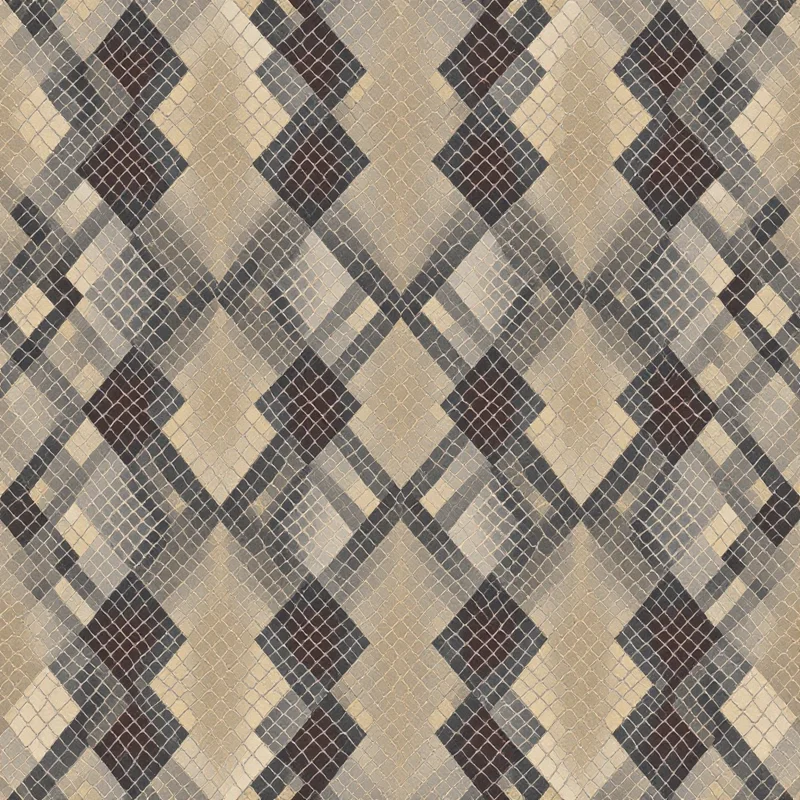
A snake skin pattern is a surface design built from a grid of overlapping scale shapes — typically rhomboid, oval, or elongated hexagonal — staggered row by row to mimic the dorsal scales of a real snake. The motif has two layers: the geometric scale grid itself, and the dark dorsal markings that ride on top of it in irregular bands or spots. Together they produce the mottled depth that makes a snake skin pattern read as organic rather than purely geometric.
Snake skin pattern belongs to the broader animal print family alongside leopard, zebra, cheetah, and tiger, but the underlying geometry makes it different to work with. Leopard is a scatter, zebra is a stripe — snake is a grid. That grid structure makes seamless repeats easier to construct and harder to ruin, which is one reason the motif licenses so well across textile, wallpaper, and packaging categories.
Where snake skin pattern comes from
The motif enters surface design through two doors. The first is the luxury leather trade — Hermes, Lanvin, and a cluster of smaller Paris ateliers tanning python and karung skins for handbags, shoes, and belts from the 1910s onward. The second is Art Deco textile design in the 1920s, where the natural scale geometry got abstracted into stepped diamond repeats for upholstery and dress fabric. The two streams converged in the 1930s and have run parallel ever since.
Snake skin pattern has resurfaced in every fashion cycle since. The 1970s glam-rock era pushed it onto stage costumes and platform boots. The 1990s minimalist wave used it sparingly as accent trim. The late 2010s python boom — led by Gucci, Versace, and Roberto Cavalli — put it on everything from runway gowns to phone cases. The 2026 direction has cooled the hyperrealistic photographic treatments in favor of stylized, painterly snake skin pattern work that signals the reference without the predator-luxury weight.
Visual hallmarks of snake skin pattern
A strong snake skin pattern hits a few specific visual notes:
- Rhomboid scale grid. The base unit is a diamond or elongated hexagon, repeated in staggered rows so each scale overlaps the corner of the one below.
- Tonal gradient inside each scale. Real snake scales catch light at the keel, so each scale shape carries a subtle gradient from light center to darker edge.
- Irregular dorsal markings. Dark blotches, bands, or saddle marks ride on top of the grid in irregular but rhythmic placement.
- Two-tier contrast. Light belly base, mid-tone scale field, dark dorsal markings — three tonal layers give the pattern depth.
- Organic edge variation. Mechanically perfect scales read as plastic. The best snake skin pattern work softens the scale edges and varies the geometry slightly row to row.
If a design hits four of these five, it reads as snake. If it misses two or more, it falls back into generic scale texture and loses the reptilian specificity.
How to generate snake skin pattern in Pattern Weaver
The studio handles snake skin pattern as a first-class motif inside the Animal Print category. The walkthrough is short:
- 1Open the studio and select Animal Print. Open Pattern Weaver's studio, browse the category list, and select Animal Print. From the substyle options choose Snake, Python, or Reptile Scale depending on the look — Python gives bold reticulated diamonds, Snake gives a generalized scale grid, Reptile Scale leans more architectural.
- 1Set scale and density for visible scale geometry. Move the scale slider to medium-large so individual rhomboid scales are clearly visible rather than blurring into noise. Set density to heavy so the scales pack tightly across the surface.
- 1Pick a two or three color palette. Choose a contrasting palette — dark dorsal markings against a lighter belly base. Two colors read graphically, three add depth. Avoid more than four colors unless you want a painterly variant.
- 1Generate variations and pick the strongest tile. Generate two or three options and compare scale alignment, color balance, and edge clarity. Pick the tile where the scales feel organic rather than mechanically gridded.
- 1Export at 4K or 8K for production. Export at 4K for apparel and accessories or 8K for wallpaper and upholstery. Choose PNG or TIFF for print workflows, SVG if the design needs to scale to mural or wrap sizes without quality loss.
Pattern Weaver handles the seamless tiling automatically — the rhomboid grid lines up across the tile edges with no manual repeat fixing.
Color palette ideas for snake skin pattern
Naturalistic palettes pull from the ecosystems real snakes live in:
- Desert viper. Sand, ochre, charcoal — high-contrast diamonds on a warm cream base.
- Jungle anaconda. Olive, moss, espresso — wet-looking dark scales with green undertones.
- Albino python. Cream, butter, pale gold — soft tonal markings on an off-white base.
Fashion-forward palettes break the naturalism on purpose:
- Emerald cocktail. Deep emerald base with black dorsal markings and gold scale edges.
- Oxblood evening. Burgundy and charcoal with a cream belly band.
- Pink and clay. Dusty rose and terracotta — the 2026 stylized direction.
- Metallic glam. Gold or silver scales on a black ground, for accessory and packaging work.
Two-color palettes work best on apparel where the pattern competes with garment construction. Three-color palettes suit wallpaper and home textiles where the eye lingers longer.
Best use cases
Snake skin pattern licenses well across a wider range of categories than most animal prints because the underlying grid scales cleanly:
- Apparel. Dresses, blouses, swim, and resort wear. Stylized treatments outsell photorealistic in 2026.
- Accessories. Handbags, wallets, phone cases, belts. The original luxury home for the motif.
- Wallpaper. Feature walls in dining rooms and powder rooms. Larger tile sizes (8K) and richer palettes.
- Upholstery and cushions. Chairs, ottomans, throw pillows. Sturdy substrates that show the scale geometry well.
- Packaging. Cosmetic boxes, fragrance, premium spirits. The luxury association still reads.
- Stationery and gift wrap. Cards, journals, wrapping paper. Lower-cost entry to the print category.
For a wider tour of where animal print sells, the print on demand guide covers the substrate and pricing math by category.
Pro tips for stronger snake skin pattern repeats
A few things separate competent snake skin pattern work from forgettable:
- Vary the dorsal marking placement. Mechanically repeating dark bands kills the organic feel. Stagger them irregularly across the tile.
- Soften the scale edges slightly. Pure hard-edge geometry reads as plastic. A 1-2 px feather inside each scale shape adds skin-like softness.
- Check the tile at 25% zoom. A snake skin pattern that reads well at full resolution but goes muddy at thumbnail size will not sell. Test small.
- Avoid the obvious palette. Black-and-cream python is oversaturated in the market. Push into unexpected palettes to differentiate.
- Mind the seam. Even with automatic seamless tiling, run a visual check — the rhomboid grid should not have a visible vertical or horizontal line where the tile edges meet. The seamless patterns guide covers the diagnostic checks.
For the underlying generation workflow that applies to any motif, the AI pattern guide walks through the prompt-to-export path in detail.
Generate your own snake skin pattern
A snake skin pattern is one of the strongest commercial motifs a surface designer can hold in a portfolio — it sells year-round, scales across categories, and stays in fashion through every cycle. Pattern Weaver's studio handles the scale geometry, seamless tiling, and palette construction so the work goes from idea to production-ready file in minutes rather than days.
Open the studio to generate a snake skin pattern with the scale, palette, and density you need. Browse the full motif library at create to see how snake fits alongside the other animal print options, and check pricing for the credit packs that include commercial license on every export up to 8K in PNG, JPG, WEBP, TIFF, PDF, and SVG.