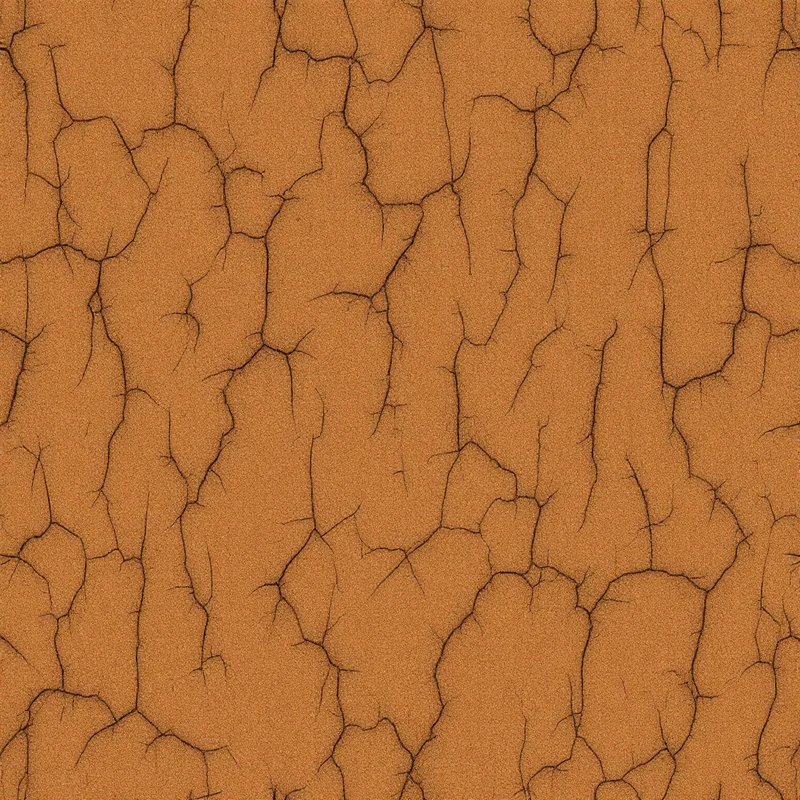
Texture is the pattern category you notice by feeling it, even in print. A linen print can make a flat color feel woven, and a concrete print can make a packaging background feel industrial. Textures also carry a rare benefit: they have no focal point, so they sit under other designs without competing.
Woven and fabric textures
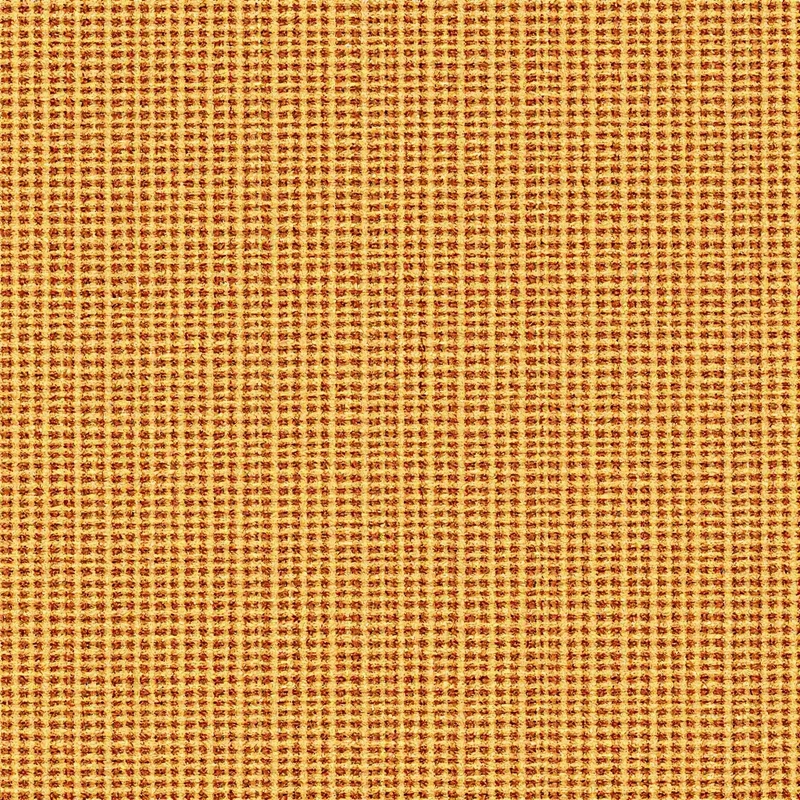
Linen and canvas. A fine, slightly irregular grid with occasional slubs, which are small thick spots in the yarn. Neutral oatmeal tones (#D8CDB8, #BFB29A) read as natural. Browse linen patterns.
Burlap and hessian. A coarse, open weave. Scale it up so the threads are visible, and keep the color to a warm tan.
Denim and twill. Diagonal lines in two tones, with faded streaks. Needs a diagonal grain to read as denim.
Tweed, felt and flannel. Flecked, fuzzy surfaces. Felt is dense and nearly uniform, with a soft grain, while tweed mixes colored flecks in the weave. For the structures behind these, see types of weave patterns.
Organic textures
Wood grain. Long flowing lines with knots and growth rings. Draw the grain in lines of varying spacing, never in perfect stripes.
Bark. Vertical cracks and ridges with irregular spacing.
Cork. A dense scatter of tiny irregular flecks in several tans. Cork is a good small-scale background.
Leather and suede. Leather has a pebbled grain made of tiny cells, while suede is a soft, matte nap. Both need low contrast to look real.
Mineral textures
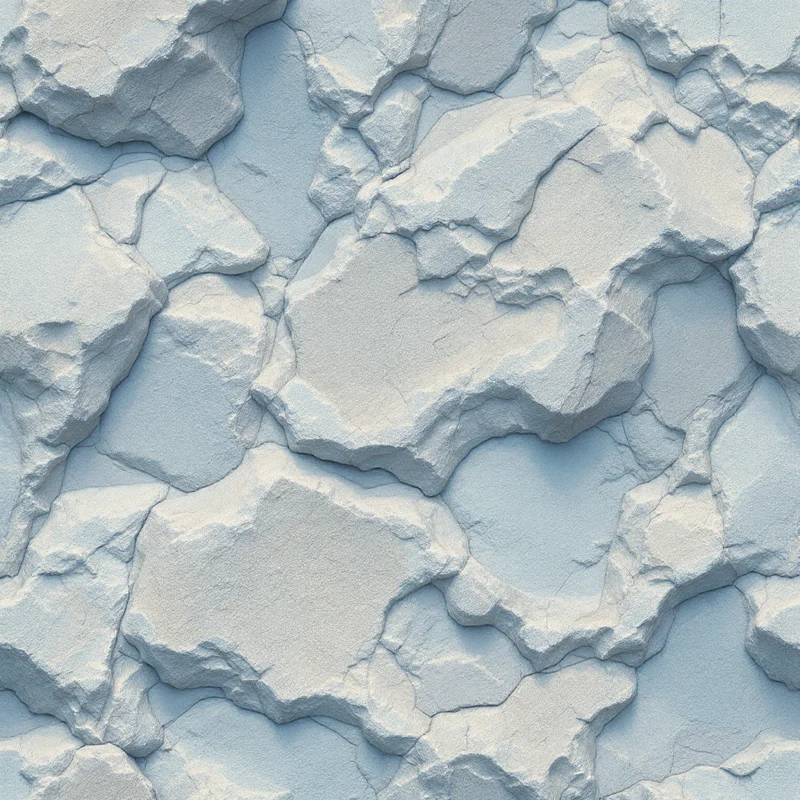
Concrete. Mottled gray with tiny pits and subtle cloudy shifts. Concrete is the easiest texture to fake and the easiest to overdo. Keep the value range small. See concrete patterns.
Plaster and stucco. Soft, trowel-like swirls and low ridges, warmer than concrete.
Sand and terracotta. Fine grain and warm color, good for desert palettes.
Marble, granite and slate. The stone family has its own rules, covered in types of marble and stone patterns.
Paper textures
Watercolor paper. A fine, irregular tooth. Great under washes.
Kraft and recycled paper. Brown tones with visible flecks and fibers.
Handmade paper. Long, soft fibers and deckled irregularity.
Paper textures are the quickest way to make a digital pattern feel hand-printed.
Grain, noise and print effects
Film grain. Tiny, random speckles across the surface.
Risograph grain. A dotted, uneven ink coverage with slight color misregistration.
Halftone. Dots of varying size forming tones, borrowed from newspaper printing.
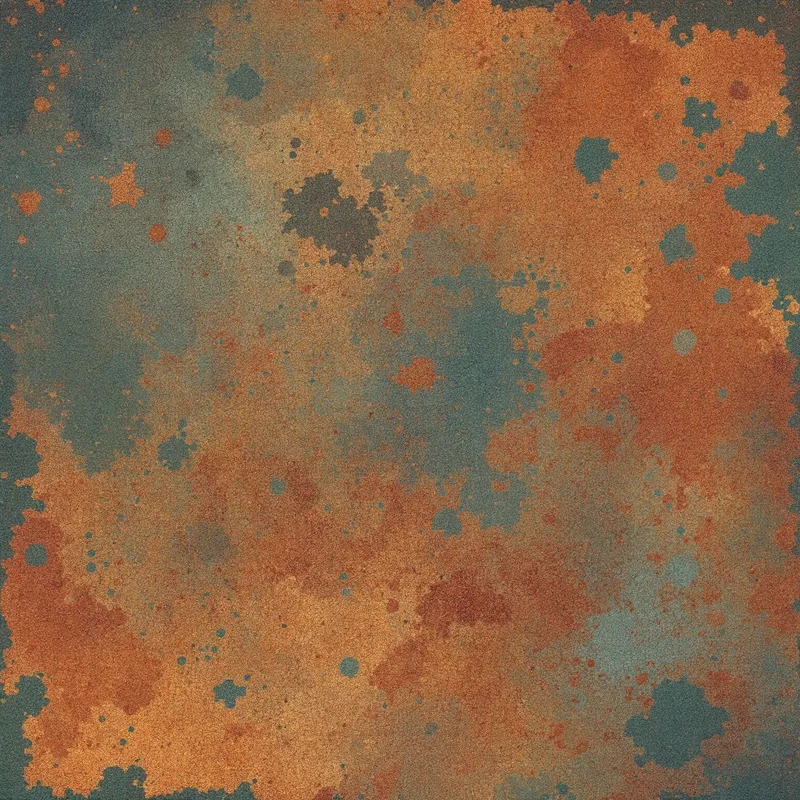
Distress and grunge. Scratches, cracks and worn paint. Use sparingly on top of other designs.
Dimensional textures
Embossed and debossed. Raised or sunken surfaces, usually shown with a soft highlight and shadow.
Quilted and puffy. Diamond or channel stitching with pillowy shading.
Hammered metal and glitter. Small, reflective facets, usually at tiny scale. Hammered metal needs a little directional highlight, while glitter needs bright flecks on a darker ground.
Making textures seamless
- 1Offset, then fix. Shift the image by half its width and height, so the edges meet in the middle, and retouch what appears.
- 2Flatten the light. Remove gradients and bright corners. A texture with one light side will show its repeat immediately.
- 3Avoid unique marks. A single big scratch or knot will repeat visibly. Keep any large feature to one or two per tile and spread them out.
- 4Check at scale. Tile it three by three and look for repeating blotches.
If you need more tips on what goes wrong, see the seamless pattern mistakes guide.
Using textures with other patterns
| Method | Effect |
|---|---|
| Texture under a pattern | Adds depth to the ground color |
| Texture over a pattern, multiply or overlay | Makes color look printed, woven or aged |
| Texture as the pattern | Quiet background for packaging, stationery |
Keep texture contrast low. If the texture competes with the motif, lower its opacity until it only shows in the lighter areas.
Browse the seamless texture generator page for starting points. In Pattern Weaver, Restyle changes the finish of a pattern, which is a fast way to see one design with a different texture, and the Tiling Fixer repairs any edges that do not meet.
Explore related pattern styles