Design characteristics
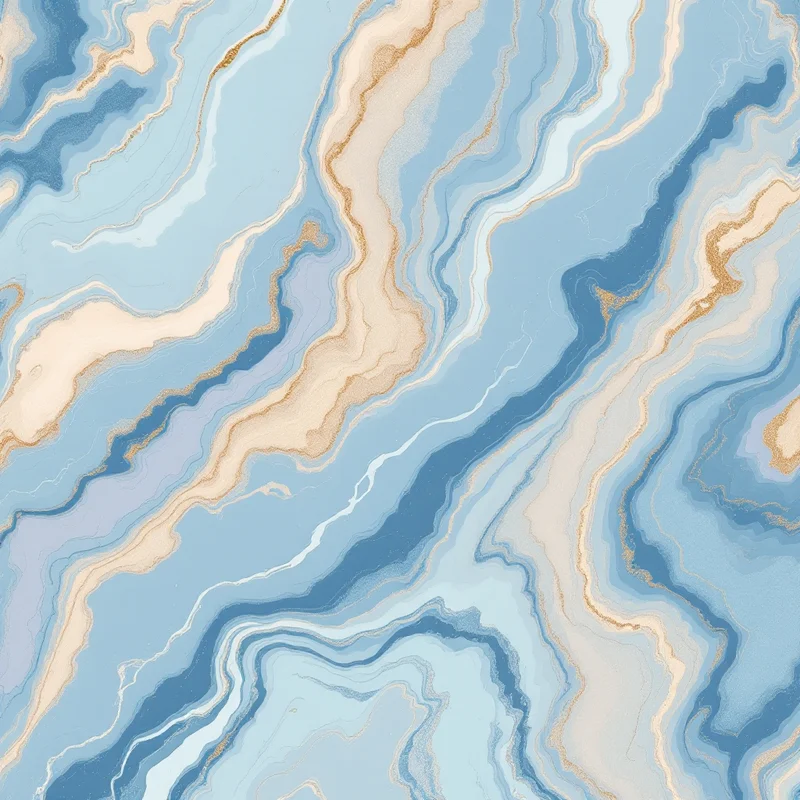
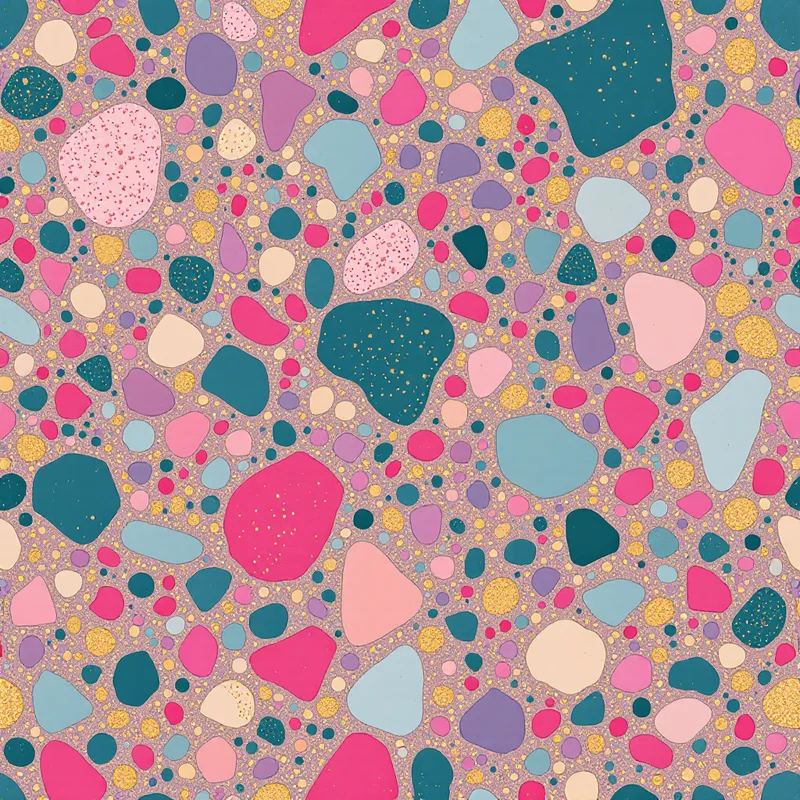
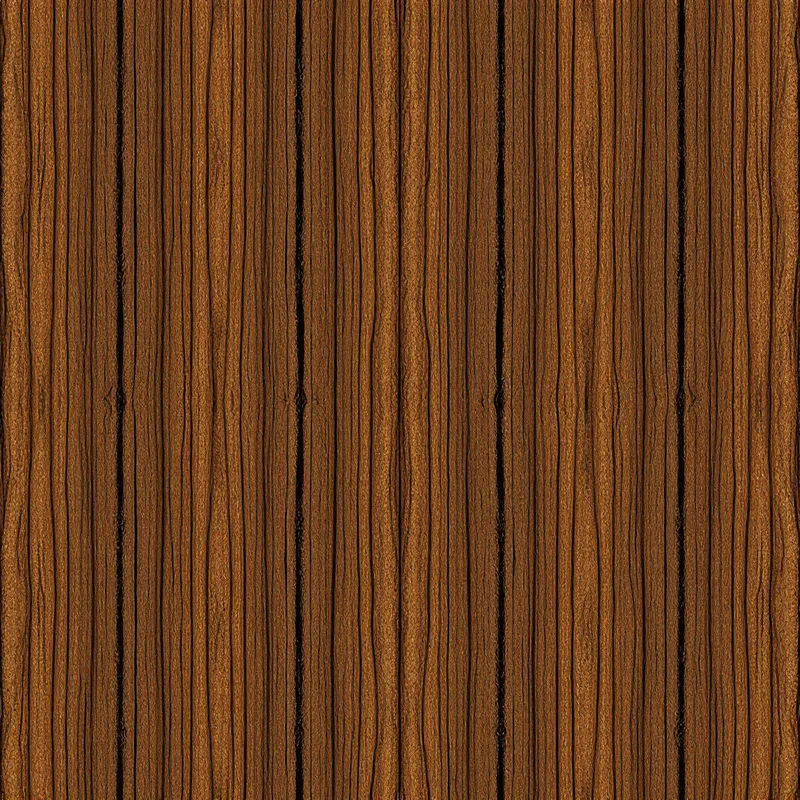
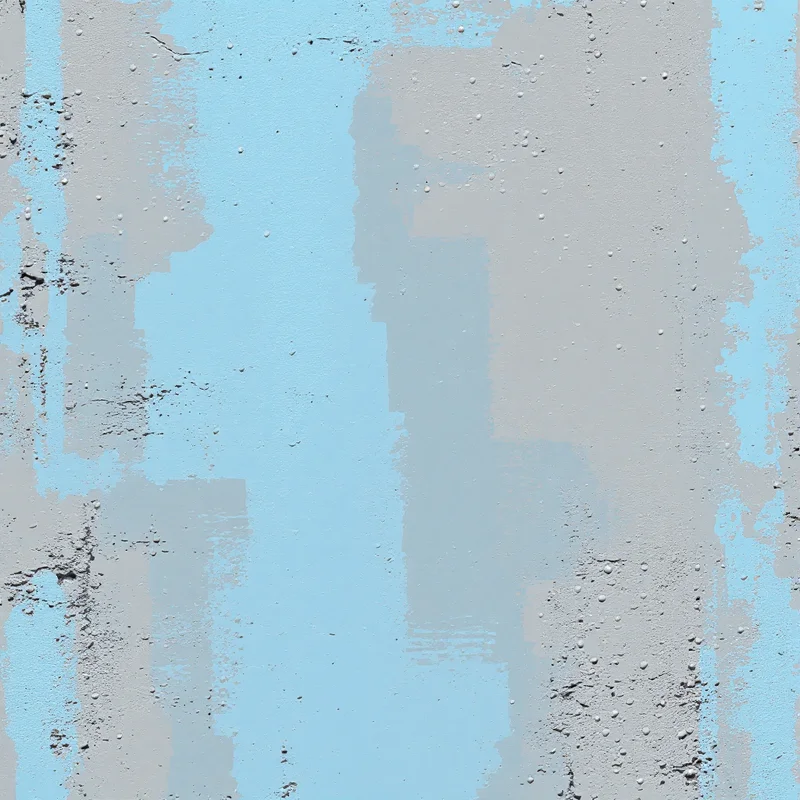
The look traces back to mid-century brutalist architecture, where exposed concrete (beton brut) became a statement of structural honesty rather than something to hide behind cladding. That heritage still drives the aesthetic today. Board-formed concrete keeps the linear grain of timber molds, terrazzo scatters colored chips across a cement base, and microcement delivers a flat, near-seamless wash. Designers reach for these patterns when they want a backdrop that feels grounded, contemporary, and quietly luxurious without competing with foreground elements.
Commercial applications
Typical concrete palettes stay cool and muted: ash gray, slate, dove, oyster, and graphite, often warmed with a hint of putty or sand. Accent versions push into oxidized rust, mossy patina, or charcoal-black for a more dramatic industrial mood. Because the tones are neutral, concrete patterns pair effortlessly with bold typography, metallic foils, and saturated brand colors, which is why they appear so often in packaging and editorial layouts.
Where to use concrete patterns: raw texture designs for modern surfaces patterns
Across products, concrete works as a versatile neutral. On wallpaper and peel-and-stick murals it brings loft-style texture to a feature wall. In fashion it shows up on streetwear hoodies, tech-fabric jackets, and tote bags where the urban texture suits the aesthetic. Home decor uses it for cushion covers, ceramic-look table linens, and shower curtains, while packaging designers wrap it around premium cosmetics, candles, and spirits to signal understated craftsmanship. Stationery, phone cases, and laptop skins round out the accessory uses.
Customization & export
Pattern Weaver lets you dial in the exact concrete you need. Push the density slider down for a clean polished slab or up for heavily pitted, weathered cement; adjust scale so the aggregate reads as fine dust on a small label or coarse pebble across a full wall; and shift the color controls from default cool gray into warm sandstone, terrazzo confetti, or moody charcoal. Every tile is generated to repeat seamlessly, so there are no visible seams when it spans a large surface.
When the design is right, export it at up to 8K (8192x8192) in PNG for digital mockups and web, TIFF for print-on-demand and textile mills, or PDF for press-ready packaging artwork. With Pattern Weaver you can move from a rough concrete sketch to a production-ready, fully seamless file in a few minutes, ready to drop straight into your product workflow.