


Design characteristics
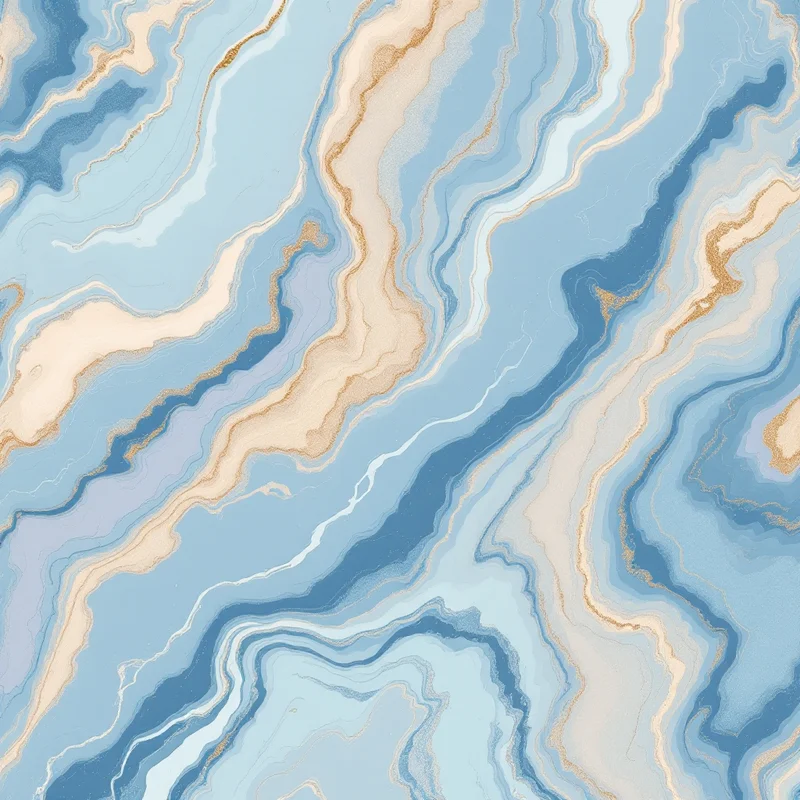
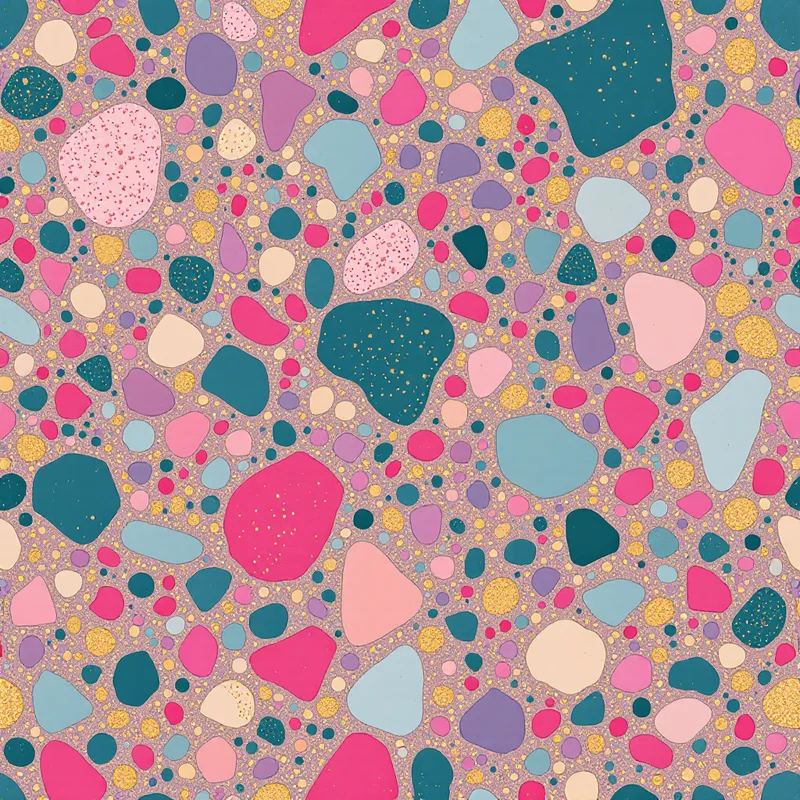
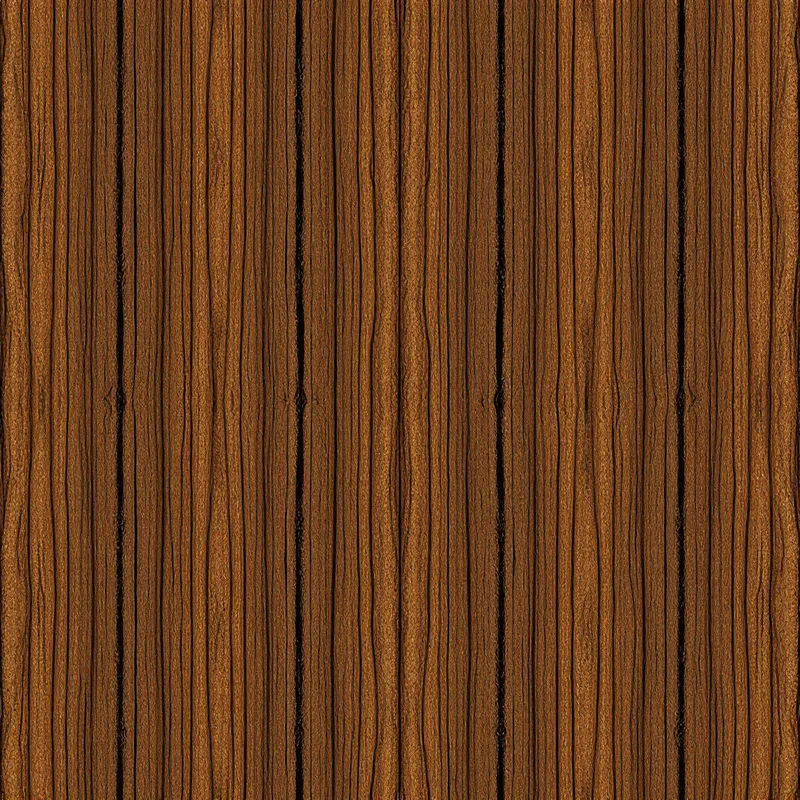
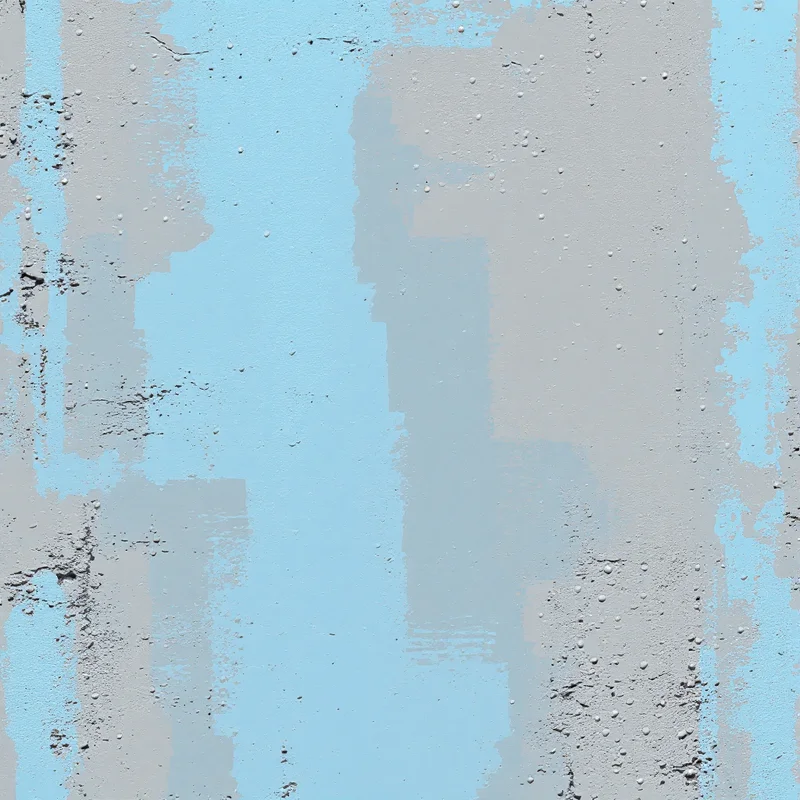
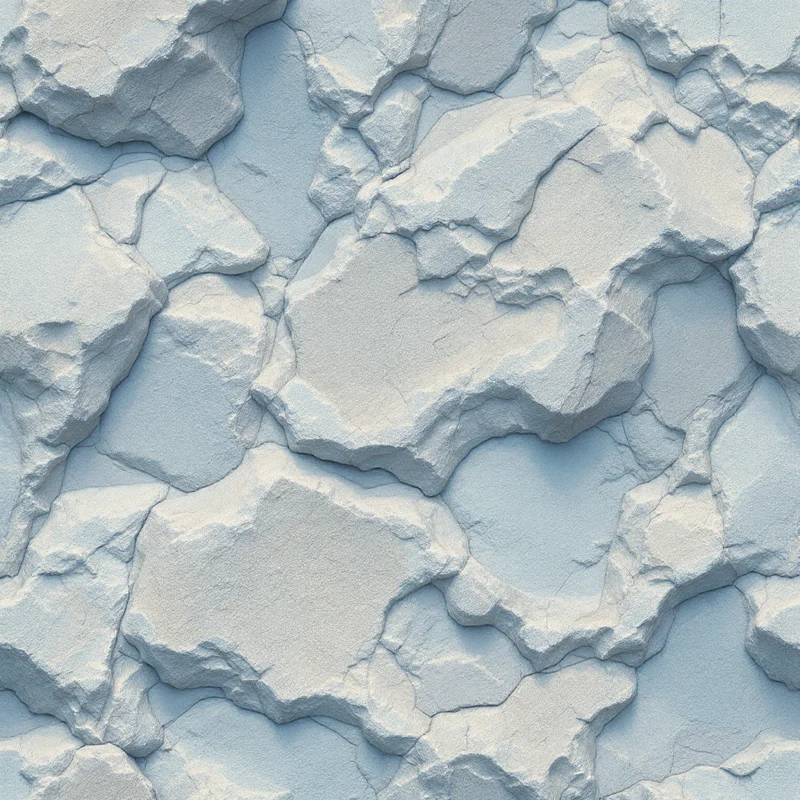
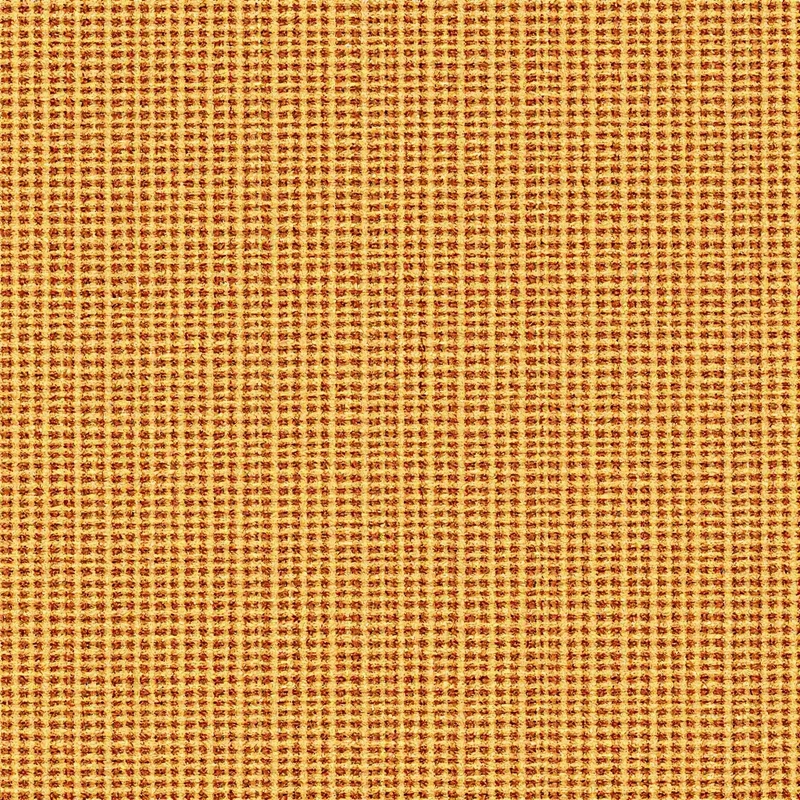
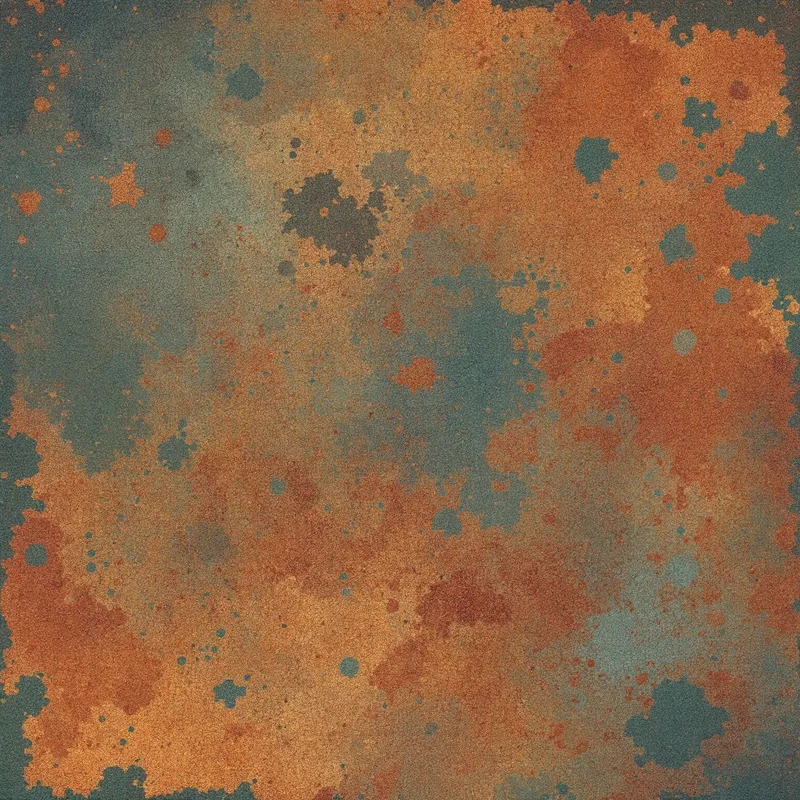
Texture work has deep roots in surface craft. Long before digital tiling, weavers, plasterers and printmakers built repeating grounds by hand, matching the rhythm of threads, trowel marks and engraved lines so a wall or bolt of cloth read as one continuous field. The modern generator keeps that logic but removes the tedium of aligning seams by hand. Typical palettes lean neutral and material-true: stone greys, sand and clay tones, oxidised metals, raw linen and denim blues, warm wood browns and the cool blue-greens of patinated surfaces. These muted grounds make textures easy to layer under bolder motifs or use on their own as a quiet backdrop.
Commercial applications
Designers reach for seamless textures because one tile covers an unlimited area at any size. A single linen weave can dress a sofa, a curtain and a cushion in a matching set; a marble tile can wrap a phone case, a notebook cover and a gift box without a hint of repetition. The same asset works as a fabric ground for upholstery and apparel, a wallpaper field for feature walls, a print substrate for packaging and stationery, and a material map for 3D rendering and product mockups. Because the texture is resolution-independent at the point of generation, it scales from a small swatch to a full wall without distortion, which keeps a single asset useful across a whole product line rather than forcing a redraw for each new size.
Where to use seamless texture generator for tileable surfaces patterns
The practical workflow is built around control. Density adjusts how busy the surface reads, from a fine smooth grain to a heavy, pronounced relief. Scale sets the physical size of the texture detail, so the same concept can become a tight microweave or a large, open aggregate. Color controls let you recolour the ground to match a brand or collection palette, swapping a warm sand base for a cool slate or a saturated accent in seconds. Every change re-tiles automatically, so the result stays seamless no matter how you tune it.
Customization & export
Pattern Weaver turns those settings into finished, print-ready files. Once a texture looks right you can export it at up to 8K (8192x8192) in PNG for clean transparency-aware art, TIFF for fabric printers and high-end production, JPG and WEBP for fast web and mockup use, PDF for packaging and pre-press handoff, and SVG where a vector workflow fits. The tiles are true repeats, so your printer or 3D software can step-and-repeat the file across any surface area with no seams to patch.
For surface and product designers, a seamless texture generator collapses hours of manual edge-matching into a few guided choices. Pattern Weaver lets you explore material directions quickly, lock a palette, dial in density and scale, and walk away with a tileable asset ready for textiles, fashion, home decor, accessories and packaging alike.