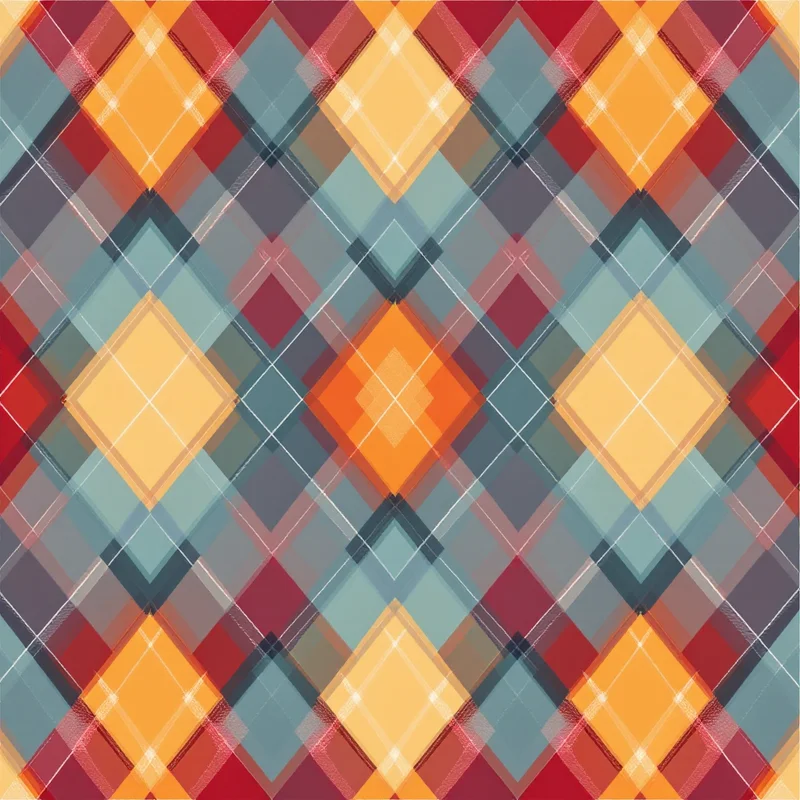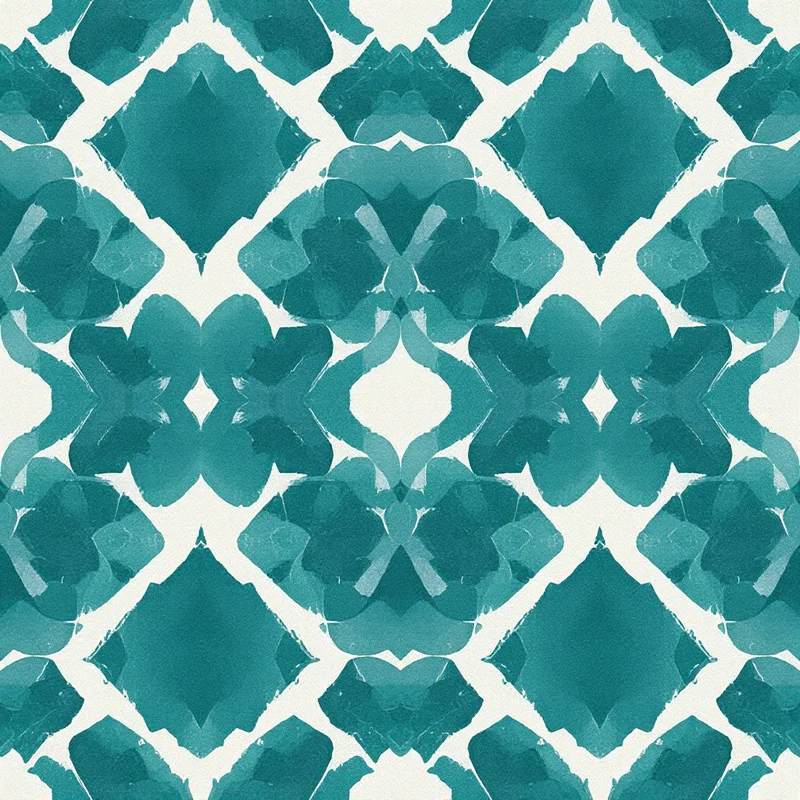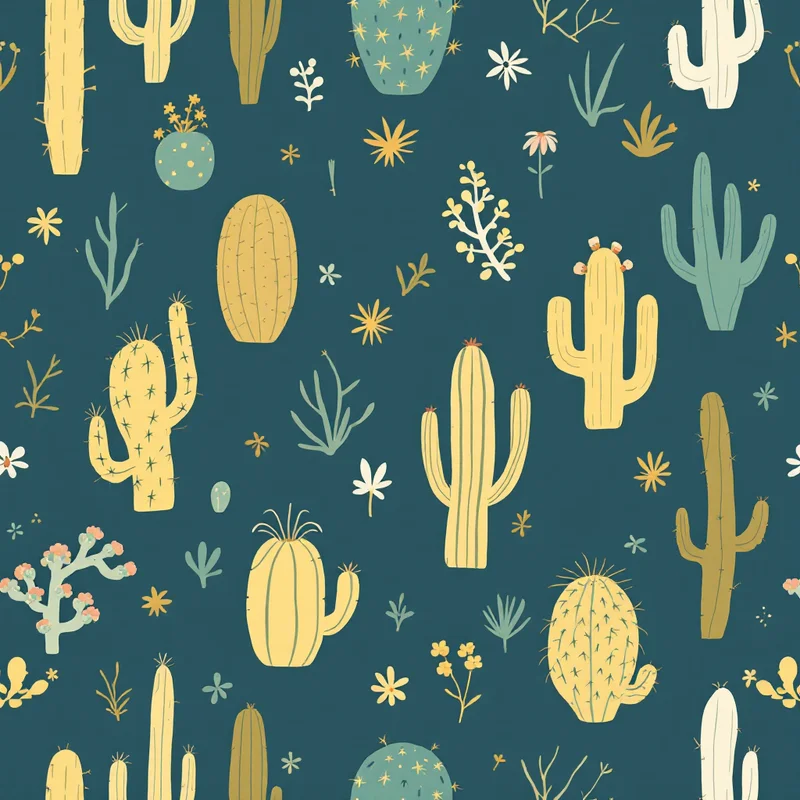
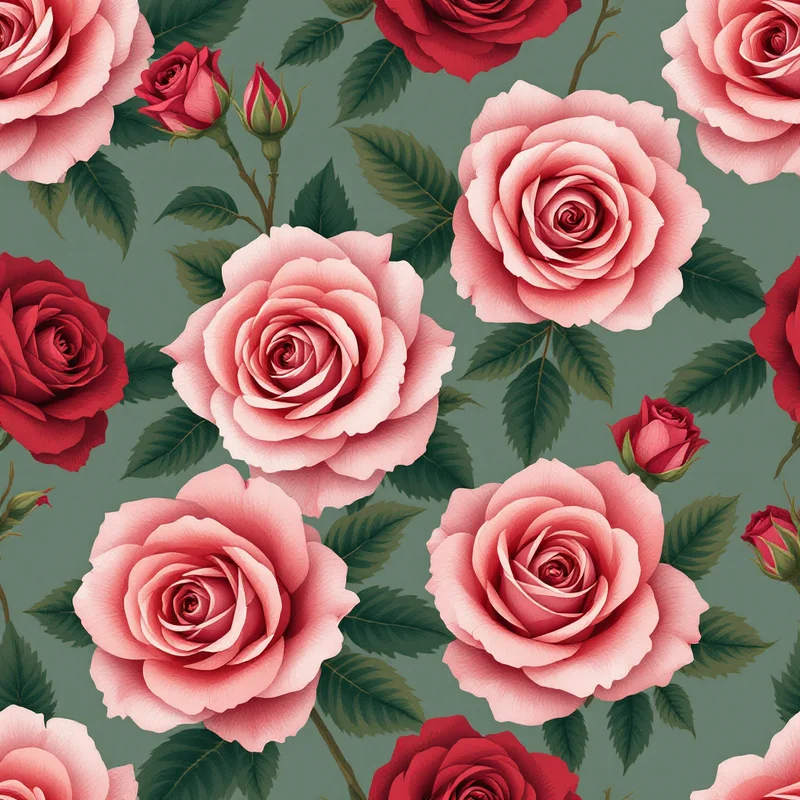
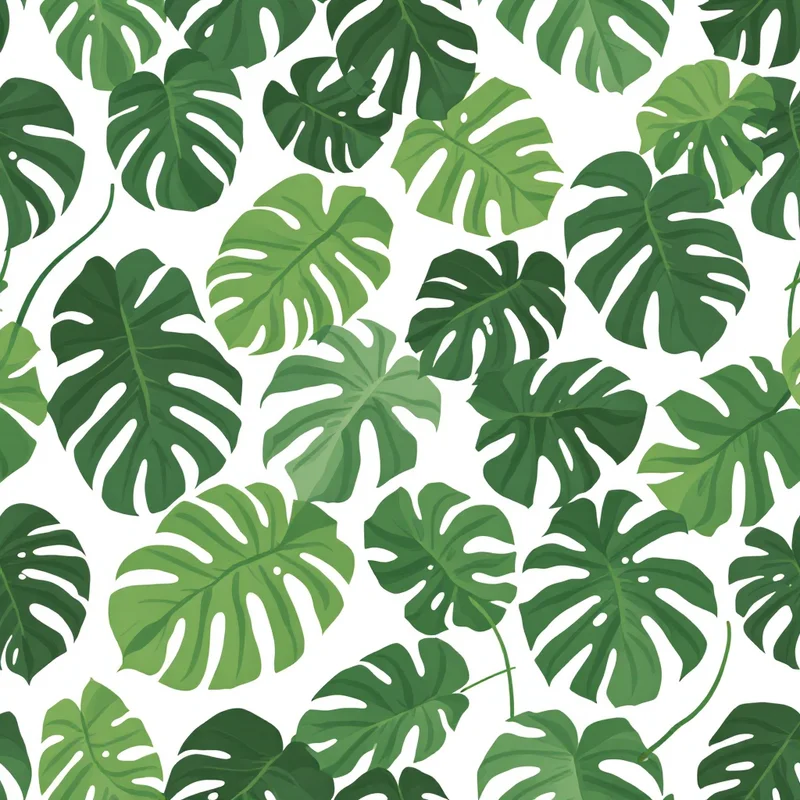
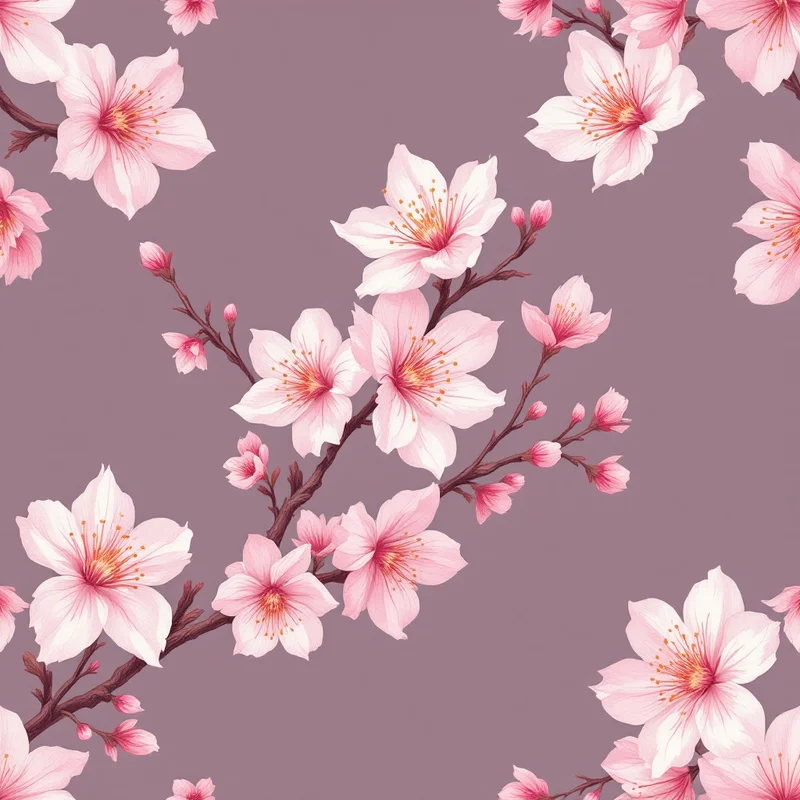
The tote bag has become an oddly powerful product in the contemporary surface pattern market. What started as a utilitarian grocery and book carrier has evolved into a signal-bearing personal accessory — bookstore totes, museum totes, brand totes, designer collaborations and independent designer totes have all merged into a category where the print is the entire reason to buy. The customer is purchasing something to carry their belongings; they are also purchasing something to carry on their shoulder through a public space. The print is doing brand work, identity work, aesthetic work, and conversation-starting work in addition to its decorative role.
For pattern designers, the tote bag market is one of the most accessible and democratised commercial categories. Print-on-demand totes through Society6, Redbubble, Spoonflower and similar platforms generate steady passive income for thousands of independent designers. Premium boutique totes for museums, bookstores and brand collaborations support higher-margin custom work. The format constraints are simple, the print runs are flexible, and the customer base is broad. Understanding what makes a tote pattern commercially successful — and what makes one fail in the market despite being aesthetically strong — is the foundation for building a sustainable practice in this category.
The Tote Format
A standard tote bag is a flat rectangle, typically around 38 by 40 centimetres for the body with a gusseted bottom that adds depth when filled. The print is usually placed on one or both faces with print areas typically around 30 by 35 centimetres after accounting for handle attachment and bag construction. The handles are usually a contrasting colour (natural canvas, black, navy) or matching the body.
The functional viewing context is the tote being carried by a person. The most-viewed area when worn is the lower two-thirds of the bag — the upper third is often partially obscured by the wearer's arm or the shoulder strap. This affects compositional strategy. Patterns that place all their visual weight at the top of the bag lose impact in worn use. Patterns that distribute interest across the lower and middle areas, with the top providing supporting context, hold their visual presence.
Two formats dominate the commercial tote market. All-over patterns cover the entire bag surface with continuous repeat. They work well for bags positioned as fashion accessories where the print is the design statement. Centred compositions place a single illustration, scene or text-and-image piece in the centre of the bag face with bag colour as background. They work well for bags positioned as message-carrying accessories — book quotes, brand identifiers, museum collections, illustrated scenes.
All-Over Repeat Strategy
For all-over tote patterns, the motif scale should be calibrated against the visible print area when worn. A pattern with very large motifs may show only one or two full motifs across the bag, which can read as disconnected fragments rather than as a cohesive design. A pattern with very small motifs may fragment into texture that loses its identity from typical viewing distance.
The sweet spot for most tote applications is medium motif scale — motifs roughly six to twelve centimetres in major dimension — that allows multiple full motifs to be visible while preserving motif identity. This scale also handles the bag's natural folding and bunching gracefully when the bag is filled or set down.
Density strategy matters. High-density patterns with edge-to-edge motif coverage read as energetic and visually rich. Lower-density patterns with significant negative space read as quieter and more sophisticated. Both strategies have substantial commercial success but they appeal to different customer segments. Tote bags positioned as fashion-forward accessories trend toward higher density; tote bags positioned as understated daily-carry essentials trend toward lower density.
Directional patterns work on totes but require attention to orientation. Most totes are printed with the design's "up" orientation matching the natural up of the bag in worn position. Designs with strong directional flow read elegantly when oriented correctly and can read awkwardly if the production reverses orientation between front and back faces. Designers should specify orientation clearly in their delivery files.
Centred Composition Strategy
Centred tote designs treat the bag face as a single illustrated rectangle. The composition can be a full illustration, a scenic vignette, a typographic piece with decorative elements, a portrait or character design, or a combination. The key constraint is that the design needs to read coherently as a single piece while occupying roughly the central two-thirds of the bag's visible surface area.
Successful centred designs share several characteristics. They have a clear primary visual focus that draws the eye. They provide enough visual interest in surrounding supporting elements to avoid the composition feeling isolated against the bag background. They have a colour palette that coordinates with likely bag colour choices — natural canvas, black, navy, white — rather than only working against one specific background colour.
Pattern designers transitioning from textile design or wallpaper work into tote design sometimes struggle with centred compositions because the constraints differ from repeat-pattern design. The composition has to work as a finished piece, not as a tile. The negative space is part of the composition, not implicit between tiles. The colour relationships are evaluated as a single image, not as how they tile and interact across distance.
Palette Strategy
Tote bag palettes have wide latitude because the customer is choosing the bag as a personal accessory. The two main palette strategies are high-contrast graphic palettes and tonal sophisticated palettes.
High-contrast graphic palettes use bold colour combinations — black with one or two saturated accents, white with strong primaries, navy with mustard and coral — that read clearly from across a street. These patterns dominate fashion-forward and youth-oriented tote markets. They photograph well on social media, perform well in retail display, and signal energy and identity clearly.
Tonal sophisticated palettes use restrained colour combinations — variations within a single colour family, soft earthy palettes, monochromatic with subtle accents — that read as considered and refined. These patterns dominate premium and design-forward tote markets. They coordinate with broader wardrobe choices and signal taste rather than statement.
A third palette strategy works for print-on-demand platforms specifically: white-base designs that print on coloured bag bodies. The customer chooses both the design and the bag colour, and the design needs to work against multiple bag background possibilities. This requires designs with strong silhouettes, clear motif definition, and colour relationships that survive being placed against natural canvas, black, navy, sage, blush and other common print-on-demand bag colours.
Production Considerations
Tote bag printing is dominated by two production methods. Screen printing produces excellent colour saturation and durability but is cost-effective only for medium to large print runs and limited colour counts (typically up to six colours). Digital direct-to-garment or direct-to-substrate printing handles unlimited colours and short runs but with less colour saturation and more variable durability.
Print-on-demand tote bags use digital printing exclusively. Designers entering this channel should design with the understanding that very saturated colours will print slightly muted, and very subtle gradients may flatten to a small number of perceptible tonal steps. Test prints are valuable before launching designs actively.
Premium screen-printed totes allow for higher saturation and more confident colour but require designs structured around limited colour palettes. The designer typically receives colour separation guidance from the print shop and may need to adjust pattern designs to reduce colour count to fit the production economics.
For file delivery, deliver patterns at 300 DPI in CMYK for screen printing or sRGB for digital direct-to-substrate. Provide files at the actual bag print area dimensions with appropriate bleed for the production method. For centred compositions, include the file as a layered file with the central illustration and any background colour treatment clearly separated.
Building a Tote Bag Programme
Independent designers selling totes through print-on-demand platforms typically build success through volume rather than through any single hit design. A portfolio of fifty to two hundred designs across a range of themes — botanical, geometric, typographic, scenic, character-based, seasonal — generates steady passive income across the long tail of customer search and discovery behaviour on the platforms.
The most successful independent tote sellers tend to develop a recognisable design voice that customers and platform algorithms reward. This means a consistent aesthetic approach across the portfolio — perhaps a watercolour botanical voice, a bold graphic geometric voice, a hand-lettered typographic voice — rather than a portfolio of stylistically scattered designs. The platform algorithms tend to surface designers with coherent portfolios more reliably than designers with fragmented work.
For licensing into premium boutique brands, the strategy is different. The licensed designer is typically being chosen for one specific aesthetic that the brand wants to add to their assortment. The pitch is built around showcasing the designer's strongest work in the relevant direction rather than around demonstrating range.
Tote bag pattern design is a category where independent designers can build substantial commercial momentum through accessibility, format simplicity and a strong understanding of how patterns translate into worn personal accessories. The constraints are real but they reward designers who think about the product as a complete object — pattern, bag colour, viewing context, social meaning — rather than as a simple repeating tile.
Explore related pattern styles
Patterns for