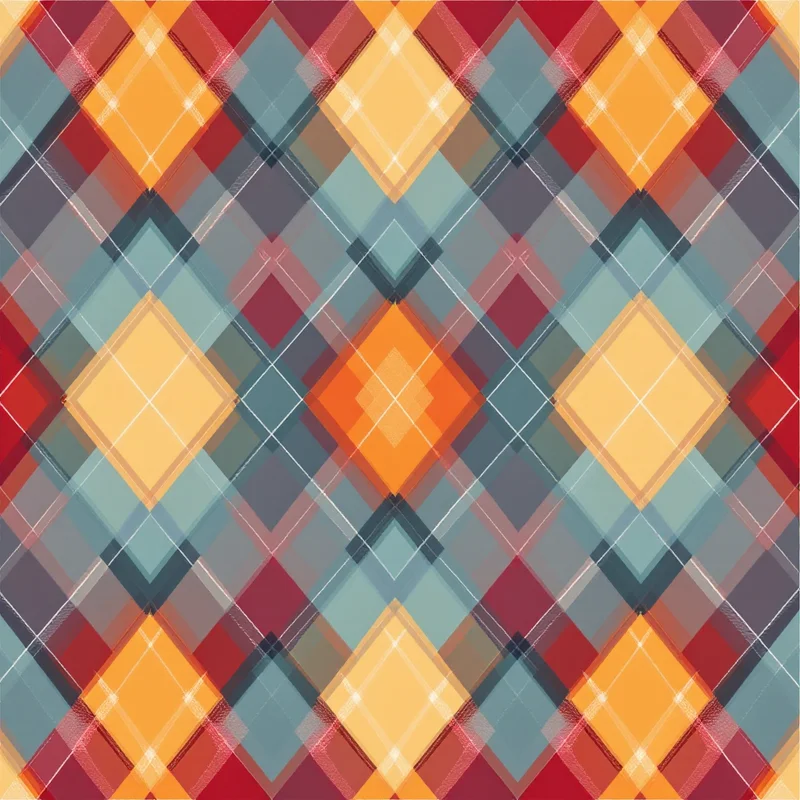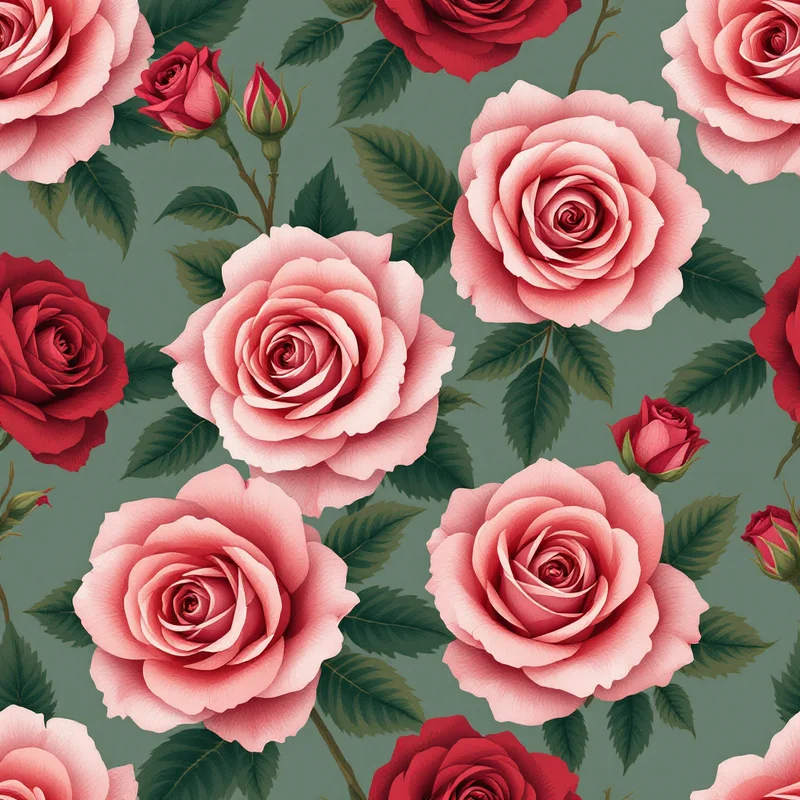
The silk scarf occupies a distinctive position in surface pattern design. Unlike most apparel applications where the pattern is a textile selection in a garment construction process, the scarf is the garment. The pattern is the entire product. The compositional decisions, the colour relationships, the motif arrangement and the border treatment together constitute the designed object. The customer is buying the print itself, not a fabric used in something else.
This shifts the design problem from repeat-pattern thinking toward what is essentially poster or framed-print thinking. The composition is finite, has clear edges, has a defined viewing geometry, and supports specific aesthetic conventions that have developed over centuries of scarf making. Designers transitioning from textile or wallpaper backgrounds often need to adjust significantly to operate effectively in this category, where the unit of design is a single rectangular composition rather than a repeating tile.
Format Conventions
The classic silk scarf format is a square typically measuring 90 by 90 centimetres for a large statement scarf, 70 by 70 centimetres for a medium scarf, and 50 by 50 centimetres for a smaller neck scarf. Hermès, the brand that essentially defined the modern luxury scarf, uses 90 by 90 centimetres as the standard for their flagship carré format, and most luxury producers have followed similar conventions.
The square format gives the designer four borders, four corners, and a central field that all participate in the composition. The classical luxury scarf composition uses these elements together: an ornamental border frames a thematic central scene or pattern, with corner elements that may be coordinated, separate motifs, or treatments that emphasize the corners as compositional anchors.
Rectangular scarves use different proportions — typically 70 by 180 centimetres for a stole, or 30 by 150 centimetres for a long neck scarf — and require compositional strategies that account for the elongated format. The two ends of a rectangular scarf may receive different treatments, with the central body acting as a connecting field.
Pocket squares are smaller — typically 30 by 30 centimetres or 33 by 33 centimetres — and follow many of the same compositional conventions as silk scarves but at compressed scale. The visible area when folded into a jacket pocket is only the top corners, which makes corner design particularly important. Pocket square designs are sometimes designed specifically with the folded display configuration in mind, so the corner elements act as the public face of the design.
Bandanas, headscarves and modern fashion scarves operate in their own compositional traditions. Bandanas typically use square format with all-over patterns rather than border-and-central-scene constructions. Modern fashion scarves can use any format and any compositional approach, often borrowing from textile or wallpaper design vocabulary rather than the classical luxury scarf tradition.
Compositional Strategy
The classical luxury scarf composition centres on a thematic anchor — a scene, a motif arrangement, a decorative panel — surrounded by an ornamental border with corner elements. This structure has held for the better part of a century and continues to support the luxury market.
The thematic anchor can be narrative (a hunting scene, a botanical garden, a maritime tableau), motivic (an arrangement of paisleys, a constellation of geometric forms, an abstract painterly composition), or mixed. Hermès specialises in narrative scenes drawing on equestrian, historical and exotic-locale themes. Other luxury houses use motivic arrangements drawn from heritage motifs — Etro paisley, Pucci geometrics, Burberry checks.
The border can be a continuous ornamental frame using classical motif vocabulary (acanthus, garlands, geometric meanders) or a contemporary frame using more abstract or modernised treatments. The border serves multiple functions: it visually finishes the design, it provides a transitional space between the central composition and the worn edge of the scarf, and it gives the scarf a quality of being a deliberate object rather than a cropped fragment of larger pattern.
Corner elements can echo border motifs, provide separate decorative anchors, or feature signature elements (brand monograms, decorative cartouches, themed corner illustrations). The corners are the most visible parts of the scarf when worn folded around the neck, which makes corner design particularly important for the worn appearance.
Contemporary scarf design has expanded beyond the classical structure. All-over pattern scarves — single repeats covering the full surface without explicit borders — have grown in market presence over the past decade. These designs work well when the pattern itself is strong enough to anchor a finite composition. Asymmetric and mixed-format scarves draw on contemporary art and editorial design vocabulary rather than classical luxury tradition.
Palette and Colour Strategy
Scarf palettes typically run more sophisticated and considered than apparel palette conventions. The customer for premium scarves is buying an accessory that will be worn as a deliberate styling choice, often photographed, and frequently styled with a range of outfits. This rewards palettes that have presence without dominating, depth without busyness, and colour relationships that survive being placed against many garment colours.
Multi-colour luxury scarves typically use palettes of six to twelve colours arranged with deliberate hierarchy. A primary colour establishes the dominant tone of the scarf. Two or three secondary colours provide structural support. Several smaller-area accent colours add detail and visual interest. This structure produces scarves with significant colour interest while maintaining compositional coherence.
The luxury scarf market has well-established palette traditions: rich jewel tones with gold accents for classical references, navy and white with red accents for maritime themes, ochre and forest green for hunting scenes, soft pastels with sophisticated accent colours for contemporary collections. These conventions can be adopted or challenged, but understanding them helps designers position their work in commercial context.
Contemporary scarf design has trended toward more painterly, atmospheric palettes — softly blended colour washes, abstract compositions with muted but rich palette, painterly renderings that depart from the high-contrast graphic conventions of classical luxury scarves. This trend has opened the category for designers whose work sits in the painterly, abstract and contemporary art-influenced direction.
Production Realities
Premium scarves are typically printed on silk twill or silk crepe using rotary or flat-bed screen printing with dye-based inks that penetrate the fibre rather than sit on the surface. This production process produces extraordinary colour depth, soft hand, and durability appropriate for a luxury product. The colour gamut available through this process is wide and the registration precision is high, allowing for complex multi-colour designs with fine detail.
The production economics support this premium quality at the price points typical for luxury scarves but become challenging at lower price points. Mid-market scarves often use digital direct-to-textile printing on polyester or polyester-silk blends, which produces good but less remarkable results. Budget scarves often use bulk-produced rotary prints on lower-grade silk or polyester with reduced colour gamut and definition.
Print-on-demand scarf platforms allow independent designers to enter the market without the capital outlay of traditional production but with the limitations of digital printing on synthetic or blended fibres. Designers should review the technical quality of platform options before committing to a sales channel, because the perceived quality of the product directly affects how customers value the design.
For luxury scarf licensing, the file specifications are demanding. Deliver designs at high resolution (typically 600 DPI or vector where possible) in CMYK with embedded ICC profile. Provide separated files showing each colour as a separate layer if requested by the production house — luxury scarf production often involves manual screen separation and the production team needs designs structured for separation rather than as flattened files.
Theme and Motif Conventions
Luxury scarf design has established thematic categories that recur across brands and decades. Equestrian themes (bridles, horses, hunting scenes, jockey colours) recur frequently in the heritage luxury segment. Botanical themes (floral gardens, exotic botanicals, abstract florals) appear across both luxury and contemporary segments. Astronomical themes (constellations, celestial maps, zodiacal references) appear in both heritage and contemporary collections. Cultural travel themes (cities, landmarks, exotic locales) appear in heritage luxury collections. Abstract and painterly themes (painterly compositions, abstract colour fields, contemporary art references) dominate contemporary scarf design.
For independent designers building scarf collections, the strategic question is whether to position the work within classical luxury vocabulary or to develop a distinctive contemporary direction. The classical positioning rewards designers who can execute the technical and compositional demands of traditional luxury scarf design with originality of theme or treatment. The contemporary positioning rewards designers with distinctive personal style who can develop a scarf programme that feels current and original rather than imitative of heritage codes.
Both positioning strategies can build successful commercial programmes, but they appeal to different customer segments and operate through different sales channels. Classical positioning works through luxury department stores, boutique heritage retailers and traditional gift channels. Contemporary positioning works through contemporary fashion retailers, designer-focused boutiques, online platforms and direct-to-consumer brand channels.
Scarf and accessories pattern design rewards designers who understand that the unit of design is the finished composition rather than a repeating tile. The conventions of border and central scene, the colour hierarchy of multi-colour palettes, the thematic vocabulary of the category and the technical realities of luxury production all contribute to a design discipline that rewards mastery over time. The designers who develop fluency in this space build licensing relationships and direct brand programmes that support practice across many years.
Explore related pattern styles
Patterns for