
A rug is the one pattern in a room that gets walked on, dragged, vacuumed and viewed from above at a slant. It is also the pattern most limited by how it is made. Yarn is thick, colors are expensive in labor, and a line only a pixel wide on your screen has no place in a pile. The 2027 directions below make the most sense when you keep that in mind.
They are forecasts to test, not measured results.
Construction decides the detail
| Construction | How it is made | What it does to a design |
|---|---|---|
| Hand-knotted | Yarn knotted by hand into a foundation | Fine detail possible but slow; each color adds cost |
| Hand-tufted | Yarn punched through backing with a tufting gun | Bold shapes, soft edges, easy to carve sculpted pile |
| Flatweave or kilim | Woven with no pile | Strong geometric edges; diagonal lines look stepped |
| Machine-made | Power-loomed or digitally printed | Large color range, precise reproduction |
Whichever method you pick, simplify the artwork for the yarn. Merge near-identical colors, thicken thin lines to at least a finger's width, and expect hard edges to soften.
Faded Persian and overdyed looks
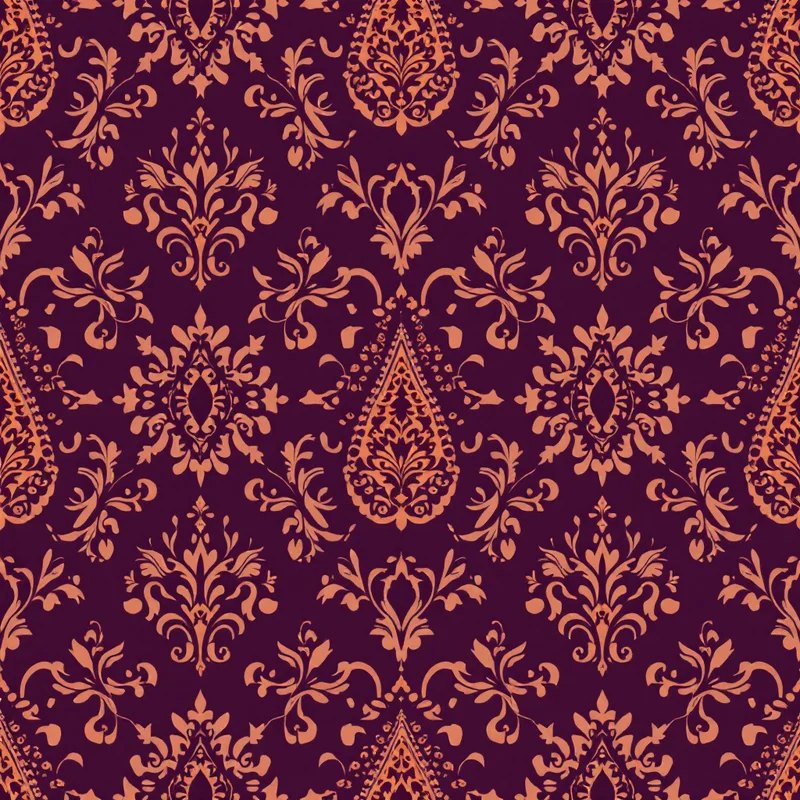
Vintage Persian rugs, with their medallions, borders and dense floral fields, keep returning to rooms, but the trend to watch is how they look: faded, desaturated, sometimes overdyed in a single color so the old pattern ghosts through. Palette ideas include dusty rose over ivory, steel blue over rust and sage over oat. Persian patterns give a strong structural base, and the Persian pattern design guide explains the medallion-and-border layout. Reduce contrast to get the "worn" effect on purpose, instead of leaving it to the dye.
Kilim and flatweave geometry
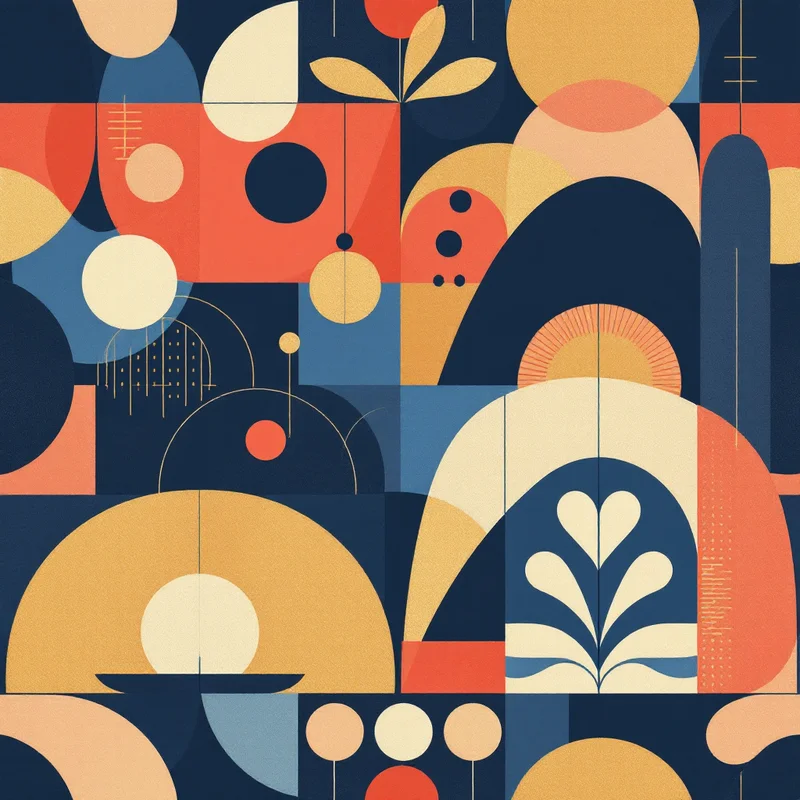
Kilims are flatwoven rugs, made in many parts of Anatolia, the Caucasus, Iran and Central Asia, built from stepped diamonds, hooked shapes, stripes and bands. Kilim patterns suit designers because the weave structure forces the grid: every shape is stepped, so artwork is naturally pixel-like. The direction to watch is a quieter palette, with black and cream, indigo and oat, or two warm browns, and fewer bands.
If you borrow from a specific tradition, keep it respectful: use structural ideas, don't copy a named piece, and credit the origin if you know it.
Painterly abstracts
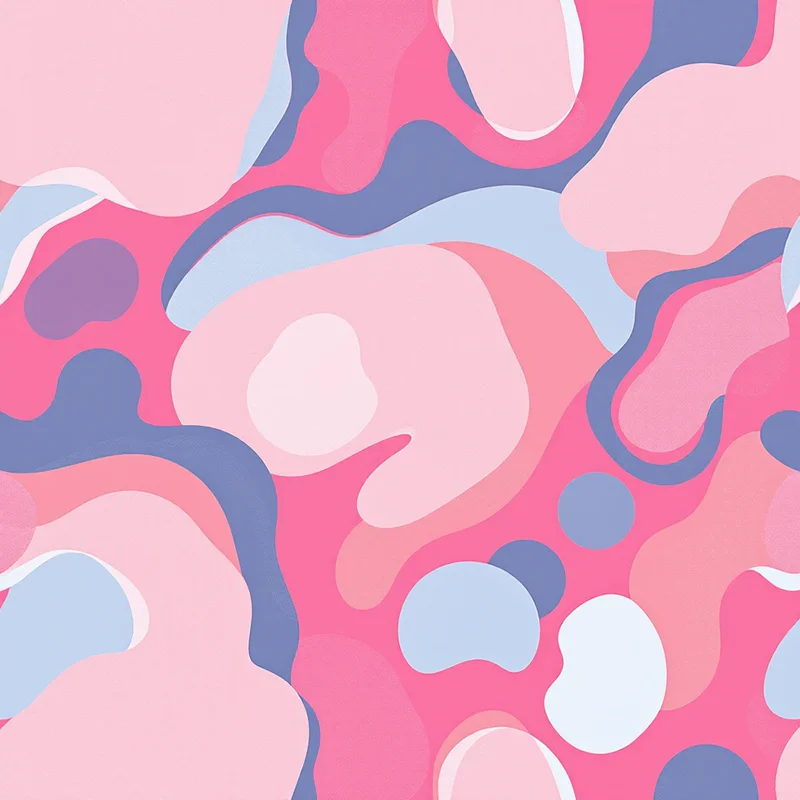
Hand-tufted rugs are good at large, soft shapes, so painterly abstracts are a natural fit: big brush marks, color-field blocks, arch and wave forms, loose terrazzo-like confetti. Think of the rug as a floor painting. Keep the palette to four or five related colors and make one a neutral so the rug works with furniture. See rug patterns for more layout ideas.
Oversized checks and bold borders
A large check rug, with squares of 6 to 12 inches (15 to 30 cm), is easy to understand, hard to get wrong and easy to pair with either modern or traditional rooms. Add a wide border in a deeper tone and it looks custom. The direction to watch is a slightly irregular check, as if hand-drawn, which avoids a rigid, tiled-floor feel.
Low-contrast and sculpted tonal rugs
At the quiet end, tonal rugs use pile height rather than color to make the pattern: raised and cut loops, carved outlines, subtle wave shapes. This works for a design in one color family and sits well with the wider move toward texture covered in the home textile trends forecast.
Scale to the largest size
Rugs come in many sizes, but the one that tends to define the design is the biggest. Create your motif for the largest rug in the range, commonly 8 by 10 or 9 by 12 feet (about 2.4 by 3 m or 2.7 by 3.7 m), and check that a smaller version still looks intentional. A repeat that fits a doormat will feel busy on a living room floor. The pattern design for rugs and carpets guide covers the sizing logic.
Artwork first, yarn second
Treat any generated tile as artwork to simplify for your construction method. Describe It in Pattern Weaver takes a prompt in your own words, such as "faded Persian medallion, dusty rose on ivory, low contrast", and Pro exports up to 8K for a large-format brief.
Explore related pattern styles