Design characteristics
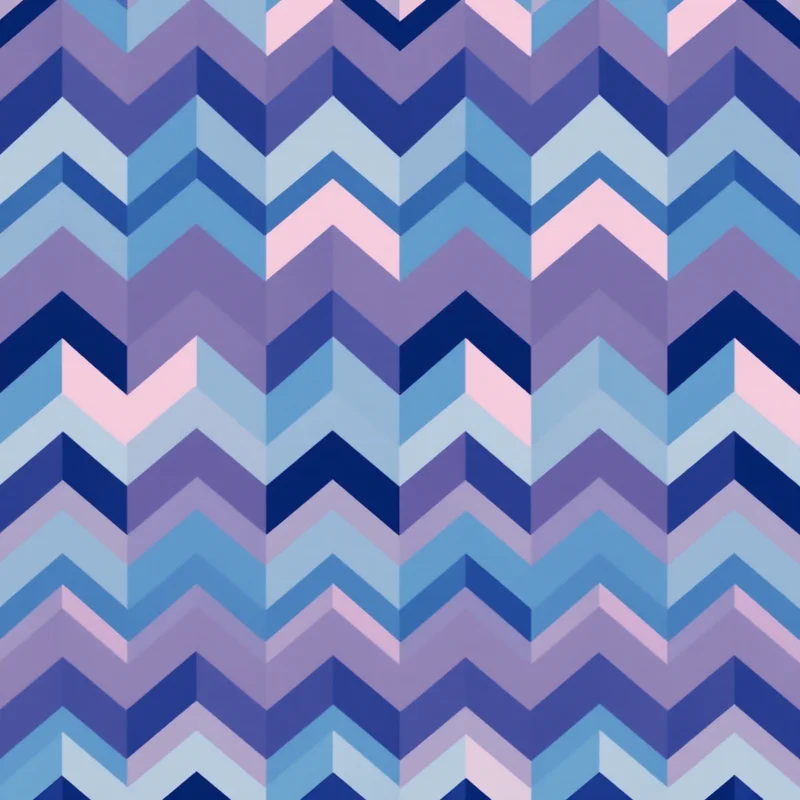
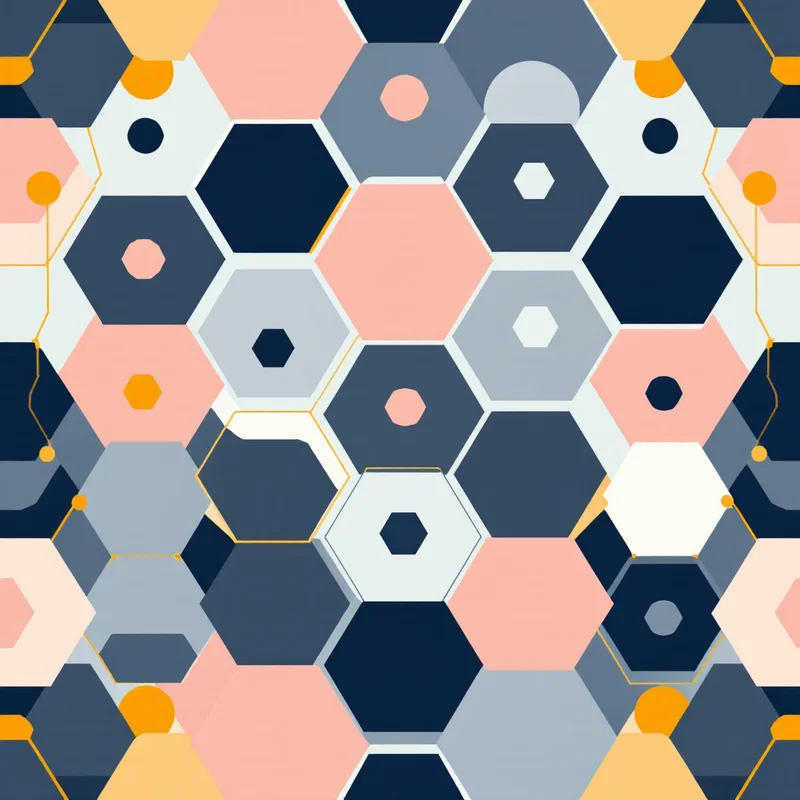
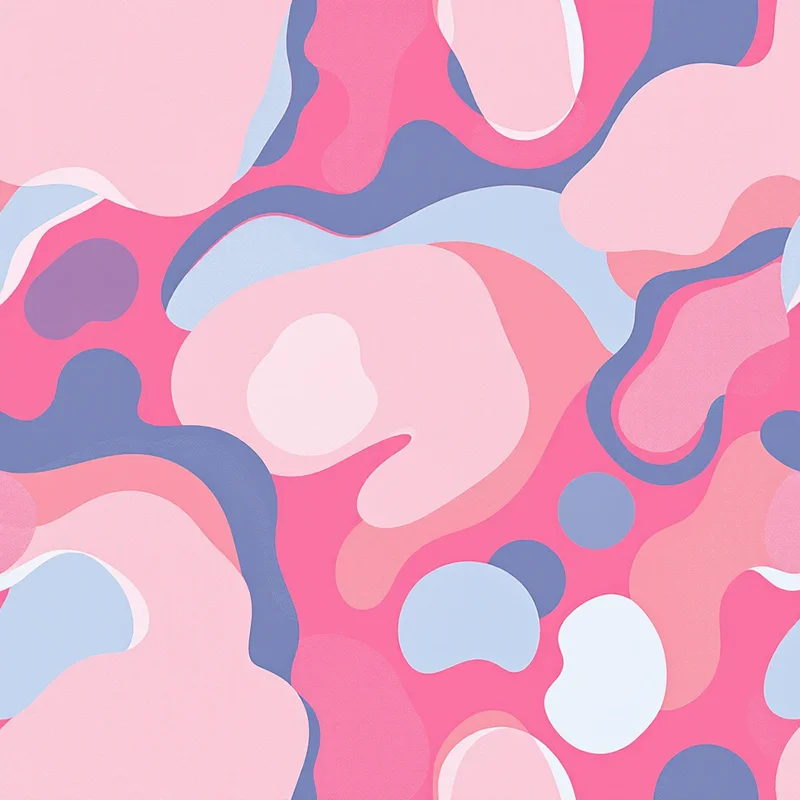
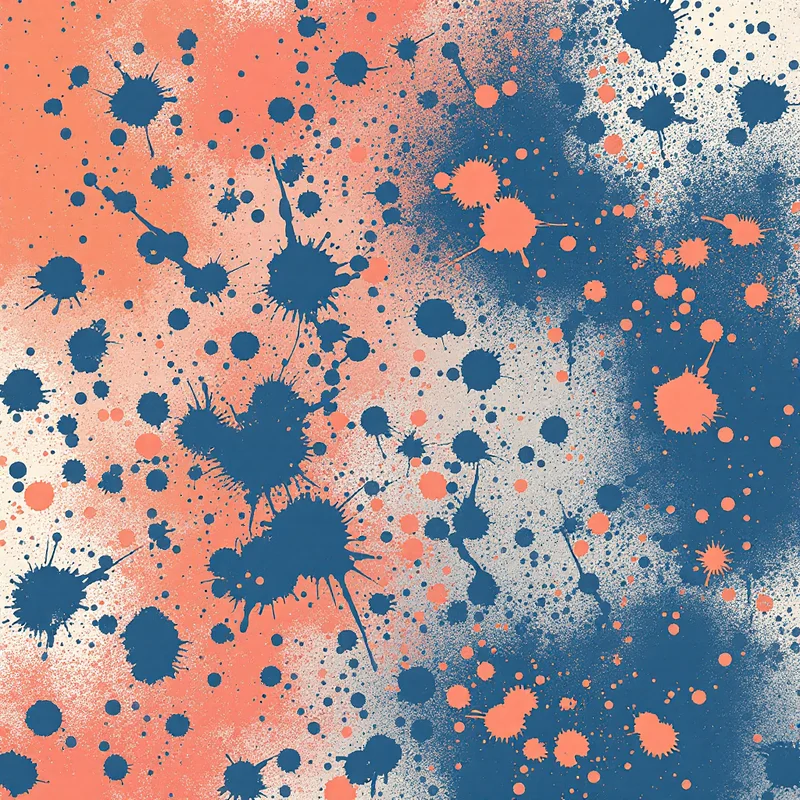
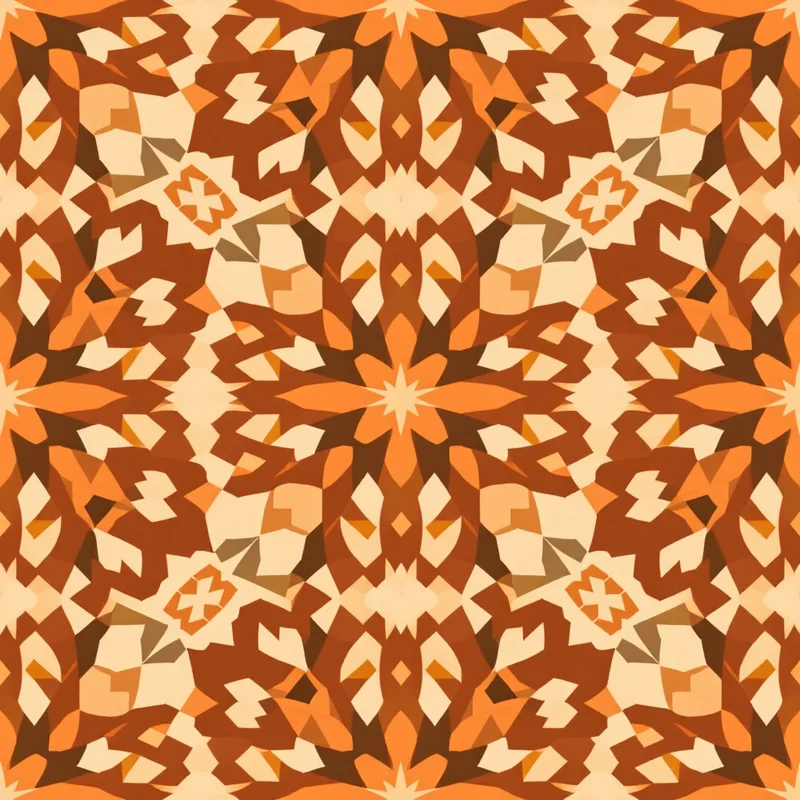
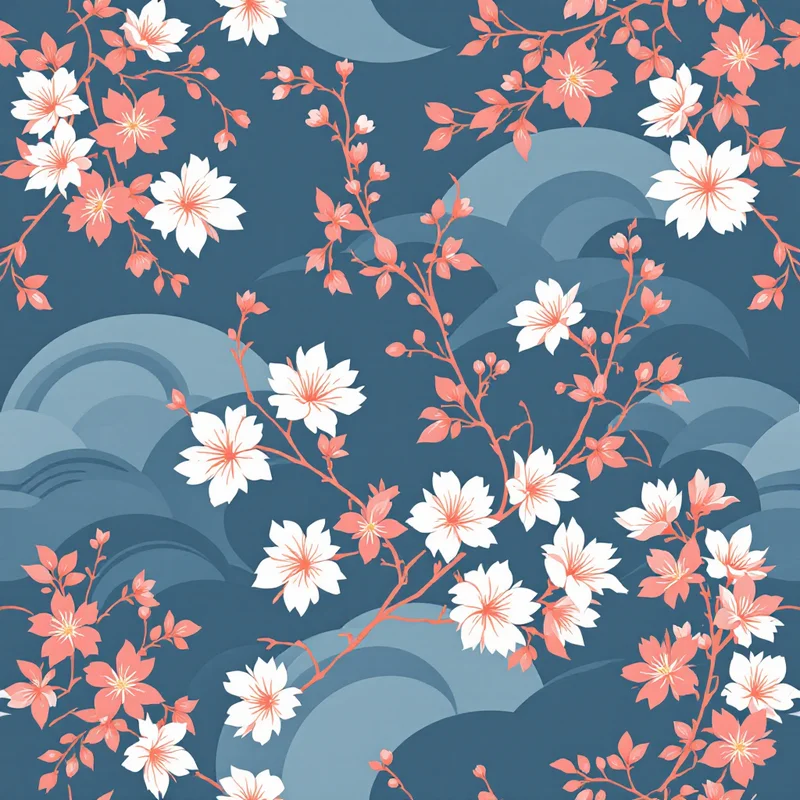
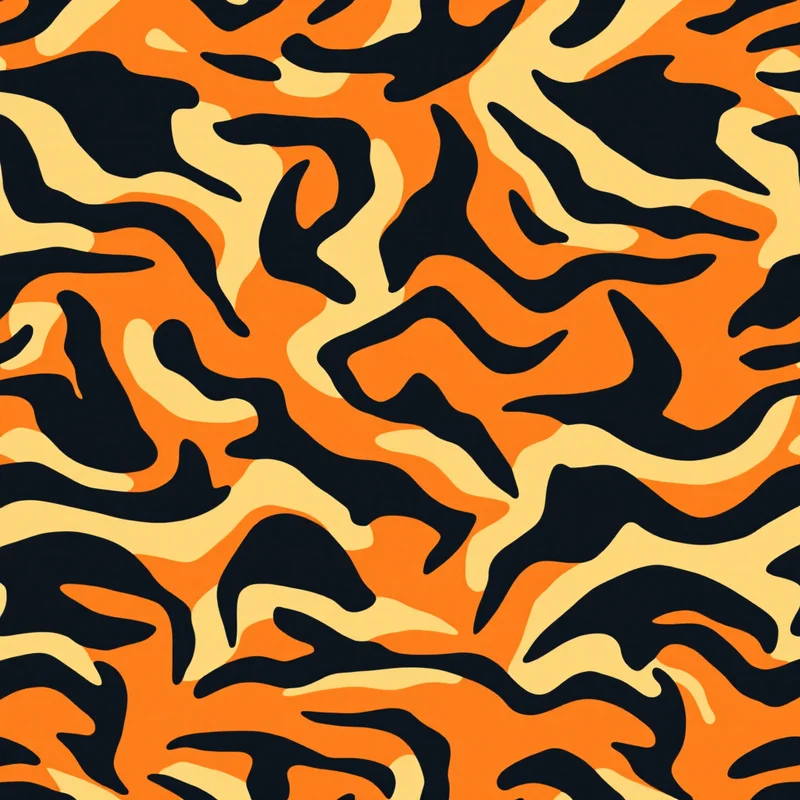
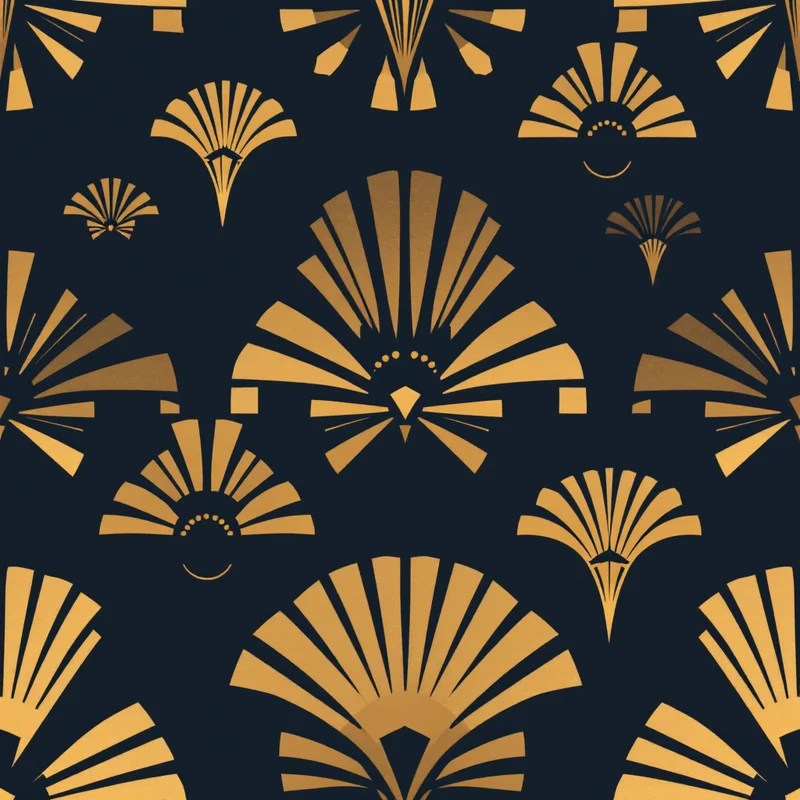
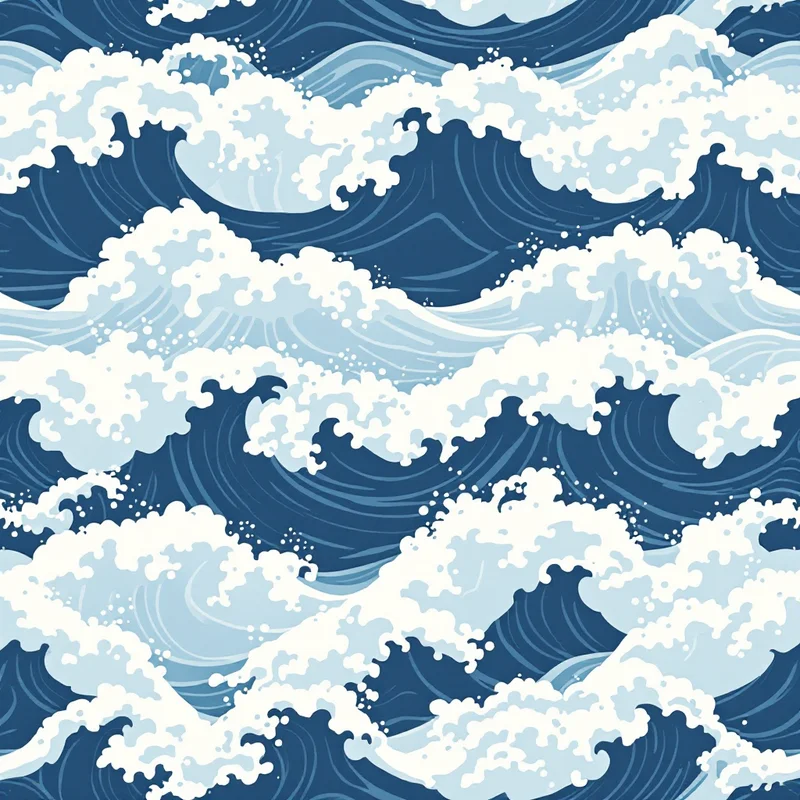
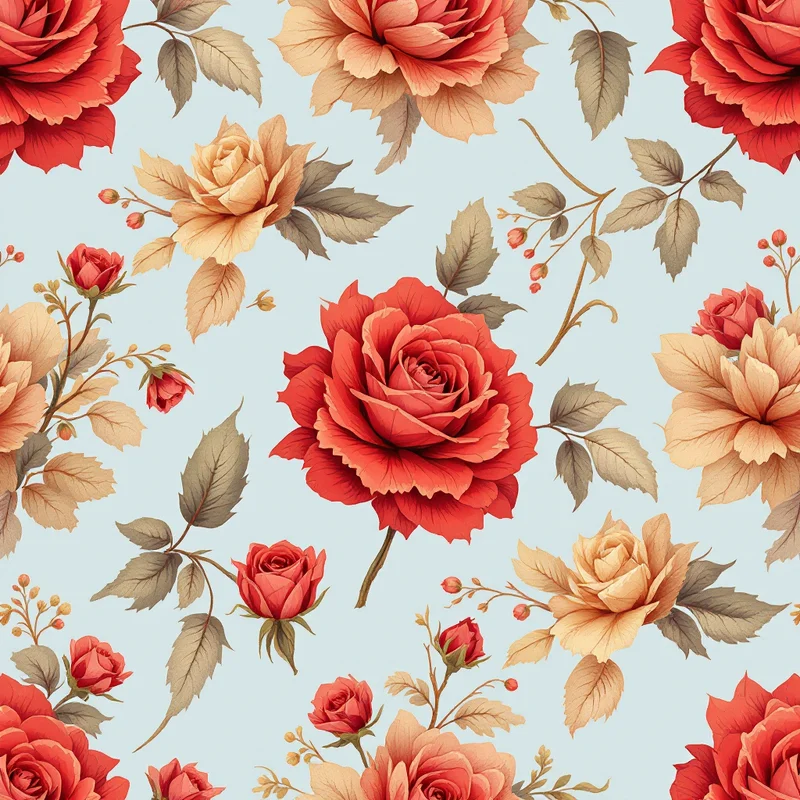
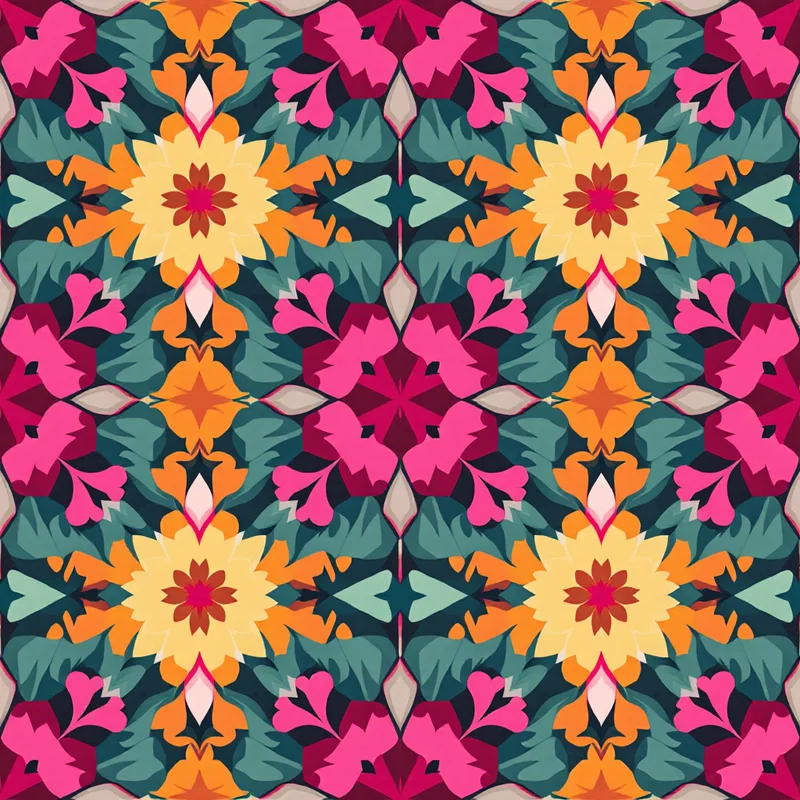
The motif vocabulary for rugs is wide. You can lean traditional with Persian medallions, palmettes, boteh, and arabesque scrollwork, or go tribal with kilim diamonds, geometric Berber lines, and Anatolian hooks. Modern interiors call for a different register: abstract color blocks, soft watercolor washes, distressed overdye effects, or quiet minimalist grids. Each direction asks for its own scale logic. A grand room-size rug wants a single dominant medallion with generous negative space, while a runner or a scatter rug reads better with a tighter, denser repeat that keeps the eye moving along its length.
Commercial applications
Color is where rugs make or break a room, so the controls give you real command. Choose warm earth palettes of rust, ochre, and indigo for an antique feel, or specify a muted contemporary scheme of bone, sage, and charcoal for a calmer floor. Because the output is a flat seamless design rather than a fixed photo, you can recolor and regenerate variations until the palette suits the space, the wall color, and the furniture around it. Border and field colors can be pushed apart for definition or pulled close for a tonal, low-contrast look.
Where to use design custom rug patterns that tile perfectly patterns
Density and scale sliders let you tune how busy the floor feels. Pull density down for an open, airy field with breathing room around each motif, or push it up for the rich, packed surface of an heirloom carpet. Scale decides whether a single motif fills a quarter of the rug or whether dozens of small repeats create an all-over texture. These choices matter more for rugs than almost any other product, because the design lives at architectural size and is viewed from every angle.
Customization & export
When the design is right, export it the way your maker needs it. Pattern Weaver renders up to 8K resolution (8192x8192), which holds crisp detail across a large woven, tufted, or printed rug. Download a PNG or WEBP for digital proofs and mockups, a high-bit TIFF for print production and color accuracy, a PDF for sending clean layouts to a manufacturer, or an SVG when you want clean vector edges for geometric and flat-color designs. The seamless tile means a factory can step-and-repeat it to any rug dimension without seams or stretching.
Whether you are an interior designer specifying a one-off floor piece, a small studio building a rug collection, or a maker sending files to a hand-knotting or digital-print workshop, the workflow stays the same: pick a direction, dial in motif, color, scale, and density, generate options, and export production files. The result is a rug pattern you own outright and can take straight to manufacturing.