Design characteristics
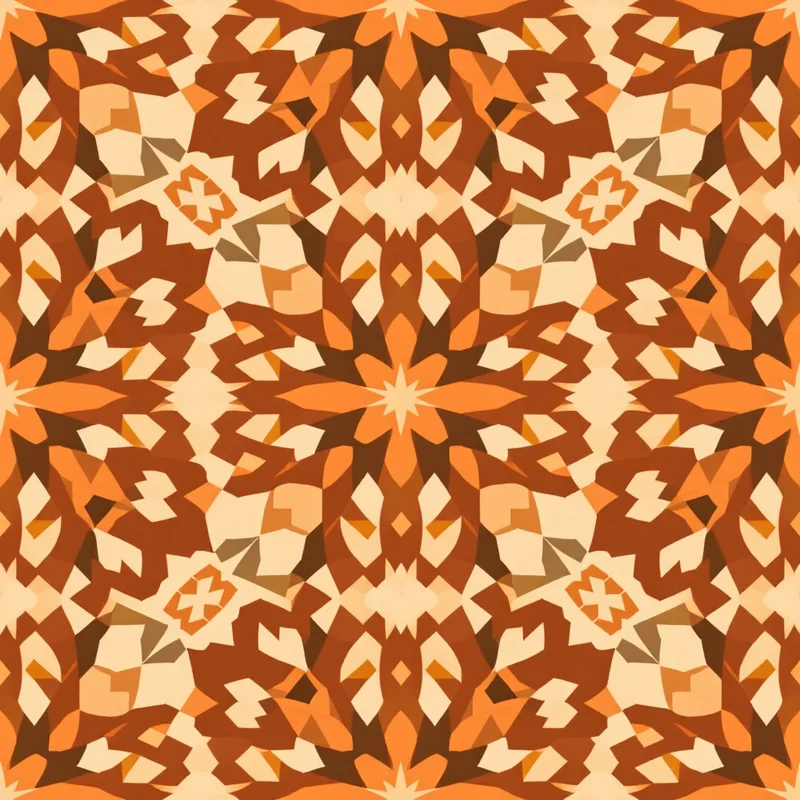
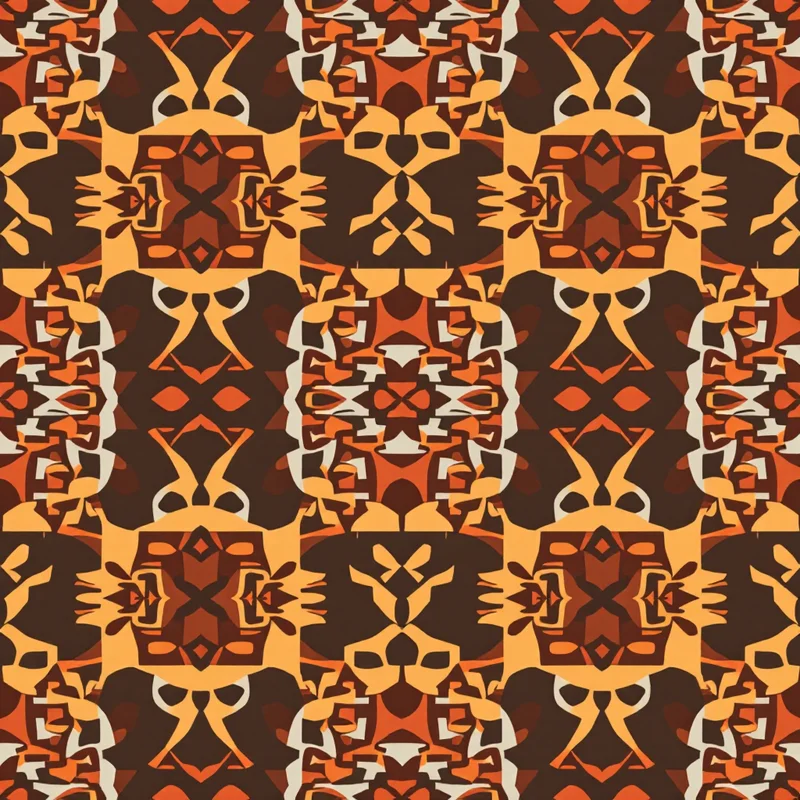
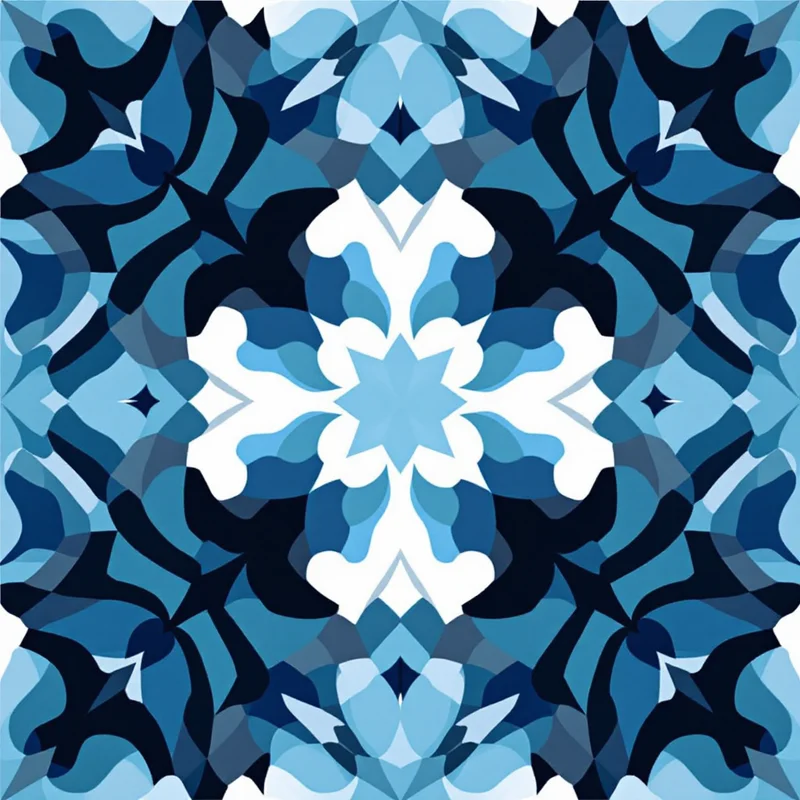
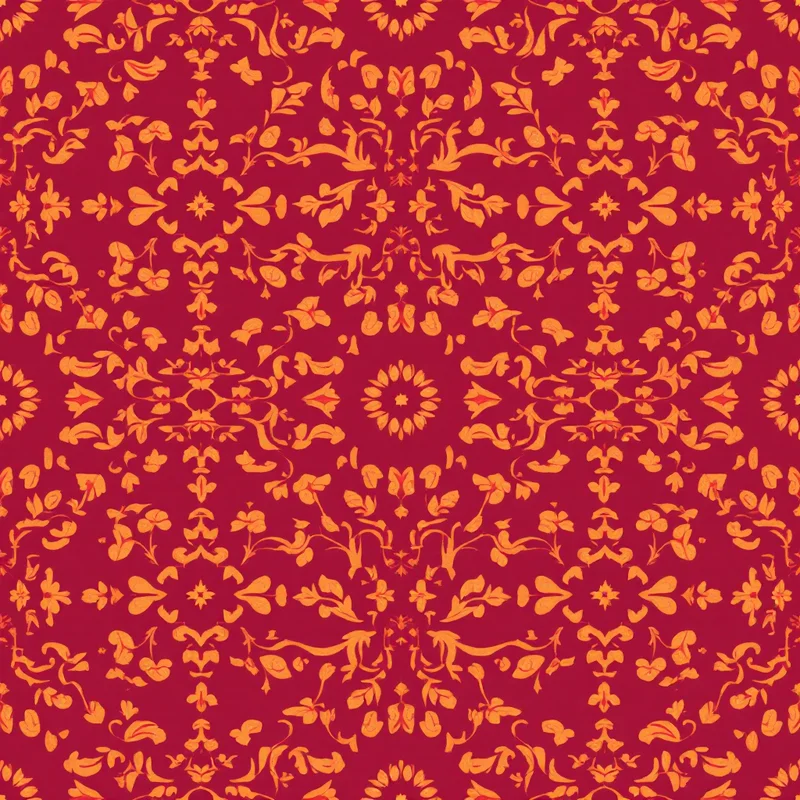
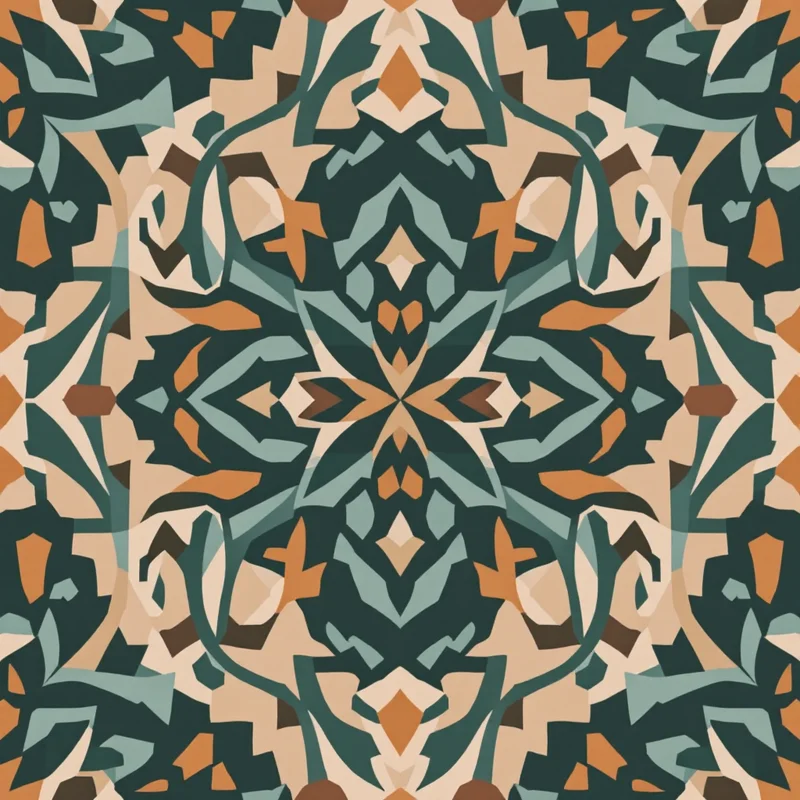
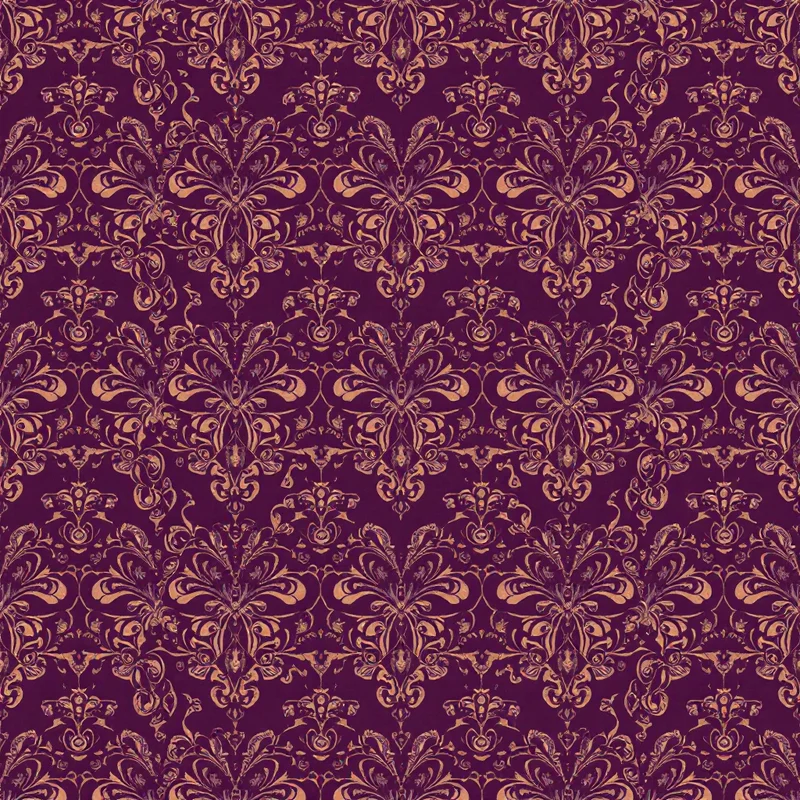
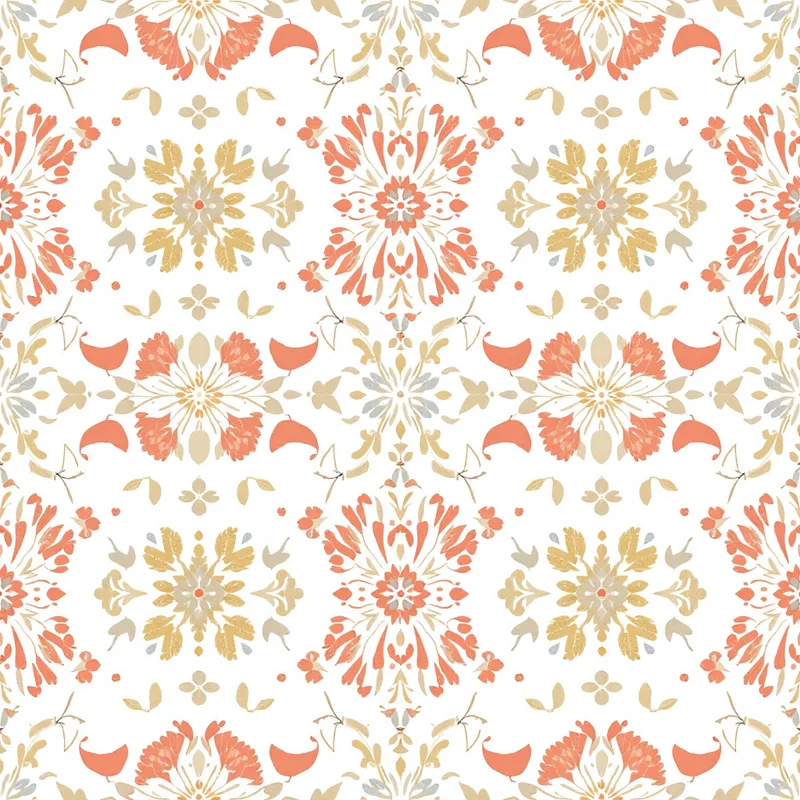
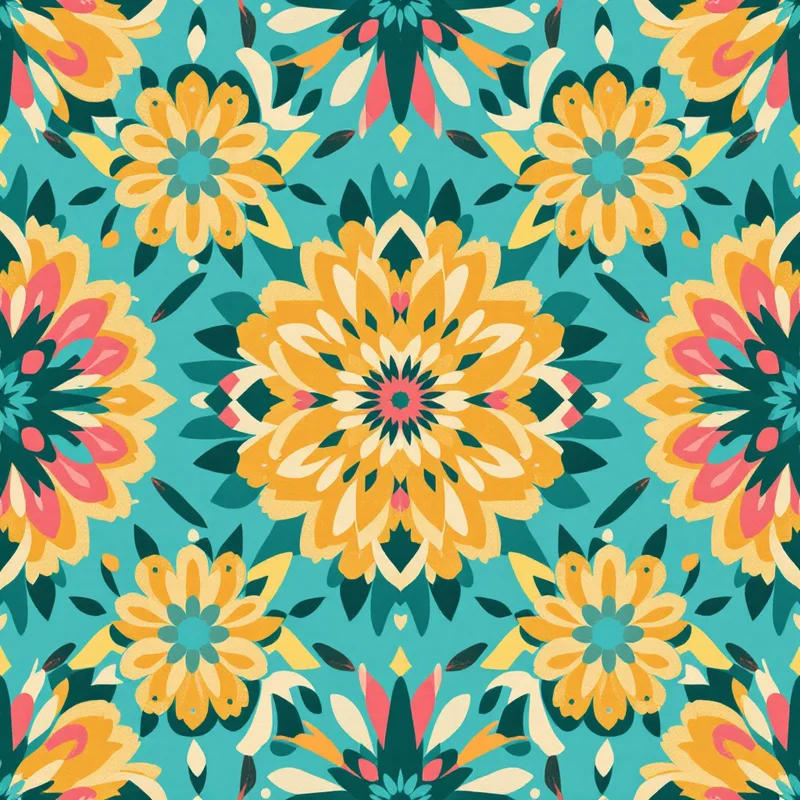
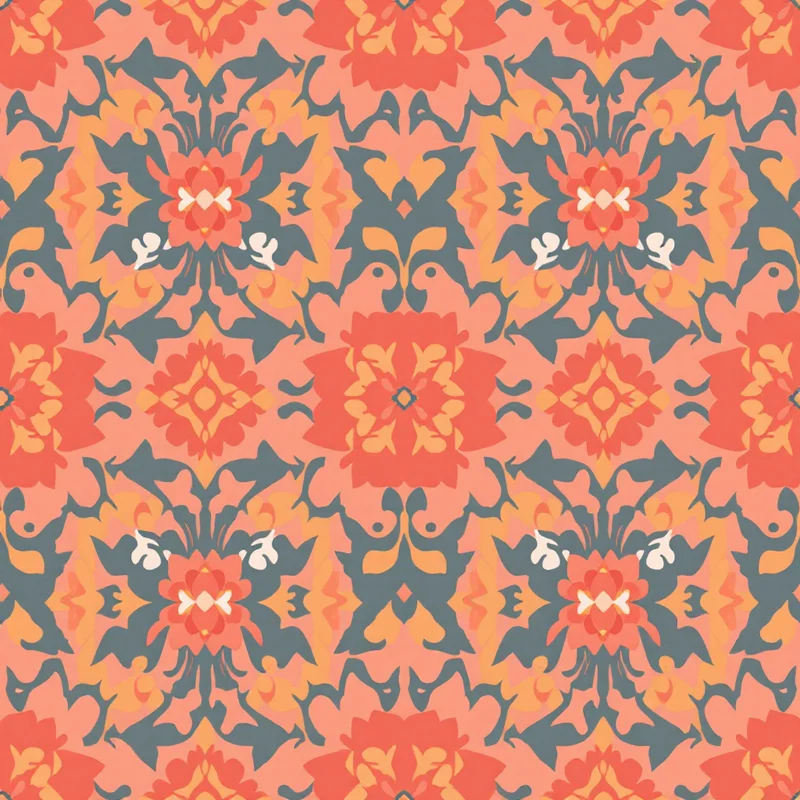
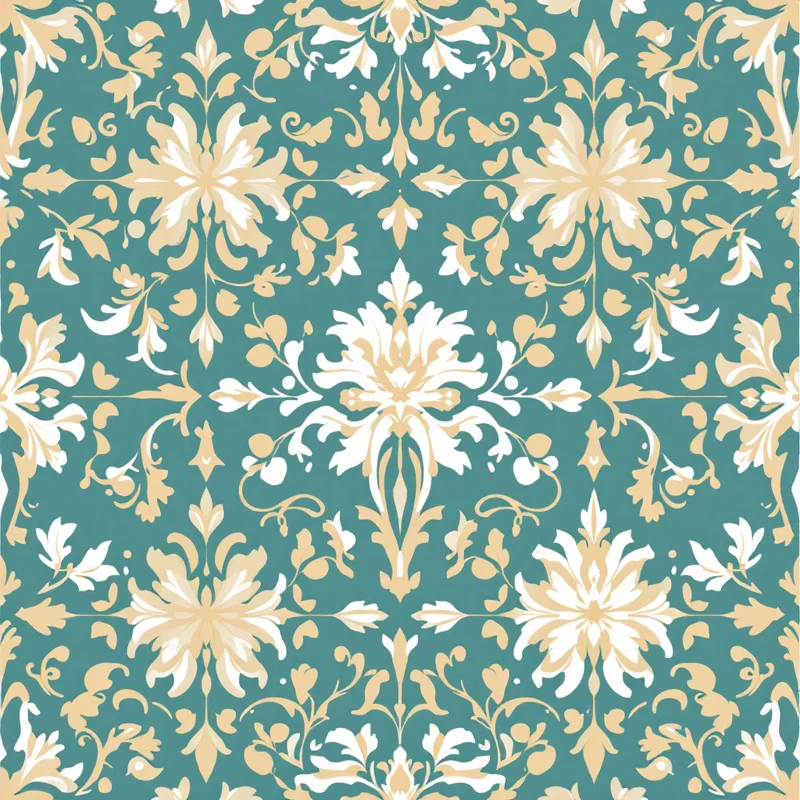
Color is central to the style's identity. Classic Persian palettes lean on deep madder reds, indigo and lapis blues, ivory and cream grounds, and accents of gold, terracotta, saffron and sage. Tabriz and Kashan rug traditions favor jewel tones against dark fields, while Isfahan tilework introduces the famous turquoise and cobalt glazes. These combinations carry an instant sense of heritage and craftsmanship, which is exactly why designers reach for them when a product needs to feel considered, opulent and rooted in history rather than mass-produced.
Commercial applications
What makes Persian ornament so versatile commercially is its scalability. Shrink a medallion repeat and it becomes a refined ditsy print for scarves, ties, blouse fabric and lining silk. Enlarge the same motifs and they anchor statement wallpaper, upholstery, area-rug graphics and large-format curtains. The structured border logic also translates beautifully to packaging, where a contained arabesque frame elevates tea tins, fragrance boxes, candle labels and premium gift wrap. Stationery, ceramic transfers, phone cases, prayer-mat reproductions and hospitality textiles all draw on the same vocabulary.
Where to use persian patterns for seamless surface design patterns
Pattern Weaver compiles your choices into a coherent design instead of a random collage. Pick a Persian style, dial the motif density from an airy single medallion up to a fully saturated carpet field, and set the scale so the repeat sits correctly on your product. The color controls let you stay faithful to a traditional madder-and-indigo scheme or push toward a modern pastel or monochrome reinterpretation, and the engine keeps borders aligned and tiles seamless so nothing breaks at the edges.
Customization & export
Every design exports as a true seamless tile ready for production. You can pull files up to 8K (8192x8192) and choose the format that fits the job: PNG and WEBP for digital mockups and web stores, TIFF for fabric printers and high-resolution upholstery runs, PDF for press-ready packaging and stationery, JPG for quick previews, and SVG when you need clean scalable line work. Whether you are prototyping a single scarf or building a full home-decor collection, the studio gives you repeatable, on-brand Persian output without sourcing antique rug scans or hand-tracing arabesques.
Designers use Persian patterns when they want richness and authority that reads as luxury. The dense ornamentation signals quality, the cultural lineage adds storytelling value to a product page, and the strict symmetry photographs cleanly across catalogs and lookbooks. With Pattern Weaver you can iterate through a dozen colorways and densities in minutes, lock the one that fits your brand, and ship coordinated prints across textiles, fashion, wallpaper, packaging and accessories from a single seamless source.