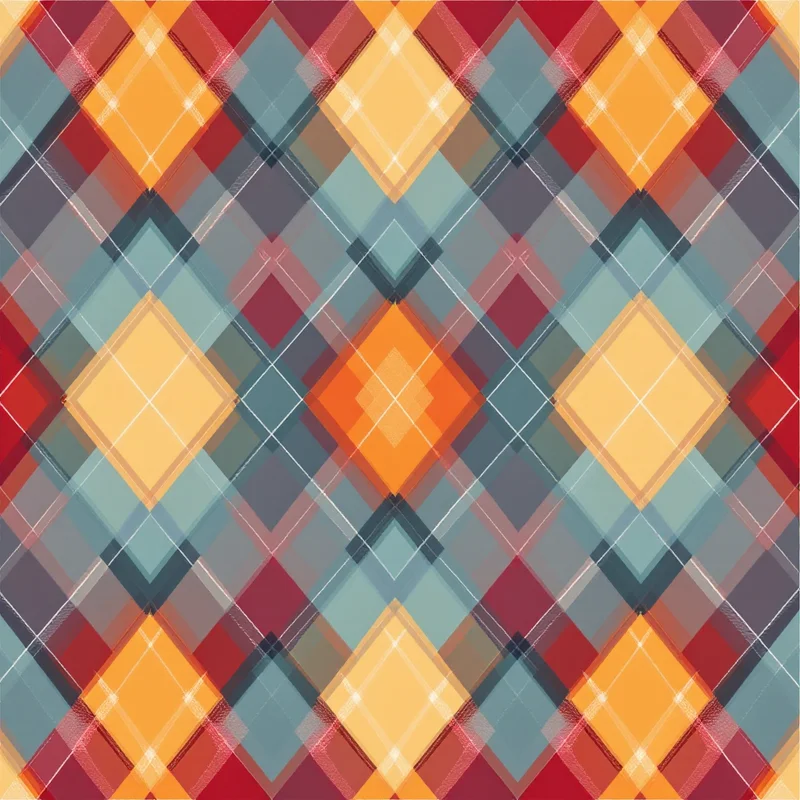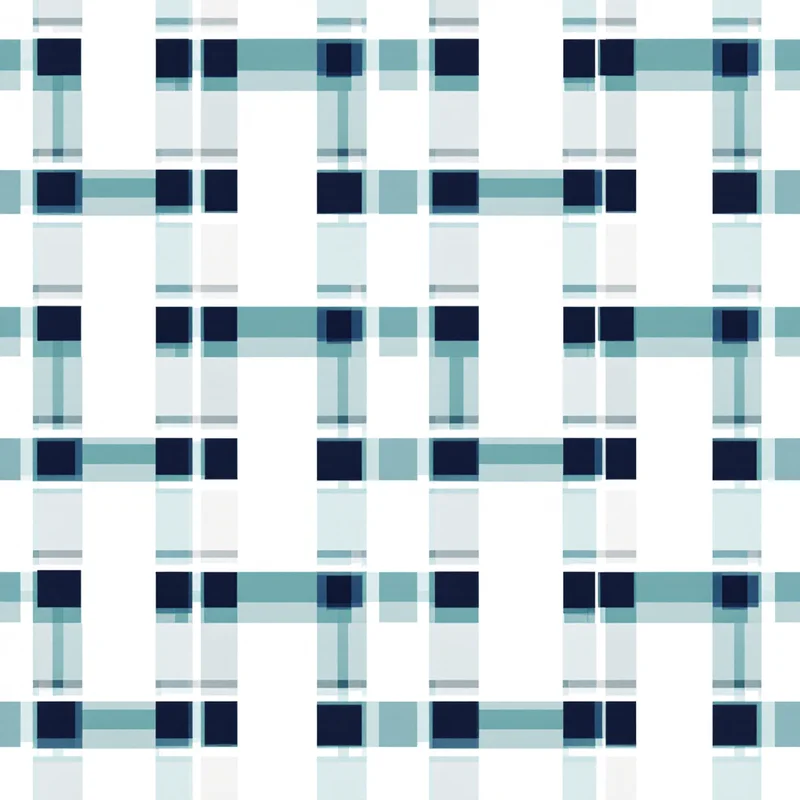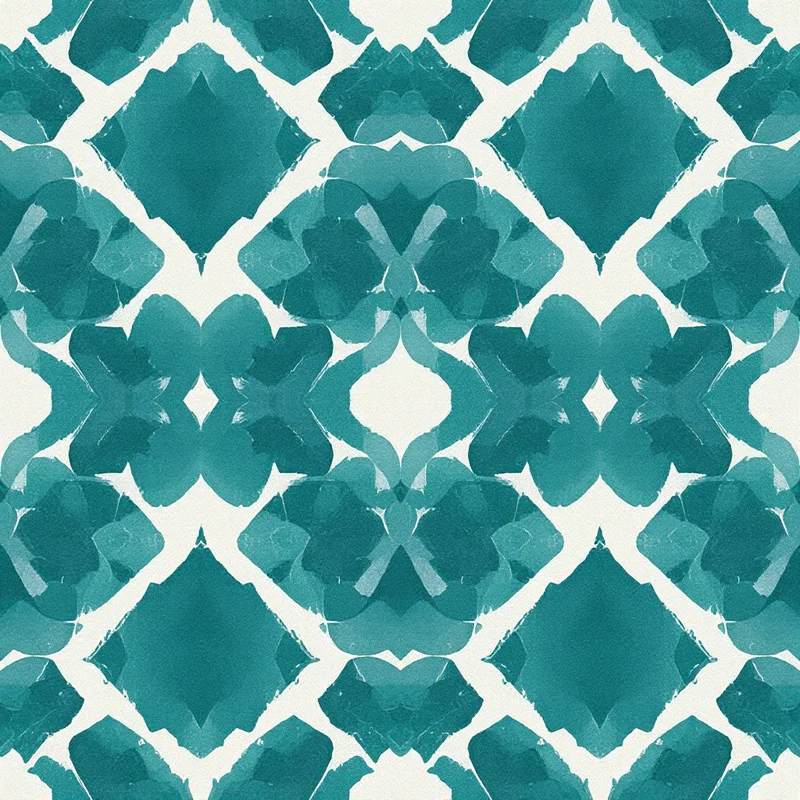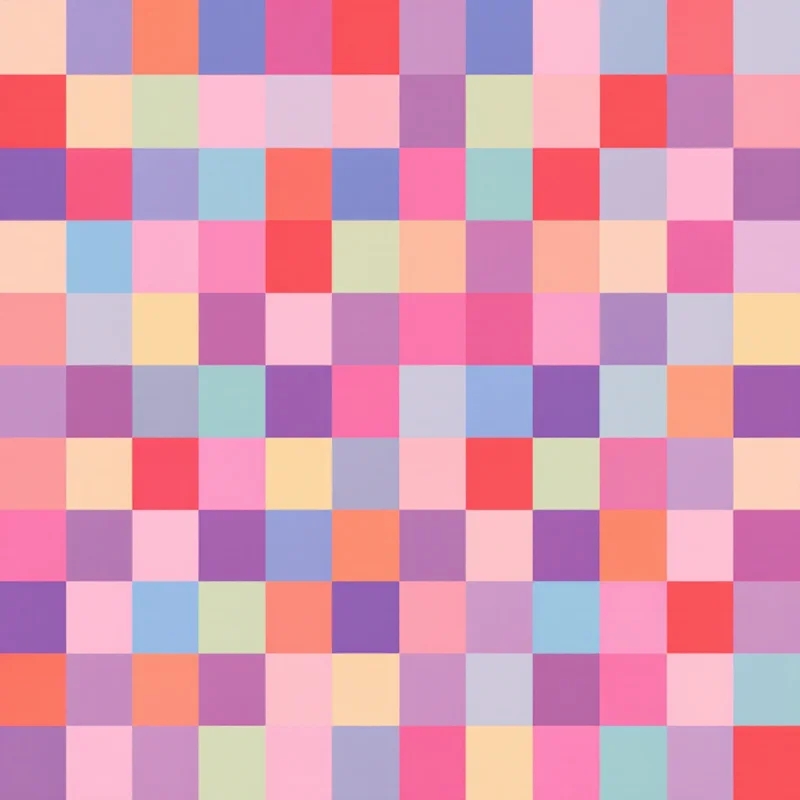
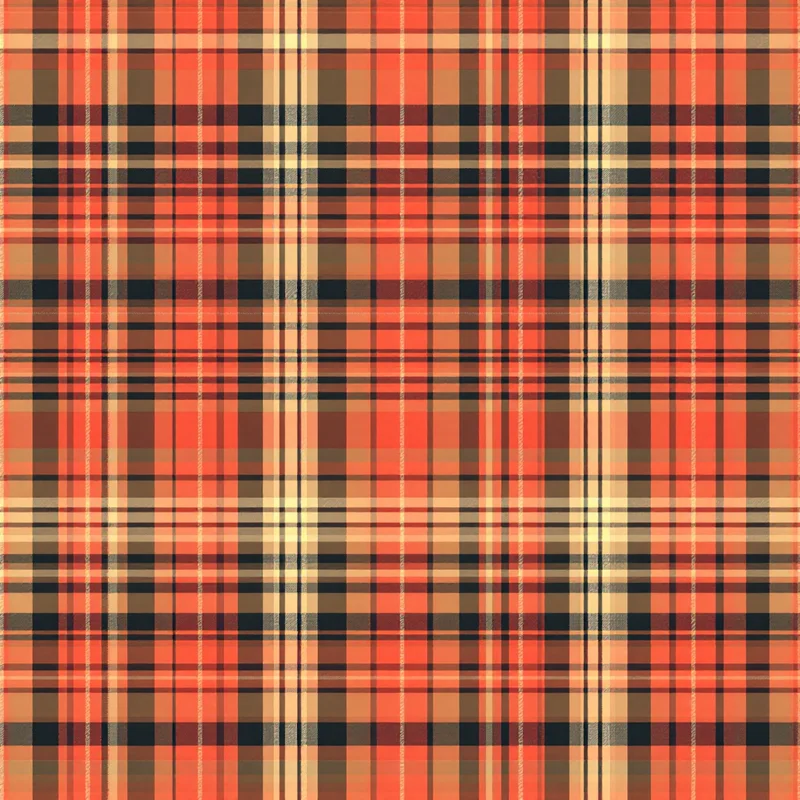
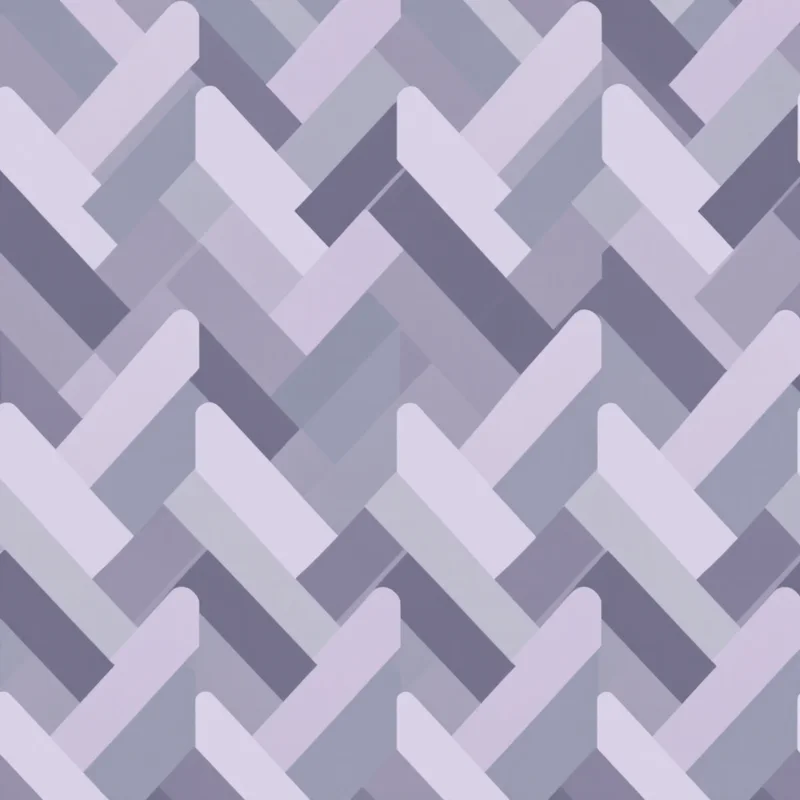

Designing patterns for Society6 in 2026 is less about drawing skill and more about a smart, repeatable workflow. If you can turn one strong idea into a coordinated collection and export it at the right resolution, you can fill a shop with phone cases, duvets, leggings, and wall art from a single seamless tile. This guide walks through the file specs, the repeat logic, and the fastest path from concept to a print-ready catalog.
Why Society6 rewards pattern designers
Society6 is a print-on-demand marketplace where you upload artwork and the platform handles printing, shipping, and fulfillment across dozens of product types. Patterns are uniquely well suited to this model: a single seamless design can wrap a comforter, tile a phone case, and fill a tote bag. One file, many products, recurring royalties. That leverage is why designing patterns for Society6 appeals to so many sellers in 2026, and why a tight, cohesive collection outperforms scattered one-off uploads.
The catch is consistency. The sellers who do well treat their shop like a brand, with themed surface pattern design collections that share a palette and feel, rather than a pile of unrelated images.
File specs that matter for Society6
Before you make anything, know the targets. Society6 prints patterns across a wide range of physical sizes, from a small phone case to a wall-sized tapestry, so your source file needs real resolution behind it.
- Resolution: Aim for 300 DPI at the largest product dimensions. In practice that means exporting big. A file that looks fine on screen can pixelate badly when stretched across a duvet.
- Format: PNG and JPG are the safe, universal choices for Society6. PNG preserves crisp edges and is ideal for clean geometric work; JPG keeps file sizes manageable for dense, photographic-feeling designs. Both upload reliably.
- Seamless repeat: For repeating goods like wallpaper, leggings, and bedding, your tile must repeat edge to edge with no visible seam. For framed prints you can upload a single composition instead.
- Color: Design in RGB for screen-accurate previews; the platform handles print conversion. Saturated, high-contrast palettes tend to translate well across products.
Export the largest version you can. Pattern Weaver supports export up to 8K, which gives you headroom for the most demanding items in the catalog while downscaling cleanly for the small ones.
The repeat logic behind good Society6 patterns
A pattern that looks great as a flat square can fall apart when tiled. Three things decide whether it holds up:
- 1Seam continuity. The right edge has to meet the left, and the top has to meet the bottom, with motifs flowing across the boundary. If you can spot where one tile ends, so can a shopper.
- 2Scale. A motif sized for a throw pillow may look cramped on leggings or oversized on a phone case. A medium repeat that reads well at several sizes is the safest default. Our guide to creating seamless patterns goes deeper on getting the repeat right.
- 3Density. Too sparse and large products look empty; too dense and detail turns to noise when printed small. Balance is everything.
Getting all three right by hand in a traditional vector editor takes practice and patience. This is where an AI pattern studio changes the math.
Where Pattern Weaver fits
Pattern Weaver is built around the exact problem Society6 sellers face: producing many cohesive, genuinely seamless patterns fast. You choose a style, substyle, color palette, scale, and density, and the studio compiles those choices into a print-ready tile. The repeat is seamless by default, so the same file works for repeating products and standalone art prints alike.
Compared with the usual options, the tradeoffs are honest. Traditional vector editors give you total control but a steep learning curve and slow output. iPad drawing apps are wonderful for original illustration but ask you to draw every motif yourself. General AI image tools can produce pretty pictures but rarely true seamless tiles, and almost never a coordinated collection. Pattern Weaver sits in the gap: faster than drawing by hand, more pattern-aware than generic image generators, and aimed squarely at sellable repeats.
That focus matters most when you want a collection. Generating ten coordinating geometric patterns or a themed run of floral patterns that share a palette is the difference between a curated Society6 shop and a random feed. For a fuller comparison of the landscape, see our roundup of the best pattern design software.
How to design a Society6 pattern collection
Here is the workflow that turns one idea into a shop full of products.
- 1Choose a niche and theme. Pick a focused subject and palette first. "Muted desert botanicals" or "bold retro geometrics" gives you a north star; "patterns" does not. A defined niche makes every later decision easier.
- 2Generate a seamless tile. Open the studio, set your style, substyle, colors, scale, and density, and generate. You get a true edge-to-edge seamless pattern, not a flat square you have to fix later. Browse the create gallery if you want a starting point for a category.
- 3Build coordinating variations. Keep the palette, change the motif scale and density, and generate several siblings. A set of abstract patterns that clearly belong together reads as intentional and sells in groups.
- 4Export at high resolution. Export each design as a large PNG or JPG, up to 8K, so it survives being printed on the biggest items. Bigger source files always downscale better than small ones scale up.
- 5Upload and tag on Society6. Upload each tile, enable the product types that suit it, and write clear, searchable titles and tags. Thoughtful tagging is half the battle on any marketplace.
For more on pricing, royalties, and the broader selling side, our deep dive on pattern design for print on demand covers the business mechanics.
Getting started and what it costs
You can begin designing patterns for Society6 today. Pattern Weaver's Free plan lets you test the studio and produce your first tiles, and the Starter, Pro, and Max plans scale up your output and export resolution as your shop grows. The full breakdown lives on the pricing page. For serious sellers building large catalogs, the higher tiers unlock the volume and 8K exports that the most demanding Society6 products call for.
The bottom line for 2026
Designing patterns for Society6 in 2026 rewards consistency over brilliance. A coordinated collection of 15 to 30 well-tagged, genuinely seamless patterns will outperform a single clever design almost every time, because shoppers browse and buy in sets and marketplaces reward depth. The skill that used to gate this work, drawing flawless repeats by hand, is no longer the bottleneck. The bottleneck is now whether you can produce cohesive, high-resolution collections fast enough to test niches and keep your shop growing. That is exactly the workflow Pattern Weaver is built for, and it is why an AI pattern studio has become a practical part of the modern Society6 seller's toolkit.
Explore related pattern styles