Modest fashion is not one style or one community. People choose to cover more of the body for faith, culture, personal taste or comfort, and they include Muslim, Jewish, Christian and many other customers, as well as people who simply prefer a longer line. What the category shares, from a print designer's view, is a larger visible surface: long sleeves, long skirts, scarves and layers mean the pattern is seen across more fabric.
This forecast is a set of directions to watch, not measured results, and it asks for a respectful approach to cultural and religious imagery.
More fabric, more scale
Maxi dresses, long skirts, tunics and layered sets are cut generously and flow when worn. That suits large, soft shapes: florals with room between blooms, painterly brush fields and slow, wavy stripes that travel with movement. Smaller details tend to disappear in gathers and pleats.
Flowing fabrics such as chiffon, crepe, viscose, satin and jersey drape differently, so a print that looks lovely on crepe might feel heavy on satin. Order a strike-off on the real cloth before approving a run.
Florals: watercolor, tonal and calm
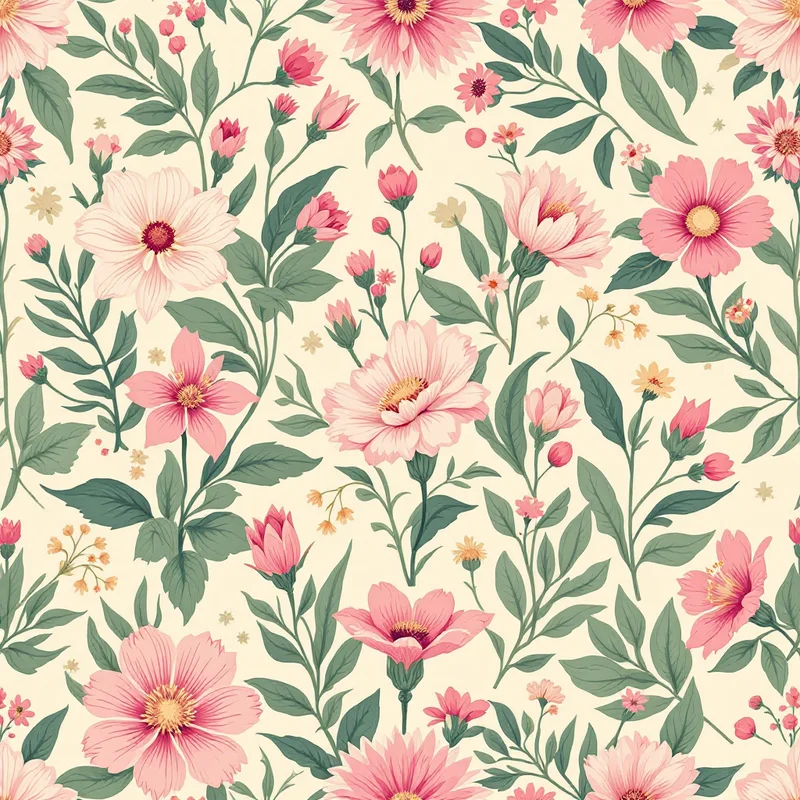
Floral patterns remain the backbone of the category. The direction to watch is calmer color and softer drawing: watercolor roses and peonies on cream, tonal florals in two shades of the same hue, and small botanical sprigs in dusty blue (#7C93A8), sage and rose clay. Keep contrast moderate so layered pieces, like a printed dress under a plain cardigan, look intentional and not busy.
Geometric prints and architectural patterns
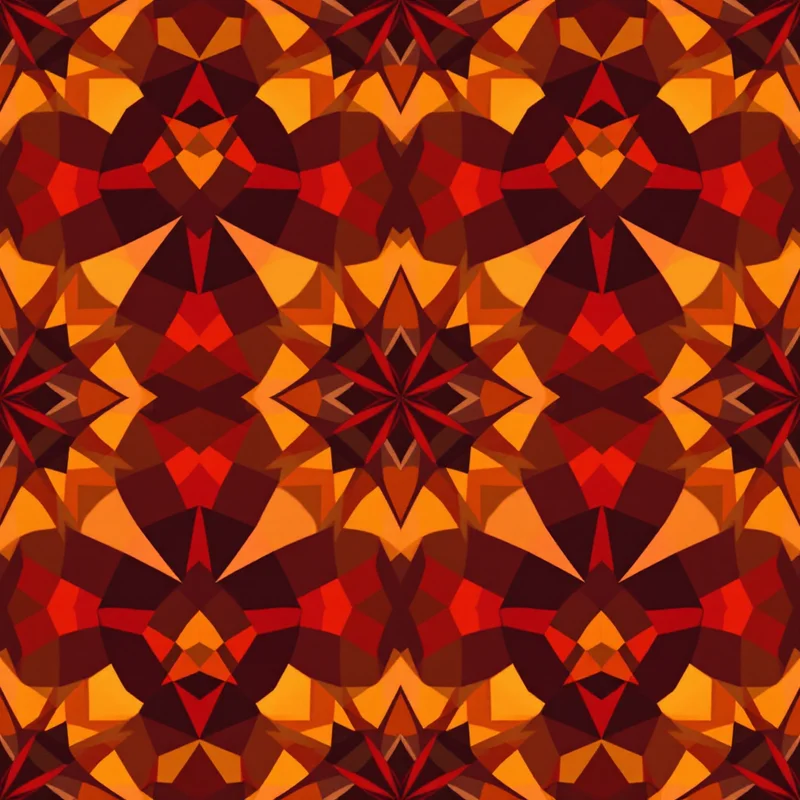
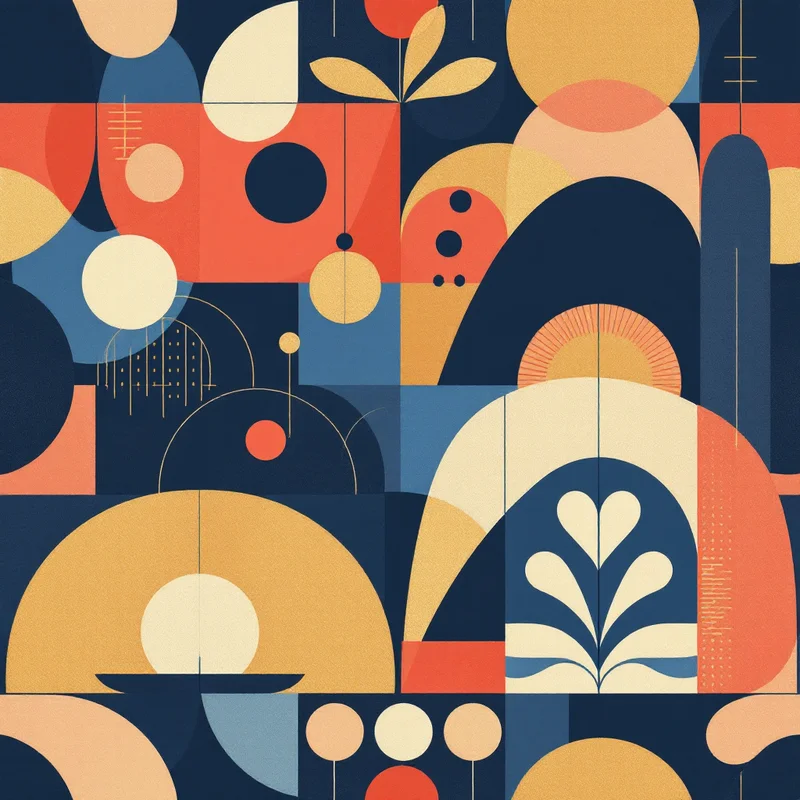
Geometric patterns offer a lot of options for modest pieces because they look structured and crisp: grids, stripes, tessellated shapes and lattice. One heritage source is the geometric tradition of Islamic art, found in tilework, screens and carved panels.
If you work in that vocabulary, approach it with care:
- Learn how the designs are built, from circles and grids, before drawing your own versions.
- Credit the tradition in product descriptions where it fits.
- Avoid copying a specific named building or object.
- Do not use Quranic verses, or the name of God in calligraphy, as a decorative element on clothing. Many people consider that inappropriate.
The Islamic patterns category is one starting point, and the Persian pattern design guide explains a related tradition. If possible, involve designers from the community you are designing for.
Abayas: trims, panels and linings
Many abayas are plain, so a print appears where the garment allows: cuffs, front panels, hem borders, sleeve details and linings. Expect the direction to be tonal and understated, such as black on black embroidery-look florals, a printed border in a muted color, or a pattern that appears inside the sleeve when it moves. A pattern placed as a border needs a layout for each size, since the hem changes with length.
Hijabs and scarves
A hijab is a draped, folded and pinned piece of fabric, so it behaves unlike a flat scarf. A small to medium all-over repeat usually survives folding better than one large placement, and a border print can frame the face if it falls where you expect. Square and rectangular formats differ, and the way each is worn changes which part of the print shows. Test with real wearers, and with jersey, chiffon and satin, since each drapes differently.
Fine stripes and tight checks can look busy once folded; softer, tonal prints are easier to wear. For related composition ideas, see the silk scarf print trends forecast.
Layering is the design system
Modest outfits are often built in layers: a printed dress under a plain duster, a printed scarf with a solid abaya, a patterned skirt under a long tunic. Design pieces to be layered rather than isolated. A collection with one print in three scales and a shared palette gives customers more ways to combine.
| Layer | Print approach |
|---|---|
| Base dress or skirt | Mid to large flowing print |
| Overlayer or cardigan | Solid, tonal or very quiet print |
| Scarf | Small repeat or border |
| Accessories | Single accent from the same palette |
For a broader look at dresses, see the dress print trends forecast.
Draft with care
Describe It in Pattern Weaver lets you write a prompt in your own words, such as "watercolor peonies, cream ground, dusty blue, flowing large scale". Review any generated geometric work against its tradition before it goes near a product.
Explore related pattern styles