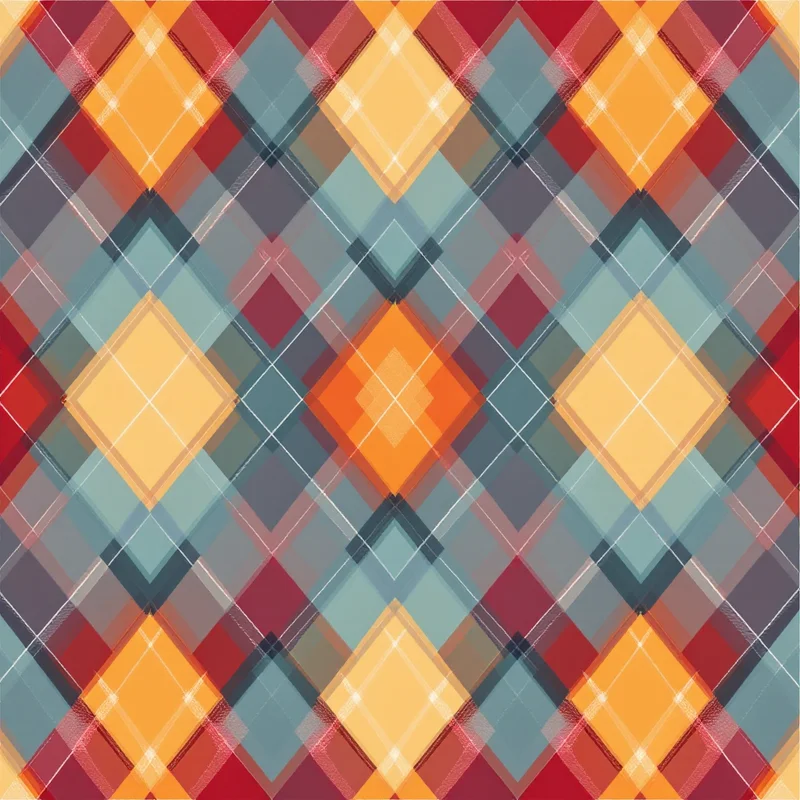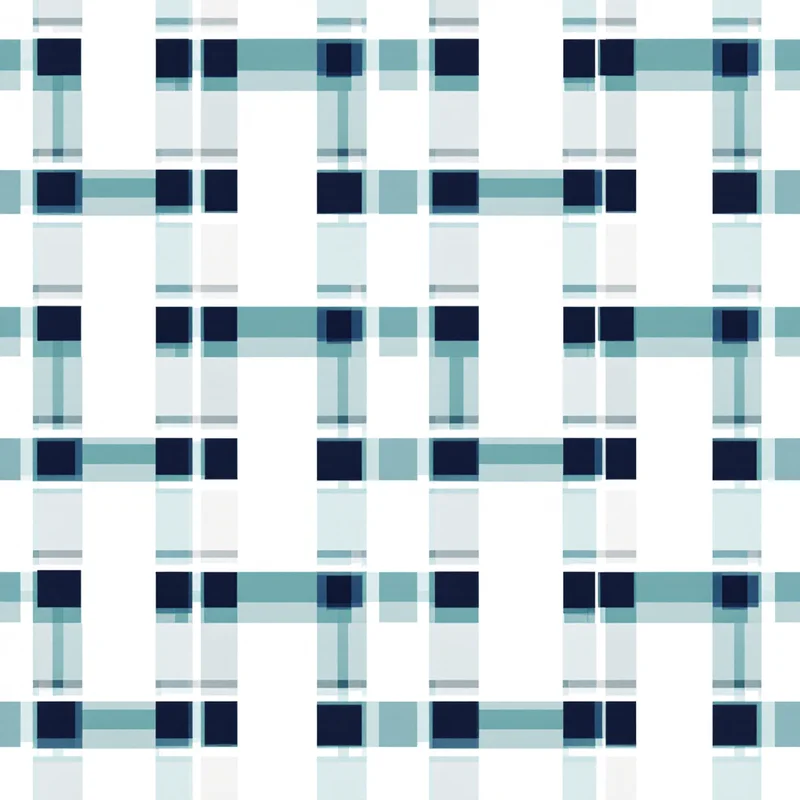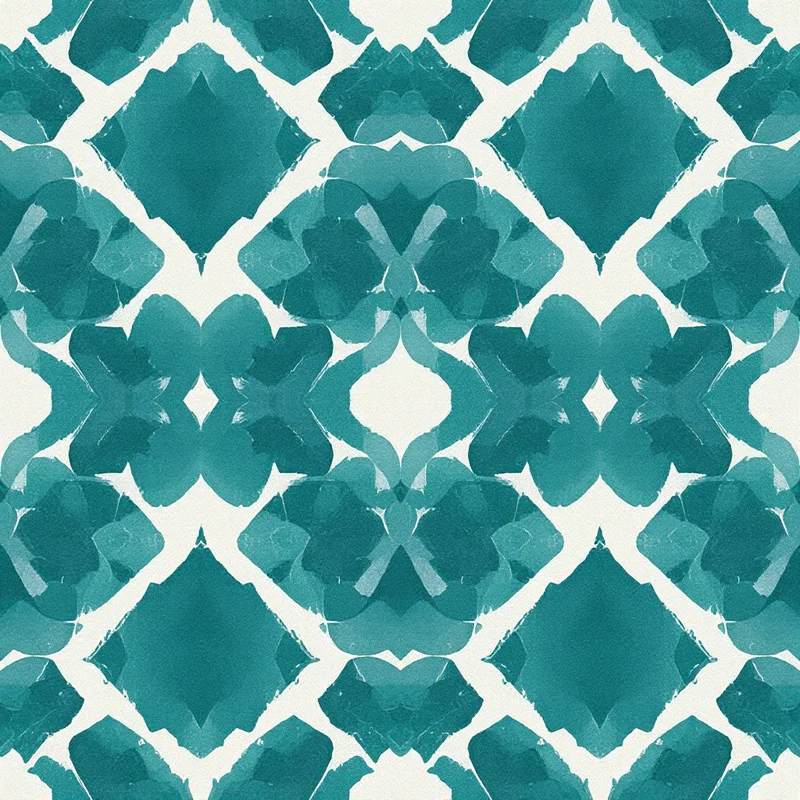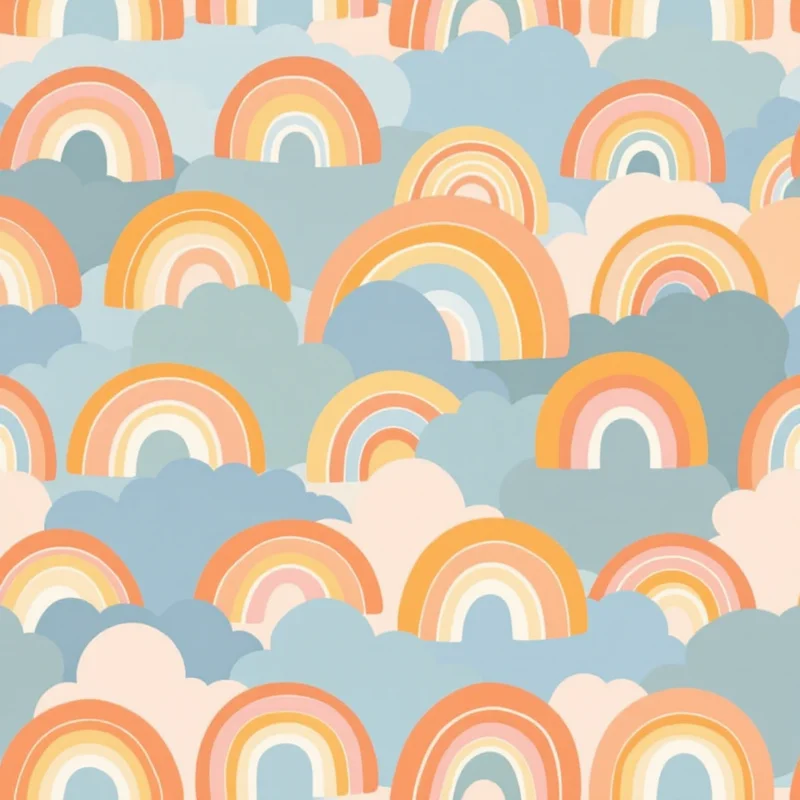
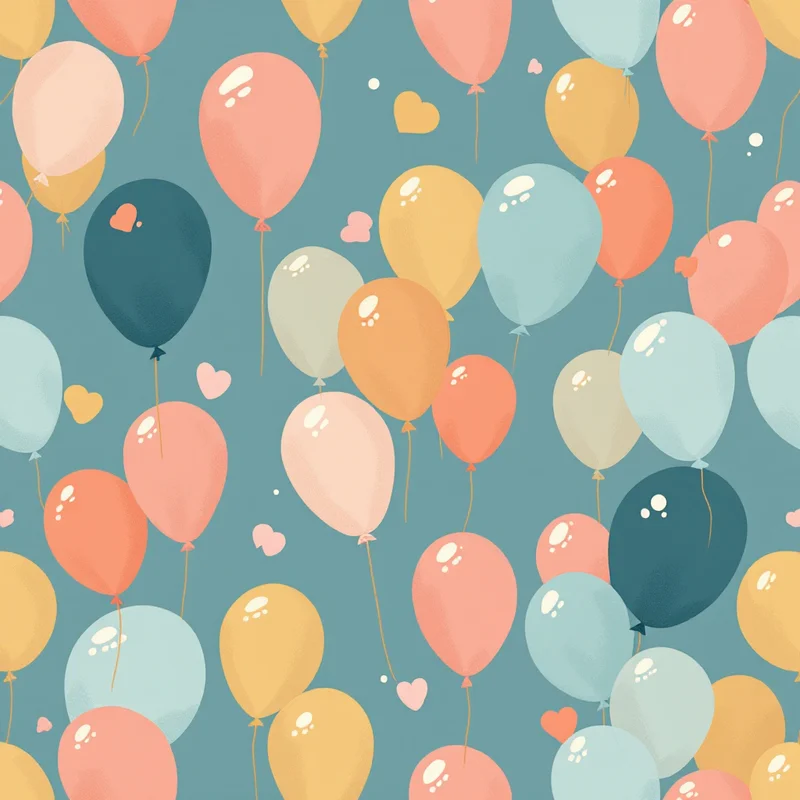
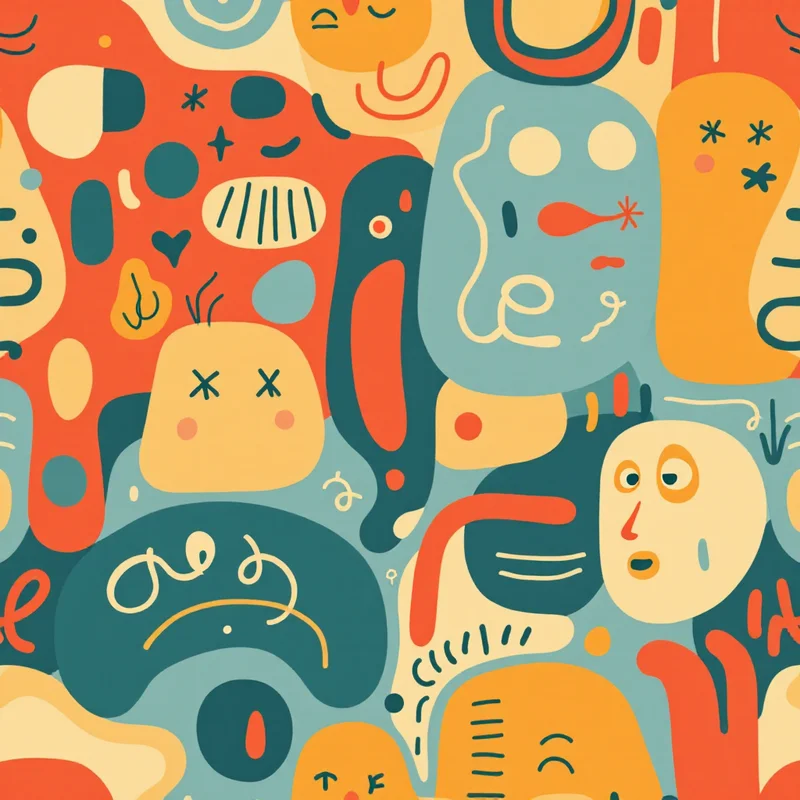
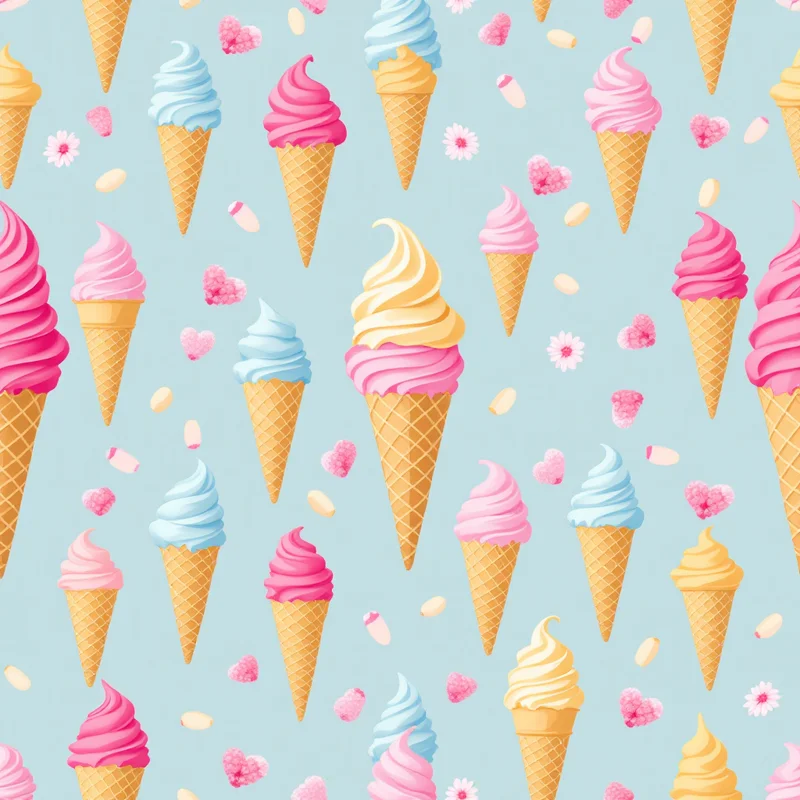
Fun patterns are having a louder moment than they have had in twenty years. Walk into any homeware shop, scroll any kidswear feed, or look at the packaging on a new beverage brand and the visual signal is the same — bright color, wonky shapes, hand-drawn motifs, and a refusal to take itself too seriously. After a decade of beige minimalism and quiet luxury, designers and buyers alike are reaching for fun patterns because they do something the calm aesthetic cannot: they lift the room.
This guide breaks down what fun patterns actually are, where the current revival came from, the visual rules that separate a joyful design from a chaotic one, and a five-step workflow for generating publishable fun patterns inside Pattern Weaver.
What is fun patterns?
Fun patterns is a loose category covering any repeating surface design built primarily to delight the viewer rather than impress them. The motifs are usually simple — smiley faces, wonky stars, doodle flowers, scatter confetti, checkerboards with imperfect squares, fruit, rainbows, abstract blobs. The color is usually bright. The line quality is often hand-drawn rather than precise. The mood is cheerful, accessible, and unpretentious.
What separates fun patterns from related categories is intent. A floral pattern can be elegant or romantic or moody. A fun pattern wants to make the wearer or the room feel a little lighter. The design choices follow from that intent: easier shapes, higher chroma, more humor.
Where fun patterns comes from (history/origin)
Playful surface design is not new. Memphis Group in Milan in the 1980s built an entire movement on bright squiggles, polka dots, and geometric chaos that mocked the seriousness of high modernism. Marimekko's Unikko poppy from 1964 brought oversized joyful florals into Scandinavian homes. The 1970s gave us mushroom motifs and rainbow stripes across kitchen textiles and kidswear.
The current revival began around 2019 and accelerated through 2021–2024. The dopamine-dressing trend, the broader cultural pushback against austere wellness aesthetics, and the rise of independent illustrators selling direct on Etsy and Instagram all pulled fun patterns back into the mainstream. Brands like Yinka Ilori, Dusen Dusen, Lisa Says Gah, and Stine Goya built recognizable identities around playful surface design. By 2026, fun patterns sit firmly in the commercial mainstream — they are not a subculture anymore.
Visual hallmarks of fun patterns
A handful of consistent traits show up across successful fun patterns regardless of decade or designer:
- Simple hero motif — one clear shape that anchors the design and reads from across a room
- Hand-drawn or wonky line quality — perfect geometry feels corporate; imperfect lines feel human
- High-contrast palette of four to five colors — too few feels flat, too many feels muddy
- Negative space that breathes — fun patterns let the background color carry weight
- Repetition with variation — same motif at slightly different sizes, rotations, or colors
- A wink — something unexpected, a hidden small shape, a color that should not work but does
When a pattern hits four or five of these traits, it usually reads as fun. When it misses most of them, it reads as either chaotic or generic.
How to generate fun patterns in Pattern Weaver
The studio collapses the technical side of repeat construction so you can focus on the creative decisions. The five steps below match the workflow most designers settle into after a few sessions.
- 1Pick a playful style and substyle. Open the studio and choose a style that leans cheerful — doodle, retro, pop, or kids. Pair it with a substyle like confetti, scatter, or wonky-geo to lock in the playful character from the start.
- 1Build a bright palette. Pick four to five colors with strong contrast. Bright primaries on cream, hot pink with electric blue, or citrus brights on navy all work. The preset playful palettes balance hue and saturation if you want a head start.
- 1Set density and scale for the end use. Apparel wants medium density and medium scale. Wallpaper wants sparser density at larger scale. Wrapping paper handles dense small-scale tiles best. Move the sliders before generating so the first preview already fits the target.
- 1Generate and iterate. Run the first pass, then refine the motif prompt with one specific tweak at a time — swap a shape, change a color, adjust spacing. Three to five iterations usually lands a publishable tile faster than starting over.
- 1Preview the tile and export. Use the tile preview to check the seamless repeat in a 3x3 wall view. When the seams disappear, export at 8K in TIFF for print or PNG for digital.
For a deeper look at the repeat-construction side, the seamless patterns walkthrough covers the technical layer in more detail.
Color palette ideas for fun patterns
Five palettes that work reliably across product categories:
- Confetti party — cherry red, sunshine yellow, ocean blue, bubblegum pink, cream background
- Citrus pop — lemon, lime, tangerine, watermelon, navy background
- Pastel rainbow — peach, mint, lavender, butter yellow, sky blue, warm white background
- 80s playground — electric blue, hot magenta, acid green, black, white background
- Mid-century kids — mustard, teal, coral, cream, soft brown background
The rule across all five: keep the background neutral or saturated, never mid-tone gray. Mid-tones drain the energy out of bright motifs faster than anything else.
Best use cases
Fun patterns sell strongly across more product categories than any other surface-design style.
Apparel — kidswear is the obvious home, but adult resort shirts, swim, loungewear, and accessories all move serious volume in fun patterns. Hawaiian-style prints with playful motifs are a permanent staple.
Wallpaper — kids' rooms, nurseries, and increasingly home offices and powder rooms. The maximalist wallpaper trend has carried fun patterns into rooms that would have been beige five years ago.
Packaging — beverage brands, beauty, snack foods, and stationery use fun patterns to signal accessibility and joy on a crowded shelf. The visual lift on a packaging mockup is immediate.
Accessories — phone cases, tote bags, socks, scarves, and notebooks all carry fun patterns well because the small format reads the playful shapes clearly.
Home decor — cushions, throws, table linen, mugs, ceramic tiles. Adult homes carry more fun patterns now than at any point since the 1970s.
The print-on-demand guide covers the commercial side of selling fun patterns across these categories.
Pro tips for stronger fun patterns repeats
A few small adjustments separate amateur fun patterns from publishable ones:
- Scatter the seam. Place filler shapes across the tile edge so the eye cannot find the repeat boundary.
- Vary the motif rotation. Rotating each instance of the hero motif by 15–45 degrees breaks up the grid feeling.
- Add one anchor color. Saturated palettes need one dark anchor (navy, black, dark brown) to keep the design from floating.
- Test at thumbnail size. Fun patterns that read at 200px wide will read at any size. Patterns that turn to mud at thumbnail need simpler motifs.
- Print one strike-off before scaling. Bright colors shift more than muted ones in print. One physical proof prevents expensive reorders.
The AI pattern workflow guide covers more iteration tactics for refining a generated tile toward production-ready quality.
Generate your own fun patterns
Pattern Weaver's studio ships with playful styles, preset bright palettes, and a tile preview that catches seam issues before export. Exports run up to 8K (8192x8192 px) in PNG, JPG, WEBP, TIFF, PDF, and SVG. All paid credit packs include a commercial license so the patterns you generate can go straight onto product you sell.
Whether the goal is a single confetti scarf, a full nursery wallpaper collection, or a packaging refresh for a snack brand, Pattern Weaver gets you from blank canvas to print-ready file in minutes rather than days. Browse all pattern categories to see the styles available, check pricing for the credit pack that fits your output volume, or jump straight into the studio and start generating. The first few fun patterns you make will tell you more about what works for your audience than any guide can — the studio is built for that kind of fast, joyful iteration.