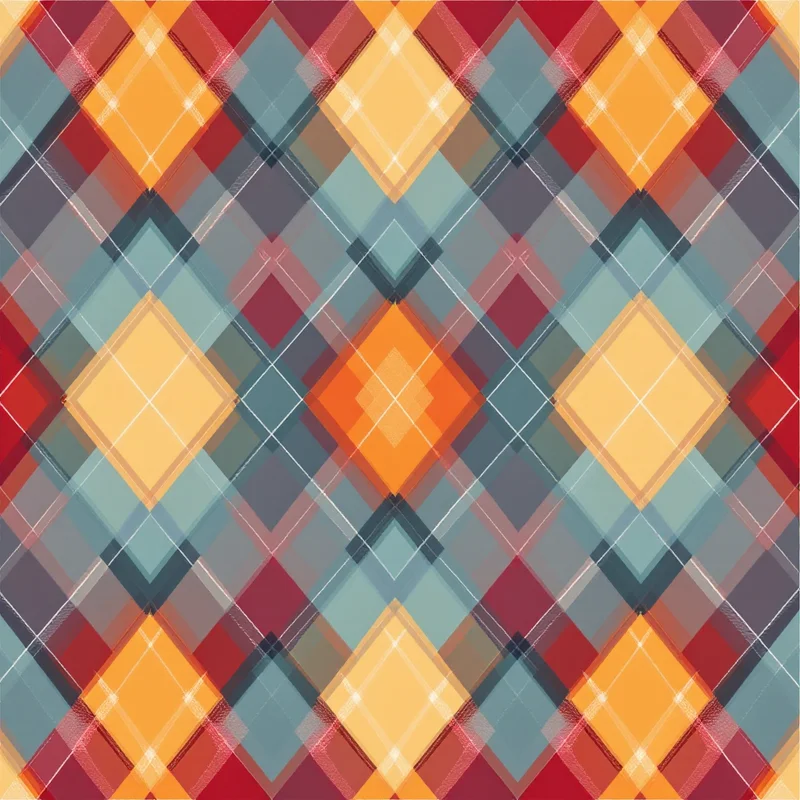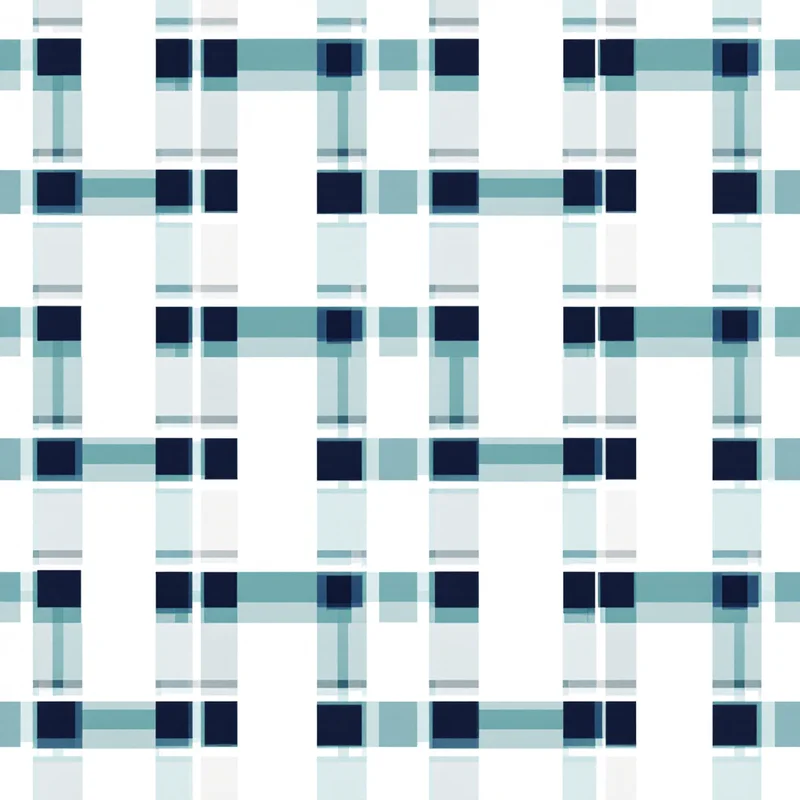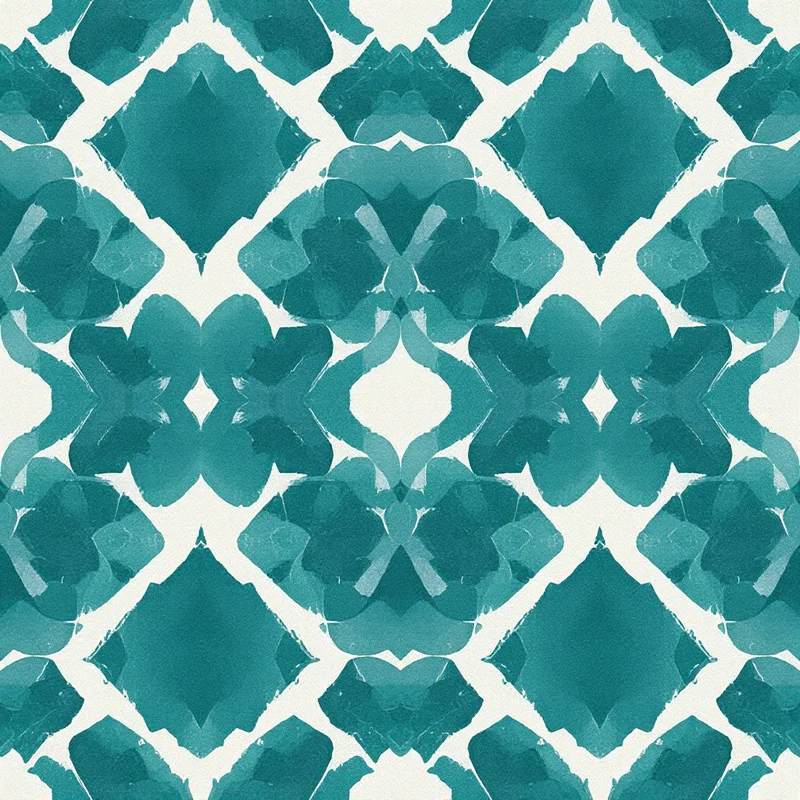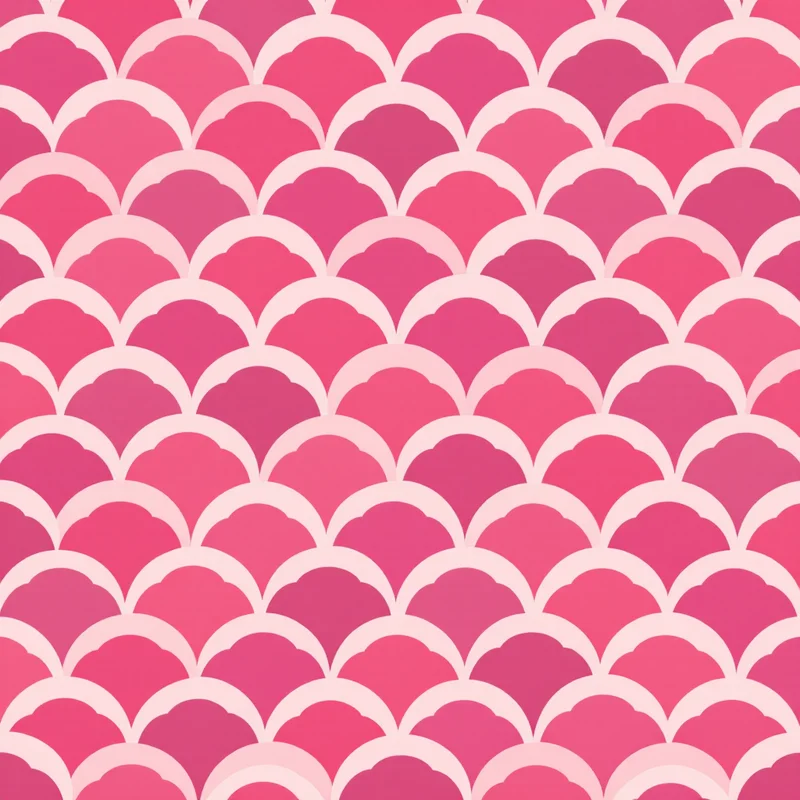
If you have tried AI pattern design with a general image tool, you already know the catch. You type a prompt, get a gorgeous decorative image, drop it into your product mockup, and the repeat falls apart at the edges. The picture looks like a pattern, but it does not behave like one. General AI image tools are built to make a single beautiful frame; surface design needs that frame to tile forever without a visible seam. That gap is the whole story of this comparison.
This guide looks honestly at how general AI image tools stack up against a dedicated pattern generator for real surface work. Both have a place. The question is which one fits the job you are actually doing.
Key takeaway: General AI image tools are excellent at producing standalone art. Dedicated AI pattern design tools are built to produce seamless, production-ready tiles at print sizes. If your output is a product, the dedicated route saves you the manual repeat and file-prep work that general tools leave on your plate.
The criteria that actually matter
When people ask which tool is better for AI pattern design, they usually mean one of five things. Let's name them so the comparison stays grounded:
- Seamless tiling. Does the output repeat without visible seams, or do you fix edges by hand afterward?
- Resolution and scale. Can you export large enough for the surface, from a phone case up to a wallpaper drop?
- Control over the repeat. Can you set motif scale, density, and palette deliberately, or do you take what you get?
- Export formats. Does the tool produce files a printer or platform will actually accept?
- Speed to a finished product. How long from idea to a file you can put on a product?
Almost every disappointment with AI pattern design traces back to one of these five.
General AI image tools
These are the broad text-to-image tools many people already use. They are genuinely impressive, and for some tasks they are the right call.
Where they shine. They produce striking standalone images across an enormous aesthetic range. If you need a hero illustration, a moodboard reference, a one-off motif to trace, or concept art to brief a collection, they are fast and flexible. The aesthetic ceiling is high.
Where they fall short for patterns. Seamless tiling is rarely native. The output is a flat picture, so the left edge does not meet the right edge and the top does not meet the bottom. You end up taking the image into a separate editor to offset, clone, and patch the seams by hand, which is the exact tedious work AI was supposed to remove. Resolution often caps around 2K, which is too small for large-format print. And you get little direct control over repeat structure, density, or precise palette, because the tool was never built around a tile in the first place.
For pure exploration, general AI image tools are great. For shipping a product, they hand you a half-finished job.
Traditional pattern software
It is worth a fair mention of the established route: traditional vector editors and iPad drawing apps. These reward the time you invest. A vector editor gives you exact repeat dimensions, infinite scaling, and precise color control, which still matters for vector production files and brand-exact work. iPad drawing apps give you hand-drawn character that AI cannot fully replicate.
The cost is speed and the learning curve. Building a seamless repeat by hand in a vector editor takes real time, and producing a watercolor or painterly look there is painful. For designers whose bottleneck is drawing the motifs at all, traditional tools do not solve the core problem.
Where a dedicated AI pattern design tool fits
A dedicated generator is built around the tile from the first pixel, and that single design decision changes everything downstream. This is where Pattern Weaver sits, so let's be specific about what the dedicated approach does that the general route does not.
Seamless by default. The engine generates a true tile and checks the seams, so the edges meet cleanly without you opening a second app. This is the single biggest practical difference in AI pattern design between a general tool and a dedicated one.
Production resolution. Exports run up to 8K (8192x8192 px), which covers wallpaper, upholstery, and large home textiles, not just small digital art.
Deliberate control. You set palette, motif scale, and density directly, so the pattern is a design decision rather than a lucky draw. That control is what keeps AI pattern design from feeling generic.
Print-ready formats. Output covers PNG, JPG, WEBP, TIFF, PDF, and SVG, so you match a printer's spec without a separate conversion step.
The honest trade-off: a dedicated tool is narrower. It will not write your marketing copy or generate a portrait. It does one thing, which is turn an idea into a sellable seamless pattern, and it does that one thing without the seam-fixing detour.
A quick comparison
| Criterion | General AI image tools | Dedicated pattern generator |
|---|---|---|
| Seamless tiling | Rarely native; fix by hand | Built in, edges checked |
| Max resolution | Often ~2K | Up to 8K (8192x8192 px) |
| Repeat control | Minimal | Scale, density, palette |
| Export formats | Usually PNG/JPG | PNG, JPG, WEBP, TIFF, PDF, SVG |
| Best for | Standalone art, concepts | Production-ready surface patterns |
How to get started with the dedicated workflow
Here is the workflow that takes an idea to a finished tile in one session.
- 1Describe the pattern, not just a picture. Name the motif, the mood, and the surface. A brief like "floral, cottagecore, sage and butter yellow, for apparel" gives the engine far more than a single noun. Open Pattern Weaver's studio to begin, and commit to one mood per pattern.
- 2Set palette, scale, and density. In the studio controls, pick a 3-5 color stack, then decide how large the motifs sit and how tightly they pack. These three dials carry most of the difference between a memorable pattern and a forgettable one. Add one unexpected accent color to separate your work from the crowd.
- 3Generate variations and refine in one direction. Produce three or four options, choose the cleanest silhouette, then regenerate within that direction rather than jumping styles. Browse category starting points on the create page if you want a head start.
- 4Check the seamless tile. Run the seamless tile check so the edges meet. If a motif crosses the seam awkwardly, nudge the layout or regenerate that region until the tile reads as continuous fabric.
- 5Export at the right size and format. 2K for digital, 4K for apparel, 8K for wallpaper and large-format print. PNG or JPG for most print-on-demand, TIFF or PDF for mills, SVG where vector handoff is needed.
Want category-specific starting points? Try a seamless pattern, a floral pattern, or a geometric pattern and refine from there. For broader surface work, the surface pattern design and abstract pattern browsers show patterns at real scale.
So which should you use?
If your goal is a single decorative image, concept art, or a reference to trace, a general AI image tool is the faster pick and you should use it without guilt. If your goal is a pattern that ships on a product, the dedicated route wins on every criterion that matters for production: it tiles seamlessly, exports at print resolution, gives you real control, and outputs formats printers accept. That is the entire reason AI pattern design tools built specifically for surface work exist.
For most independent designers and print-on-demand sellers, the dedicated workflow covers the job end to end. You can compare the full landscape in the best pattern design software roundup, learn the underlying repeat craft in the how to create seamless patterns guide, and dial in production specs in the pattern design for print-on-demand walkthrough.
When you are ready to test the dedicated approach, open the studio and ship a tileable repeat. Free credits get your first patterns out the door, and the paid tiers on pricing — Starter, Pro, and Max — add commercial licensing, exports up to 8K, and the full format range for production. Pattern Weaver handles the repeat math; the taste, as always, stays yours.
Explore related pattern styles