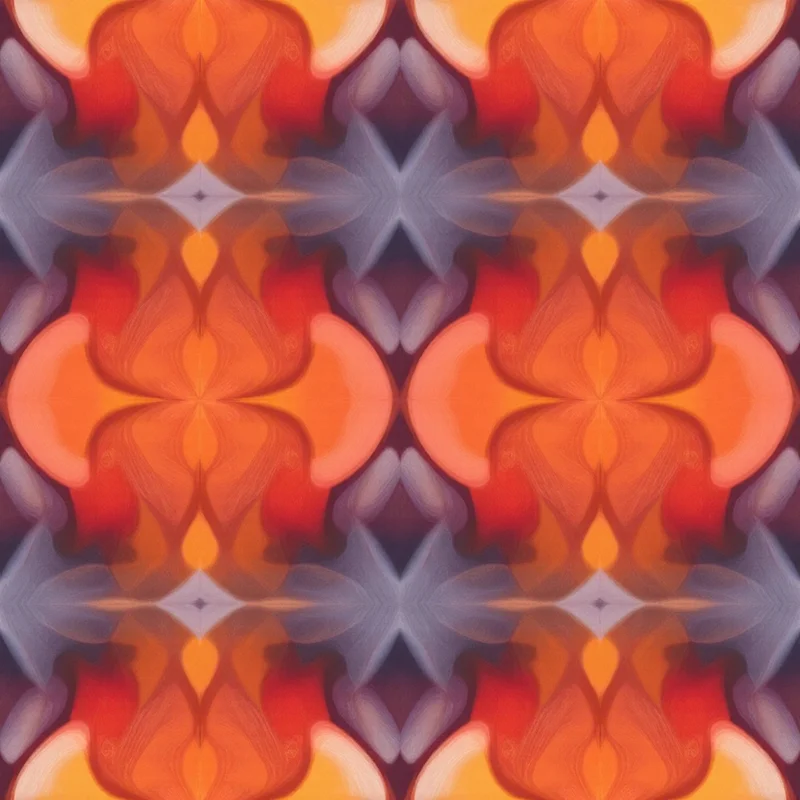
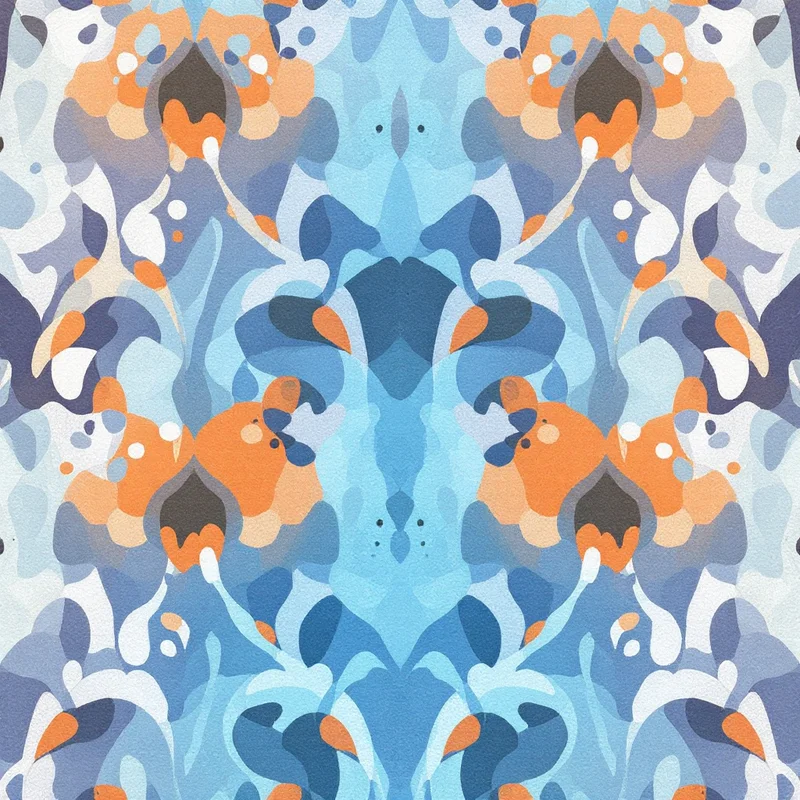
Butterfly wing patterns sit at one of the most reliable intersections in surface design — nature gives the designer perfect bilateral symmetry, ready-made color palettes that read as luxurious without effort, and a motif vocabulary (eye-spots, vein lines, scalloped edges) that has been doing commercial work for over a thousand years. Whether the end use is a silk scarf, a nursery wallpaper, or a packaging refresh for a beauty brand, butterfly wing patterns deliver a kind of decorative intelligence that takes other motifs much more work to achieve. This guide covers what they are, where they come from, what makes them visually recognizable, and how to generate production-ready repeats in Pattern Weaver.
What is butterfly wing patterns?
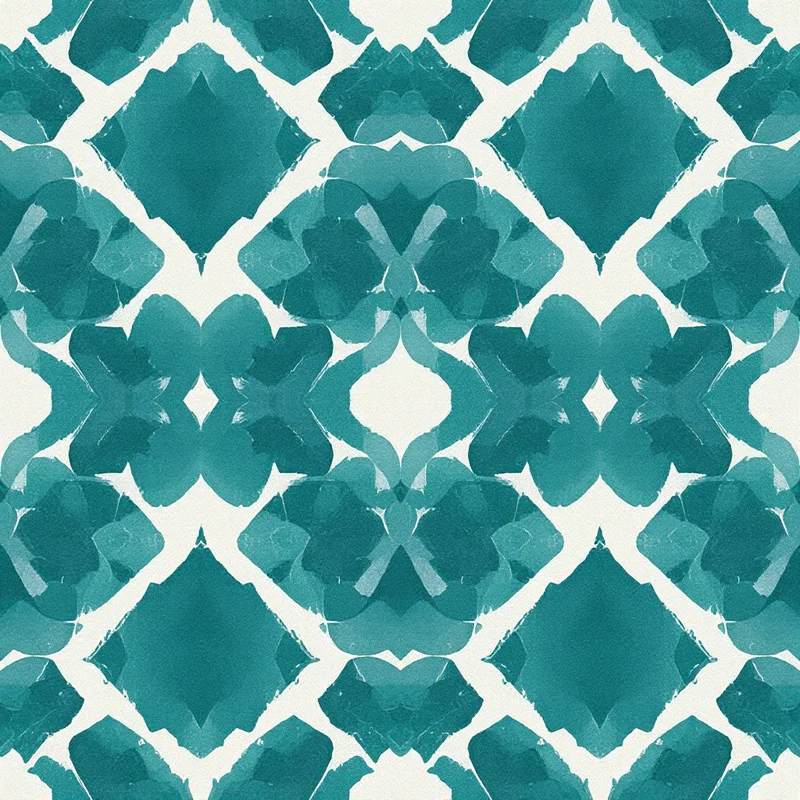
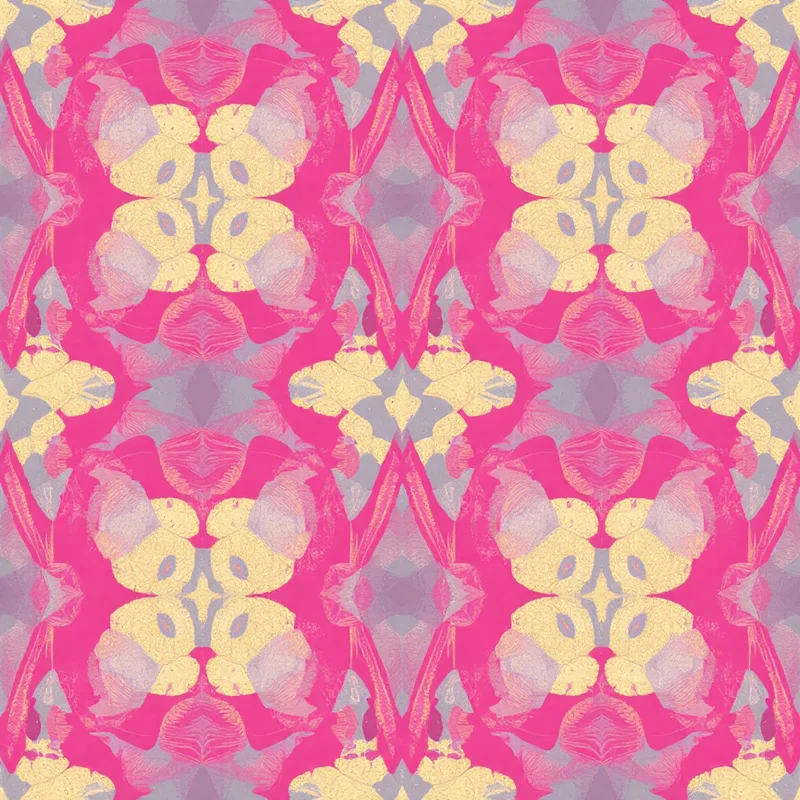
Butterfly wing patterns are repeating motifs built from the markings, scales, and color gradients of real butterfly and moth wings. In practice they show up in three formats. The first is the scattered repeat, where individual wings or wing pairs sit across a tile with rotation and scale variation. The second is the mirrored pair layout, used most often for scarves and large-format prints, where a single butterfly anchors the composition. The third is the abstracted wing fragment, where eye-spots, vein structures, or scalloped edges get pulled out of context and rebuilt into a graphic surface that no longer reads as literal butterfly but still carries the visual DNA.
The motif works in commercial design because it carries built-in narrative — transformation, ephemerality, summer, the natural world — without forcing the designer to over-explain. A florist gets a customer thinking about gardens. A butterfly print gets the customer thinking about the garden, the season, the journey, and the slightly mythic associations the insect carries in most cultures.
Where butterfly wing patterns comes from (history/origin)
The motif has deep cross-cultural roots. Chinese silk embroidery from the Tang dynasty (618–907 CE) used butterfly imagery to symbolize longevity and conjugal love, with paired butterflies appearing on bridal textiles and burial garments. Mexican folk textiles incorporated monarch wing patterns long before the migratory significance of the species was scientifically documented, with the wings appearing in Otomi embroidery and Oaxacan rebozos.
European decorative arts picked up the motif during the late 19th century. Art Nouveau designers like Émile Gallé and René Lalique used butterfly wings in glass, jewelry, and printed textiles, exploiting the sinuous line and iridescent color that defined the movement. By the 1960s psychedelic print revival, butterfly wings had returned in saturated high-contrast color, this time as a counterculture symbol rather than a decorative one.
Contemporary surface design borrows from all four traditions. A 2026 butterfly print can read as folk, Art Nouveau, naturalist, or graphic depending on which historical lineage the designer leans toward.
Visual hallmarks of butterfly wing patterns
Three signatures make a butterfly wing pattern read correctly. Strict bilateral symmetry on the wing pair — even abstracted versions need to honor this or the pattern starts to look like generic floral. Eye-spots, the round circular markings that appear on many species' wings, are the single most recognizable graphic element and survive heavy stylization. Vein lines running through the wing surface add the secondary structure that separates a butterfly from a flat decorative shape.
Color behavior matters as much as form. Real butterfly wings carry iridescent gradients that shift across a single panel — a blue morpho moves from cobalt to ultramarine to violet across one wing. Translating that gradient into print is what separates a sophisticated butterfly pattern from a flat children's-book illustration.
Edge treatment is the third hallmark. Most butterfly species have scalloped or pointed wing edges, and respecting this silhouette is what keeps a heavily abstracted wing reading as butterfly rather than as a generic teardrop.
How to generate butterfly wing patterns in Pattern Weaver
The Pattern Weaver studio handles butterfly wing patterns as a first-class nature motif. The walkthrough below moves from brief to export in five steps.
- 1Open the studio and pick a nature category. Sign in to Pattern Weaver and open the studio. Select Nature or Floral as the base category, then specify butterfly wings as the primary motif.
- 2Set species reference and rendering style. Choose a butterfly reference — monarch, swallowtail, blue morpho, or painted lady are reliable starting points. Pick a rendering style: flat folk, painterly watercolor, botanical illustration, or graphic line art.
- 3Choose color palette and density. Select up to six anchor colors. Set density to sparse for editorial layouts, medium for everyday surface work, or dense for maximalist prints. Adjust scale based on whether the output is for apparel, wallpaper, or accessories.
- 4Generate and review the tile. Hit generate. The studio returns a seamless tile preview with the seams already aligned. Review the repeat at 2x and 4x zoom to check that no individual wing dominates and that the rhythm reads evenly across the surface.
- 5Export at production resolution. Once the tile reads correctly, export at 8K (8192×8192 px) in PNG, TIFF, or SVG depending on the end use.
The whole process runs in a few minutes inside the studio. Manual repeat work in Photoshop takes considerably longer.
Color palette ideas for butterfly wing patterns
Three palette directions tend to work without forcing the result into kitsch territory.
The tropical saturated palette pulls from blue morpho and birdwing references — cobalt, magenta, citrus yellow, anchored on black or deep navy. It reads as resort wear, swim, and statement scarves. The powdered pastel palette pulls from cabbage white and painted lady — peach, mint, dusty lavender on cream or oat. It reads as nursery, lingerie, and quiet apparel. The naturalist earth palette pulls from moth references — umber, ochre, oxblood, ivory — and reads as heritage wallpaper, menswear lining, and stationery.
Iridescent gradients within a single wing separate the pattern from generic floral. Avoid more than six anchor colors per repeat; the wings already carry visual complexity, and over-coloring the surrounding ground muddies the motif.
Best use cases (apparel, wallpaper, packaging, accessories, home decor)
Apparel uses butterfly prints heavily in summer womenswear, resort wear, and children's clothing. Wingspans of 4–8 cm work for dresses and blouses; oversized 12–20 cm scale suits resort kaftans and beach cover-ups.
Wallpaper allows the largest scale work. Wingspans of 15–25 cm read as statement-wall decorative, while 6–10 cm scattered repeats work for full-room installation.
Packaging uses butterfly motifs constantly in beauty, floral delivery, and gift wrap. The pattern signals premium without becoming gendered in the way pure florals sometimes do.
Accessories — silk scarves, phone cases, jewelry boxes — typically use mirrored single-pair layouts rather than scattered repeats, with the butterfly working as a focal image.
Home decor covers cushion covers, table linens, lampshades, and bedding. The decorative-traditional segment of the market sustains butterfly patterns year-round, not just seasonally.
For broader pattern categories beyond butterflies, browse all pattern types in the studio.
Pro tips for stronger butterfly wing patterns repeats
Vary the wing rotation across the tile so no two butterflies face the same direction in adjacent rows — this is the single biggest fix for a repeat that feels mechanical. Mix three scales of wing within one pattern (large hero, medium fill, small accent) for visual hierarchy. Add secondary motifs sparingly — small florals, vein-line abstractions, or scattered dots — to give the eye somewhere to rest between the larger wings.
Test the seam at 100 percent print scale before committing. A repeat that reads cleanly at thumbnail size can show a hard edge at full yardage, especially on fabrics that show seam shadow under raking light.
For more on seamless repeat construction, see how to create seamless patterns. For print-on-demand specific considerations, see pattern design for print on demand. For broader AI-assisted workflow, see how to make a pattern with AI.
Generate your own butterfly wing patterns
Butterfly wing patterns reward designers who lean into the motif's natural strengths — symmetry, iridescence, and the eye-spot graphic — rather than fighting them. Open the Pattern Weaver studio, pick a species reference, and generate the first tile in under a minute. Free credits are available on every account to test the studio. Paid credit packs on the pricing page — Free, Starter, Pro, and Max — include commercial license on every export, with output up to 8K (8192×8192 px) in PNG, JPG, WEBP, TIFF, PDF, and SVG. The motif has been doing decorative work for over a thousand years; the only question is what the next version looks like in your hands.