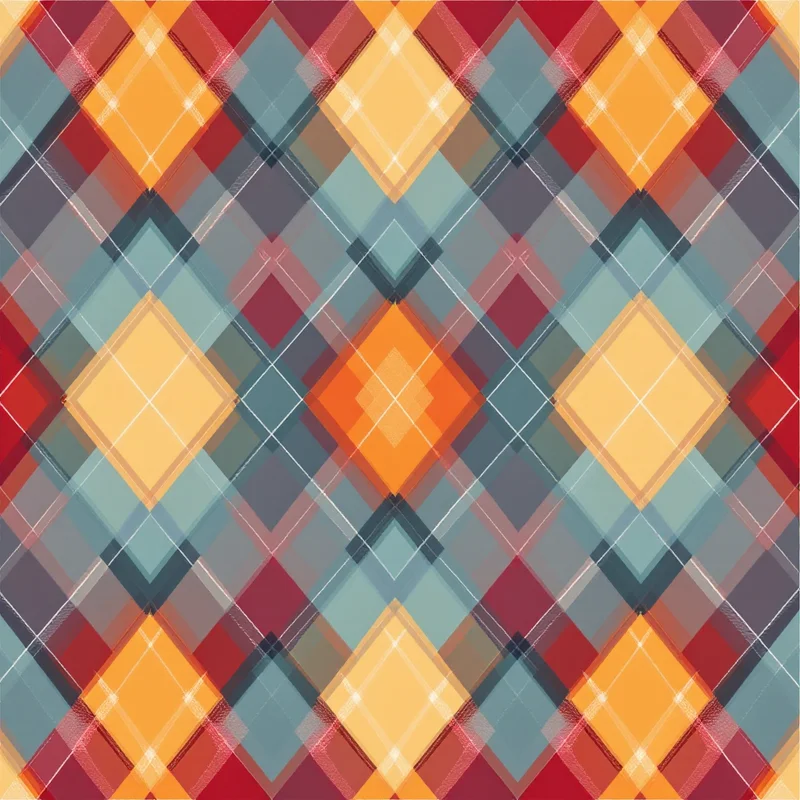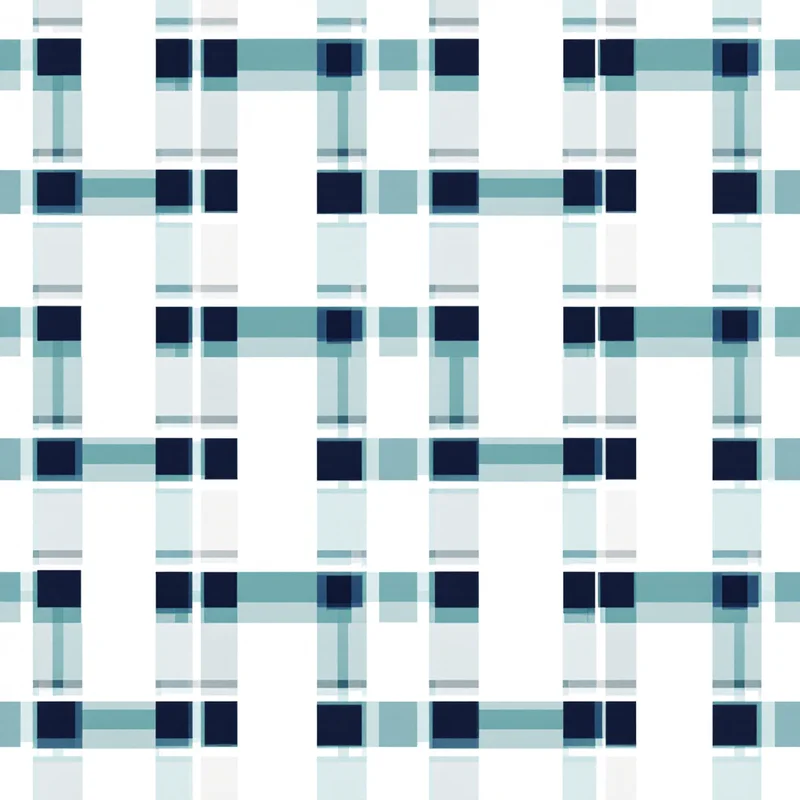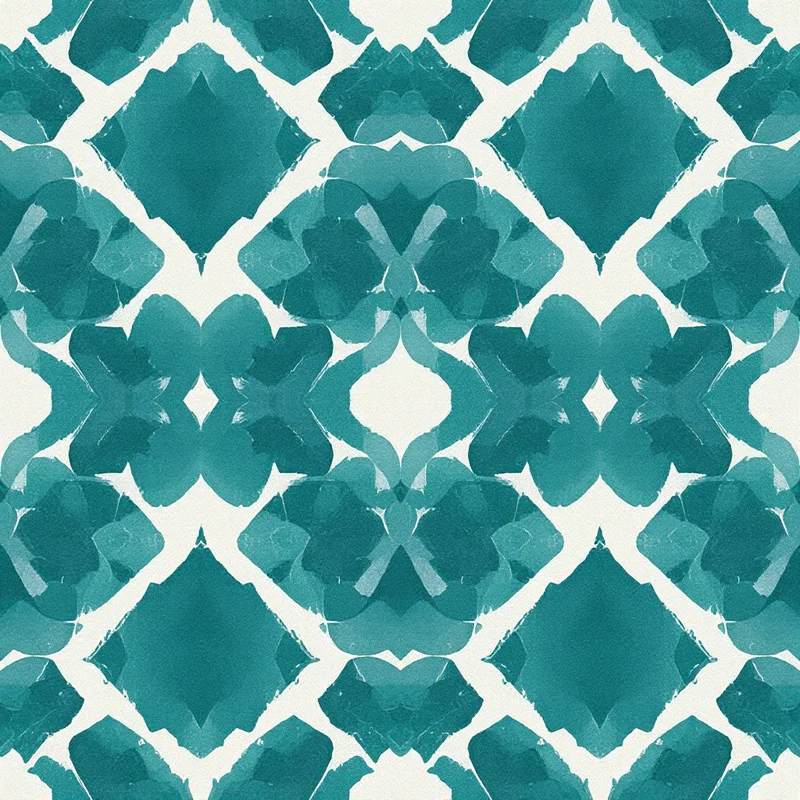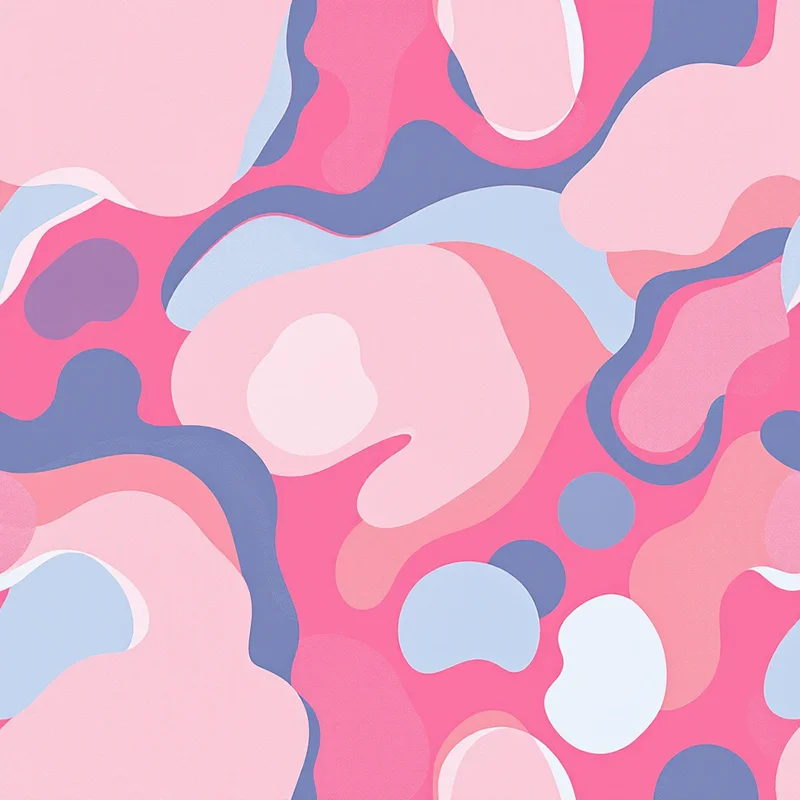
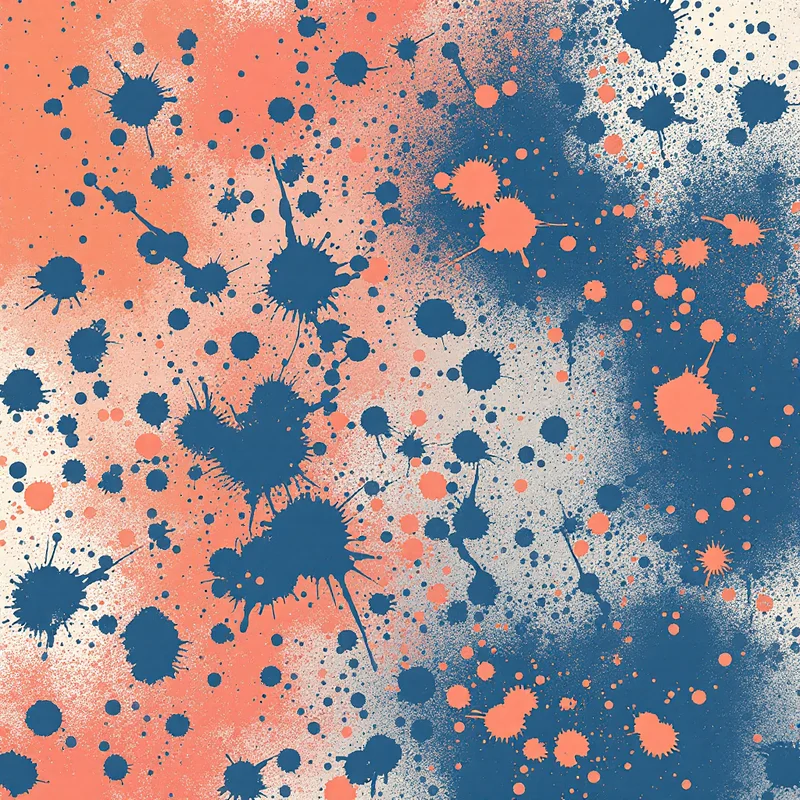
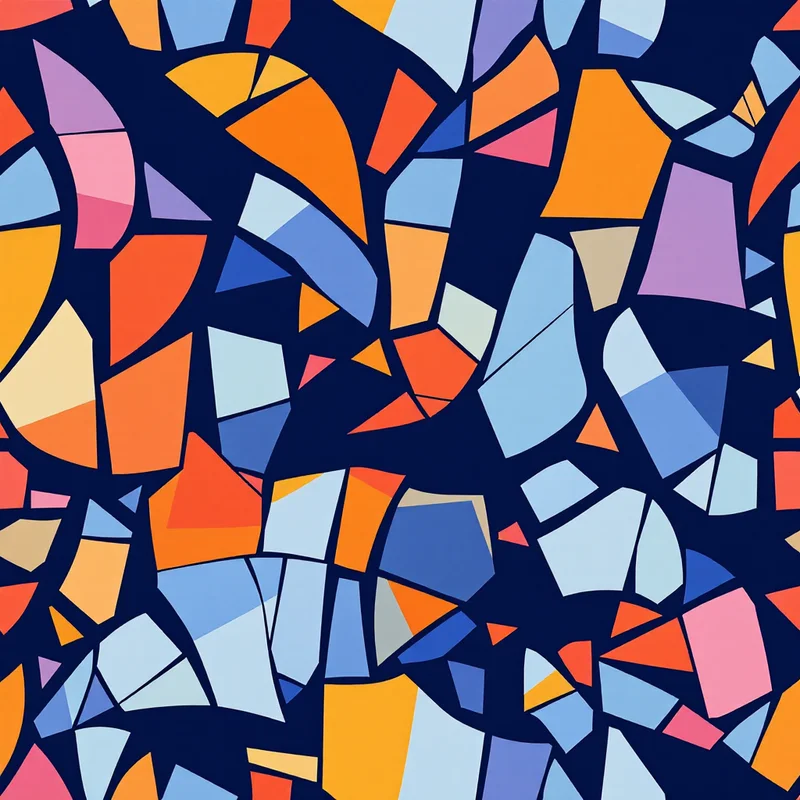
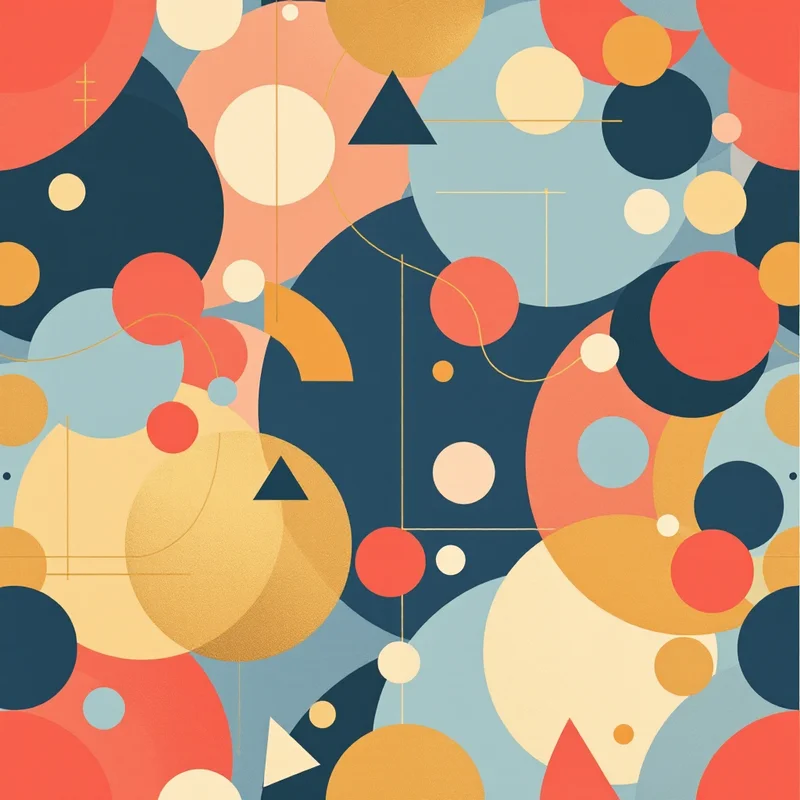
The difference between a forgettable AI-generated pattern and a production-quality design almost always comes down to the prompt. Vague inputs produce vague outputs. Specific, structured prompts that describe the style, render technique, color palette, and motif behavior produce patterns that look intentional and professional. Whether you are writing freeform text prompts for Midjourney or selecting structured parameters in a dedicated pattern tool, the underlying principle is the same: the more precise your creative direction, the better the result.
Key takeaway: A good pattern prompt specifies five things: the motif (what is depicted), the style (the visual tradition it belongs to), the render method (how it looks like it was made), the color palette, and the density or scale. Nail those five and the AI has enough direction to produce something usable.
Below are 50 pattern generation prompts organized by category. Each one is written as a freeform text prompt you can paste into Midjourney, DALL-E, or any text-based AI image generator. If you are using the studio, you would select equivalent parameters from the style menus instead of writing text -- the Pattern DNA compiler handles the prompt engineering for you.
Floral and Botanical
- 1"Scattered wildflower pattern with daisies, cornflowers, and poppies, watercolor on cream linen background, medium density, seamless tile" -- The watercolor render method plus a natural linen background gives this an organic, handmade quality that flat digital rendering would not achieve. (Prefer menus to prompts? Build the same look in floral patterns.)
- 1"Dense tropical leaf pattern, monstera and palm fronds, dark emerald and forest green on black, high contrast, botanical illustration style, seamless repeat" -- Specifying multiple leaf varieties plus the dark-on-dark palette creates depth that a generic "tropical leaves" prompt misses.
- 1"Chintz floral with cabbage roses and trailing ivy, vintage hand-painted look, soft pinks and sage green on ivory, half-drop layout, seamless tile" -- Naming the specific substyle (chintz) gives the AI a strong visual reference instead of guessing at a generic floral.
- 1"Minimalist line drawing botanical pattern, single continuous line herbs and stems, black ink on white, sparse density, seamless repeat" -- The "single continuous line" instruction constrains the render method enough to produce a coherent aesthetic.
- 1"Japanese cherry blossom branches, ukiyo-e woodblock print style, dusty pink and gold on deep navy, elegant spacing, seamless tile" -- Combining the motif (cherry blossom) with a specific cultural render tradition (ukiyo-e) gives the AI two strong anchors.
- 1"Pressed flower herbarium pattern, dried lavender and fern fronds, muted earth tones, vintage botanical study aesthetic, scattered layout, seamless repeat" -- The "pressed flower" and "herbarium" language pushes the AI toward a specific flattened, preserved look rather than a fresh floral.
Geometric
- 1"Art deco geometric pattern, interlocking fan shapes and radiating lines, gold and cream on navy, metallic sheen, high precision, seamless tile" -- Art deco is one of the styles AI handles best because the visual language is well-defined and consistent.
- 1"Islamic geometric star pattern, 8-pointed stars with interlacing bands, cobalt blue and turquoise on white, mathematical precision, seamless repeat" -- Specifying the star point count gives the AI a concrete structural target.
- 1"Mid-century modern atomic pattern, boomerang shapes and starbursts, teal, mustard, and charcoal on cream, retro screen-print texture, seamless tile" -- Naming the era (mid-century) plus specific motif shapes (boomerang, starburst) is more effective than just saying "retro geometric."
- 1"Hexagonal honeycomb pattern with subtle dimensional shading, warm amber and golden yellow gradient, clean vector style, seamless repeat" -- The dimensional shading instruction turns a flat geometric into something with perceived depth.
- 1"Op art black and white pattern, undulating parallel lines creating optical illusion of movement, high contrast, precise, seamless tile" -- Op art prompts work well because the style has strict visual rules the AI can follow.
- 1"Terrazzo flooring pattern, irregular stone chips in blush pink, sage, cream, and charcoal on warm gray ground, realistic texture, seamless repeat" -- Terrazzo blurs the line between geometric and textural, and specifying realistic texture prevents the AI from flattening it.
Abstract
- 1"Organic abstract shapes floating on soft gradient background, earth tones with burnt sienna accent, painterly brushstroke texture, medium density, seamless tile" -- The "painterly brushstroke texture" instruction is critical; without it, abstract prompts tend to produce flat vector shapes.
- 1"Fluid marble swirl pattern, deep indigo and white with gold veining, liquid ink aesthetic, seamless repeat" -- Marble patterns are a strong category for AI because the organic randomness plays to the model's strengths.
- 1"Abstract terrazzo-inspired pattern with irregular confetti shapes, pastel palette with coral, mint, and lavender on white, playful scattered layout, seamless tile" -- Describing the shapes as "confetti" gives the AI a specific size and distribution reference.
- 1"Bold abstract expressionist pattern, thick impasto brushstrokes in primary colors on raw canvas, energetic, museum quality, seamless repeat" -- Art movement references (abstract expressionist, impasto) load in a lot of visual information with just a few words.
- 1"Shibori-inspired abstract pattern, indigo tie-dye resist effect, organic wrinkling texture, white and deep blue, traditional Japanese textile look, seamless tile" -- Naming the textile technique (shibori) is far more effective than describing the visual effect from scratch.
Vintage and Retro
- 1"1970s retro mushroom and daisy pattern, groovy rounded shapes, avocado green, burnt orange, and harvest gold on brown, screen-print texture, seamless repeat" -- Decade-specific prompts work because AI training data clusters by era, so naming the decade activates the right visual associations.
- 1"Victorian William Morris style pattern, acanthus leaves and intertwining vines, deep red and forest green with gold accents, hand-block-print texture, seamless tile" -- Naming the specific designer (William Morris) gives the AI an extremely precise style target.
- 1"Art nouveau pattern with sinuous organic curves, lilies and flowing hair, muted jewel tones, Alphonse Mucha inspired, seamless repeat" -- Adding an artist reference on top of the movement name further narrows the aesthetic.
- 1"1950s kitchen pattern, vintage coffee cups, cherry pie, and checkered napkins, pastel pink and mint on cream, retro advertising illustration style, seamless tile" -- Combining era-specific objects with a render style (retro advertising illustration) creates a cohesive nostalgic effect.
- 1"Toile de Jouy pattern, pastoral countryside scene with shepherds and trees, single color navy on white, engraved illustration style, seamless repeat" -- Toile is a named substyle with strong training data, so the AI knows exactly what visual tradition to reference.
Cultural and Folk Art
- 1"Scandinavian folk art pattern, Dala horse and simple flowers, red, blue, and white on cream, flat naive illustration style, symmetrical, seamless tile" -- Folk art styles benefit from the "naive illustration" instruction, which prevents the AI from over-rendering.
- 1"Mexican Talavera tile pattern, hand-painted floral medallion, cobalt blue, terracotta, and yellow on white, ceramic glaze texture, seamless repeat" -- Specifying the surface material (ceramic glaze) adds authenticity to cultural patterns.
- 1"Japanese sashiko embroidery pattern, geometric stitching in white thread on indigo cotton, visible stitch texture, traditional pattern, seamless tile" -- The "visible stitch texture" instruction is what separates this from a flat geometric -- it should look stitched.
- 1"Moroccan zellige mosaic pattern, intricate geometric star tiles, jewel tones of emerald, sapphire, and ruby with gold grout lines, seamless repeat" -- Mentioning the grout lines is a small detail that dramatically increases realism.
- 1"Indian block print pattern, hand-carved stamp aesthetic, paisley and small florals, indigo and rust on natural cotton, slight print irregularity, seamless tile" -- "Slight print irregularity" is a powerful instruction that adds handmade character.
- 1"African wax print pattern, bold geometric shapes with deliberate offset registration, vibrant orange, yellow, and brown, high contrast, seamless repeat" -- The "deliberate offset registration" captures the signature look of real wax-resist printing.
Textural and Material
- 1"Woven linen textile texture pattern, natural flax fibers visible, warm neutral beige, photorealistic close-up, seamless tile" -- Texture patterns are AI's strongest category because the output is inherently organic and forgiving.
- 1"Knitted cable pattern texture, chunky wool in cream, visible yarn stitches and cable twists, cozy dimensional look, seamless repeat" -- Specifying "chunky wool" sets the yarn weight and scale expectation.
- 1"Cracked earth dry mud texture, desert landscape, warm terracotta and tan, deep fissures with sharp shadows, photorealistic, seamless tile" -- Natural texture prompts benefit from lighting instructions ("sharp shadows") that add dimensionality.
- 1"Hand-hammered copper surface texture, oxidized patina in verdigris green and warm copper, metallic sheen, seamless repeat" -- Metal textures require mentioning both the base material color and the patina or finish.
- 1"Cork board texture pattern, natural cork surface with characteristic grain and pores, warm brown tones, photorealistic macro detail, seamless tile" -- The simpler the material, the more important "photorealistic" becomes to prevent the AI from stylizing it.
Seasonal and Thematic
- 1"Autumn harvest pattern, pumpkins, acorns, maple leaves, and wheat stalks, warm rust, amber, and burgundy on cream, hand-illustrated style, seamless repeat" -- Listing specific motifs prevents the AI from defaulting to just maple leaves for every autumn prompt.
- 1"Winter holiday pattern, pine branches, holly berries, and snowflakes, traditional red and green with gold accents on deep green, vintage engraving style, seamless tile" -- The "vintage engraving" render method elevates this above a generic Christmas pattern.
- 1"Ocean waves pattern, stylized Japanese-inspired great wave motif, navy blue and white with seafoam accents, woodblock print texture, seamless repeat" -- Combining a natural element with a cultural render tradition produces a pattern with clear identity.
- 1"Night sky celestial pattern, crescent moons, stars, and constellations, gold and silver on midnight blue, mystical illustration style, seamless tile" -- Celestial is a strong commercial category, and specifying both gold and silver metallic tones adds richness.
- 1"Tropical fruit pattern, sliced watermelon, pineapple, and citrus, vibrant saturated colors on white, flat graphic illustration style, playful, seamless repeat" -- "Flat graphic illustration" is the right render method for fruit patterns; photorealistic fruit patterns tend to look like stock photography.
Novelty and Playful
- 1"Cute animal faces pattern, foxes, owls, and rabbits, simple kawaii illustration style, soft pastel colors on white, evenly spaced, seamless tile" -- "Kawaii" is a specific enough style keyword that the AI produces consistent, appealing results.
- 1"Retro space pattern, rockets, planets, and astronauts, 1960s illustration style, orange, teal, and cream on navy, nostalgic, seamless repeat" -- Decade plus subject matter plus illustration style gives the AI three anchor points.
- 1"Coffee shop pattern, espresso cups, coffee beans, croissants, and latte art, hand-drawn sketch style, brown and cream tones, seamless tile" -- Food and beverage patterns sell well in print-on-demand, and the hand-drawn sketch render keeps them from looking like clip art.
- 1"Dinosaur fossil pattern, skeleton outlines and ammonite shells, scientific illustration style, sepia and cream on dark brown, museum specimen aesthetic, seamless repeat" -- "Scientific illustration" and "museum specimen" push this far beyond a children's dinosaur pattern into something adults would buy.
- 1"Musical instruments pattern, guitars, trumpets, and vinyl records, retro poster art style, bold primary colors on black, high energy, seamless tile" -- The "retro poster art" render method gives this a visual coherence that "cartoon" or "illustration" would not.
Prompt Structure Tips
Getting consistently good results from AI pattern generation prompts comes down to structure. Here is a formula that works across tools.
The five-part prompt formula:
- 1Motif -- What is depicted. Be specific: "cabbage roses and trailing ivy" beats "flowers."
- 2Style or tradition -- The visual tradition it belongs to. "Art deco," "Scandinavian folk," "chintz," "toile de Jouy."
- 3Render method -- How it looks like it was made. "Watercolor," "linocut," "screen print," "vector flat," "photorealistic."
- 4Color palette -- Specific colors, not just "colorful." "Dusty pink and sage green on ivory" gives the AI a clear target.
- 5Density and tiling -- "Sparse," "medium density," "dense." Always include "seamless tile" or "seamless repeat."
Common mistakes to avoid:
- Writing prompts that are too short. "Floral pattern" gives the AI thousands of possible interpretations. Specificity is free -- use it.
- Forgetting to specify the render method. This is the single most impactful variable after the motif itself.
- Using contradictory instructions. "Minimalist dense intricate simple" confuses the model. Pick a direction.
- Skipping the tiling instruction. Without "seamless tile" or "seamless repeat," most AI generators will not attempt edge matching.
How Different Tools Handle Pattern Prompts
Not every AI pattern tool works the same way. Here is how the prompt experience differs across popular options.
| Aspect | Structured Studio | Midjourney | DALL-E |
|---|---|---|---|
| Input method | Structured menus (style, substyle, colors, density, scale) | Freeform text prompt | Freeform text prompt |
| Tiling | Automatic, built into pipeline | `--tile` flag (inconsistent) | Must be described in prompt |
| Prompt skill needed | Low -- selections compiled automatically | High -- prompt quality determines output | Medium -- follows instructions well |
| Color control | Palette picker with exact colors | Text description only | Text description only |
| Density/scale control | Slider parameters | Must describe in text | Must describe in text |
| Best for | Consistent production output | Artistic exploration | Concept exploration |
The core tradeoff: freeform text prompts give you unlimited creative flexibility but require prompt-writing skill and produce inconsistent tiling. A structured studio limits you to the available style taxonomy but handles the prompt engineering, tiling, and technical optimization automatically. For production work where you need reliable, repeatable quality, the structured approach saves significant time.
Putting It All Together
The 50 prompts above are starting points, not finished recipes. The best results come from iterating -- generating a few variations, identifying what works, and refining from there. Change the colorway. Swap the render method. Adjust the density. Each variable you tweak teaches you something about how the AI interprets your instructions.
If writing detailed text prompts feels tedious, that is exactly the problem structured tools were built to solve. The studio lets you select style, substyle, palette, density, and scale from curated menus, and the Pattern DNA compiler translates those selections into an optimized prompt automatically. You get the specificity that produces good results without needing to become a prompt engineer.
Whatever tool you choose, the principle holds: specific creative direction produces specific, usable results. Vague prompts produce vague patterns. Put the thought in up front and the AI will reward you for it.
Explore related pattern styles
Patterns for