
Hospitality pattern design operates under commercial pressures that rarely apply to residential design — durability across constant turnover, consistency across dozens or hundreds of rooms, and a renovation cycle measured in years rather than seasons.
Durability is the first filter, before aesthetics
A hotel carpet, upholstery fabric, or wallcovering endures dramatically more daily use than a residential equivalent — continuous guest turnover means the pattern and its underlying material need to still look presentable after months of heavy use, not just occasional wear. This is why hospitality pattern design so often defaults to busier, multi-tonal patterns similar to the logic covered in our rug and carpet design guide — a pattern that hides wear is doing real commercial work, not just an aesthetic one.
Consistency across dozens of rooms, without monotony
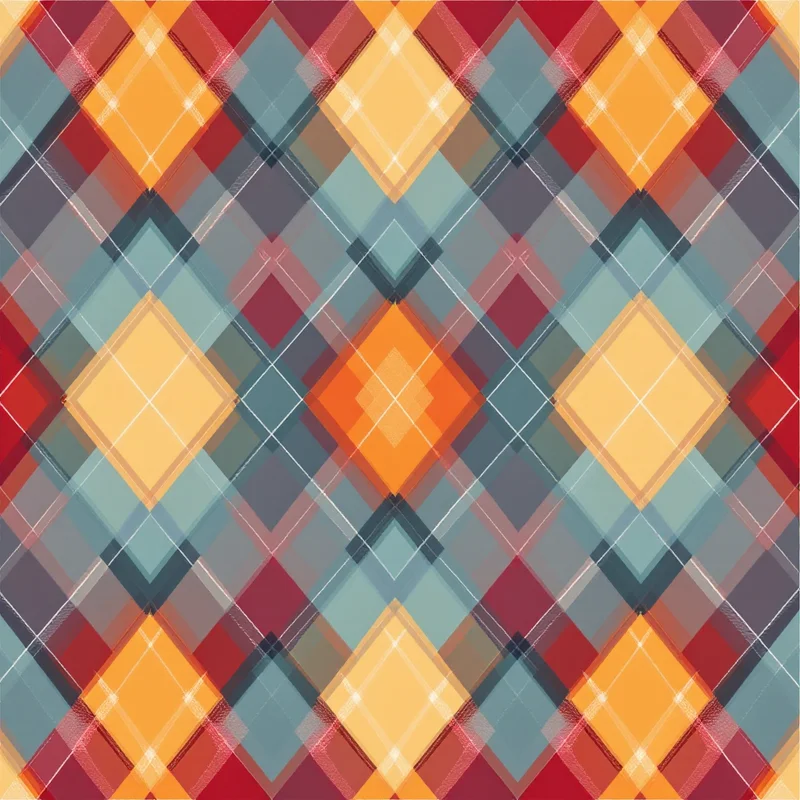
Hotels rarely use one single pattern identically in every space. A more common system: a bold, statement pattern in public-facing areas (lobby, corridors) paired with a calmer, coordinating pattern in individual guest rooms — related enough to read as one consistent brand, varied enough that guests don't feel like they're seeing the identical print everywhere they look. Building that kind of coordinated family, rather than one single print stretched across every application, is a deliberate design decision worth planning for from the start.
Trend risk against a long renovation cycle
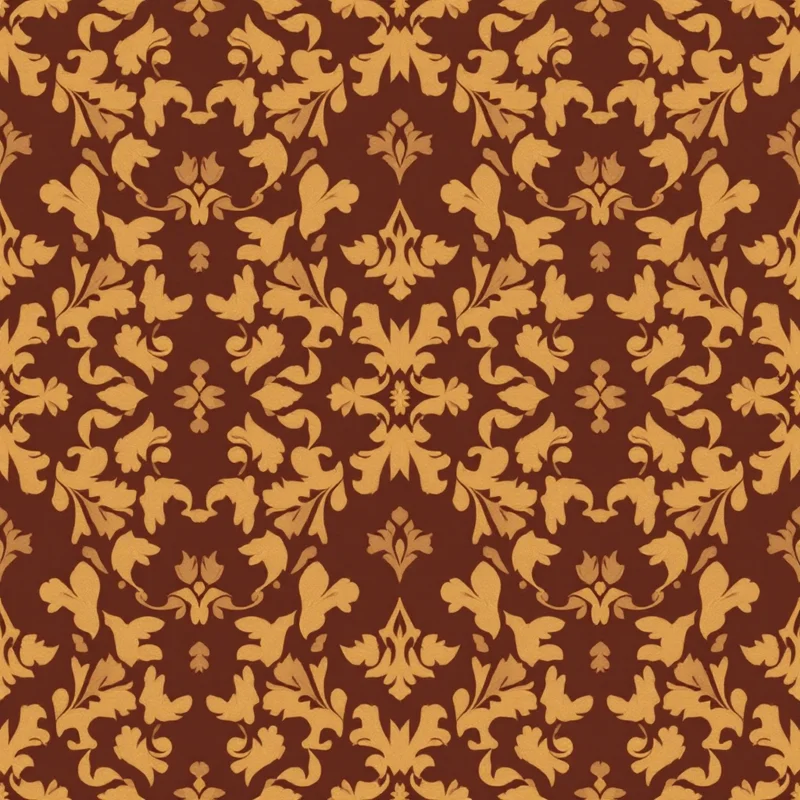
A hotel's finishes typically stay in place for years between major renovations, which is a much longer horizon than most fashion or even home-decor trend cycles run on. A strongly trend-driven pattern risks reading dated well before the property's next planned refresh, which is why hospitality design tends to lean on more classic, damask-adjacent or restrained geometric patterns for major fixed installations, reserving anything more trend-forward for smaller, easier-to-refresh elements like cushions or seasonal decor.
Designing for the commercial reality, not just the room
The practical takeaway: prioritize durability and coordinated consistency before chasing a specific aesthetic trend, and reserve trend-forward choices for the elements that are actually cheap and easy to update on a shorter cycle than the building's major finishes.
Coordinated pattern families — a bold public-space print paired with calmer guest-room coordinates — can be designed and tested together before committing to a full property rollout. Start in the free pattern maker with 3 free credits, or browse pattern styles for the full range.
Explore related pattern styles