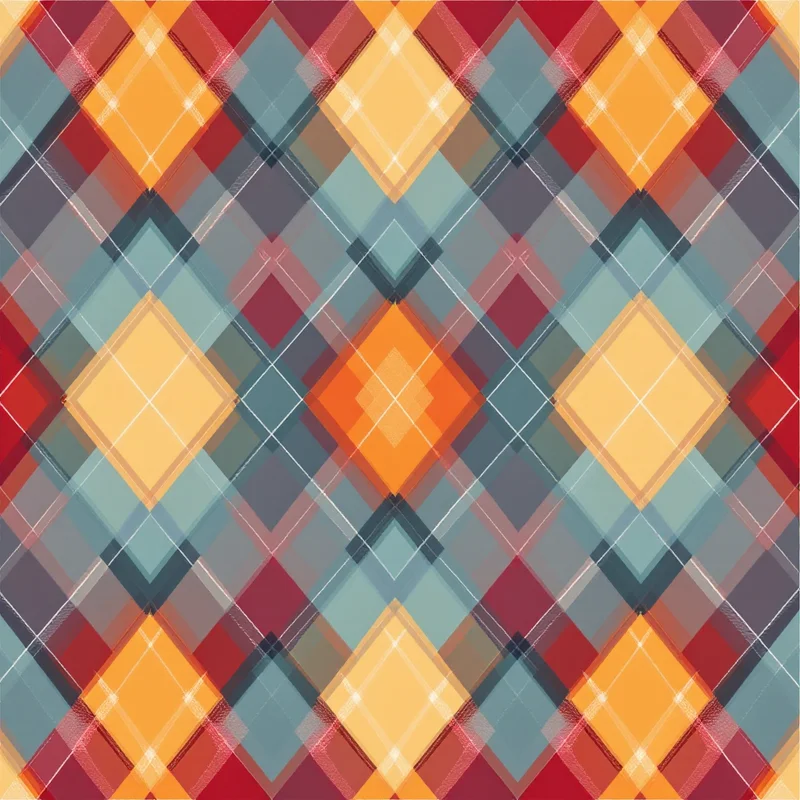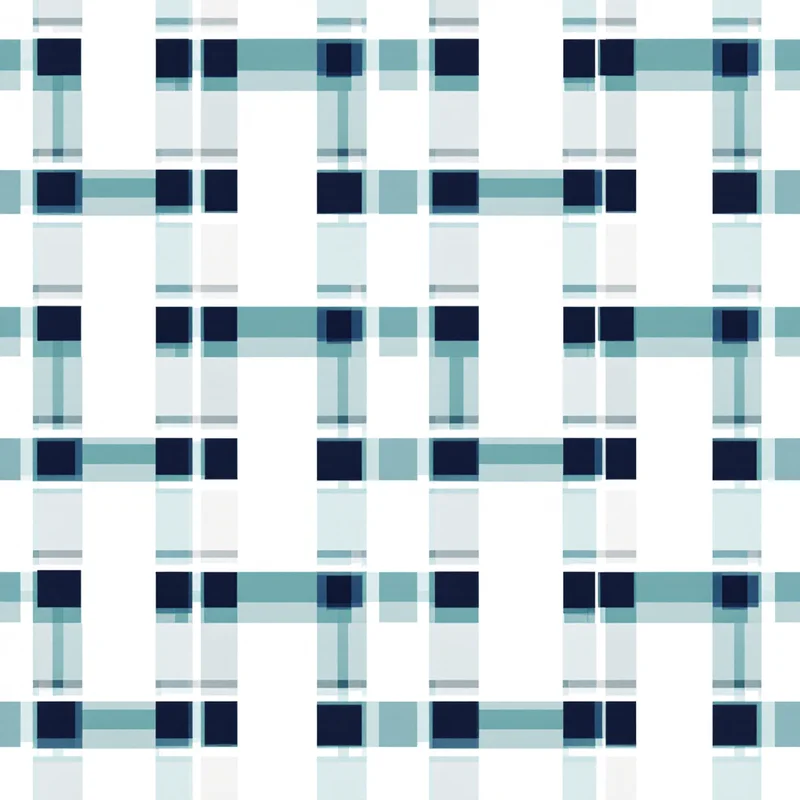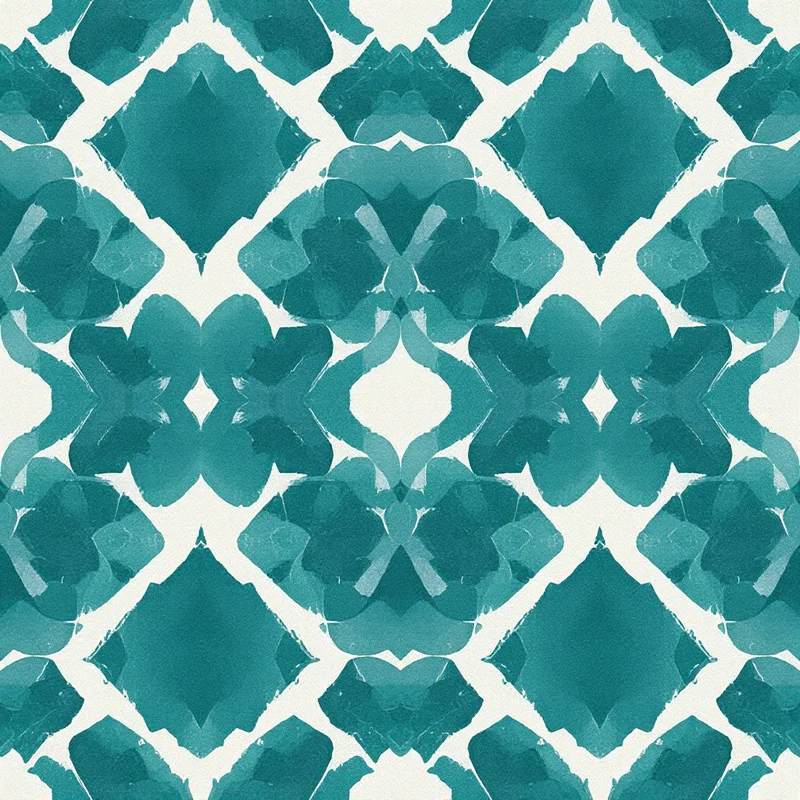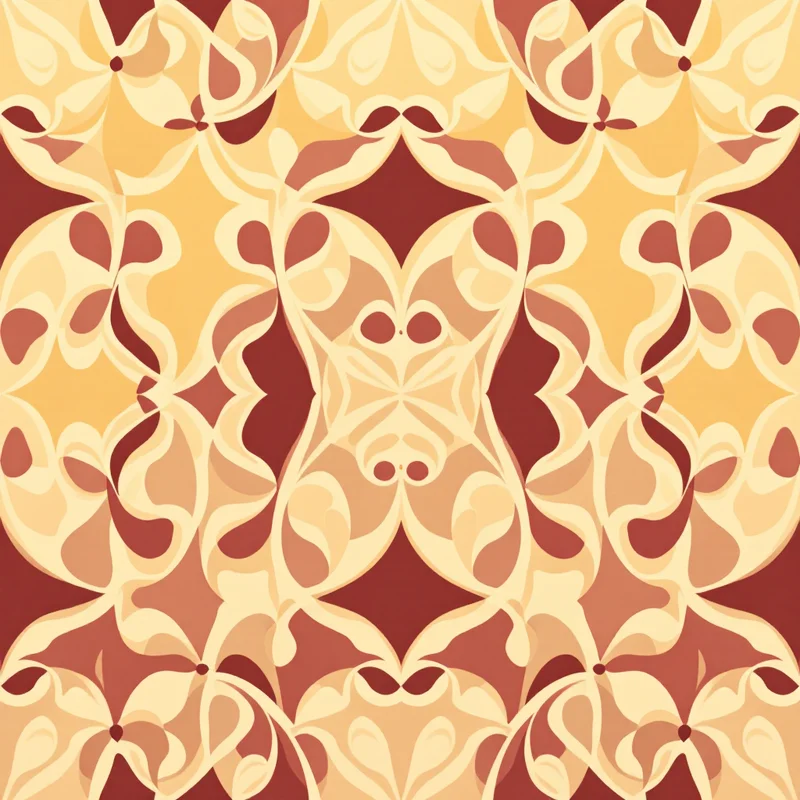
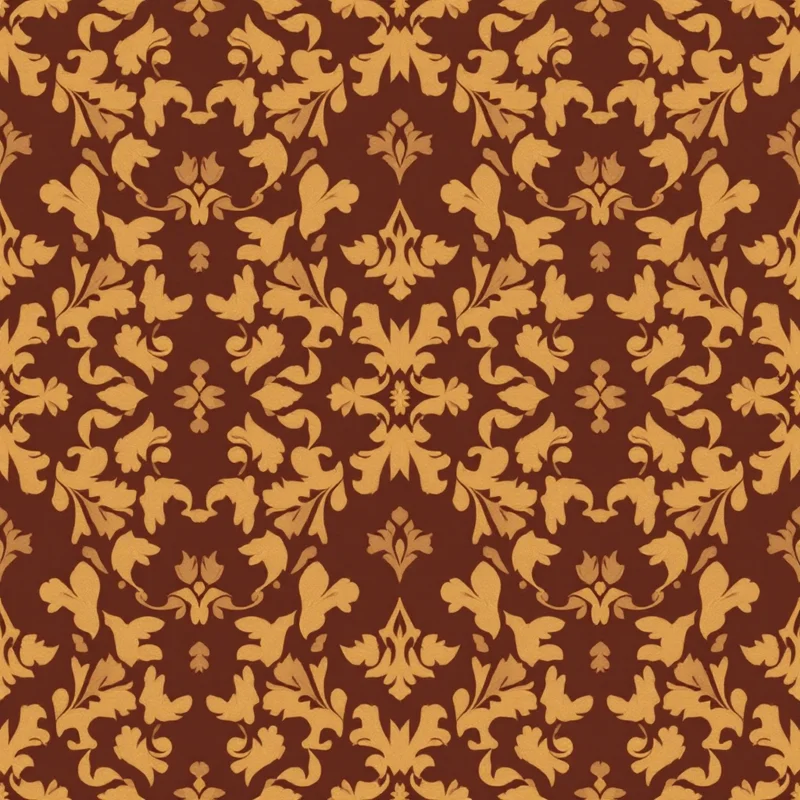
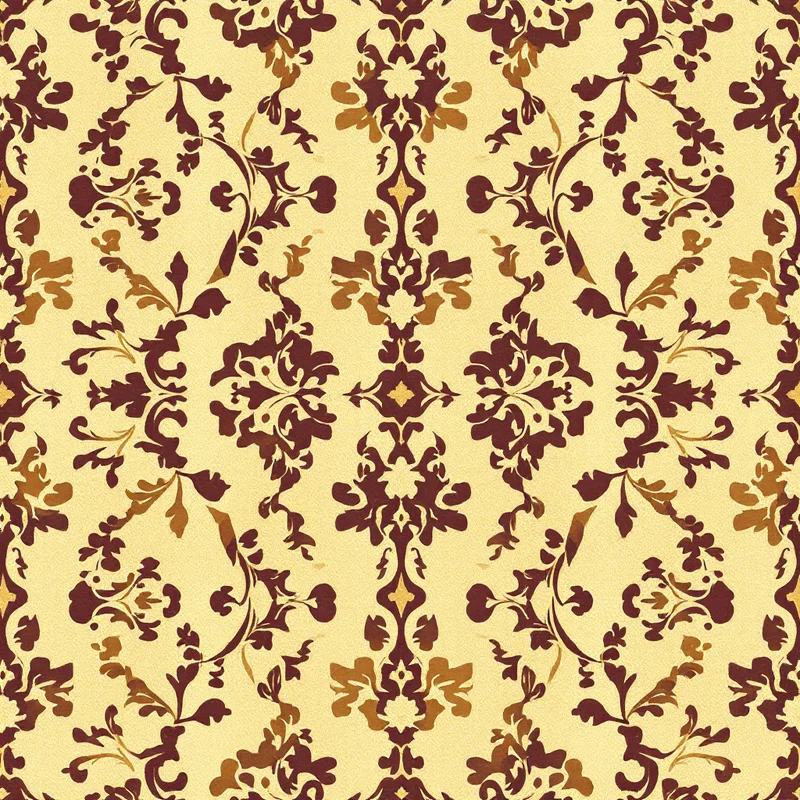
The ogee is one of the more architecturally rooted motifs in textile design — its shape comes directly from a specific curve used in historic building design, carried into fabric and wallpaper largely unchanged from its architectural origin.
The shape and its architectural roots
An ogee is an elongated, pointed-oval shape, visually similar to a flattened onion dome, repeated in a grid where each shape's point meets the curve of its neighbor. The curve itself — technically an S-shaped double curve — originates in Gothic and Islamic architectural tracery, particularly in window and arch design, well before it became a standalone textile and wallpaper motif.
Ogee versus lattice
Both use the same underlying interlocking grid logic, but a plain lattice uses straight crisscrossing lines, while ogee replaces those straight lines with the curved, pointed-oval shape described above. The result: lattice reads clean and modern-geometric; ogee reads considerably more ornate and historically referential, even at the same basic grid density.
Where ogee shows up
Ogee is a recurring motif in Moroccan tile and textile design and in damask-adjacent European heritage patterns — two design traditions that developed the same underlying curved-grid logic somewhat independently, which is part of why ogee reads as broadly "heritage" rather than tied to one specific culture.
Styling from subtle to maximalist
A tonal, low-contrast ogee — the shape rendered in a shade close to its background — reads subtle and sophisticated, close to a textured solid from a distance. A high-contrast ogee in a saturated color against a dark or light ground reads considerably more maximalist and ornate, closer to a full damask-style statement print. The structure doesn't change between these two treatments; only the contrast and color relationship does.
Ogee patterns at any scale and contrast level can be generated as a seamless, production-ready tile. Start in the free pattern maker with 3 free credits, or browse pattern styles for the full range.
Explore related pattern styles