Design characteristics
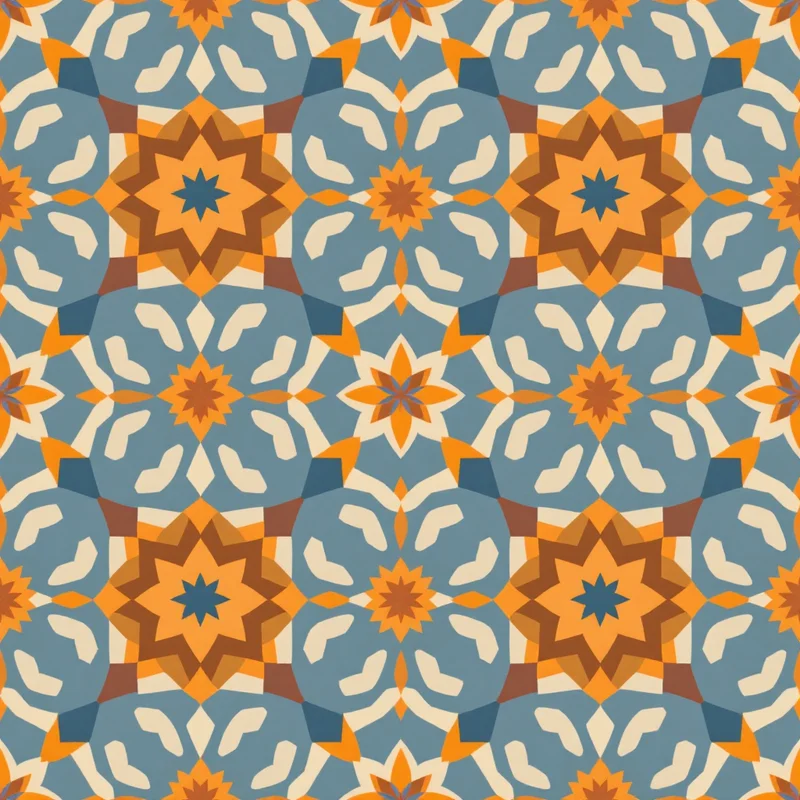
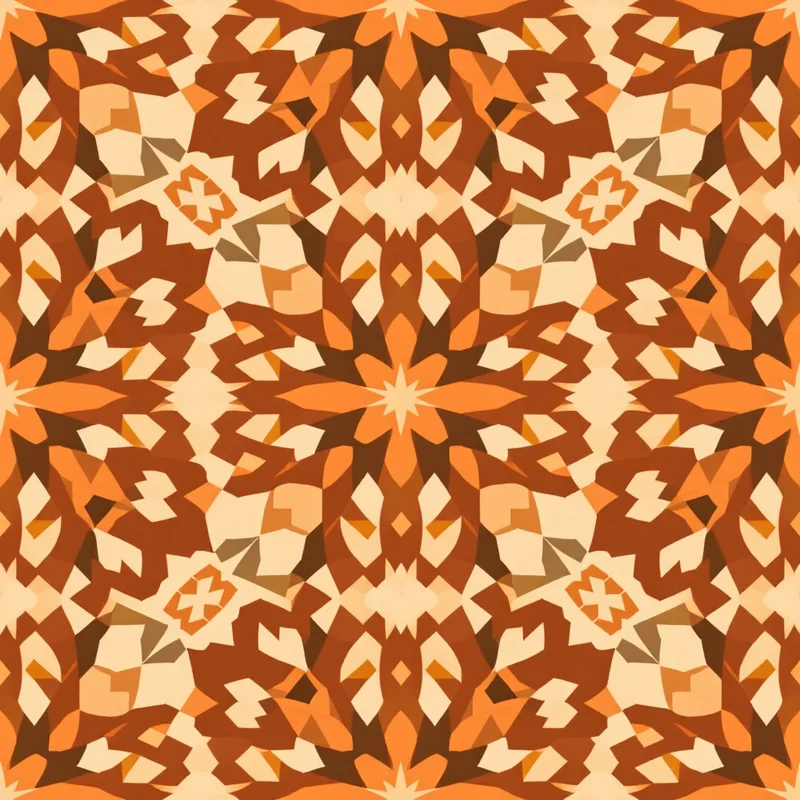
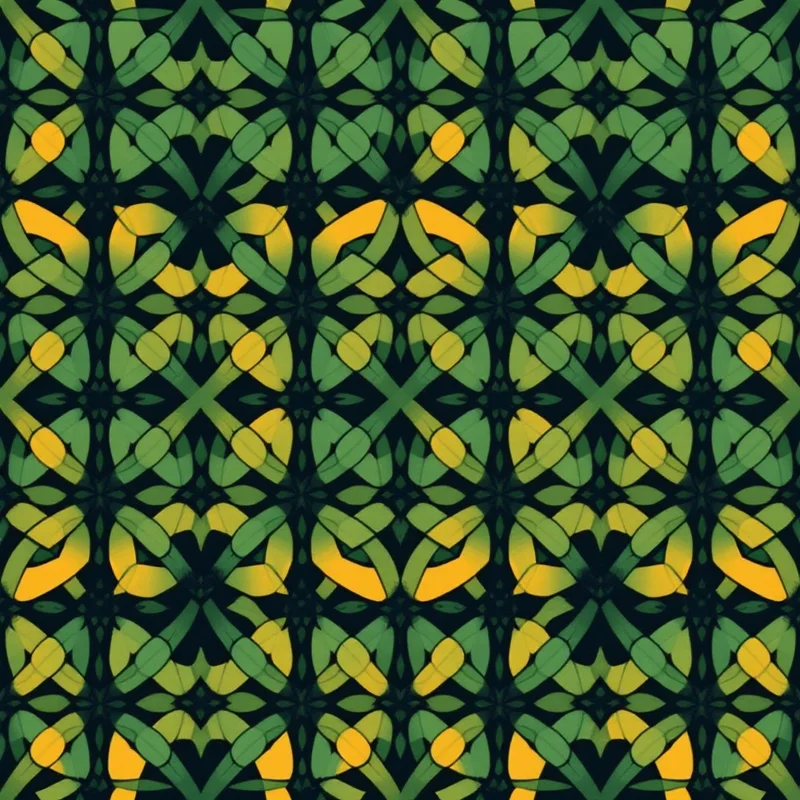
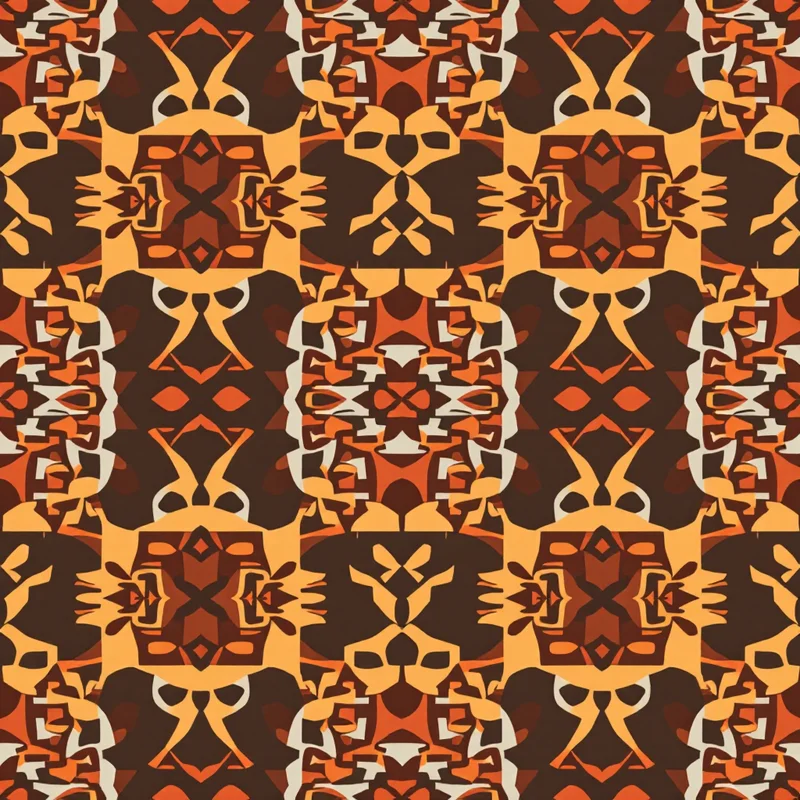
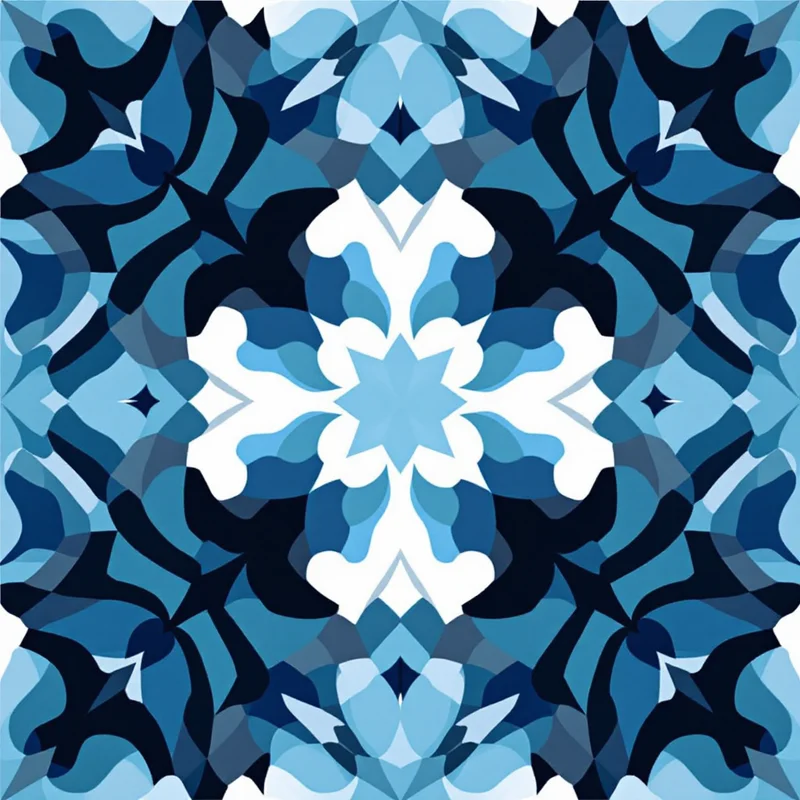
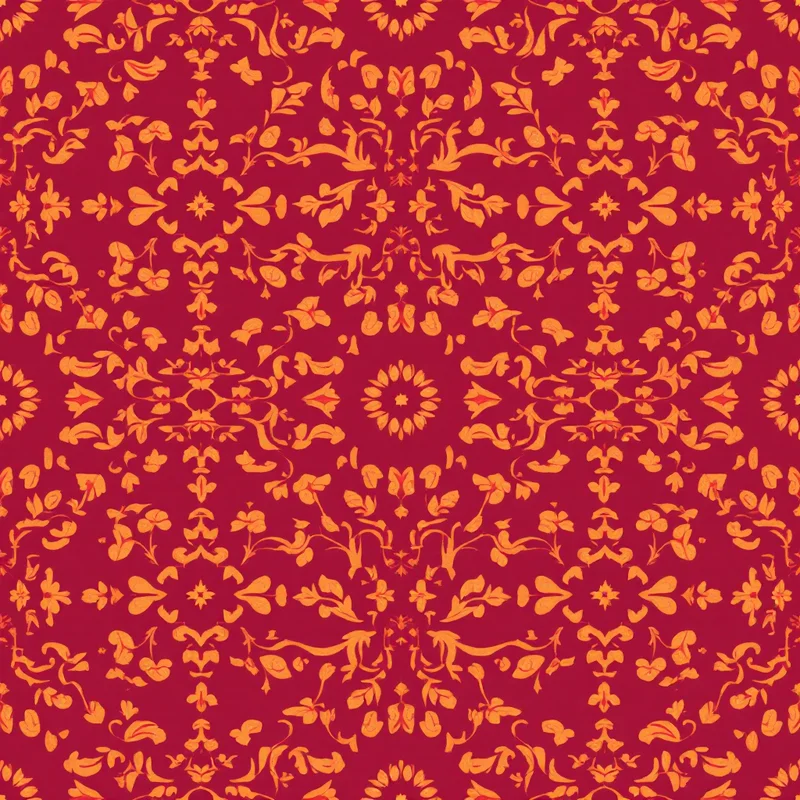
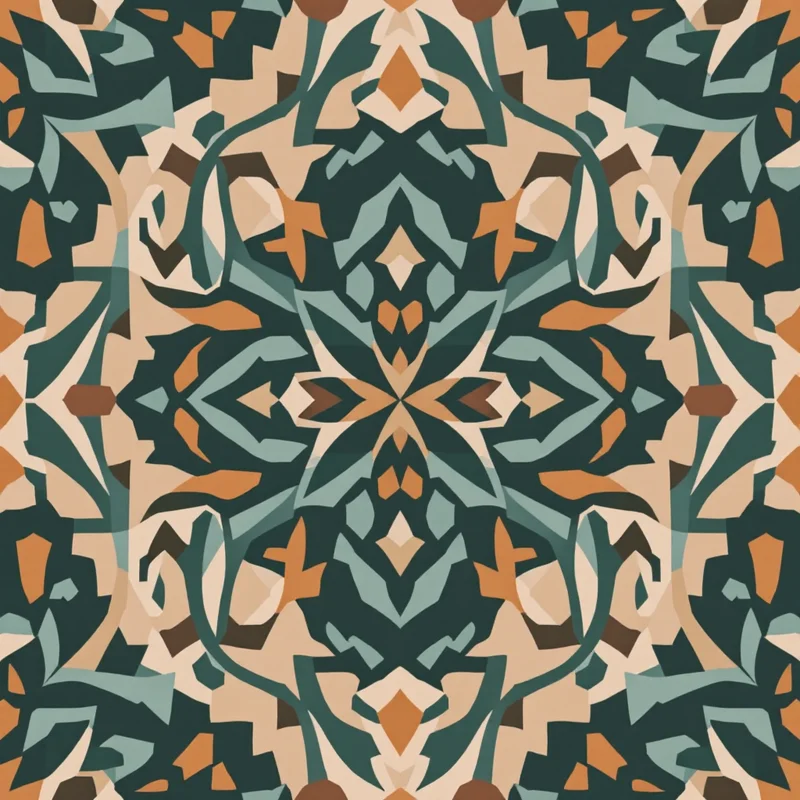
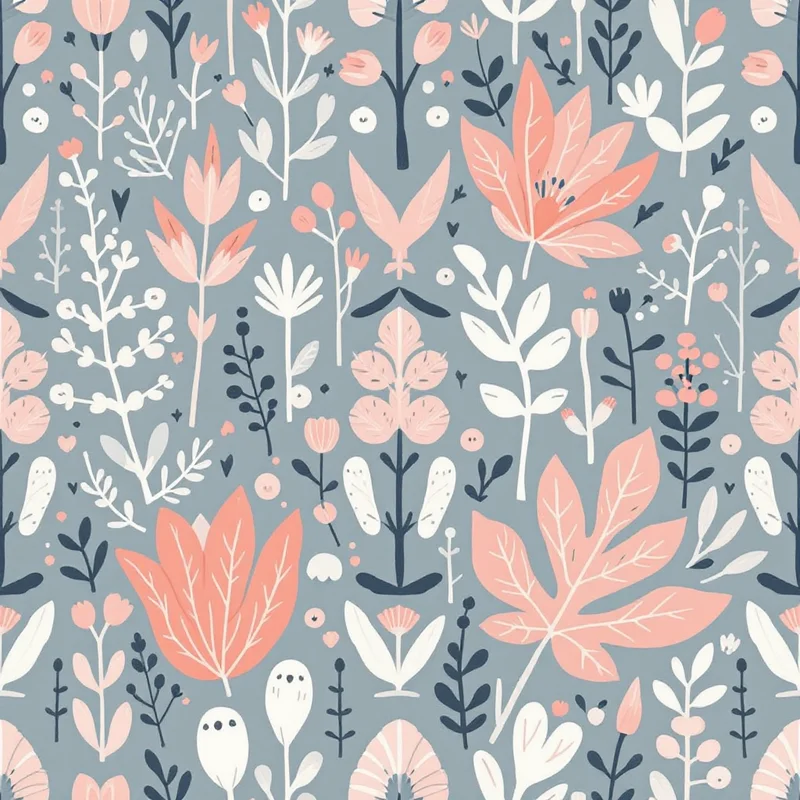
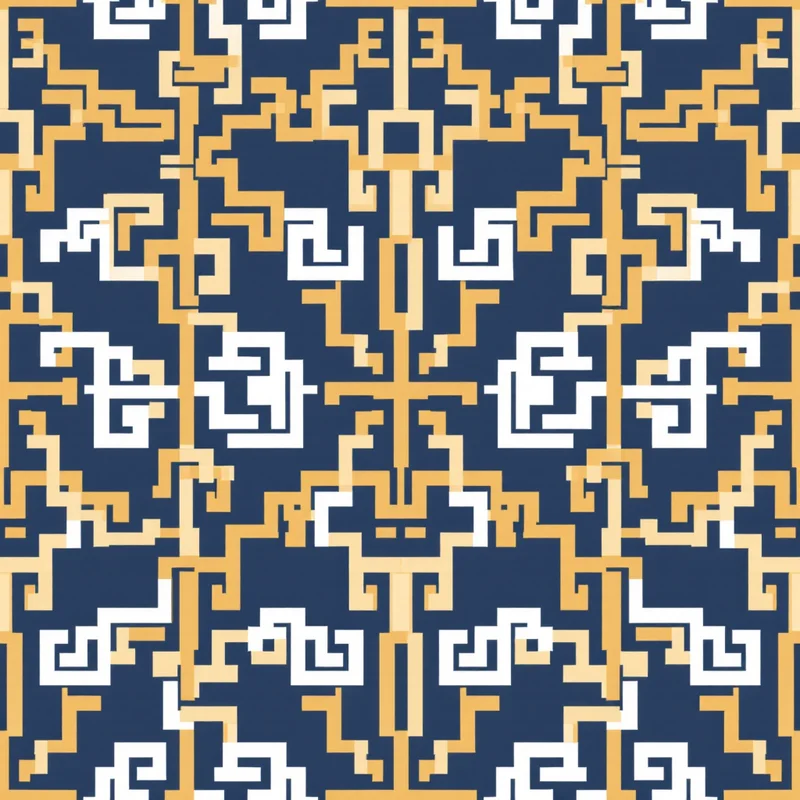
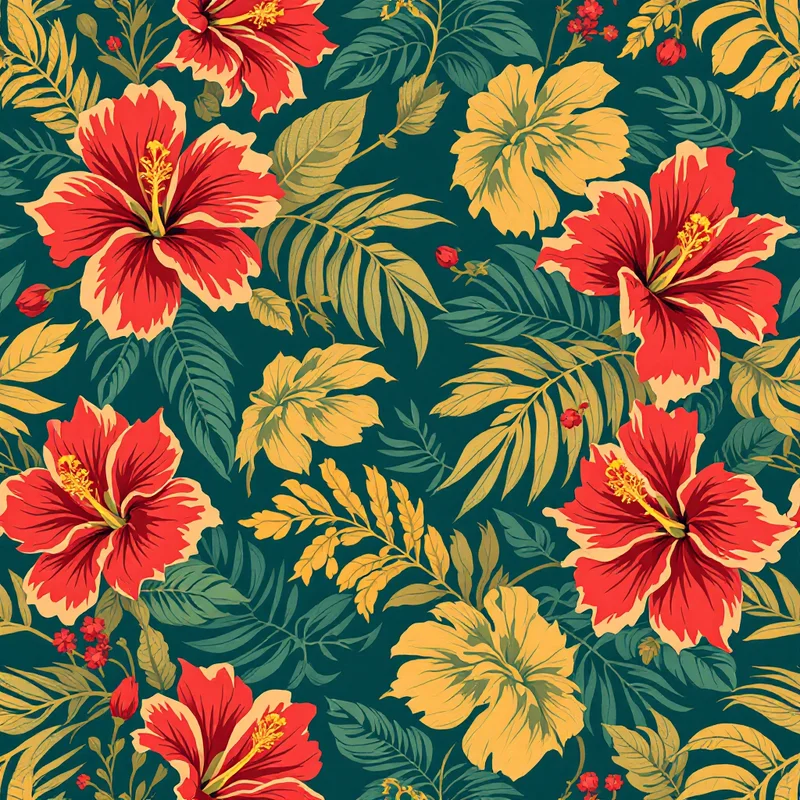
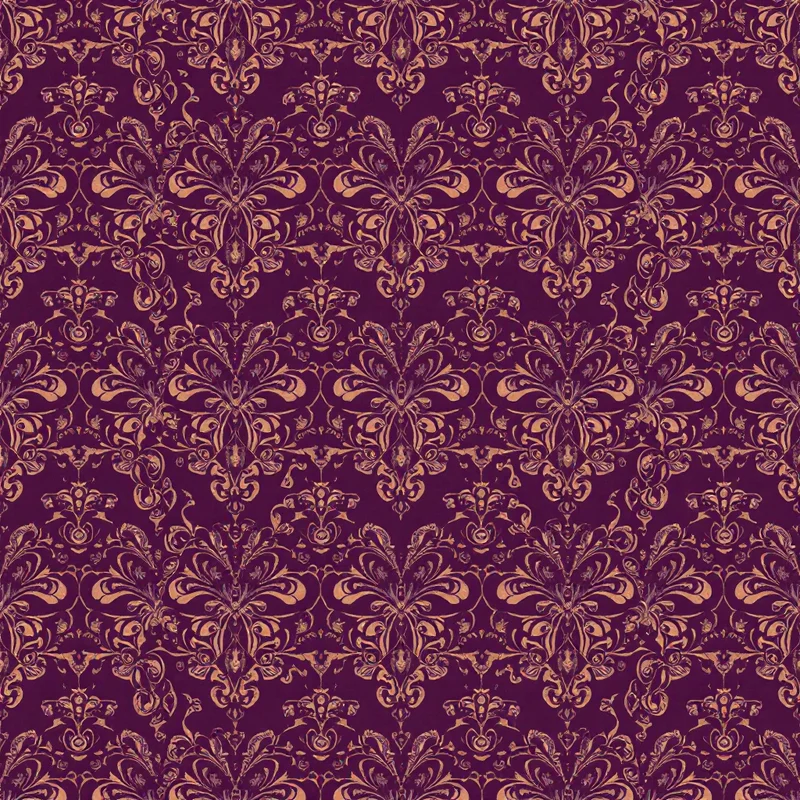
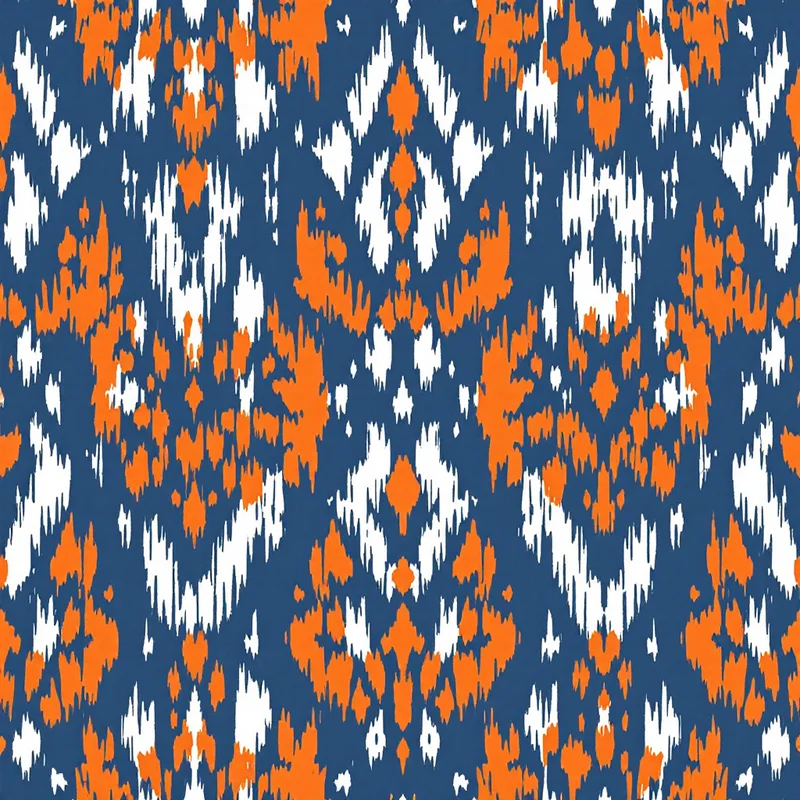
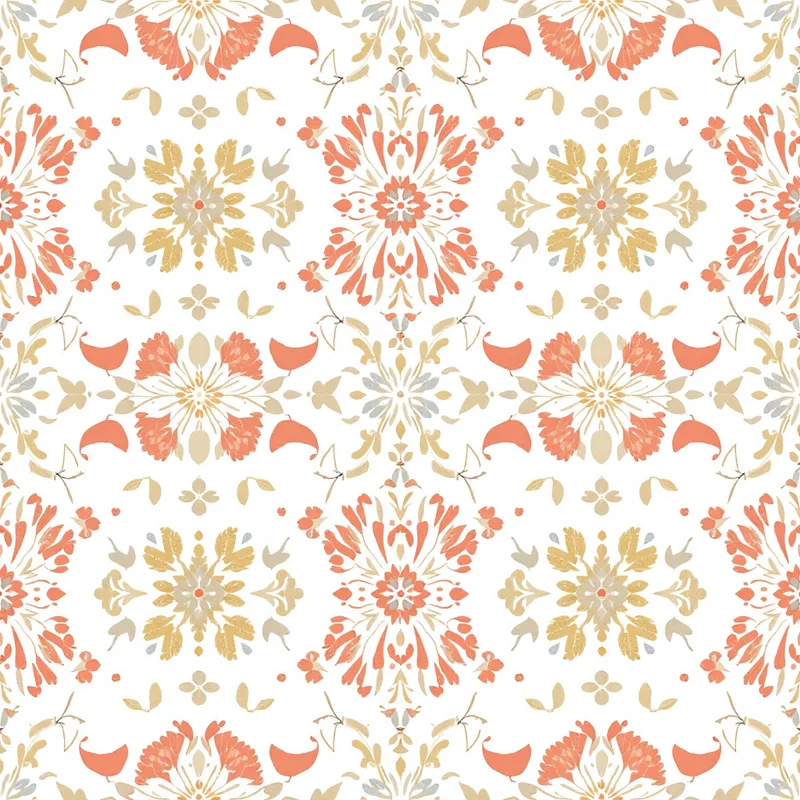
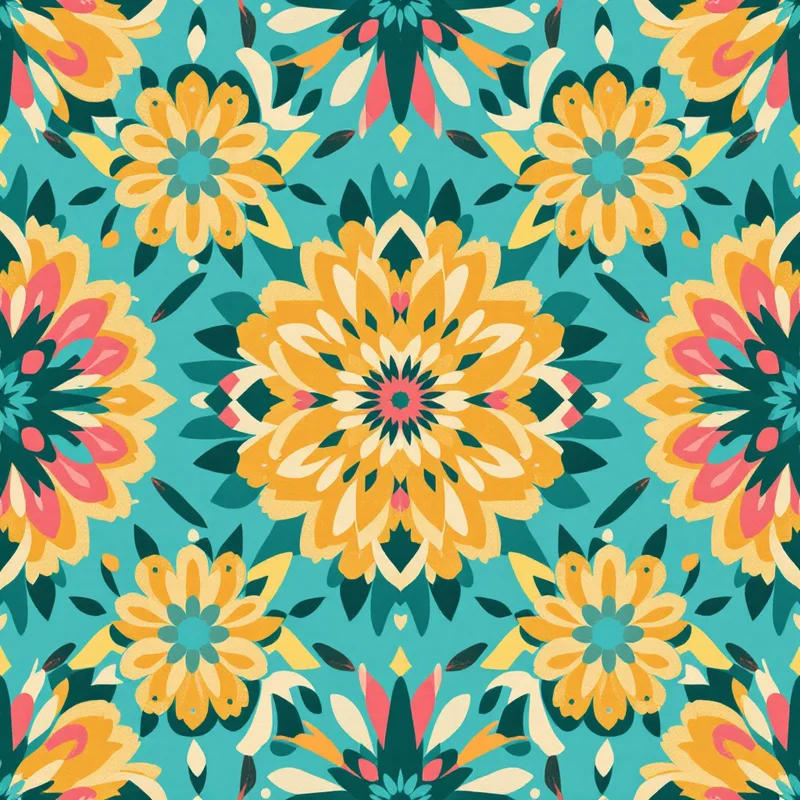
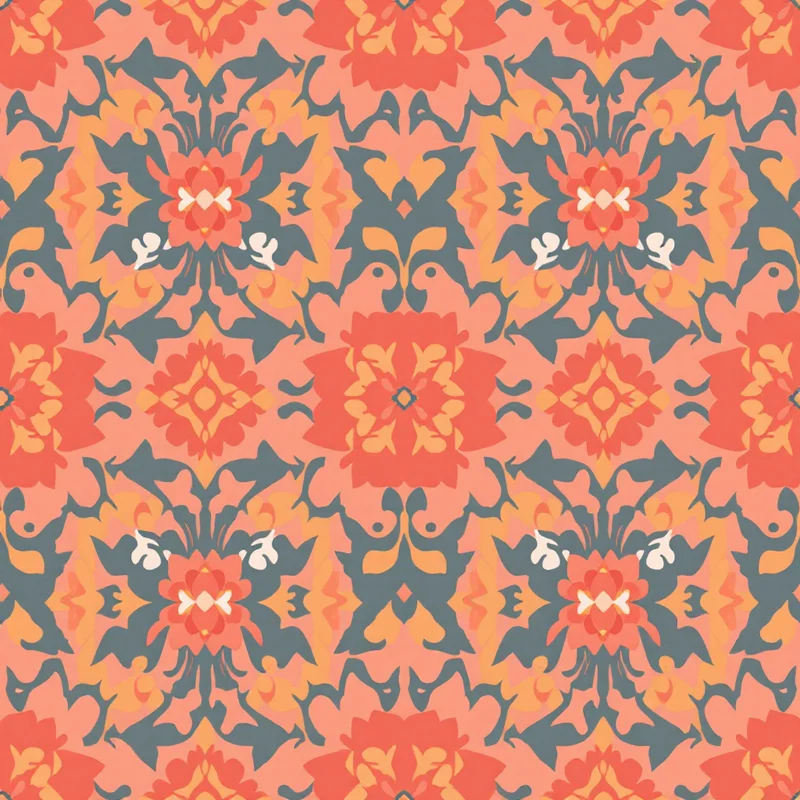
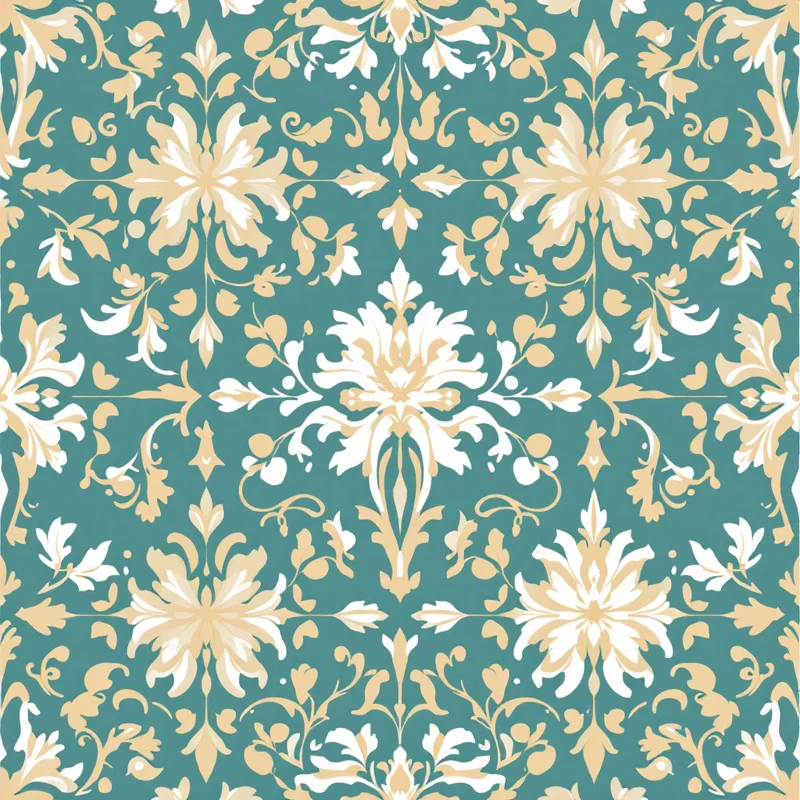
The visual impact of Moroccan patterns comes from layered complexity. Star patterns radiate from central points, surrounded by interlocking polygons that fill every gap with secondary geometry. This produces a surface that feels endlessly detailed yet perfectly ordered — a quality that translates powerfully to interior tiles, textiles, and packaging. The color palettes traditional to Moroccan design — cobalt blue, terracotta, saffron yellow, emerald green, and warm white — add immediate warmth and visual richness.
Commercial applications
In interior design, Moroccan-inspired patterns are a mainstay. Bathroom and kitchen tile backsplashes, feature walls, floor tiles, and encaustic cement tile designs all draw from this tradition. The patterns also translate to curtain fabric, cushion covers, table runners, and ceramic tableware. A single Moroccan tile pattern can anchor the design direction of an entire room, providing the visual complexity that makes Mediterranean and bohemian interiors feel layered and inviting.
Where to use moroccan patterns
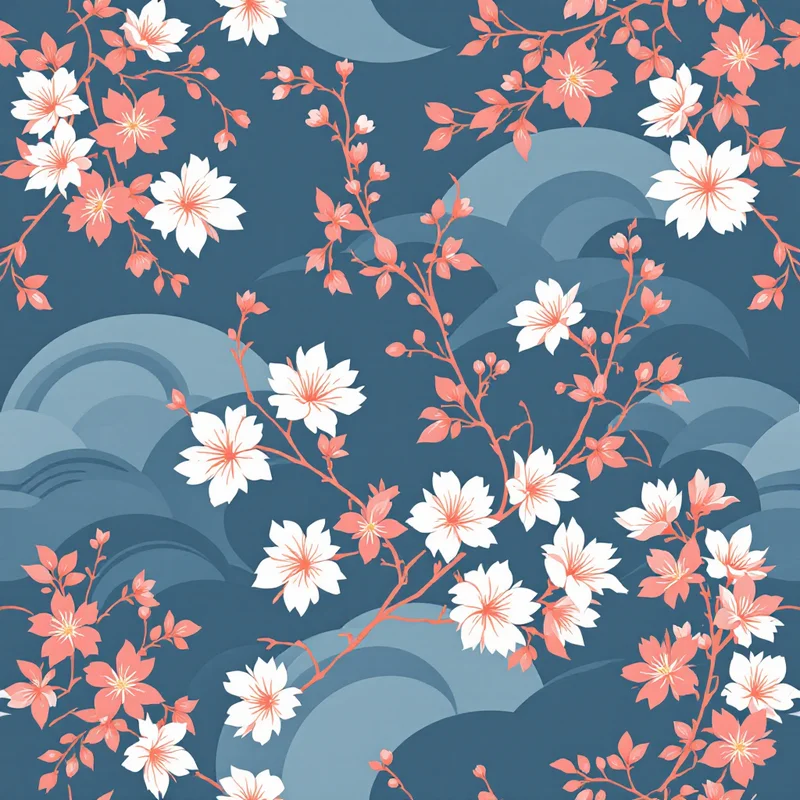
You control the geometric density, color palette, and rendering style. Simplify a star pattern to a clean two-tone graphic for modern branding, or push the complexity to a richly colored multi-layer interlace for traditional interior applications. Render with a hand-glazed ceramic texture for authentic tile aesthetics, or a flat vector finish for contemporary print. These are AI-generated designs inspired by Moroccan visual traditions, not reproductions of specific cultural artifacts.