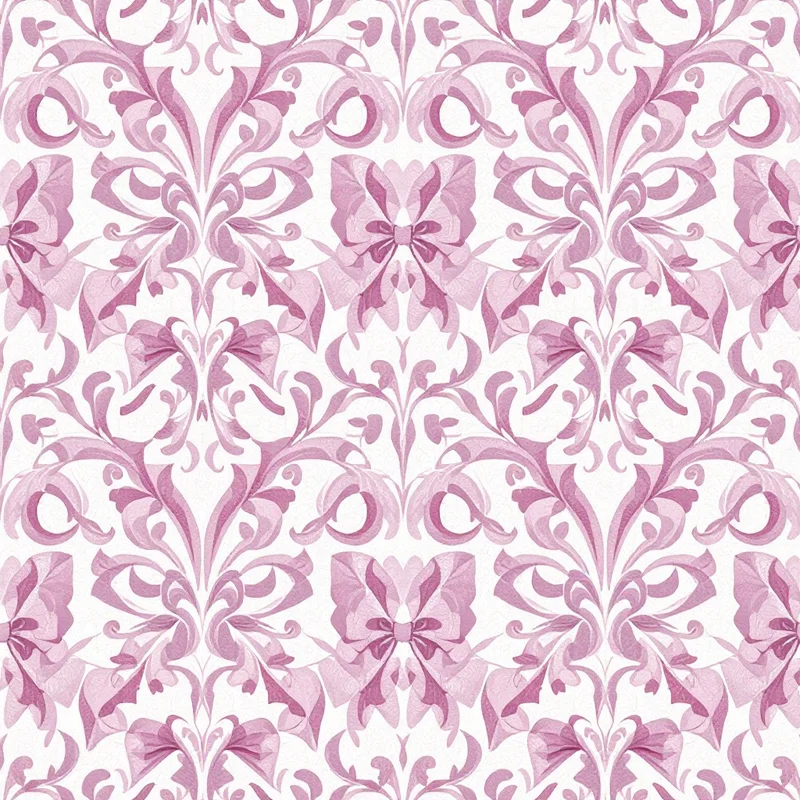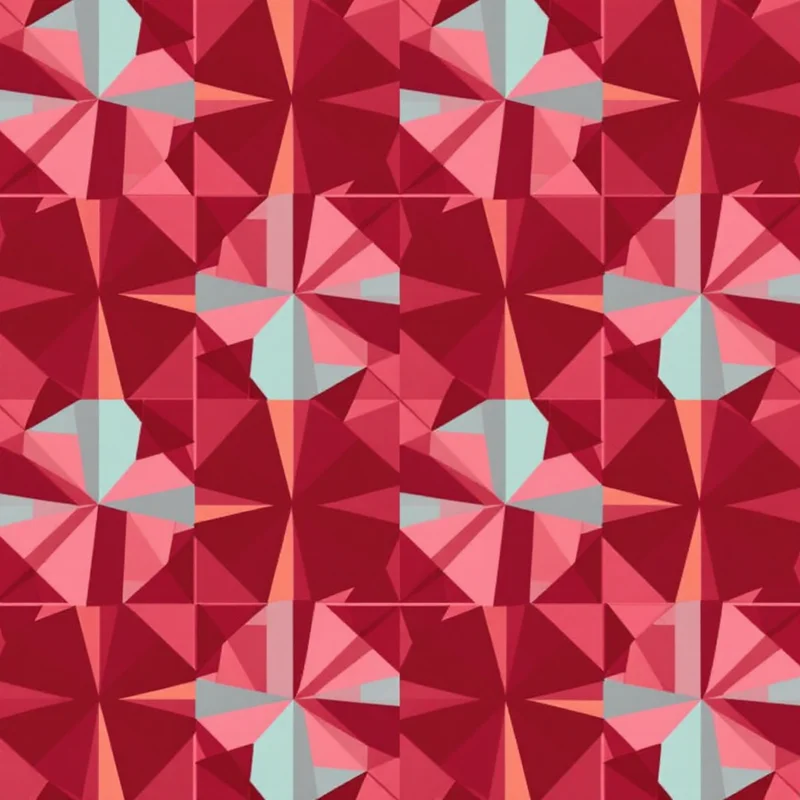
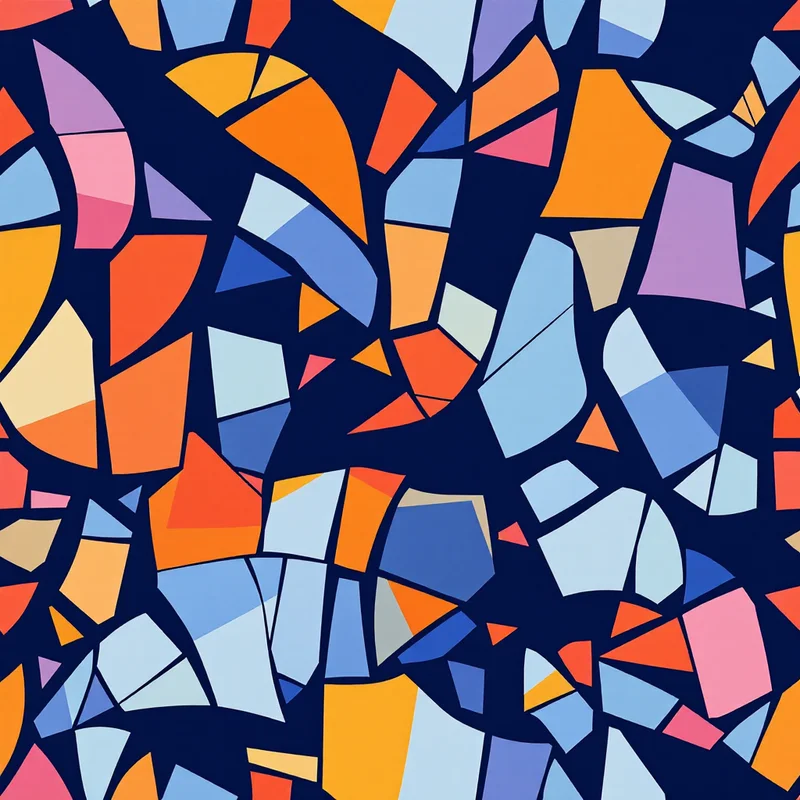

On a video call, a fine stripe behind someone's head can shimmer. The camera and the compression turn a crisp pinstripe wall into a wobbling moire. That small, irritating detail is a good clue to what workplace pattern needs now: the person looking at it might be across the table or across the country, and the same wall has to work for both.
The directions below are forecasts to watch, not measured results.
Walls that behave on camera
Hybrid work puts more meeting rooms, phone booths and desk corners on screen. Expect the walls behind them to be designed for the camera as well as the room:
- Large, soft shapes instead of fine lines. Arches, wide bands, big dots and organic blobs stay stable.
- Mid-tone palettes that sit behind a speaker without glowing. Sage (#9DB09B), clay, putty and deep teal all work.
- Low contrast. A pattern only slightly lighter or darker than its ground reads as texture on camera. A black-on-white graphic competes with the speaker.
Avoid tight checks, herringbone and thin pinstripes behind speaking positions, since these are the most likely to shimmer.
Green walls, printed and real
Green wallpaper and nature-led walls continue to suit workplaces because they keep a room calm without looking empty. The direction to watch is a quieter, more graphic botanical: oversized leaf silhouettes, tonal fern and eucalyptus layers, a grid of tiny leaves, or a printed "living wall" look in layers of green. Pair them with real plants where the budget allows, since the printed version reads as a backdrop and the real one as a feature.
Calm geometrics
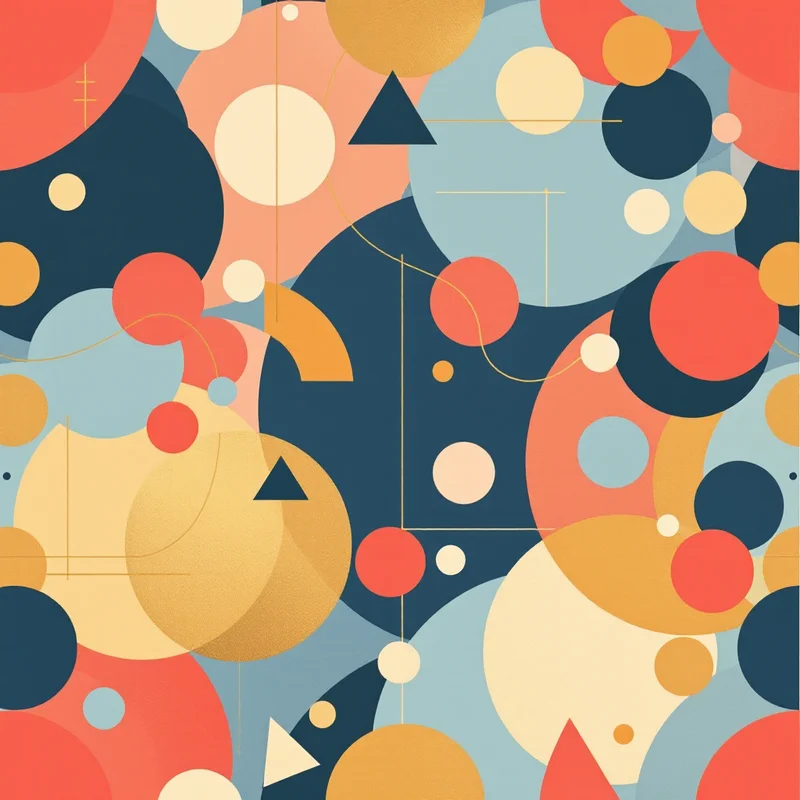
Geometric wallpaper is a natural workplace choice because it feels organized. The version to watch for 2027 is gentler than the sharp corporate triangles of earlier years: overlapping circles, soft grids, arcs, scallops and stepped forms in two or three close tones. Keep it quiet in focus areas and let it speak up in lobbies and social zones.
The minimalist patterns category is useful for the calmest end, including tiny tonal dots, hairline grids and gentle gradients.
Acoustic panels as canvases
Offices now often rely on fabric-wrapped acoustic panels to soften noise, and these have become design surfaces. Printed or shaped panels, such as a field of overlapping circles, a wave, or a soft color-block, add personality without extra furniture.
Practical points:
- The fabric must stay acoustically transparent, so ask the panel maker which fabrics and print methods are suitable.
- Heavy ink coverage can change how a fabric behaves, so confirm before approving dense artwork.
- Panels have edges and corners, so plan the design for each panel rather than as one continuous wall.
Zoning by pattern
Instead of labeling an open-plan office with signs alone, expect pattern and color to help people find their way. A quiet focus area might use a tonal, low-contrast design, a collaboration area a more energetic one, and a kitchen or social space the boldest. The consistent element is a shared palette, so the zones still feel like one company.
This extends into wayfinding: floor numbers, room names and directional graphics are often easier to read against a calm pattern than a busy one. Keep text areas plain and let pattern frame them.
Surfaces beyond the wall
| Surface | Pattern approach |
|---|---|
| Wallcovering | Large soft shapes, low contrast, green or geometric |
| Acoustic panel | Shaped or printed on breathable fabric |
| Carpet tile | Non-directional, mix-and-match tiles that hide wear |
| Glass film | Dots or lines at a scale that gives privacy without darkening |
| Meeting room feature wall | The boldest design, often photographed |
For a broader view of walls, see the wallpaper design trends forecast and the patterns for interior design guide. If your brief is for a hotel or restaurant rather than an office, the hospitality interior forecast covers that side.
A quiet first pass
Try soft arcs or a calm grid at large scale before you commit to a wallcovering sample. Browse Styles in Pattern Weaver lets you pick from 44 categories and 5,700+ styles, and Product Mockups are free.
Explore related pattern styles