
Design characteristics
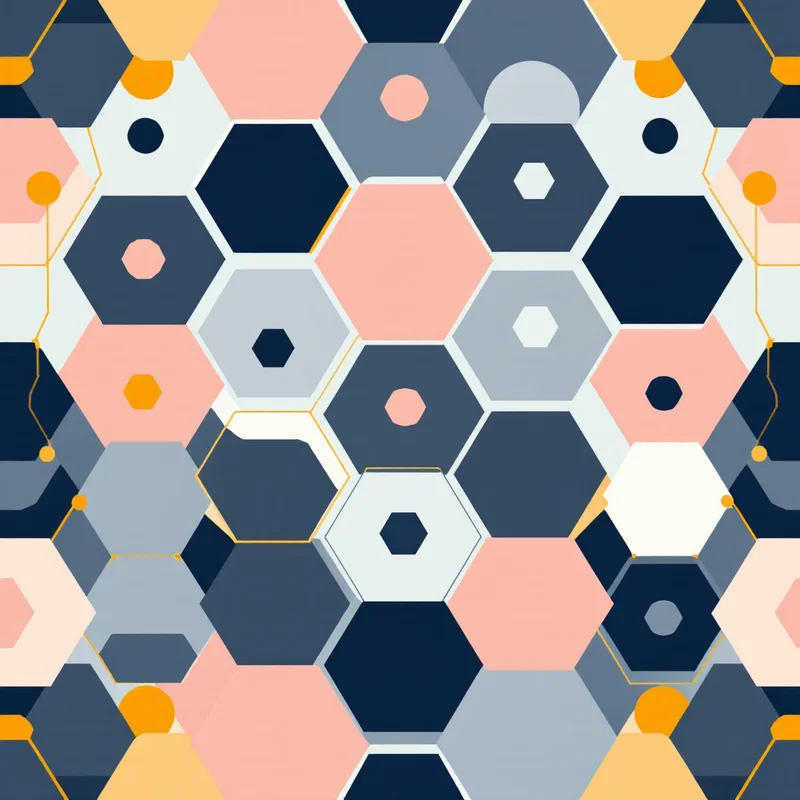
The style has deep roots. Islamic girih tilework, Greek key meander borders, Art Deco sunbursts and stepped fans, Bauhaus primary-shape compositions, mid-century atomic starbursts, and 1970s op-art repeats all feed the modern geometric vocabulary. Designers reach for it because geometry is endlessly scalable and reads well at any distance: a hexagon grid that looks like fine detail up close still holds together as clean texture across a full feature wall. It also pairs cleanly with almost any interior, which is why it remains a default choice for both maximalist statement walls and quiet tonal backgrounds, and why it has stayed in continuous fashion for over a century.
Commercial applications
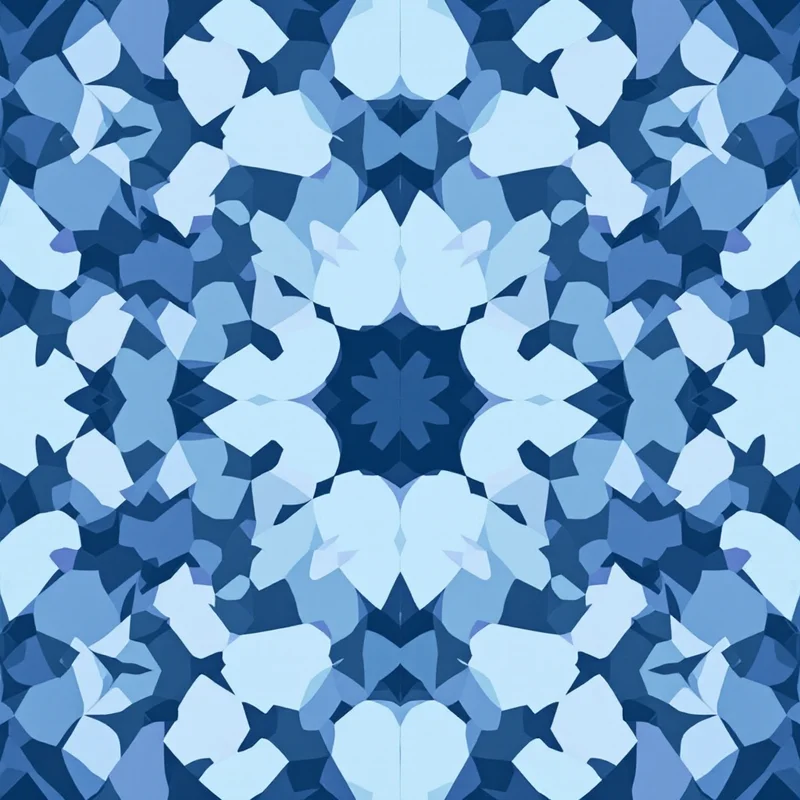
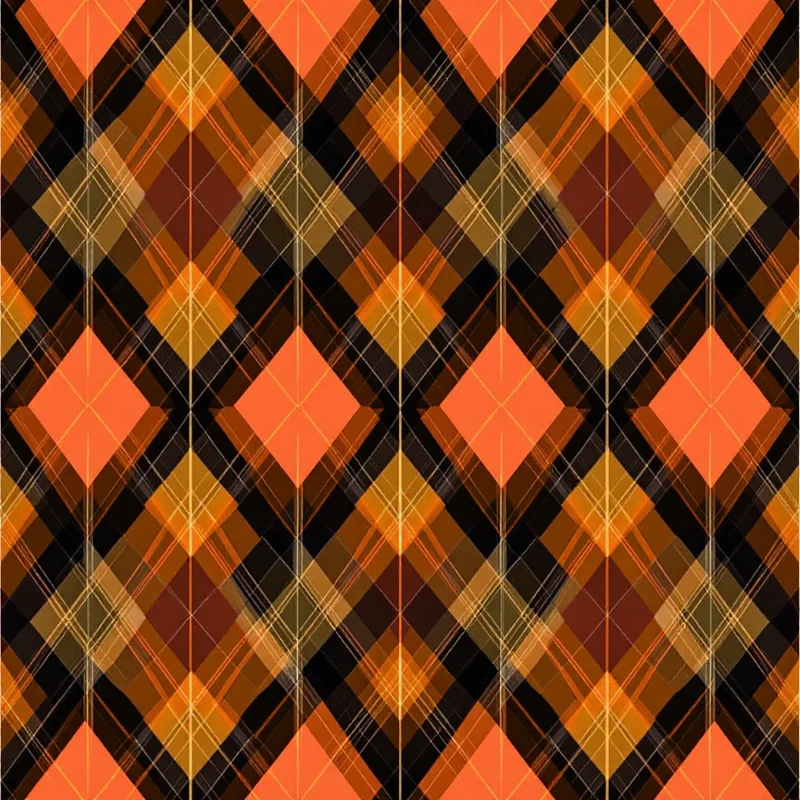
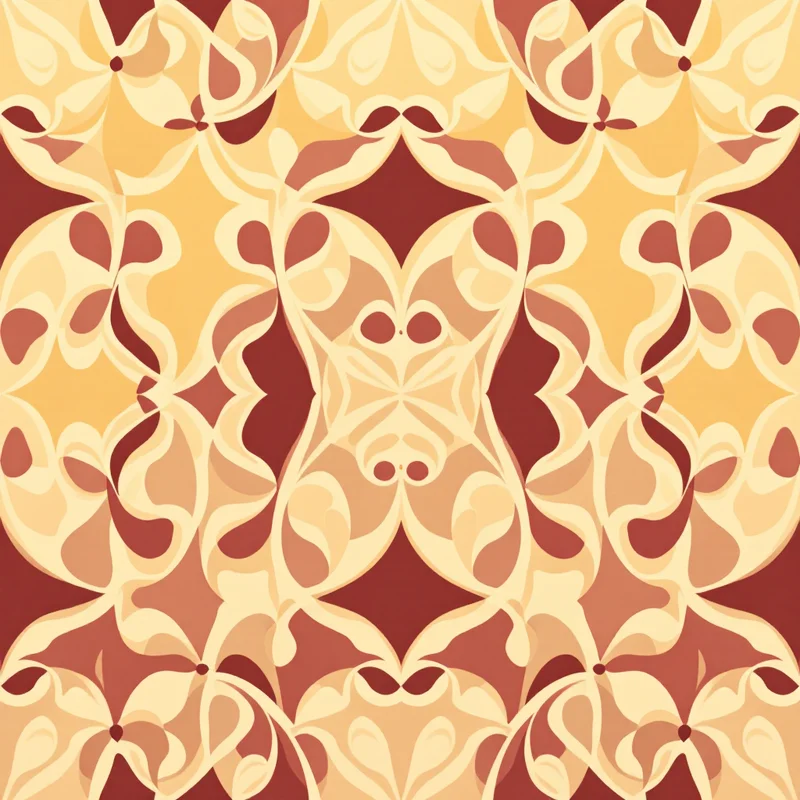
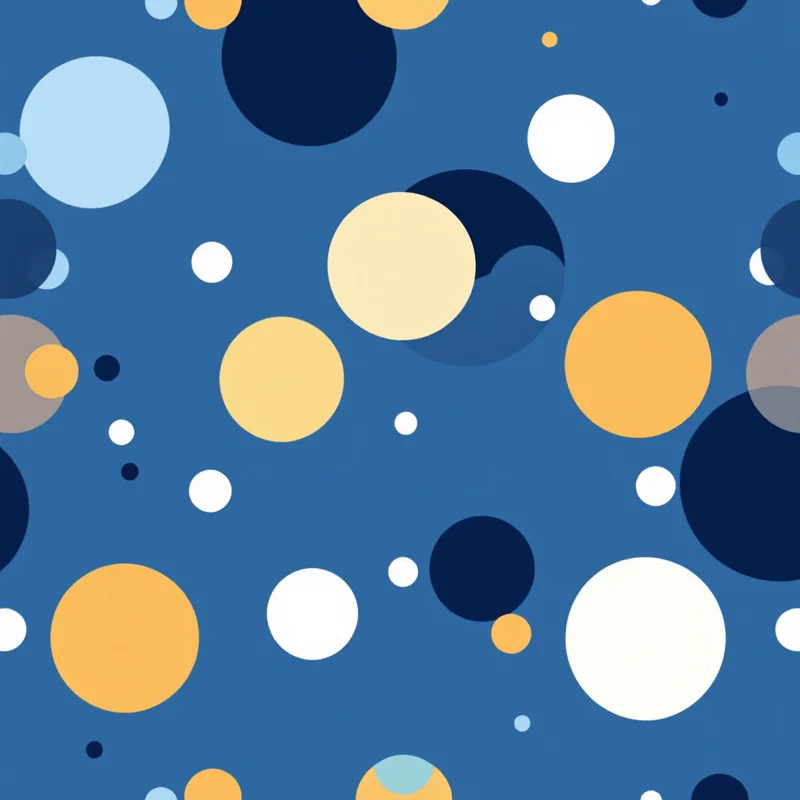
Color is where geometric wallpaper shifts mood fastest. Black-and-white or charcoal-on-cream reads architectural and modern. Terracotta, mustard, and sage move it toward mid-century warmth. Brass, navy, emerald, and blush push it into Art Deco luxury. Soft pastels on white feel Scandinavian and airy, while high-contrast primaries read playful and bold. Because the shapes are flat and contained, two or three well-chosen tones usually carry an entire design, and swapping the palette can take the same grid from nursery-soft to nightclub-bold without redrawing a single line.
Where to use geometric wallpaper patterns patterns
The same artwork travels far beyond the wall. A seamless geometric repeat works as upholstery and cushion fabric, gift wrap and packaging, phone cases, tote bags and scarves, ceramic and porcelain tile surface prints, stationery and wrapping sheets, and apparel yardage for skirts, shirts, and linings. Because the tile is truly seamless, it scales up for a floor-to-ceiling curtain panel or down for a notebook cover without breaking the join, which makes one strong design the foundation for an entire coordinated product range rather than a one-off.
Customization & export
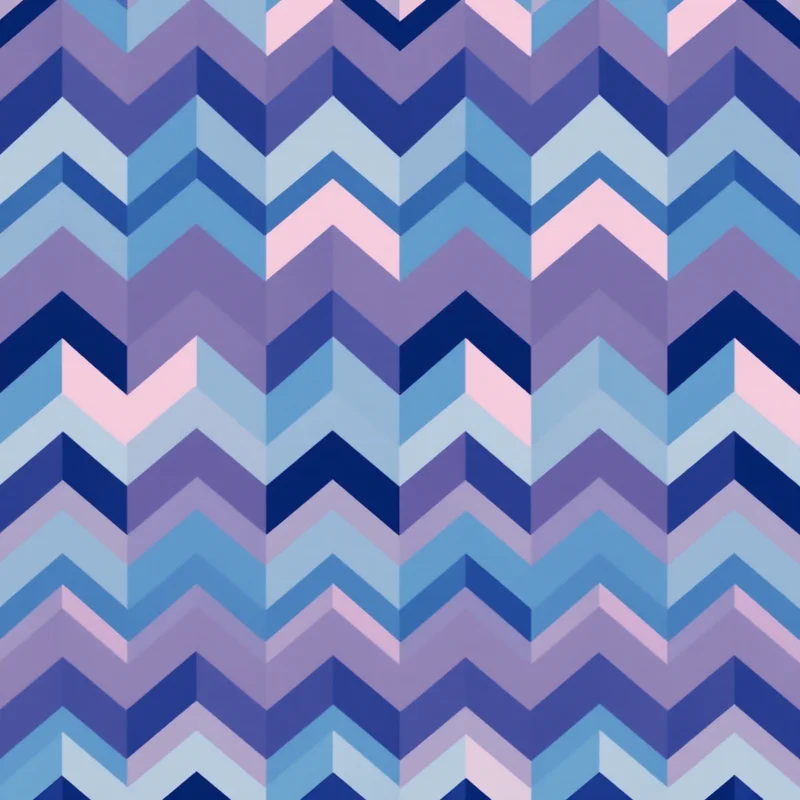
Pattern Weaver turns a few choices into a finished, tileable repeat. Pick a structure such as a honeycomb or chevron, set the motif and line weight, then use the controls to tune density (sparse open grids through to tightly packed mosaics), scale (oversized statement shapes versus fine all-over texture), and color so the result matches your room or product brief. Every pattern generates as a seamless tile, so it repeats invisibly however large you print it, with grids, lattices, and tessellations staying perfectly aligned at the joins. When the design is right, export print-ready files up to 8K (8192x8192) in PNG, JPG, WEBP, TIFF, PDF, or SVG, with CMYK conversion and bleed available for production printing.
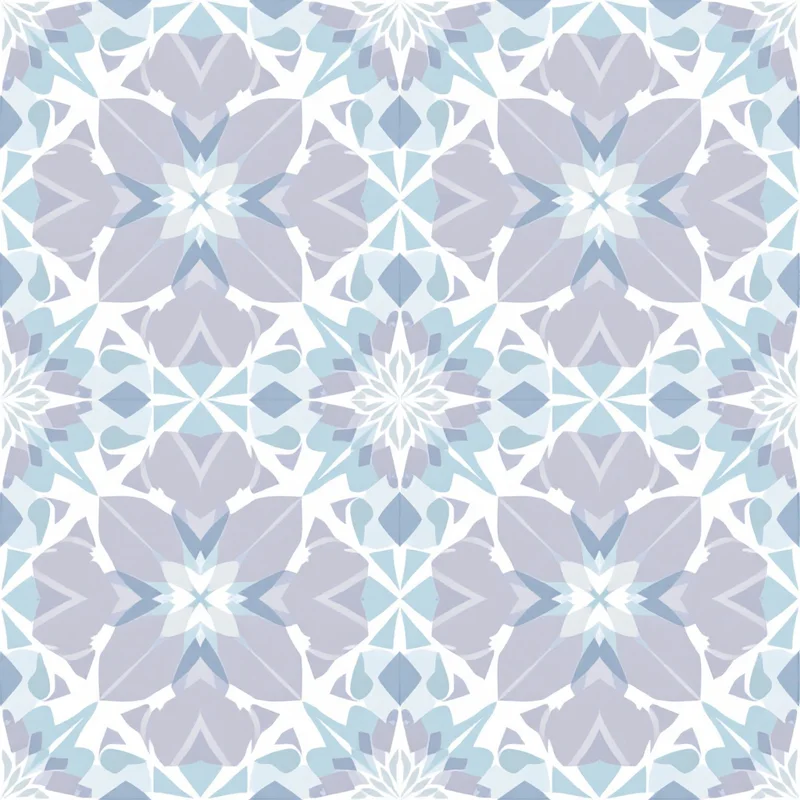
Whether you need a single feature-wall mural or a coordinated collection that runs across wallpaper, fabric, and packaging, the studio keeps the geometry exact and the repeat clean. Start from a classic like a hexagon honeycomb, a Moroccan trellis, or an Art Deco fan, adjust the spacing and palette until it feels right against your interior or brand, generate variations to compare, and export at the exact resolution your printer or manufacturer requires.