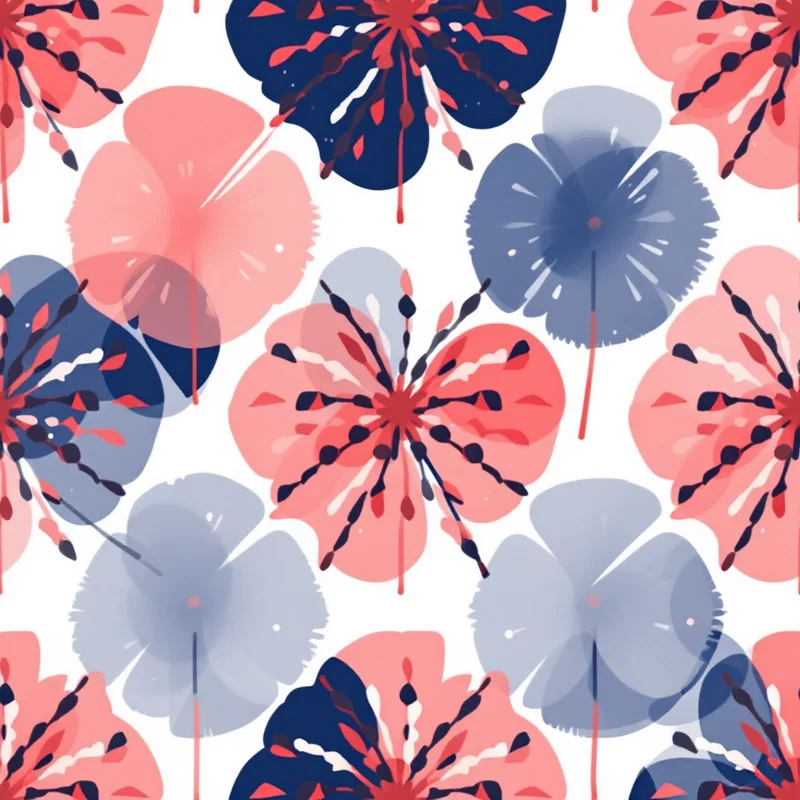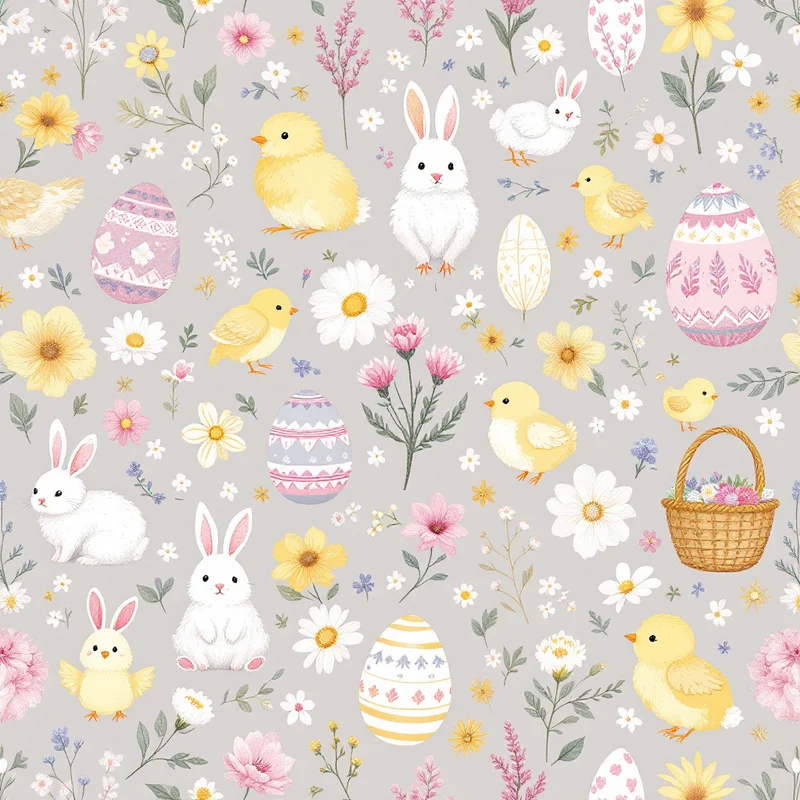
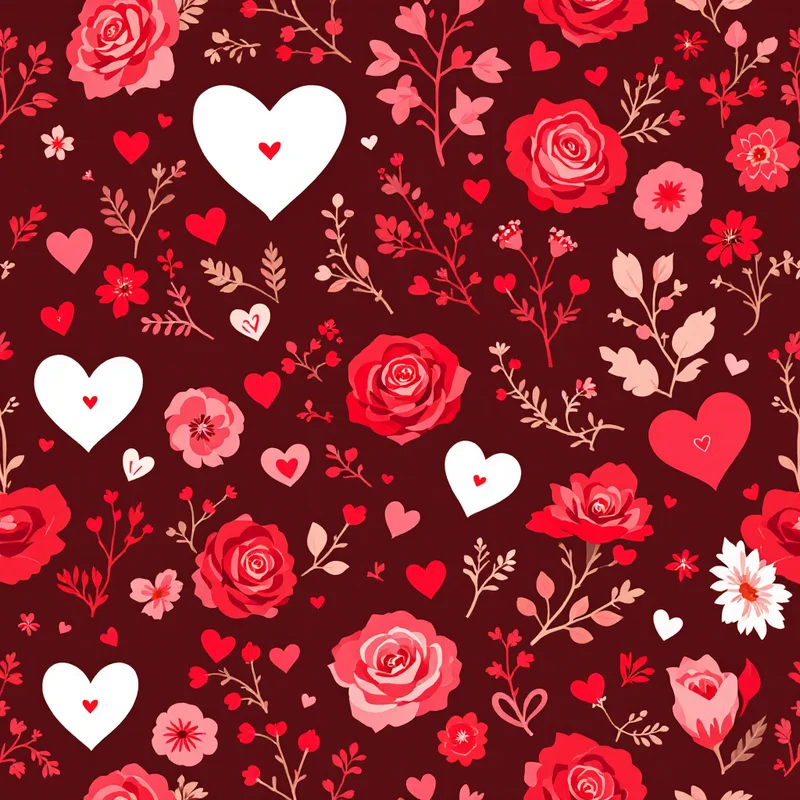
Put a plaid, a floral and a stripe next to each other and the only thing that decides whether it looks designed or accidental is the palette. Maximalist Christmas is not "add more." It is "add more on purpose," and the purpose is usually a handful of simple rules applied with nerve.
Rule one: one palette, many prints
Choose four or five colors and use all of them, in different proportions, across every print. Shared colors are what make clashing patterns feel related.
| Role | Name | Hex |
|---|---|---|
| Ground | Deep emerald | #0B5D3B |
| Lead | Ruby | #8E1330 |
| Support | Sapphire | #1D3C78 |
| Accent | Fuchsia | #E0449B |
| Metallic | Antique gold | #C9A227 |
| Rest | Cream | #F5EBDD |
Then add a through-line: one color that appears in every print, even as a tiny detail. In the table, gold is the through-line. See Christmas color palettes for other jewel combinations.
Rule two: the scale ladder
Three prints at three clearly different sizes can share a table or a room without fighting:
- 1Large: a statement floral, ornament or damask with motifs of several inches.
- 2Medium: a stripe, plaid or geometric with motifs about an inch.
- 3Small: dots, tiny florals or a ditsy scatter that works as a texture.
Two prints at the same scale compete. Three at three scales cooperate. Add a fourth at an in-between scale only once the first three are working.
Rule three: mix types, not just motifs
A floral beside another floral is hard to read as deliberate. A floral beside a stripe beside a check is easy. Alternate organic forms with geometric ones, and curves with straight lines. Plaid and chinoiserie, ticking and chintz, or damask and polka dot all work because they are different kinds of pattern.
Dense repeats: filling a single tile
Maximalism also lives inside a single print. A dense repeat has almost no ground showing.
- Pack big motifs first. Large ornaments, poinsettias, baubles and ribbons set the rhythm.
- Fill gaps with medium motifs. Holly, stars, berries and pinecones.
- Fill the rest with tiny ones. Dots, sparkles and snowflakes.
- Overlap a little, with shadows or tonal overlays, to create depth.
- Keep one ground color visible in thin slivers, so the eye can read separate shapes.
The chintz tradition is the model. The word comes from a Hindi term for spotted or variegated cloth, and chintz florals are famous for their dense, richly colored blossoms on dark or pale ground. Applied to Christmas, that means chintz patterns with poinsettias, holly and ornaments in the same crowded style.
Motifs that suit it
- Poinsettias, holly, ivy, amaryllis and roses
- Ornaments and baubles at many sizes
- Ribbons, bows and swags
- Candles, bells and stars
- Birds, deer and other woodland animals
- Gingerbread and sweets in rich colors
- Gold filigree and damask underlays
Test for hierarchy
Maximalist prints fail when everything has equal weight. Check three ways:
- 1Squint. Blur your eyes. A few shapes should still stand out.
- 2Grayscale. Convert to black and white. The values should vary, with some lights and some darks.
- 3Thumbnail. Shrink the print to the size of a stamp. It should still look like a coherent texture, not noise.
Where it works
Wallpaper for a dining room or powder room, tablecloths, layered gift wrap, throw pillows, holiday robes, scarves, tote bags and ornaments suit the style. For gift wrap, layer a bold paper with a different pattern ribbon, then add a third pattern in the tag. Maximalist rooms often use a rich dark ground such as deep green or navy, because color reads richer against it, and statement patterns are a good source of ideas.
The opposite approach, a quiet and spacious one, is covered in minimalist Christmas patterns. For a Victorian base that already leans toward abundance, see Victorian Christmas patterns, and for the full range of directions, Christmas pattern design ideas.
When you are ready to test a mix, Christmas patterns in Browse Styles offers a wide range of motifs in Pattern Weaver, and Product Mockups, which are free, put a pattern on 20 products, which helps you judge each print on its own before you mix them.
Explore related pattern styles