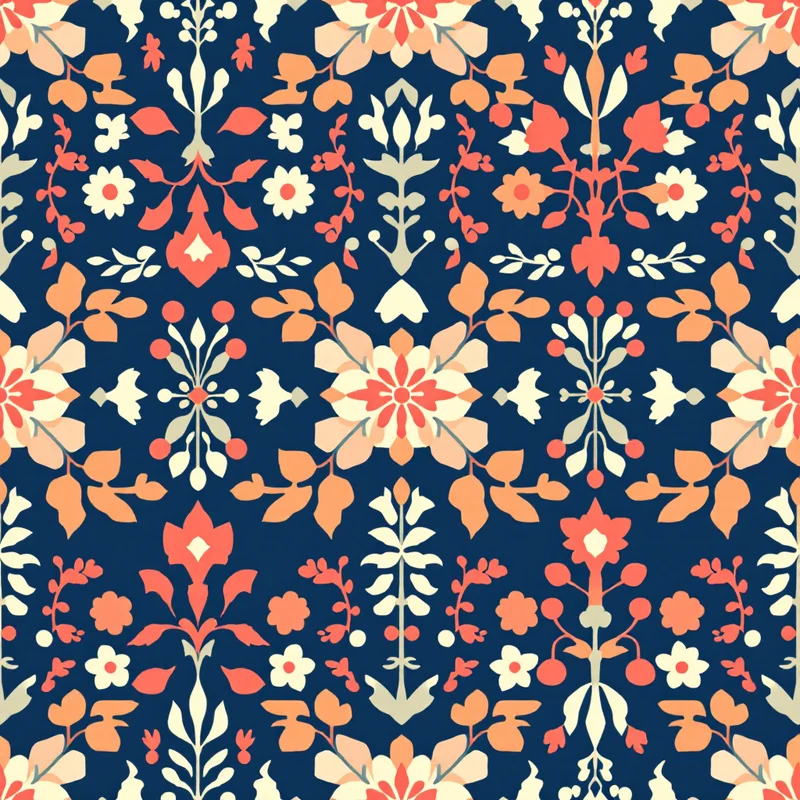
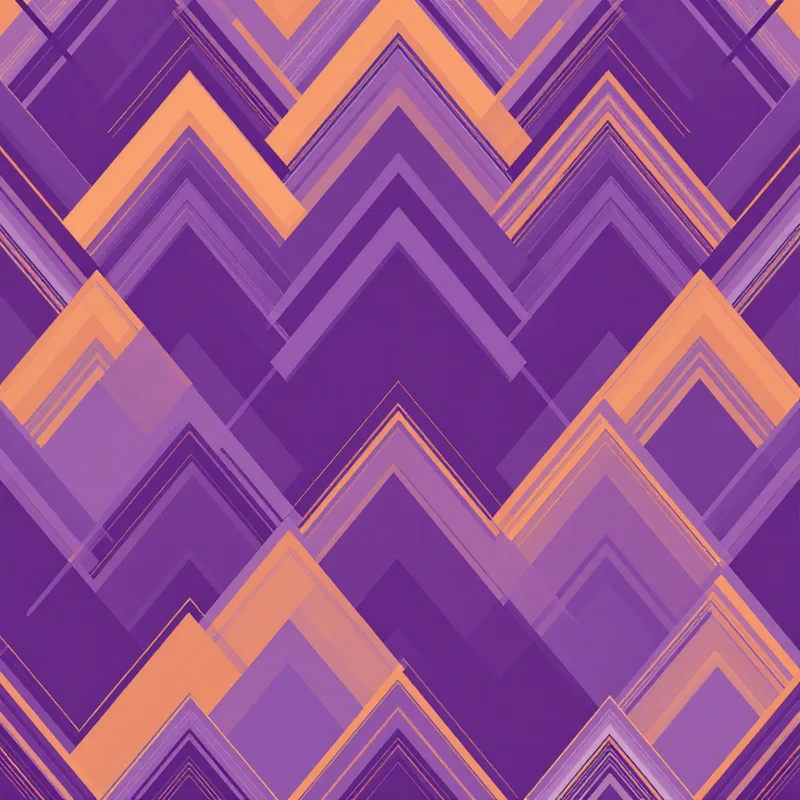
A knitted stitch is not a pixel, and it isn't square either. A typical stitch is a little wider than it is tall, so a motif drawn on a square grid comes out squatter in the fabric than it looked on screen. Knitwear is the one product category where the technique writes the rules before the designer does, and that is the best way to read the 2027 directions below.
They are forecasts, directions to watch, not measured results.
Know the technique, then draw
| Technique | How it works | Pattern limit |
|---|---|---|
| Fair Isle (stranded) | Two colors per row, with the unused yarn carried behind | Short repeats, tight color count, floats limit motif width |
| Jacquard (machine) | Several yarns selected by the machine per stitch | More colors possible, but cost rises with each |
| Intarsia | Separate yarn lengths per color block, no carried floats | Good for big shapes, harder for fine detail |
| Printed knit-look | Ink on jersey imitating a knit | No stitch limits, but no real texture |
A pattern file for a real knit starts as a chart: one box per stitch, one color per box. The best way to brief a knitwear mill is with a chart, a short color list and a repeat size in stitches.
Nordic and Fair Isle bands, enlarged
Traditional Nordic yoke patterns, with their snowflake, star and diamond bands, have been a winter staple for generations. The 2027 direction to watch is the scale. Instead of tiny repeating bands, designers are pushing to larger motifs: a single big star across the chest, a diamond that fills the whole body.
Color is shifting too. Keep the structure (a main color and a contrast color per row) but move away from red, white and navy. Think soft grey (#A8A8A0) with butter, or oat with forest green (#2F4A3A). Norwegian patterns give you the vocabulary, and the Fair Isle knitting patterns guide explains the stranded technique.
Argyle, rebuilt
Argyle is a diamond lattice with diagonal overlay lines, and it has a long history on socks, vests and sweaters. Expect it to come back less golf-course and more graphic: oversized diamonds, two-tone argyle with the overlay line removed, and argyle in unexpected combinations like chocolate and sky or pink and olive. Read the argyle pattern design guide for construction details.
Because argyle uses diagonal lines, it is a good test of your chart. If your diamonds turn into squashed rhombuses, the stitch-to-row ratio hasn't been corrected.
Patchwork and intarsia blocks
Patchwork knits mix squares and rectangles of different colors and stitch textures into one garment. The direction to watch is a more deliberate palette: instead of rainbow scraps, five or six close colors arranged as blocks, with a repeat that appears intentional. On a cardigan, that can mean a grid of 3-inch to 5-inch (7.5 to 12.5 cm) squares with seams that carry some of the visual weight.
Intarsia suits this look because each block is its own yarn. That also means no carried floats behind the work. The trade-off is cost and complexity, so keep the number of blocks reasonable.
Printed knit-look
At the lower-cost end, expect more printed jersey that imitates a chunky knit. It gives a design team the look of a Nordic sweater on a lightweight T-shirt or sweatshirt without the yarn weight. When drawing one, add a faint stitch texture to the print, since a flat colored band reads as a graphic, not a sweater.
Printed knit-look is also a useful way to test a design before investing in a full jacquard run, as it lets you see how a layout photographs and sells before committing to yarn.
Brief the mill with a chart
For a real knit, bring three items to the factory: the chart (stitches wide by rows tall), the exact color list, and a note on whether the repeat is mirrored or continuous. A half-drop repeat can work in knitting but needs to be translated to a stitch count first.
From tile to chart
A generated tile is a reference, not a chart. If you want a Nordic band or an argyle to redraw on your stitch grid, Describe It in Pattern Weaver lets you write the prompt in your own words, and new accounts get 5 free credits to try it. Work out the stitch and row counts yourself before anything goes to the mill.
Explore related pattern styles