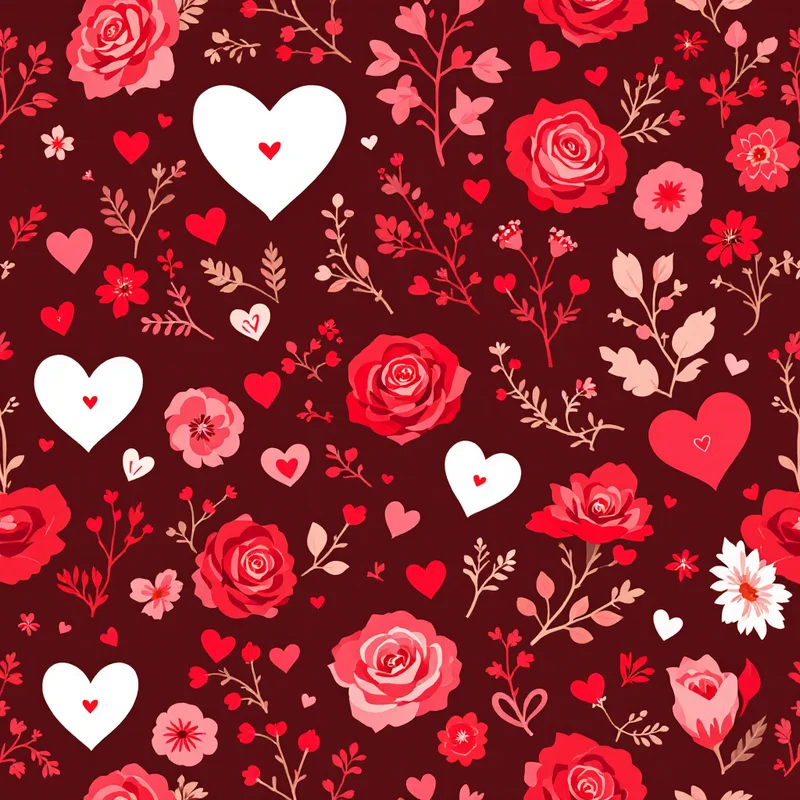
The hard part of a matching pajama set is the baby. An adult-size tee and a newborn sleeper are cut from the same fabric, and every decision you made about scale, direction and color has to survive being cropped to a few inches of sleeve.
Choose one scale for the whole family
Matching sets are usually cut from one printed fabric, so you are designing a single scale that has to work at every size. A medium-small motif, roughly one to two inches across, is the sweet spot. On an adult it reads as a pattern rather than a toy. On a baby's leg you still see the whole motif instead of a slice of one.
Avoid very large motifs unless you plan separate prints per size. A six-inch reindeer will look great on a men's top and vanish into seams on a onesie.
Make it non-directional
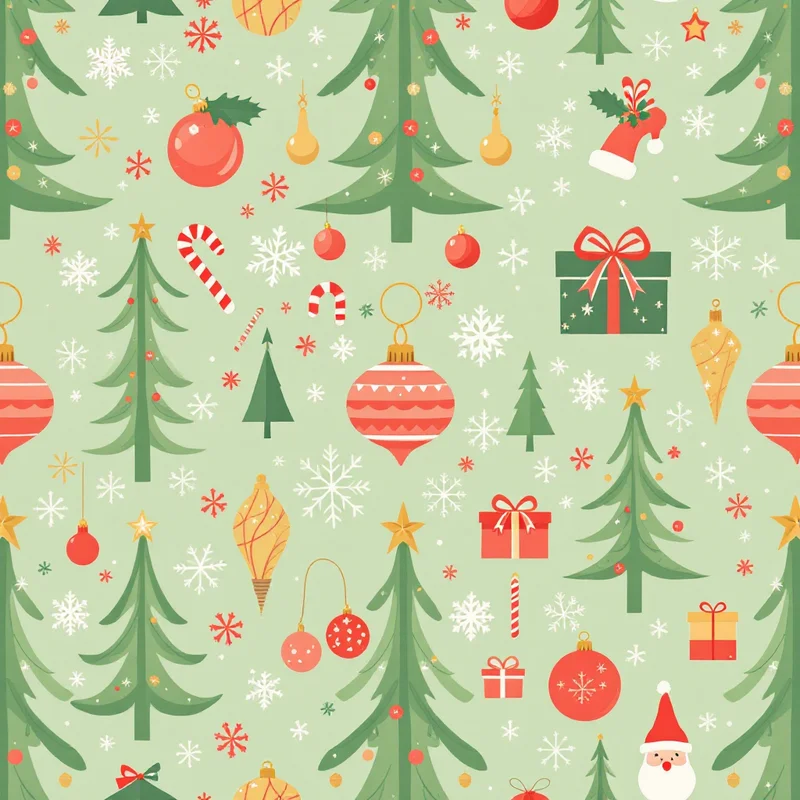
A tossed layout, with motifs rotated every which way, is the safest choice. Directional prints (all trees pointing up) force a decision about which seam goes where, and they look upside down on a sleeve if the pattern piece is cut the other way. Tossed prints, half-drop layouts and all-over scatters make cutting forgiving and waste less fabric.
Flannel or knit
| Cotton flannel | Cotton or blend knit | |
|---|---|---|
| Print sharpness | Crisp but slightly fuzzy from the brushed surface | Good, can distort when stretched |
| Warmth | High | Moderate |
| Stretch | None | Yes |
| Best for | Pants, button-front sets, older kids and adults | Tops, babies, snug-fit sleepwear |
Brushed flannel softens very fine lines, so draw a bit bolder than you would for smooth cotton. On knits, test the print stretched sideways: a perfect circle can turn into an oval across the chest. Flannel patterns are a good starting point for weights and scale.
One practical note: children's sleepwear has flammability rules in the US and elsewhere, and that is why many kids' cotton sets are cut snug. Check the rules for every market you sell to before you finalize fit and fabric.
Plaid needs special handling
Buffalo plaid is the most-requested family pajama print, and it has one trap: plaid must line up at the seams. That costs yardage, so printed plaids for small sizes are often simplified. If you design your own check, keep the check small enough (half an inch to an inch) that a baby's leg still shows several full squares, and let motifs sit on top of the plaid rather than inside it. Christmas plaid and tartan patterns goes through which checks read as Christmas.
Coordinate, don't clone
Identical outfits can feel costumey. A coordinated set is easier to wear and photographs better. A simple three-print system:
- 1Hero print: the full-color holiday motif, such as trees, reindeer or gingerbread.
- 2Plaid or check: the same palette, no motif, for pants or a second member.
- 3Blender: a tiny dot, stripe or snowflake scatter for babies and anyone who prefers calm.
Keep the palette identical and vary the scale. Everyone ends up in the same visual family without being in the same outfit. The same hero print also works for pets: see Christmas pet bandana and accessory patterns.
Motifs that translate across ages
- Trees, stars and snowflakes feel neutral for every age.
- Gingerbread people, penguins and polar bears read cute but not babyish at a small scale.
- Reindeer and woodland animals work on adult and kids' sets alike.
- Avoid sarcasm or text that only suits one generation, since the same print has to work for a toddler and a grandparent.
For a kids-only angle, Christmas patterns for kids covers characters and bright palettes in more detail.
Palette suggestions
- Classic: red #B3262B, cream #F3E9D8, pine #2F4A3A
- Soft: blush #F2C6CB, oatmeal #E8DFD0, sage #9CAF88
- Cool: navy #1F2A44, white #FFFFFF, red #C1272D
To sketch a hero print and its coordinates, pick Christmas patterns in Browse Styles, or use Describe It to ask for a small tossed print in your palette. Pattern Weaver turns each pattern into a seamless tile in about 20 seconds, so you can compare three scales before you commit to the print file.
Explore related pattern styles