Design characteristics
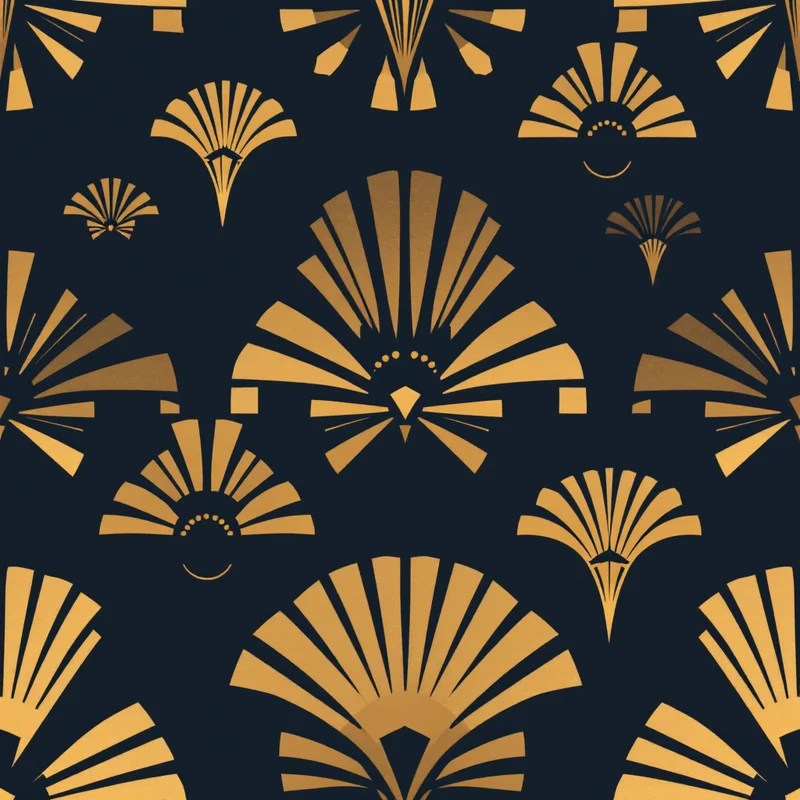
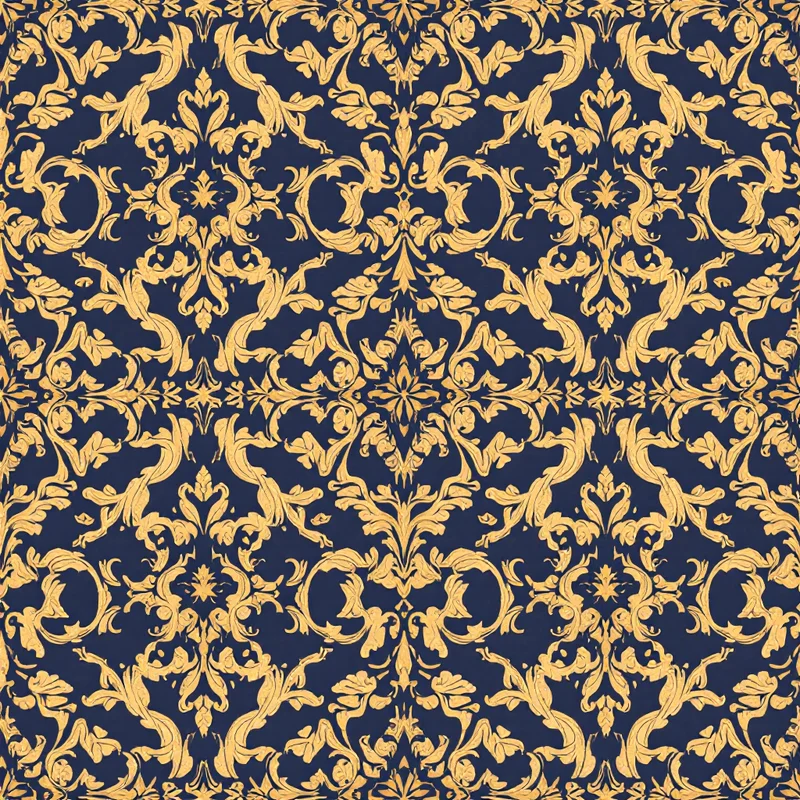
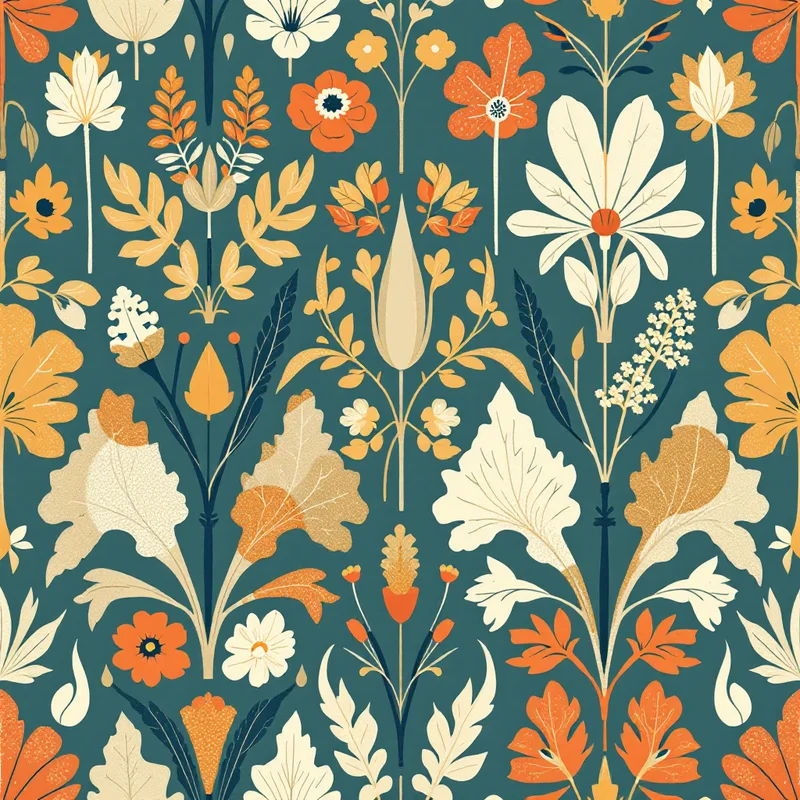
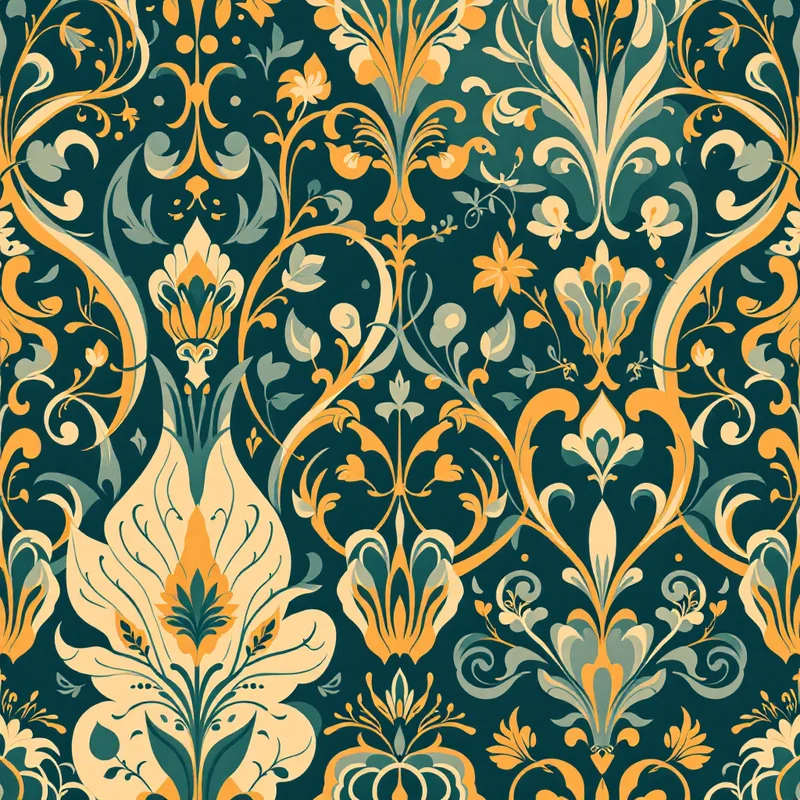
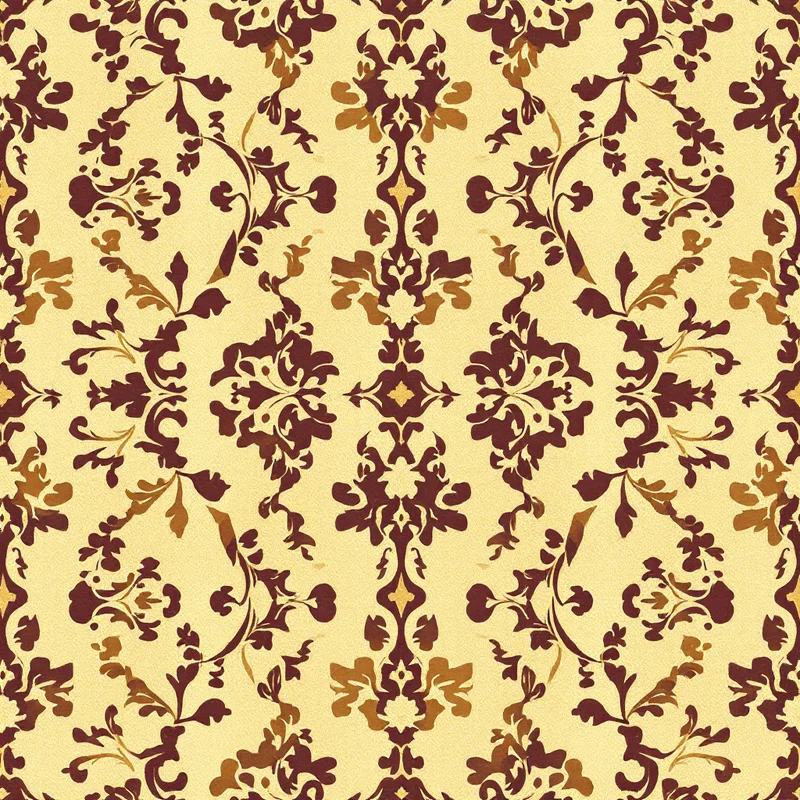
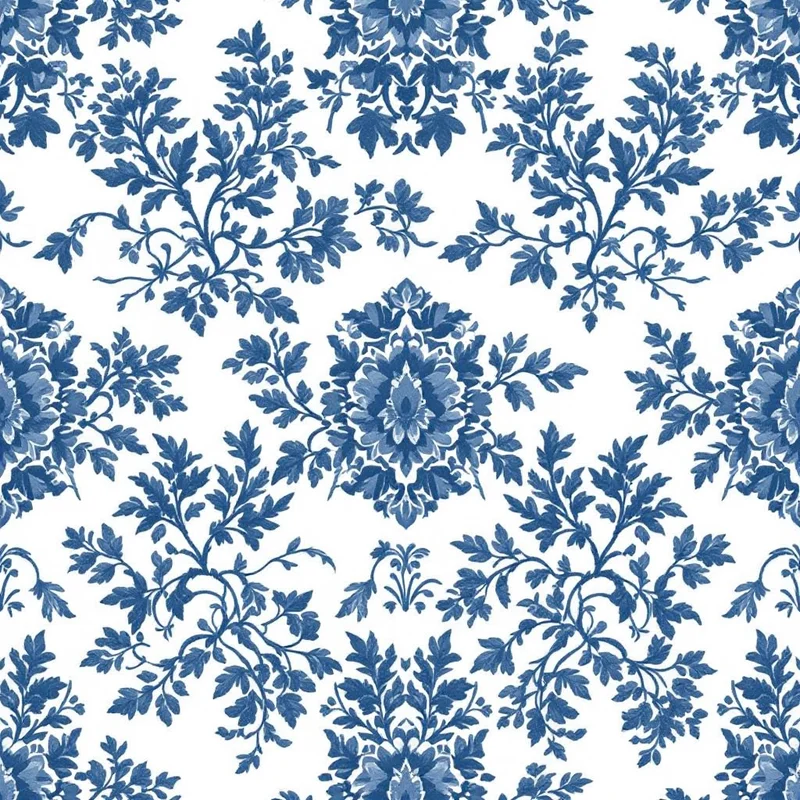
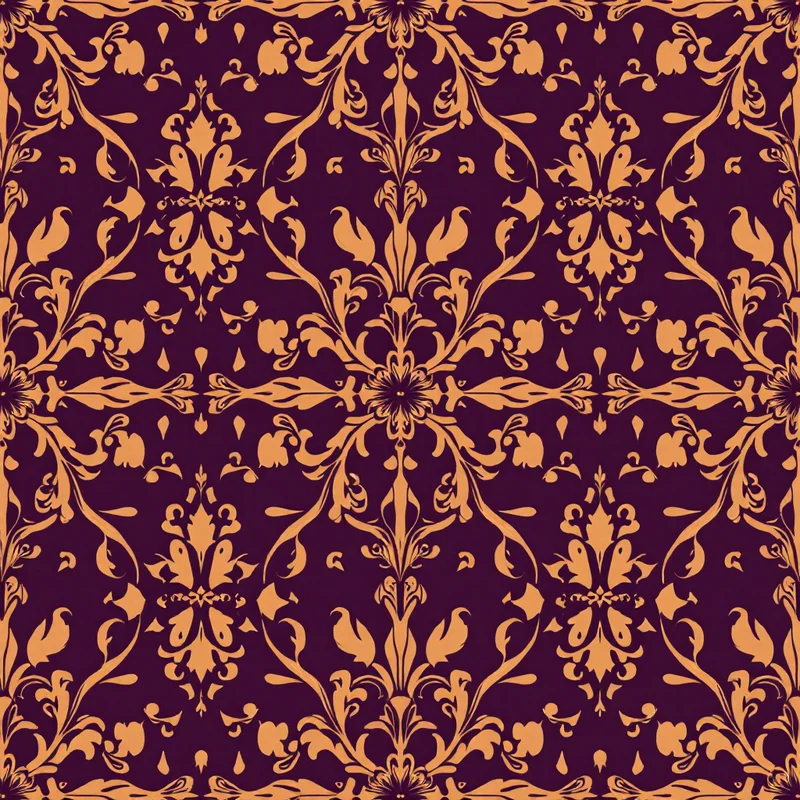
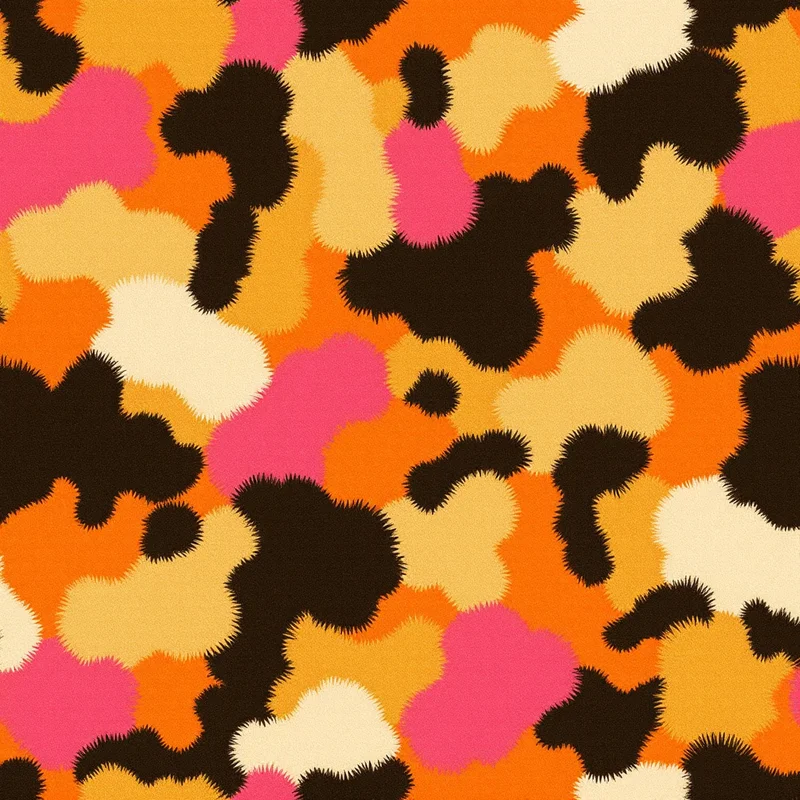
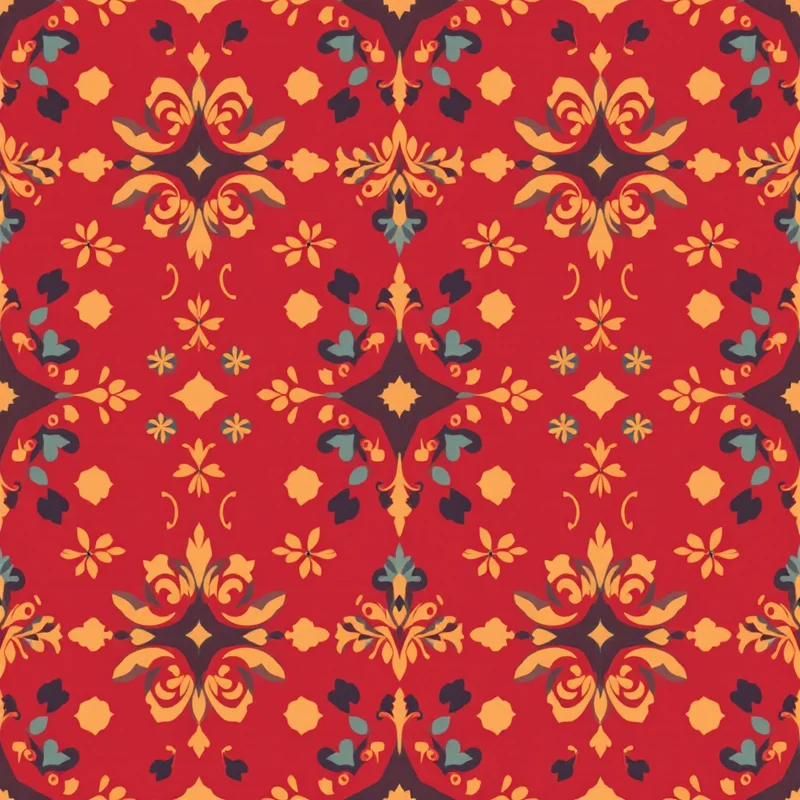
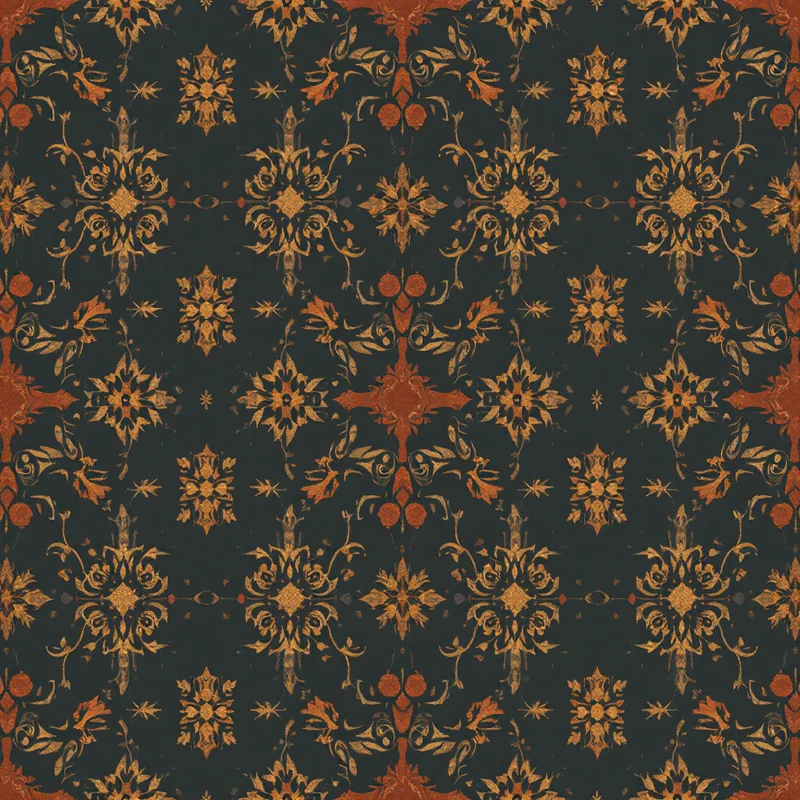
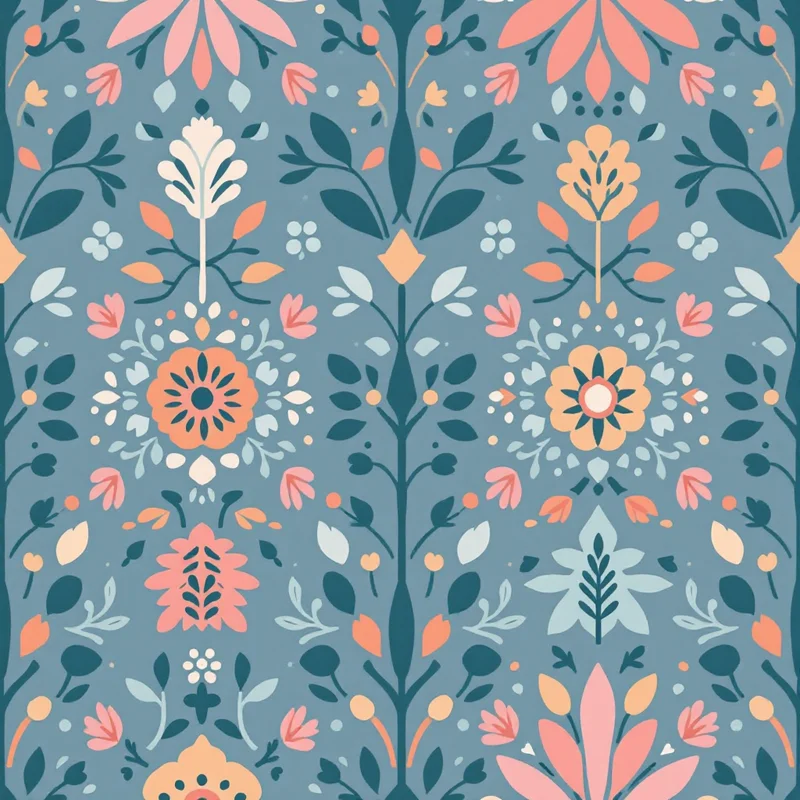
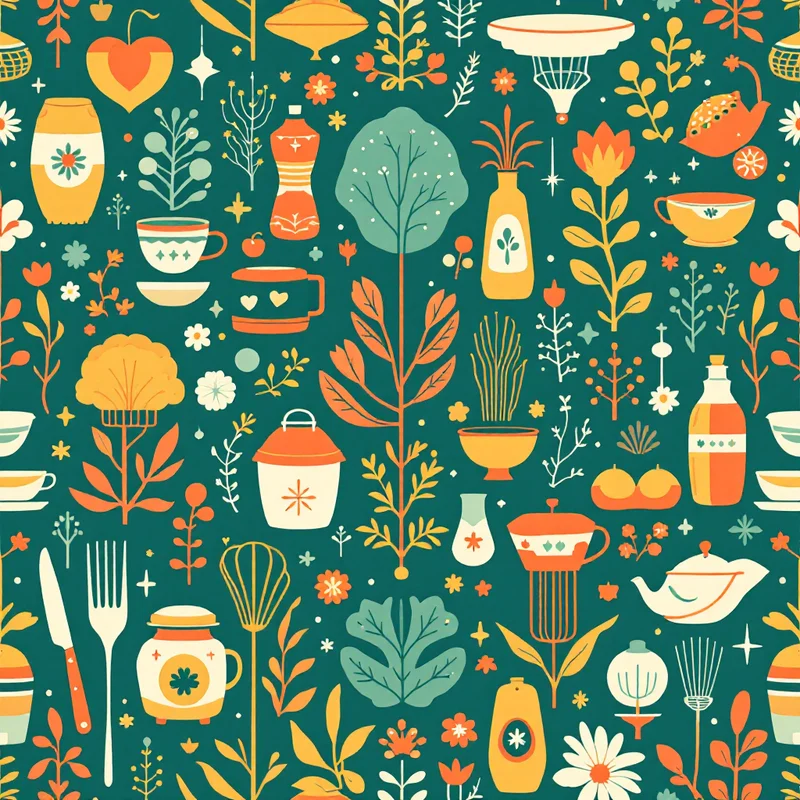
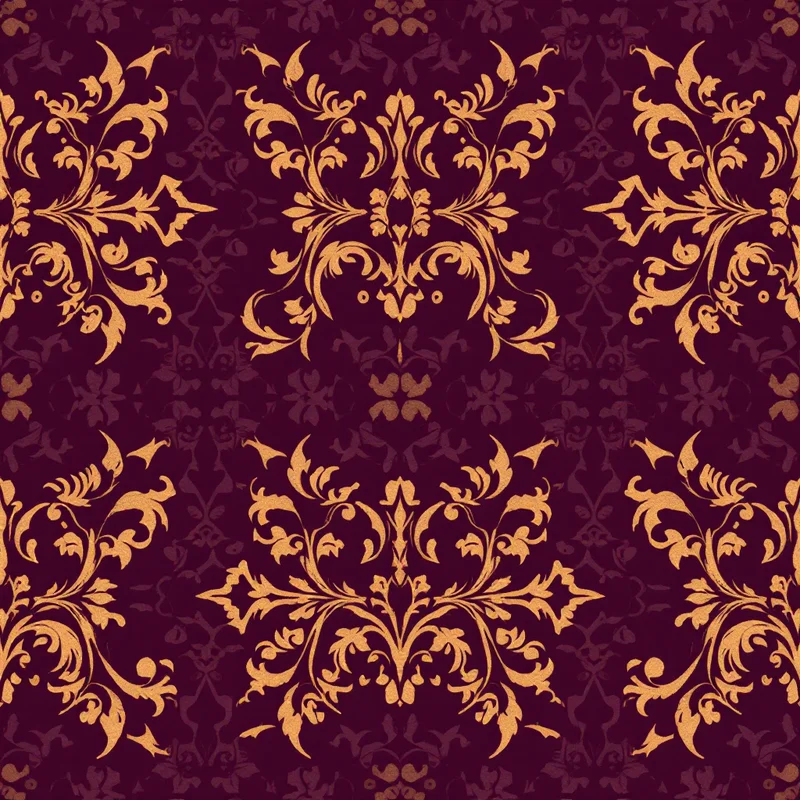
The value of era patterns is the emotional shorthand they provide. An Art Deco pattern instantly communicates sophistication and glamour. A Mid-Century atomic print says fun and nostalgia. A Victorian damask signals heritage and formality. You can use these associations strategically to set the tone of a brand, product, or space without explaining anything — the design period does the communication for you.
Commercial applications
Packaging is one of the strongest applications. Products that want to convey tradition, craftsmanship, or heritage lean on era-appropriate surface design. Artisan food brands with Art Deco labels. Vintage-inspired clothing lines with Mid-Century print packaging. Heritage hospitality brands with Victorian-influenced collateral. The pattern design tells the brand story visually, which is more convincing than any tagline.
Where to use era patterns
In interior design, era patterns define the mood of a space. An Art Deco wallpaper in a cocktail bar. Victorian damask in a boutique hotel. Mid-Century geometric tiles in a retro-inspired kitchen. The surface pattern anchors the entire interior direction and gives everyone involved in the project — designers, contractors, clients — an immediate visual reference point.
Customization & export
Fashion uses era patterns to drive collections built around a specific aesthetic moment. A 1970s earth-tone collection. An Art Nouveau silk scarf range. A Victorian-inspired bridal line. Period-specific prints give collections a cohesive narrative that buyers and press understand immediately, which translates into stronger sell-through and editorial coverage.
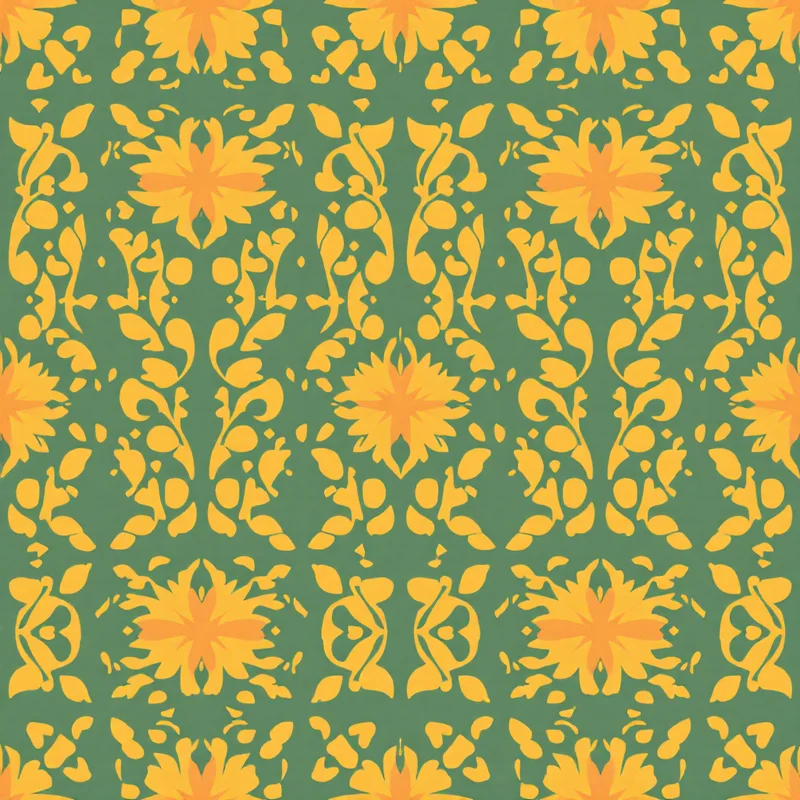
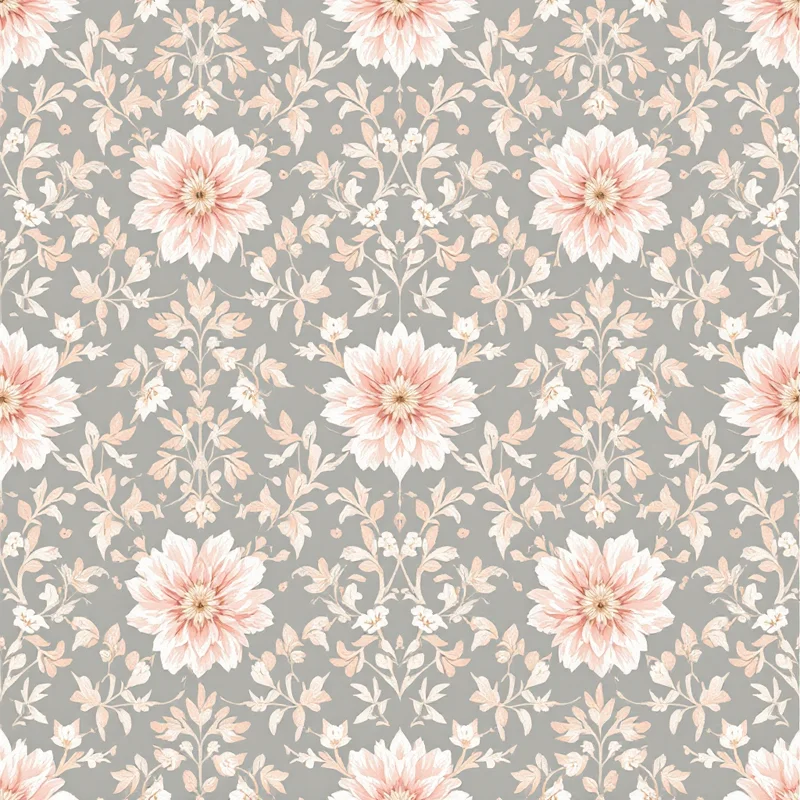
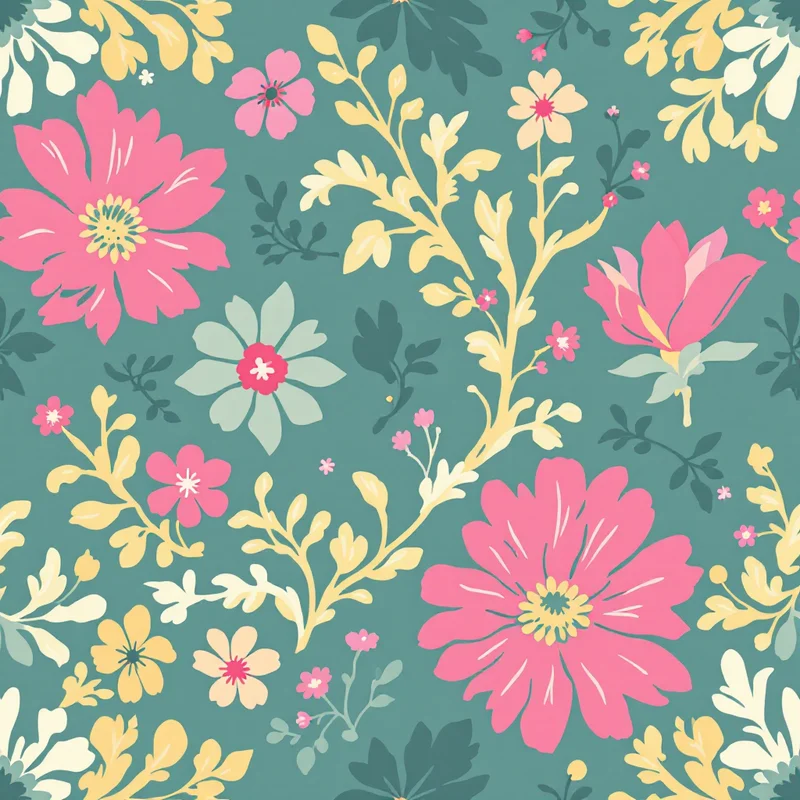
You can generate faithful reproductions of period styles or contemporary reinterpretations that blend vintage motifs with modern palettes. Art Deco geometry in millennial pink and gold. Victorian florals in muted Scandinavian tones. 1960s mod patterns in contemporary neon. The era category gives you design heritage with full creative flexibility.