







Design characteristics
The children's product market is enormous and pattern design sits at its center. Clothing brands need patterns for onesies, pajamas, t-shirts, and dresses. Bedding companies need designs for crib sheets, duvet covers, and pillowcases. Stationery brands need motifs for lunchboxes, backpacks, and pencil cases. Nursery decor, gift wrap, party supplies, and educational materials all depend on well-designed kids patterns. If you sell children's products, you need a constant flow of fresh pattern designs.
Commercial applications
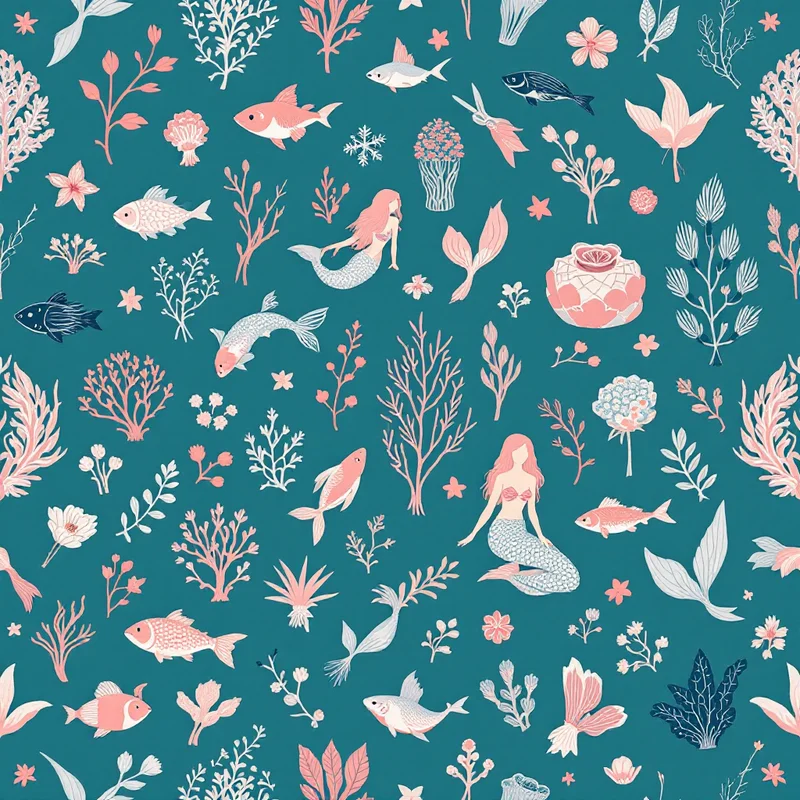
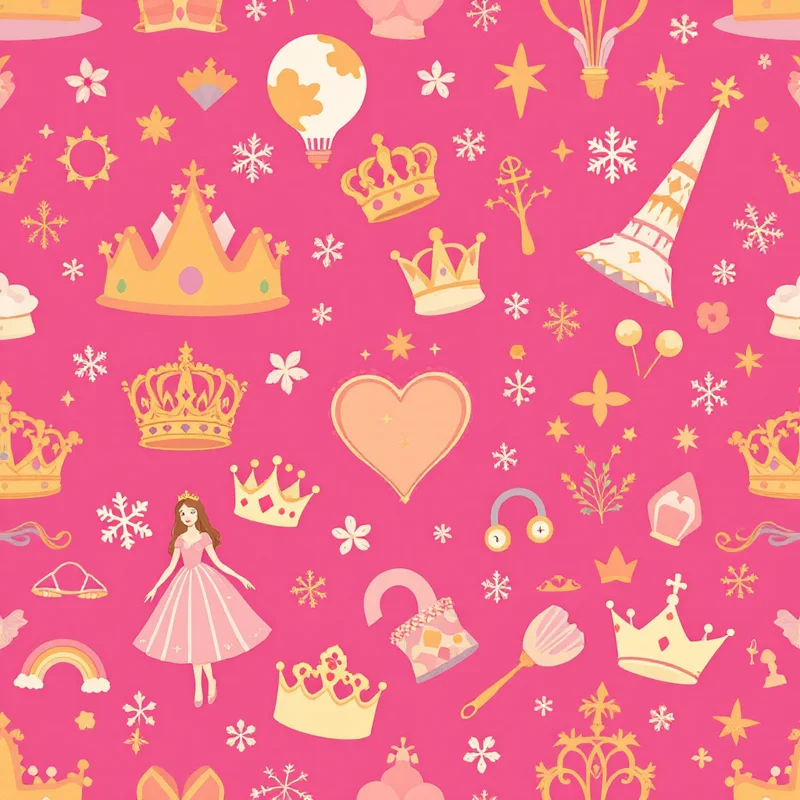
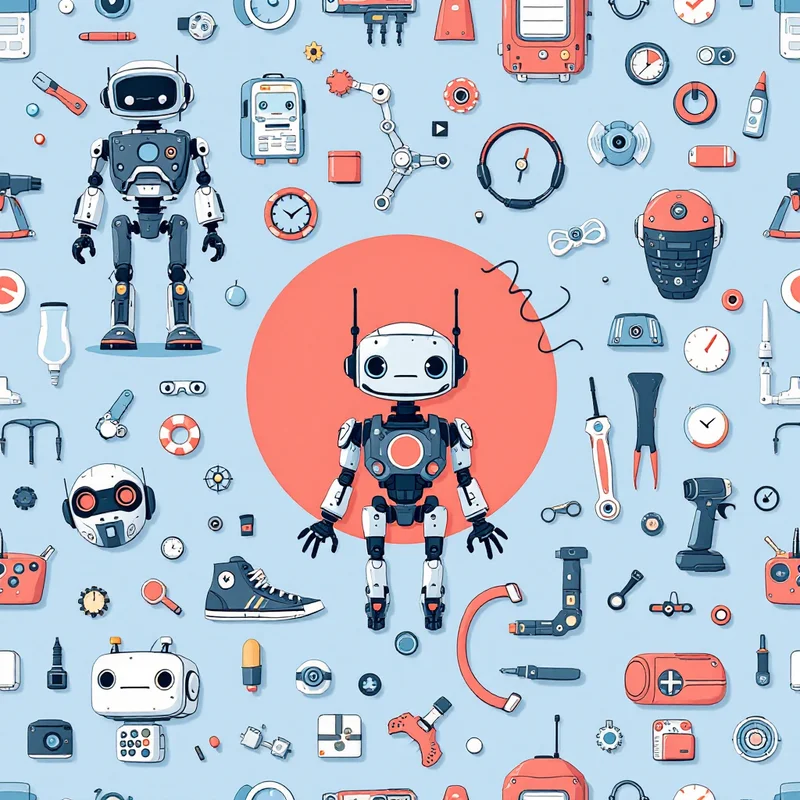
What separates a good kids pattern from a mediocre one is the balance between energy and clarity. The design should feel lively and engaging, but the motifs need to be readable at small scales and the composition shouldn't overwhelm. Young children respond to clear shapes, strong color contrast, and subjects they can name. Pattern Weaver produces patterns that hit this balance — cheerful without being visually chaotic.
Where to use kids patterns
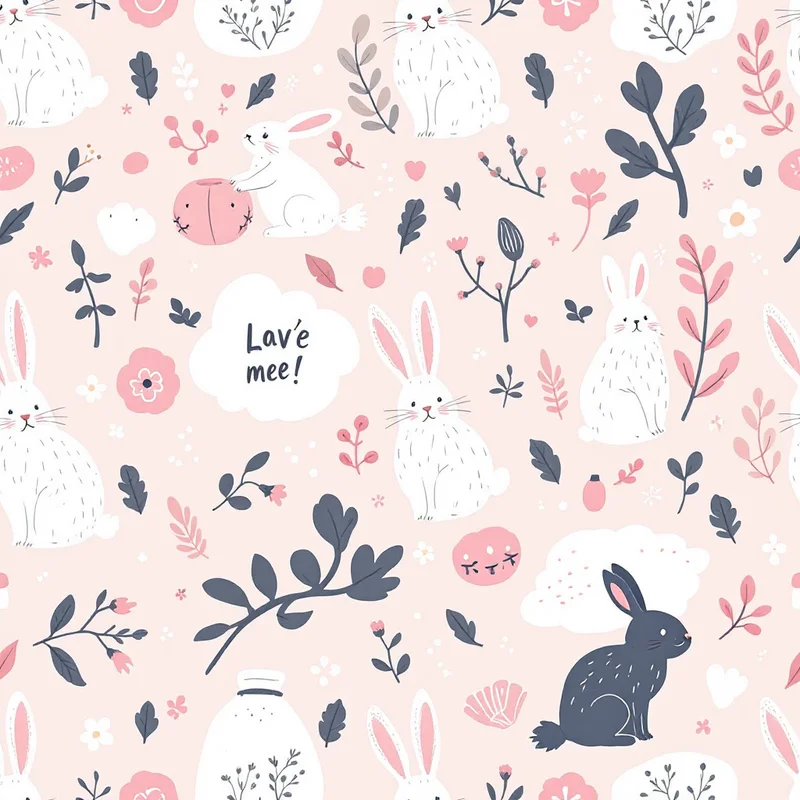
Age targeting matters in this market. Simple, bold shapes with high contrast work for baby and toddler products — parents shopping for nursery decor want patterns that are cute but not overstimulating. More detailed, character-driven designs appeal to preschool and school-age children who have developed specific interests (dinosaurs, space, animals, fantasy). Pattern Weaver lets you adjust complexity to target specific age ranges.
Customization & export
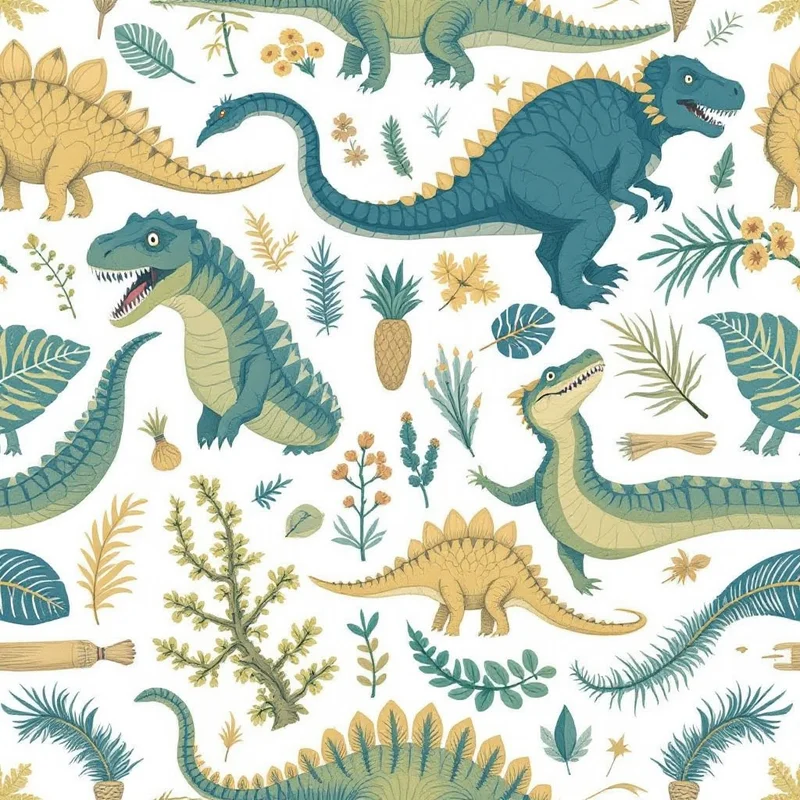
For print-on-demand sellers, kids patterns are consistently among the top-performing categories. Parents, grandparents, and gift buyers search for children's patterns in high volume, and the market rewards variety — a dinosaur pattern in a pastel palette targets a different buyer than the same dinosaur in bold primary colors. Generate multiple colorway variations from each design to maximize your product listings.
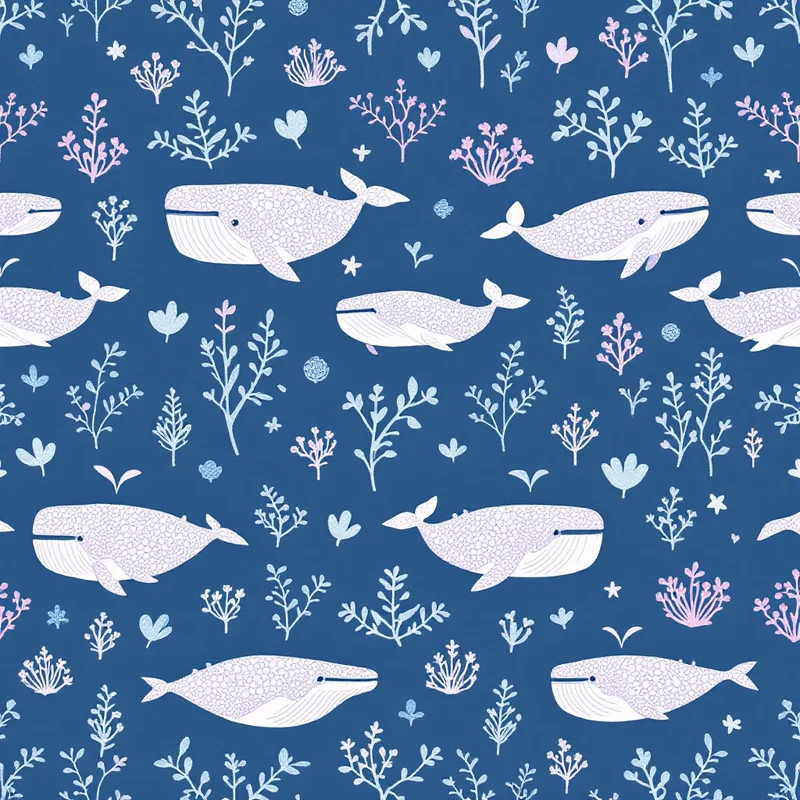
Gender-neutral kids patterns are increasingly in demand. Rainbows, animals, nature themes, and abstract colorful compositions appeal to parents who prefer their children's products not to be gender-coded. This growing market segment is underserved in stock pattern libraries, which is an opportunity for sellers with original designs.