Design characteristics
The commercial demand for floral patterns is unmatched by any other category. Florals consistently rank as the top-selling pattern type across fashion, home textiles, stationery, and print-on-demand platforms. Spring and summer collections rely on floral prints as their commercial backbone, but dark moody florals and winter botanicals have expanded the category into a year-round revenue driver. Whether you design for mass market or luxury, there is always a floral aesthetic that fits.
Commercial applications
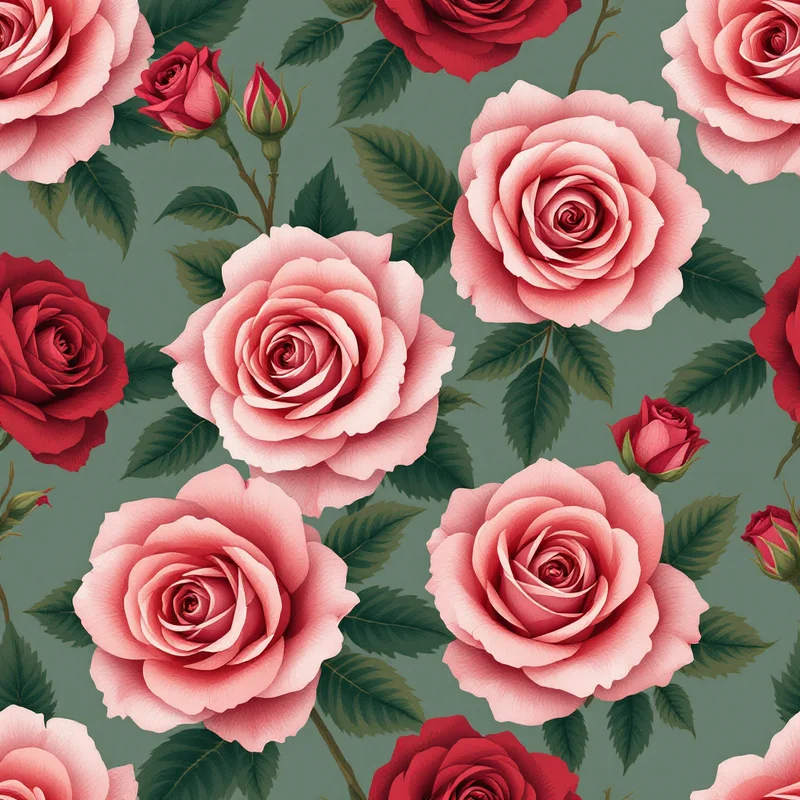
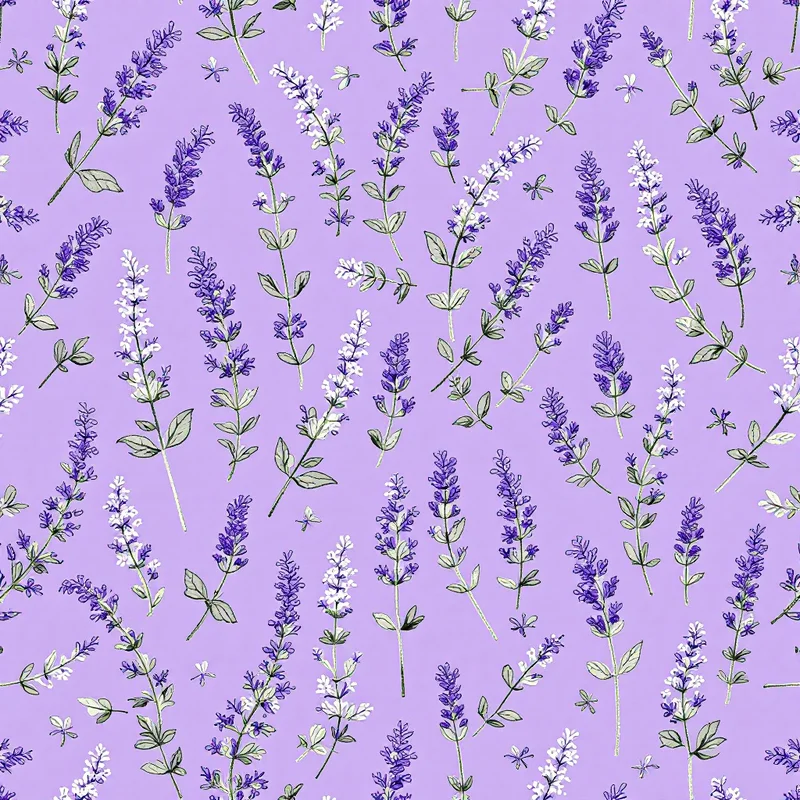
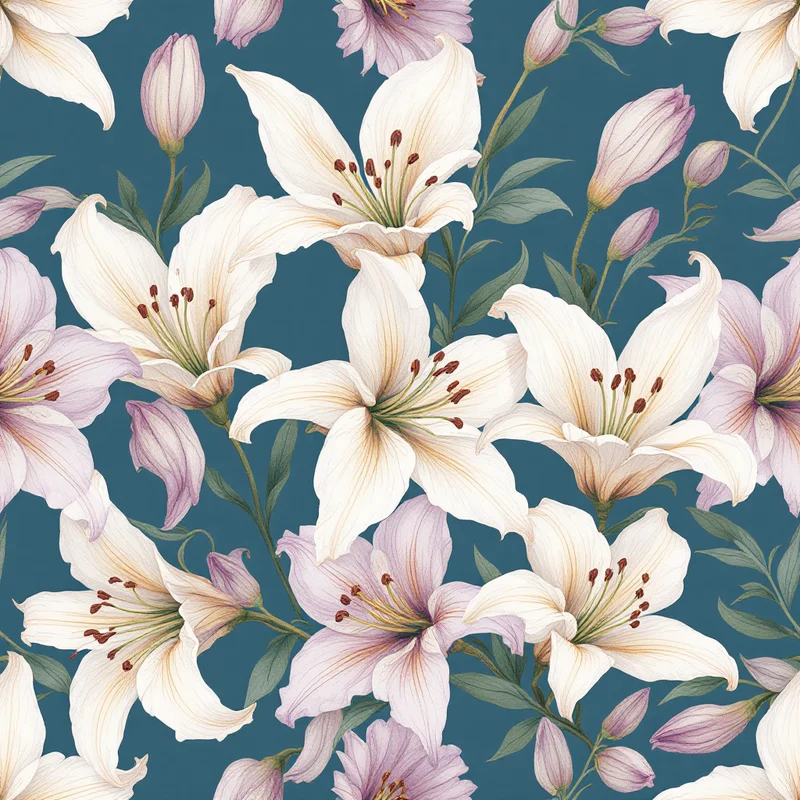
Floral patterns succeed because they carry emotional weight that abstract and geometric designs cannot match. Roses communicate romance and luxury. Wildflowers signal freedom and natural beauty. Peonies read as opulent and celebratory. Daisies feel cheerful and approachable. Lavender evokes calm and wellness. Each flower brings its own associations, and these cultural connections drive purchasing decisions across every product category — from a wedding invitation suite to a pair of summer pajamas.
Where to use floral patterns
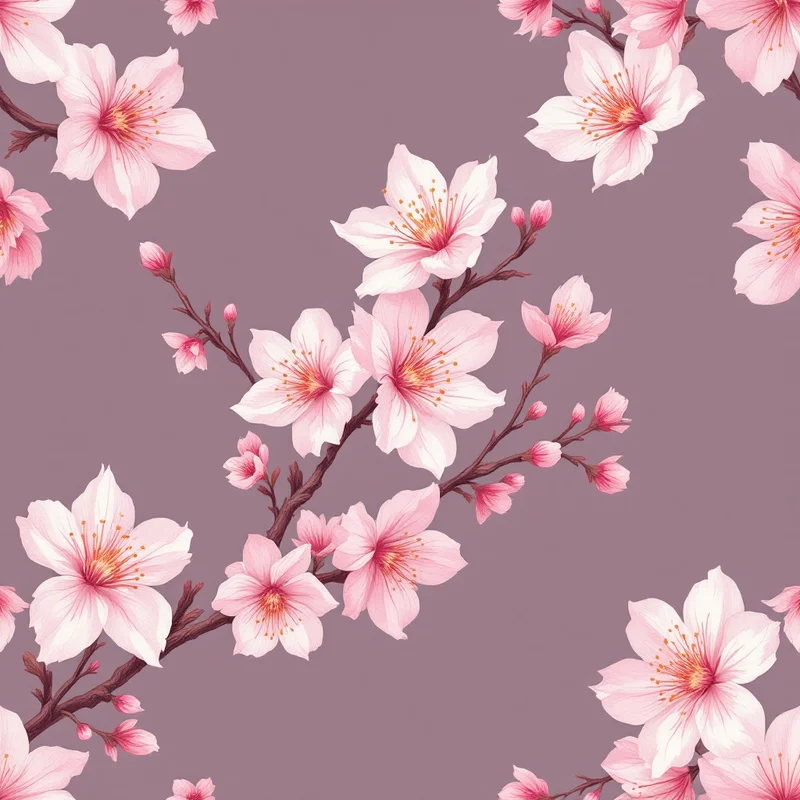
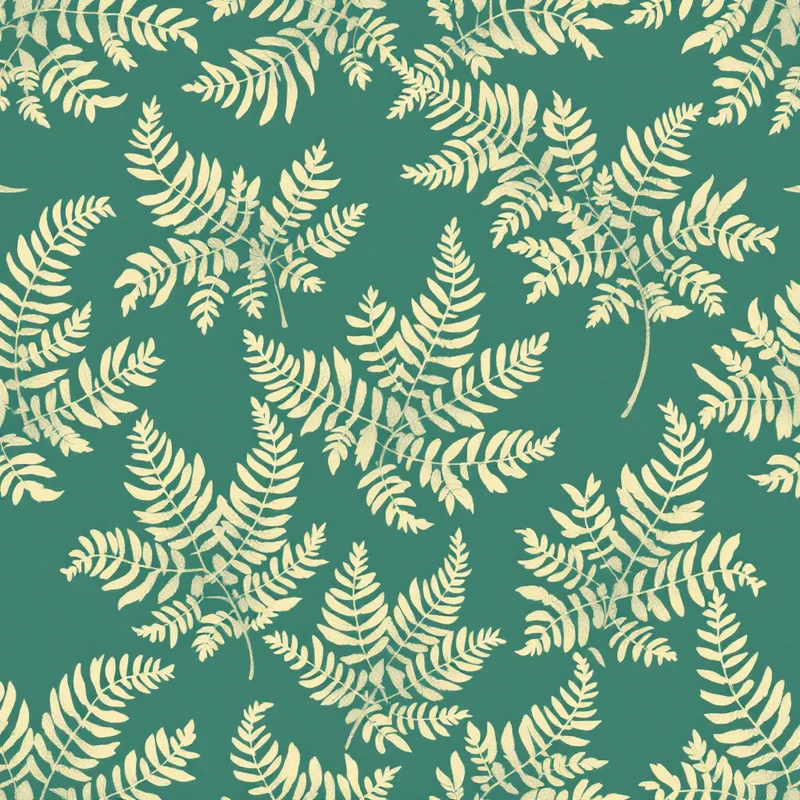
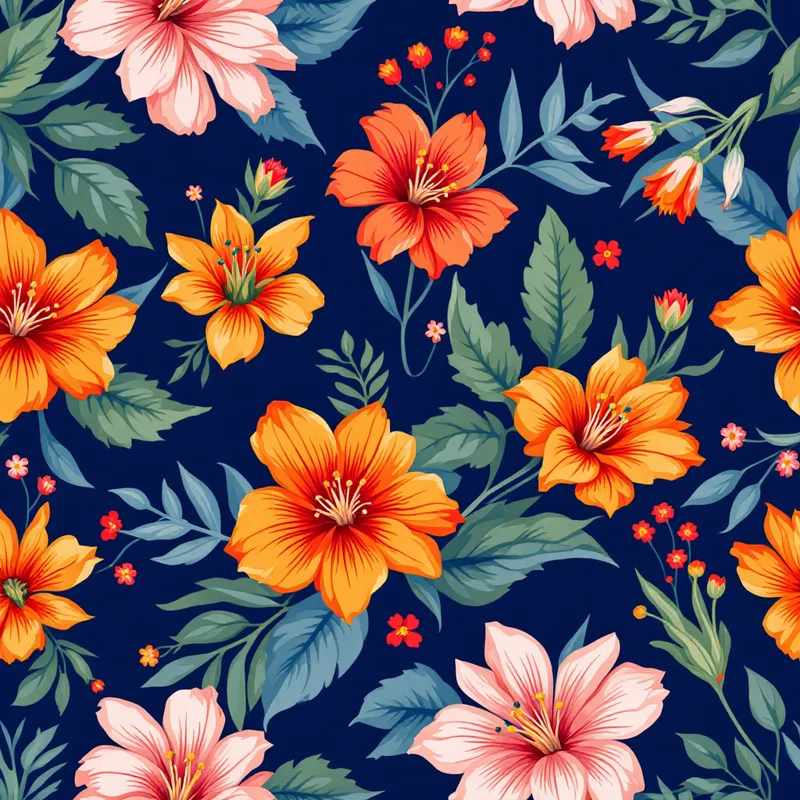
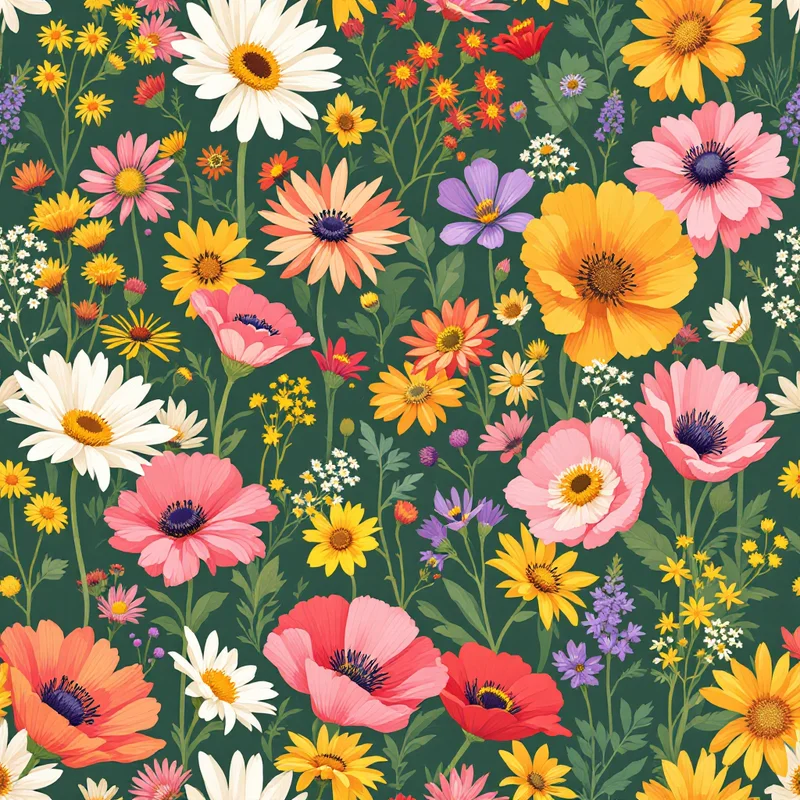
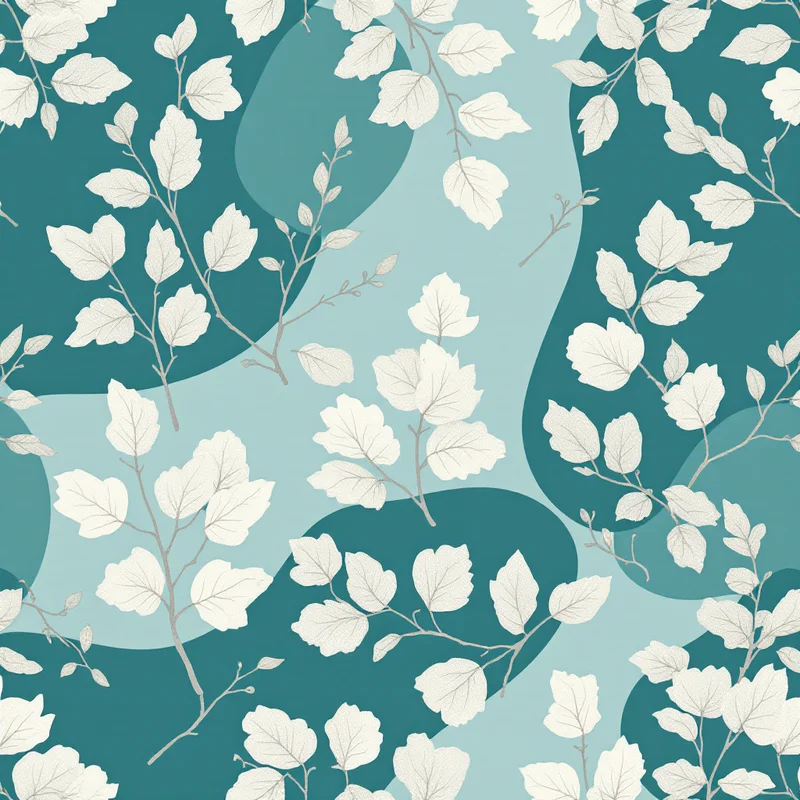
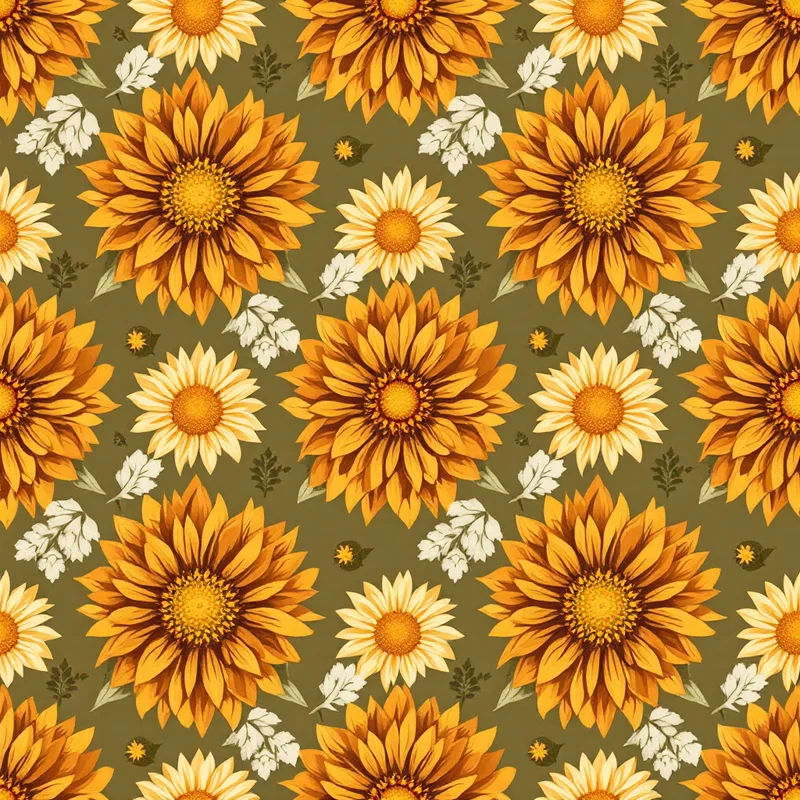
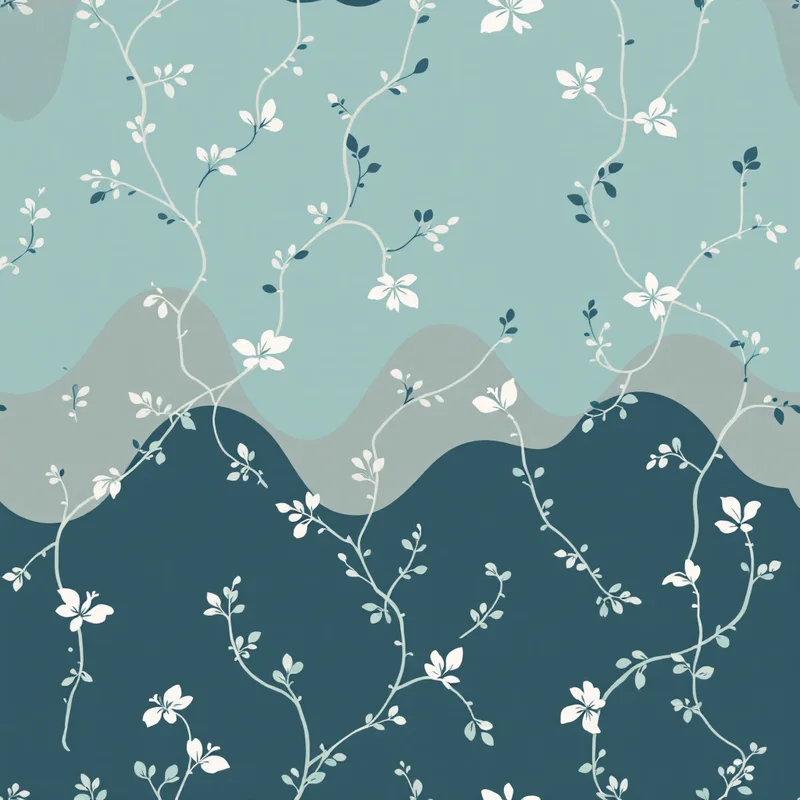
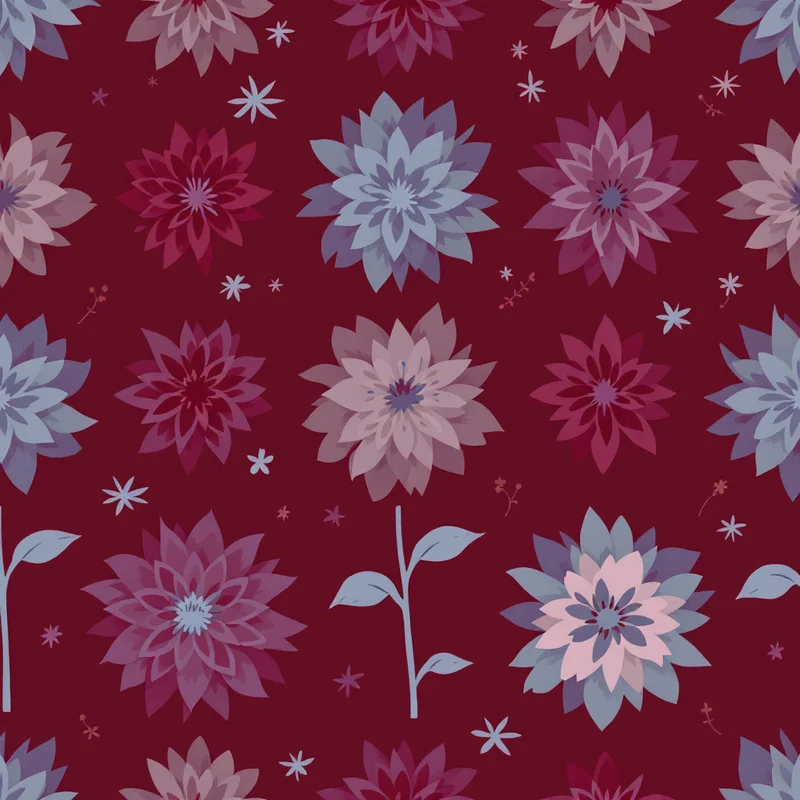
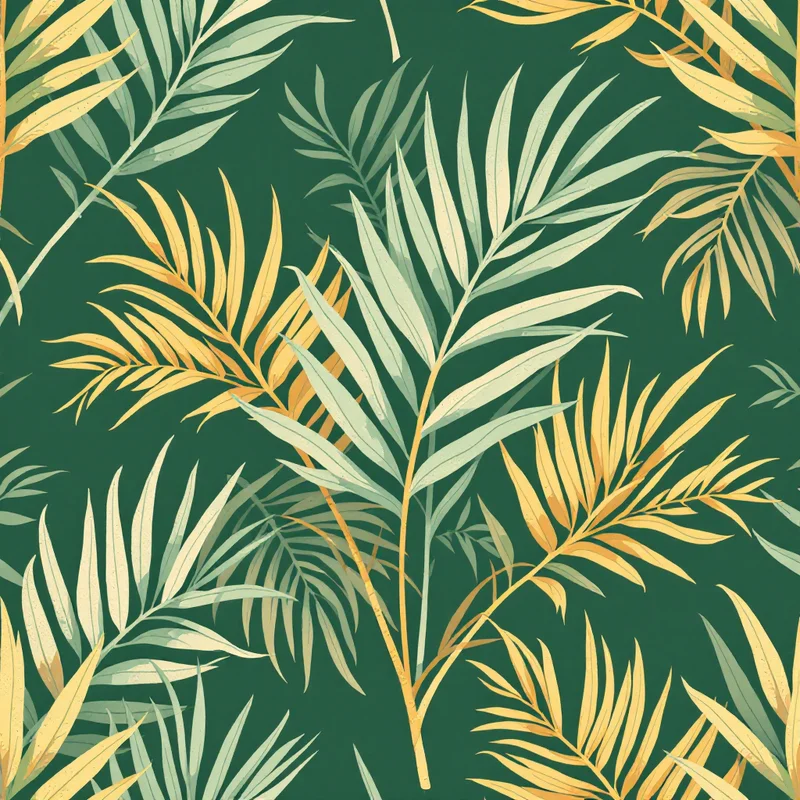
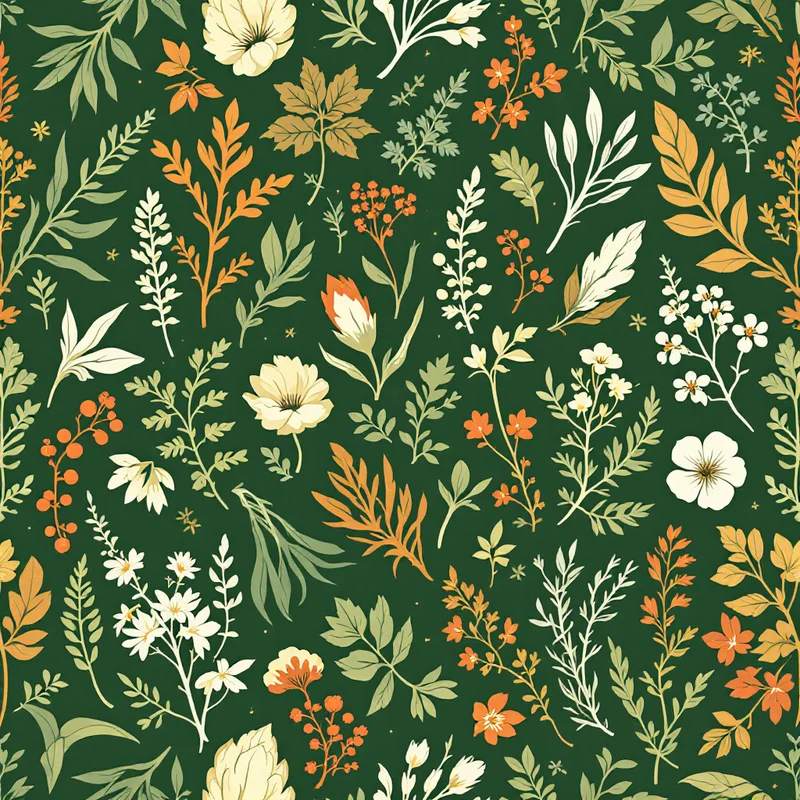
You control every aspect of your floral designs — flower type, scale, density, color palette, and rendering style. Choose from watercolor washes for soft, painterly blooms, vector illustration for crisp modern florals, vintage botanical engraving for heritage aesthetics, or ink drawing for an editorial hand-drawn quality. Mix flower varieties within a single pattern for a gathered-from-the-garden composition, or focus on a single bloom for a bold, graphic statement. Adjust density from sparse and airy to lush and overflowing. Set the background from classic white to moody black for dramatically different market positions from the same motif.