
Design characteristics
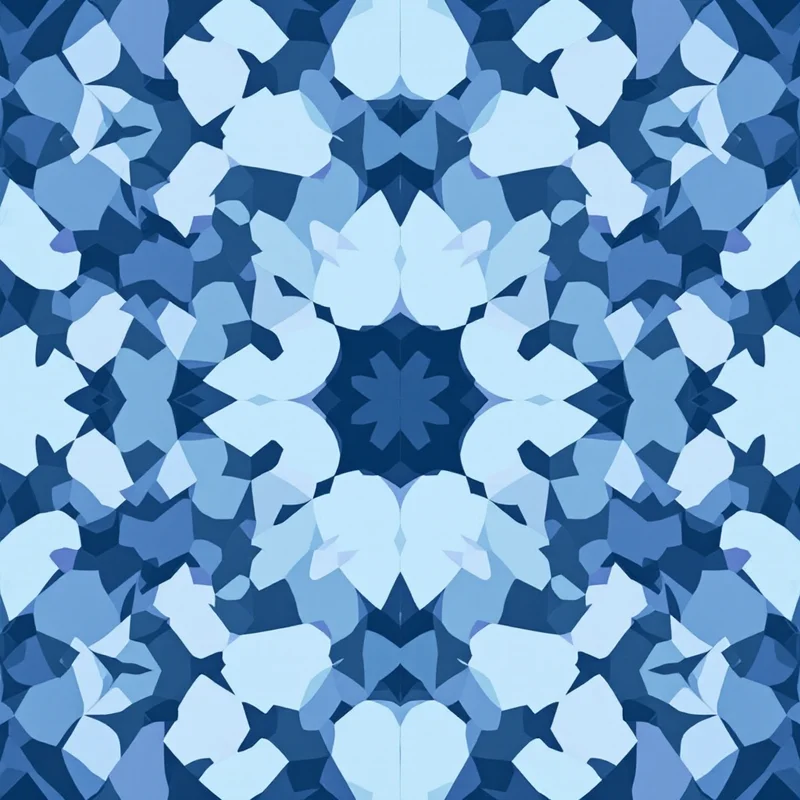
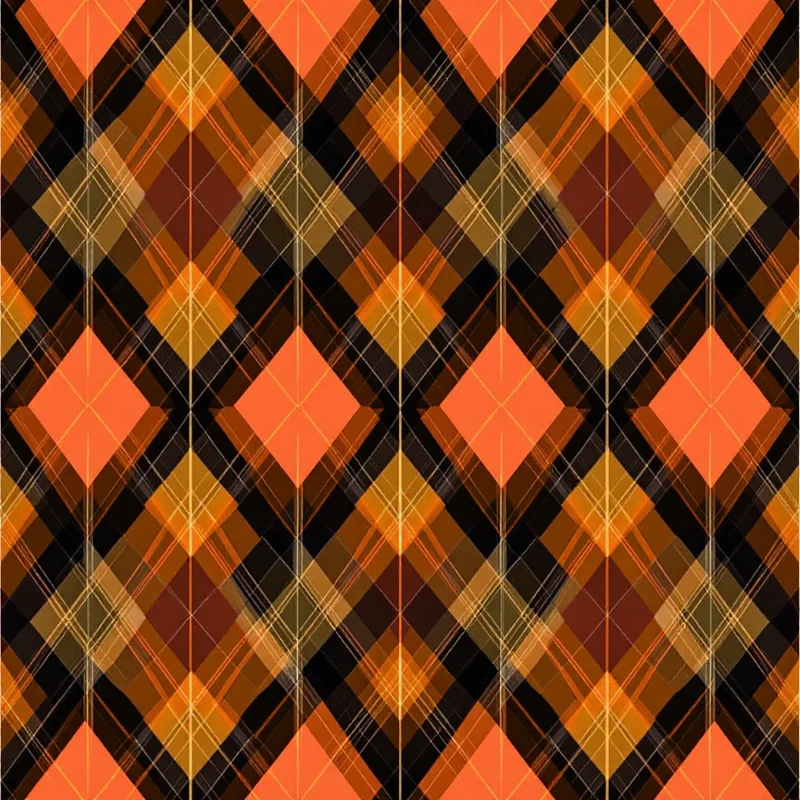
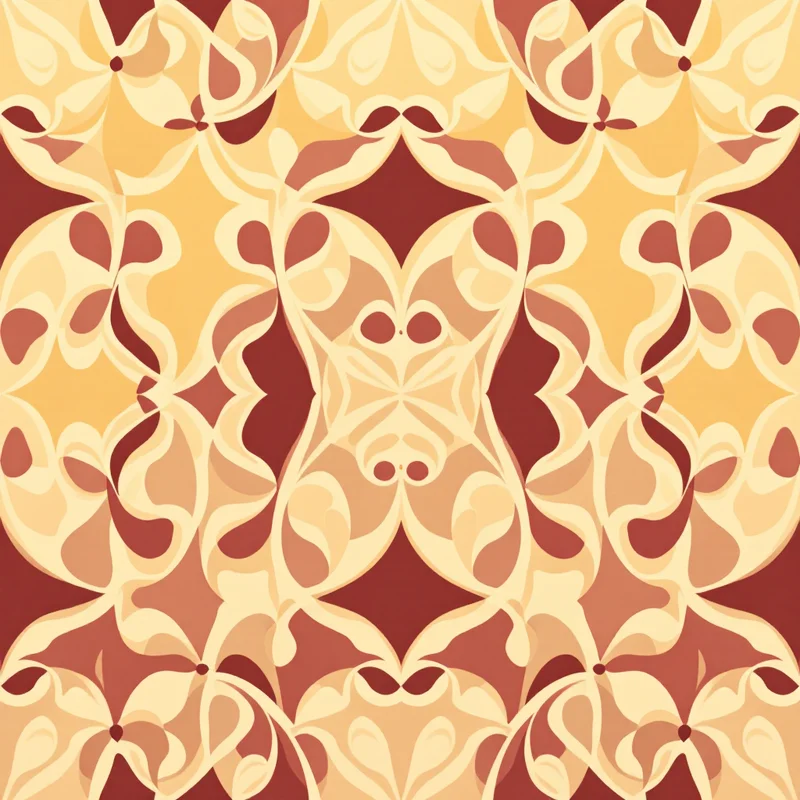
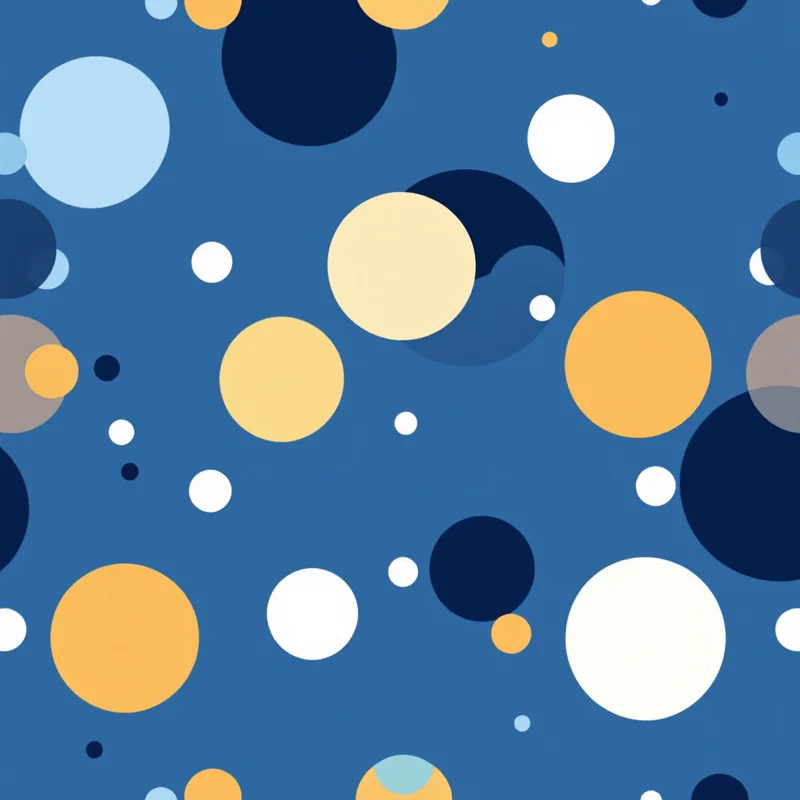
Geometric patterns are among the most versatile styles in surface design because they work across every industry and aesthetic. A subtle grid pattern anchors a minimalist interior. A bold chevron stripe drives an entire textile collection. A precise hexagonal repeat elevates product packaging. The inherent sense of mathematical order in geometric designs means they add structure to any surface without competing with typography, photography, or other content.
Commercial applications
For textiles and fashion, geometric prints are a year-round staple. Upholstery fabrics, curtain panels, bedding sets, and accent pillows all benefit from the structured rhythm. In fashion, geometric motifs work across casual and formal wear — from bold op-art leggings to refined herringbone blazers. The patterns scale predictably, so what looks right on a 10cm swatch holds up at 60cm on fabric.
Where to use geometric patterns
Packaging and branding projects rely on geometric patterns to communicate precision, modernity, and quality. A consistent geometric texture across your brand collateral — business cards, shopping bags, website backgrounds, product boxes — creates instant brand recognition across every touchpoint. The clean lines reproduce reliably across print methods including offset, screen printing, and foil stamping.
Customization & export
You control density, color palette, line weight, and repeat layout for every design. Switch between rendering styles to get a hand-drawn ink quality, a crisp vector finish, or a watercolor wash over geometric forms. Adjust the complexity from a simple two-element grid to an intricate multi-layer tessellation. Export at print-ready resolution for textiles and packaging, or at web-optimized sizes for digital backgrounds and UI patterns.
Generate dozens of variations in minutes. Test colorways instantly. Lock in the exact proportions and color ratios that make your design work, then export at up to 8K resolution in PNG, TIFF, or PDF.