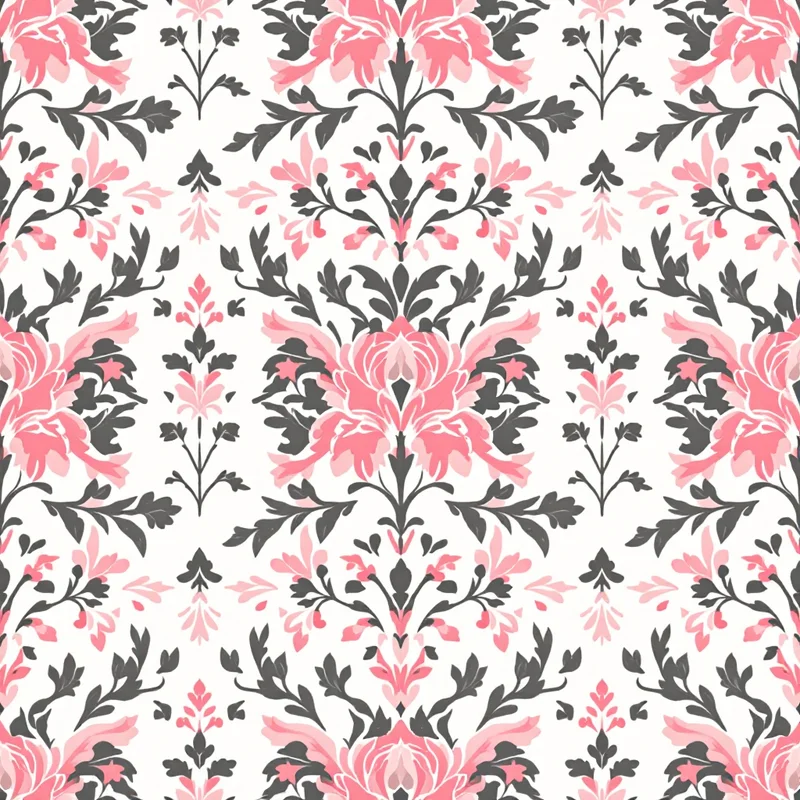
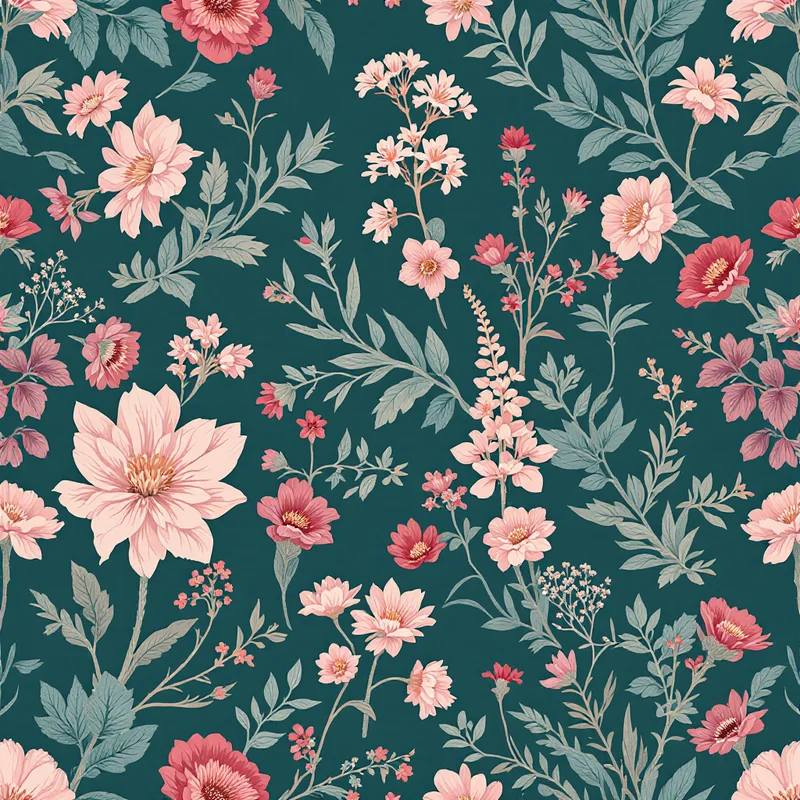
Design characteristics
The wedding industry is the primary commercial market. Invitations, programs, menus, table runners, gift bags, favor boxes, and welcome signs all need romantic surface designs. Bridal fashion uses lace-inspired patterns on robes, lingerie, veils, and accessories. Event designers use romantic patterns for backdrops, signage, and digital displays that set the celebration's visual tone. This is a consistently high-value market with strong seasonal peaks and year-round baseline demand.
Commercial applications
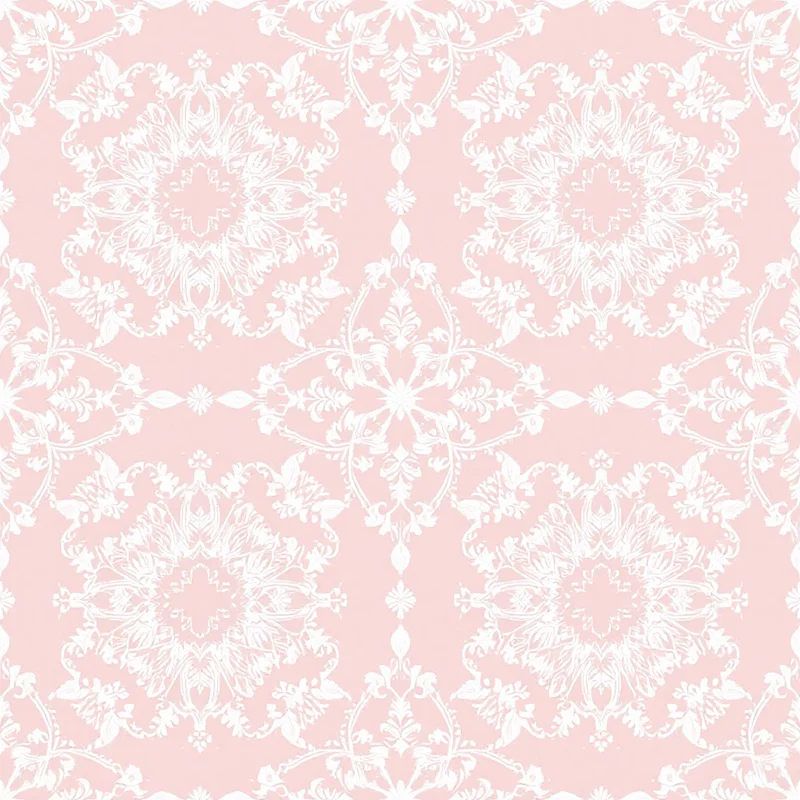
Lingerie and loungewear brands rely on the romantic category for their core surface design needs. Lace patterns, rose motifs, and pearl accents define the visual language of intimate apparel. These patterns need to feel sensual and refined at the same time — the balance between delicacy and sophistication that Pattern Weaver's romantic substyles are built to deliver.
Where to use romantic patterns
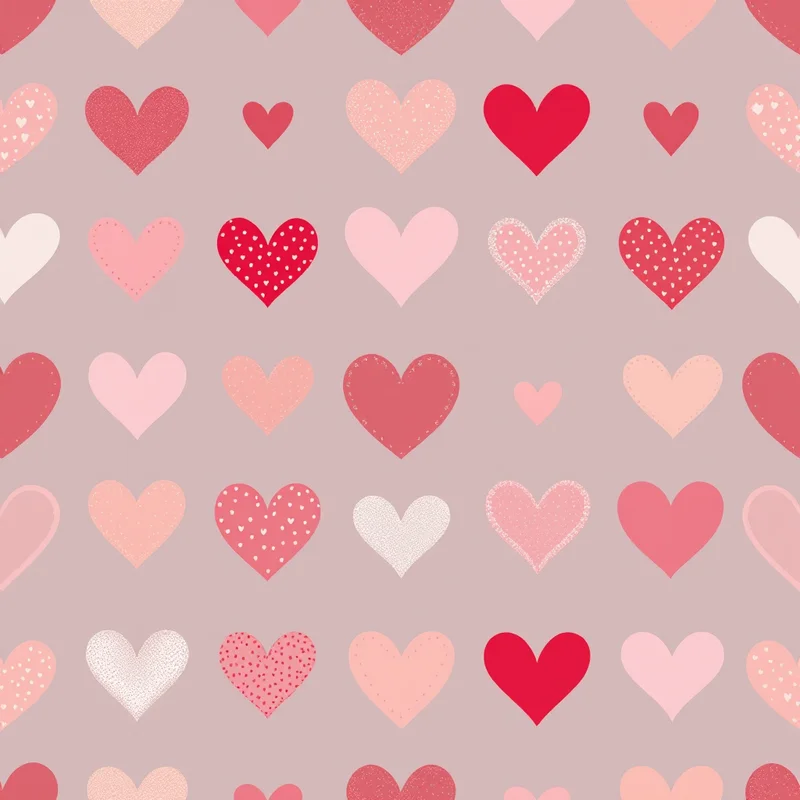
Greeting cards and stationery represent another steady market. Mother's Day, Valentine's Day, anniversaries, sympathy cards, and general "thinking of you" occasions all use romantic patterns. If you sell on Etsy or to retail card companies, romantic designs are a core inventory category with predictable seasonal demand spikes.
Customization & export
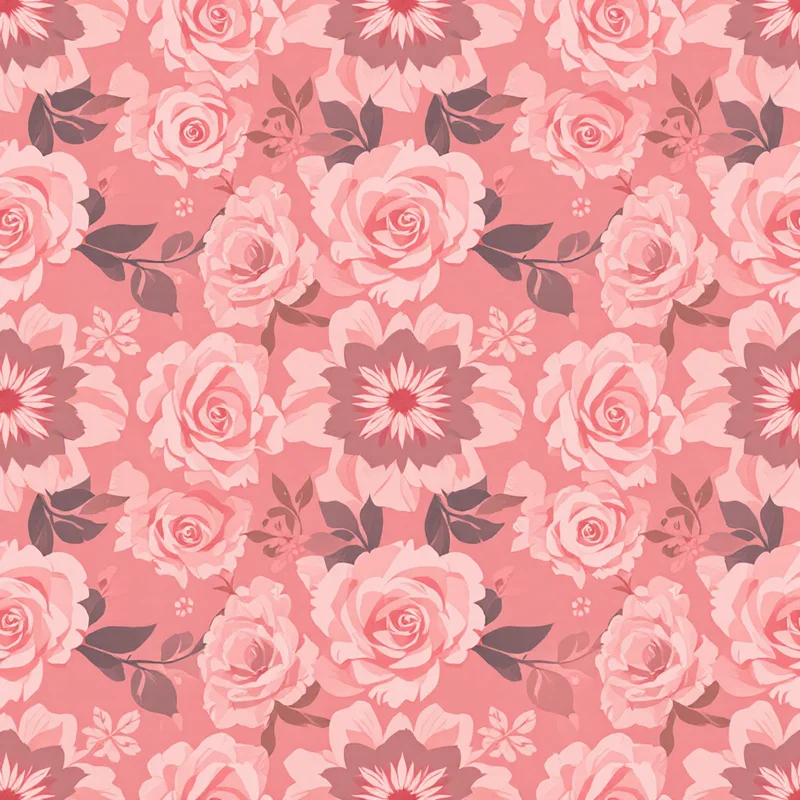
Beauty and skincare brands use romantic patterns to communicate gentleness, care, and femininity across their packaging and marketing. A soft floral pattern on a moisturizer box. A lace texture on a perfume package. A pearl motif on a spa brand's collateral. The romantic aesthetic maps directly to the emotional associations these brands want to trigger — softness, luxury, self-care.
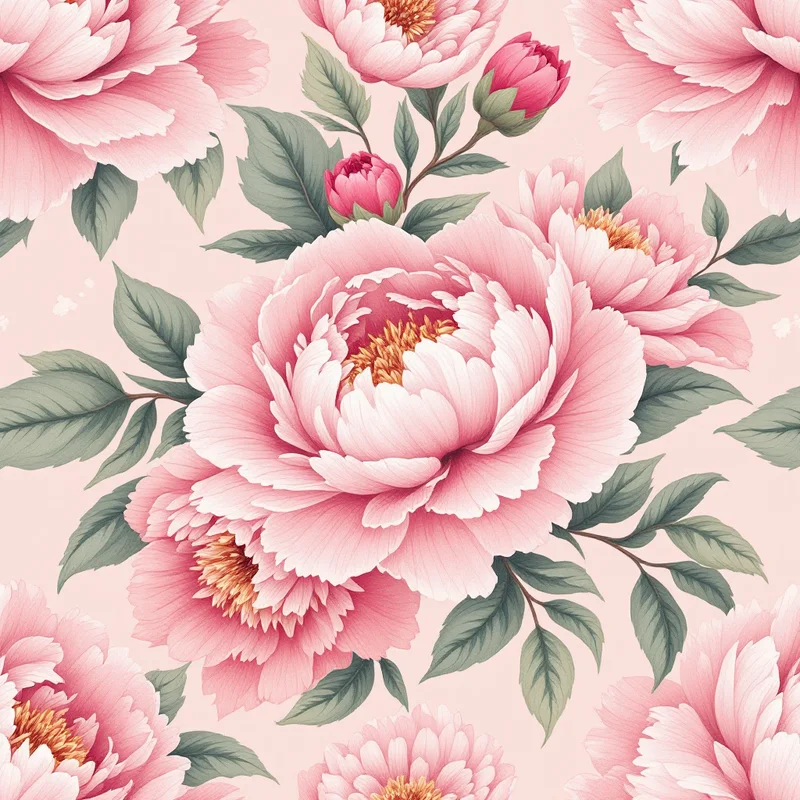
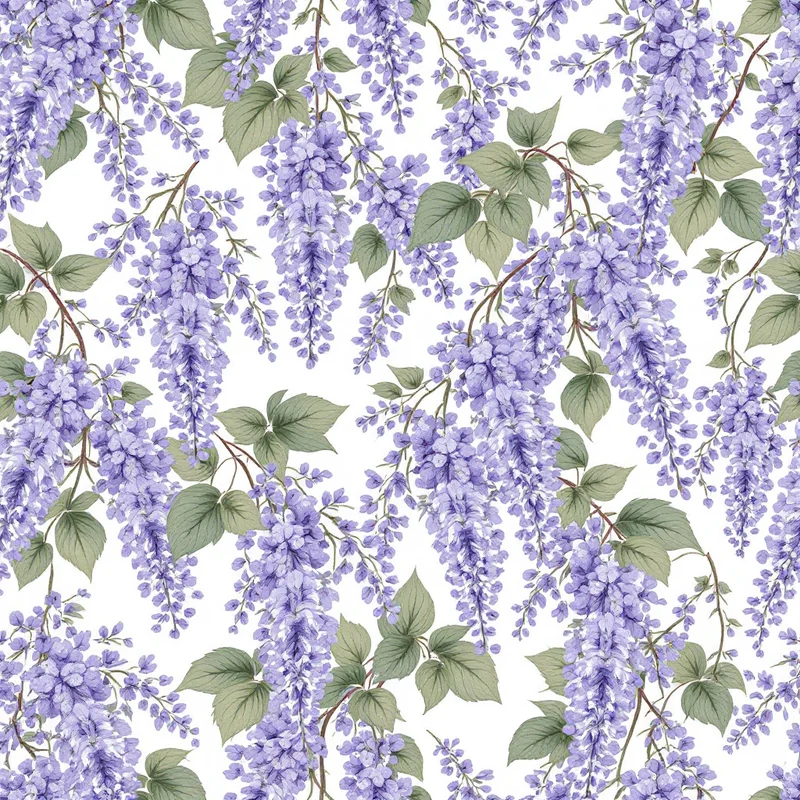
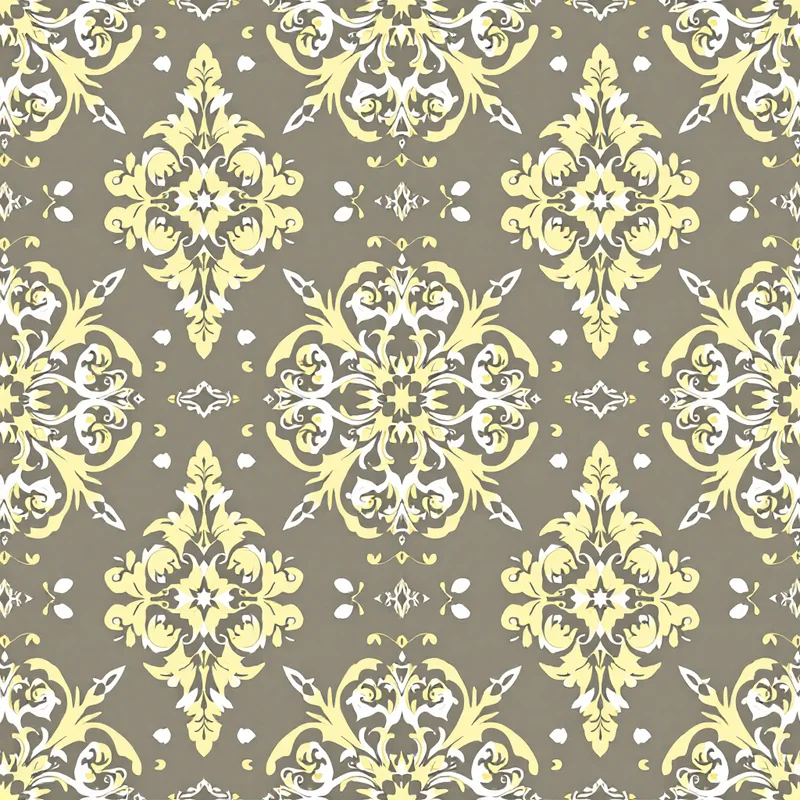
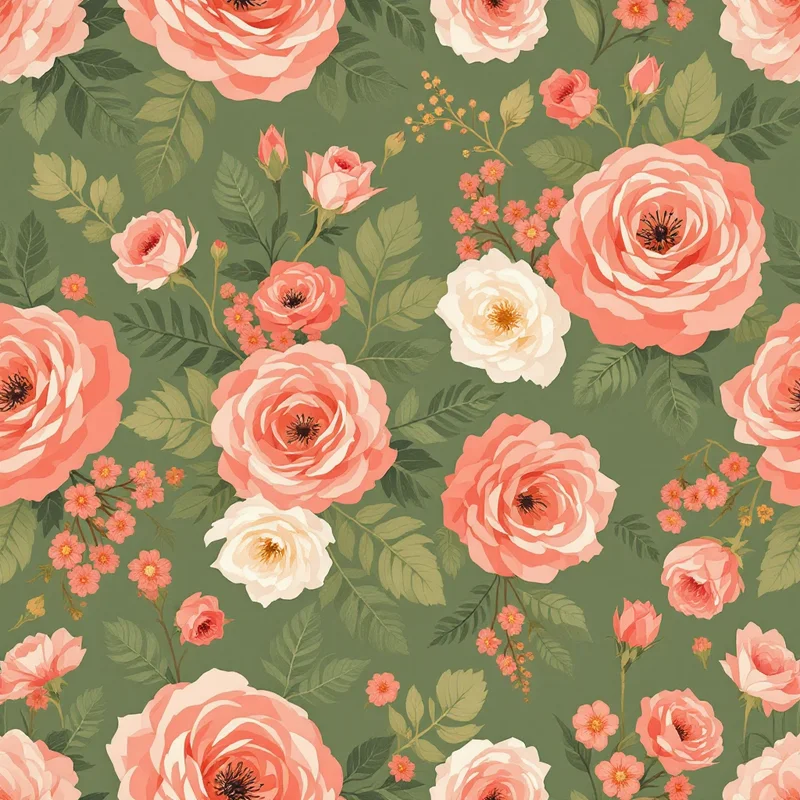
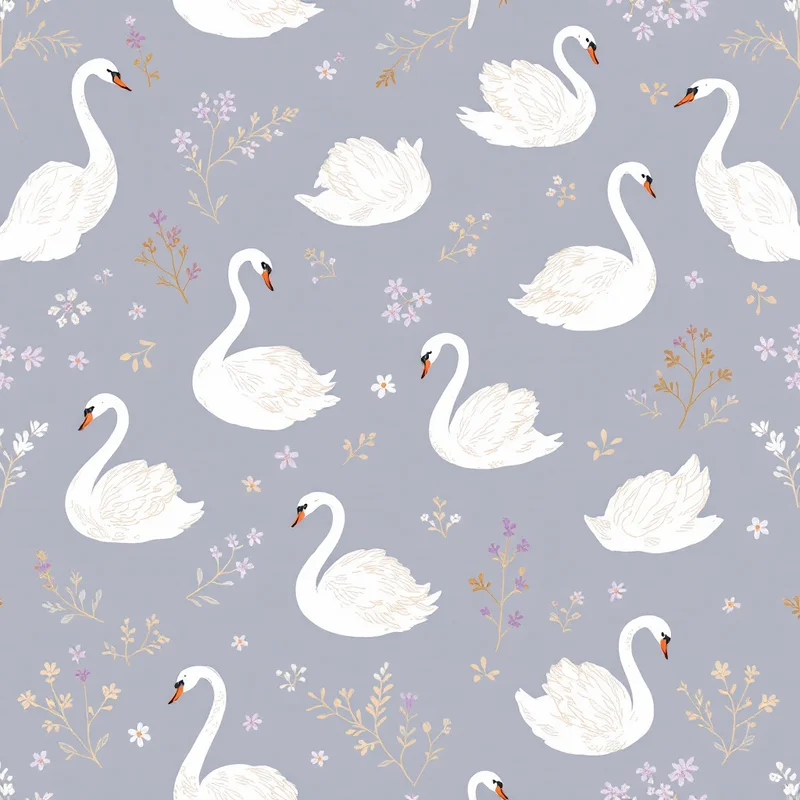
You control the sweetness level. Full Victorian with rich, detailed lace and deep rose tones for traditional audiences. Modernized minimal florals on blush backgrounds for contemporary brands. Line-drawn roses for editorial applications. The romantic category lets you create designs that are tender without being saccharine and elegant without feeling dated.