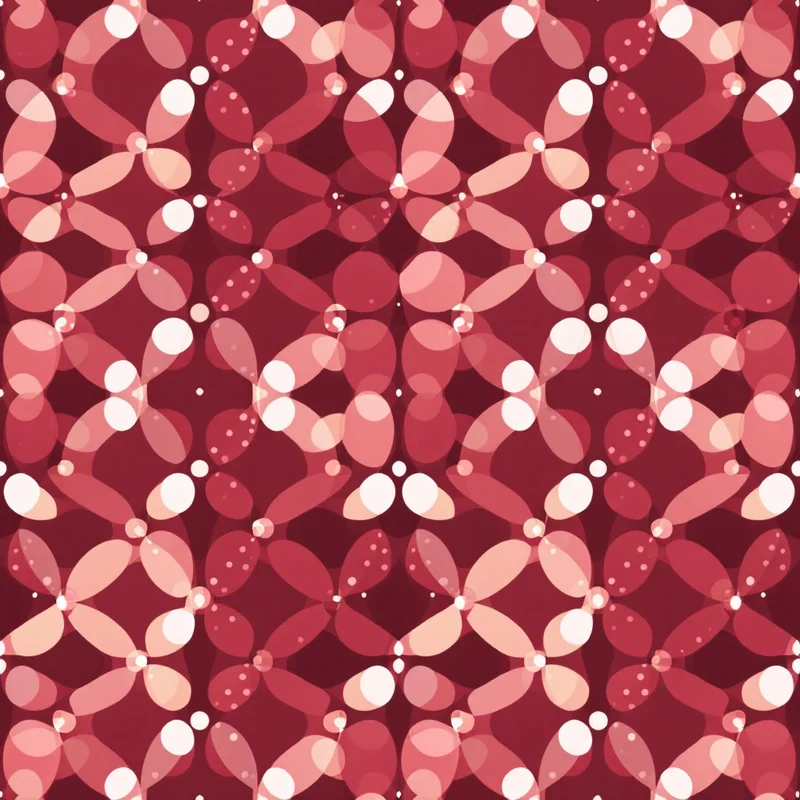
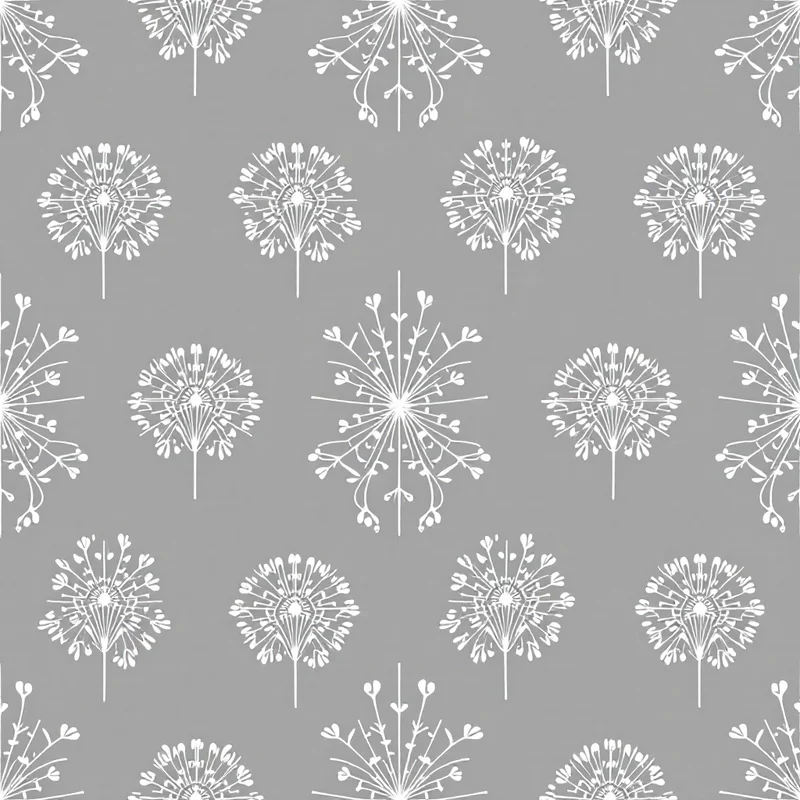
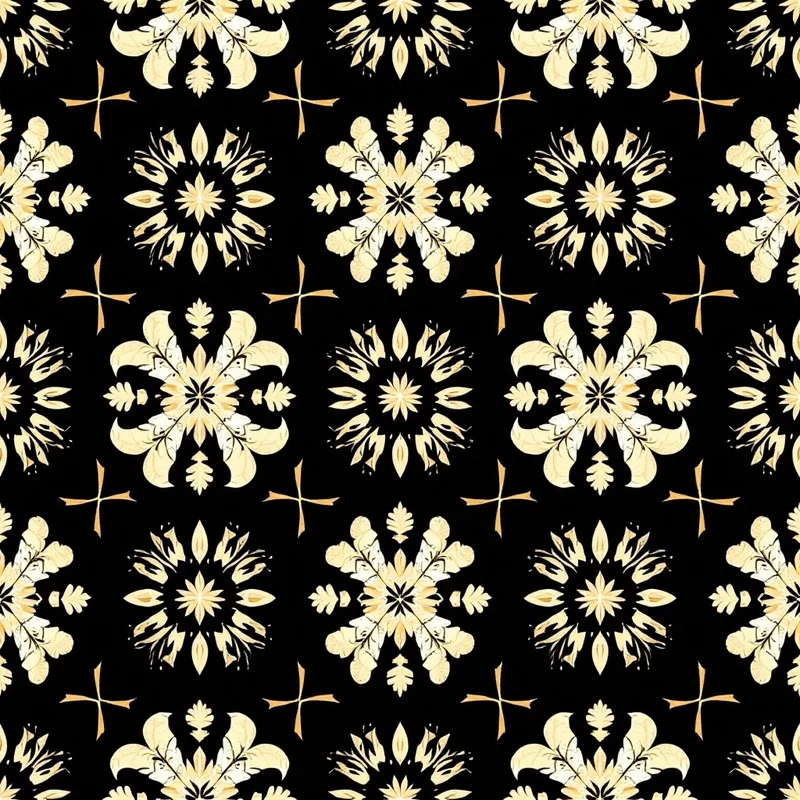
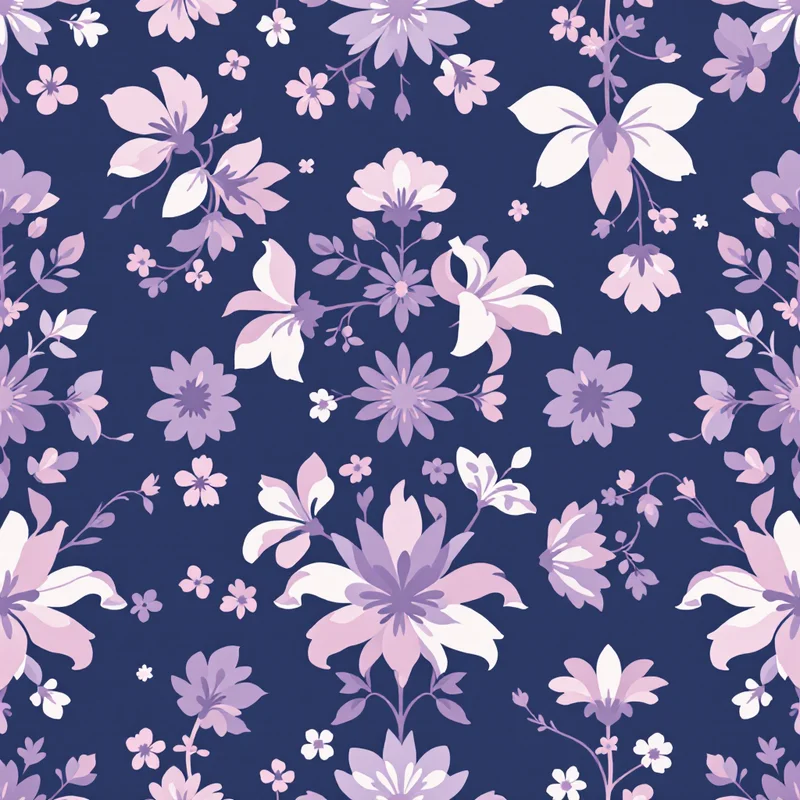
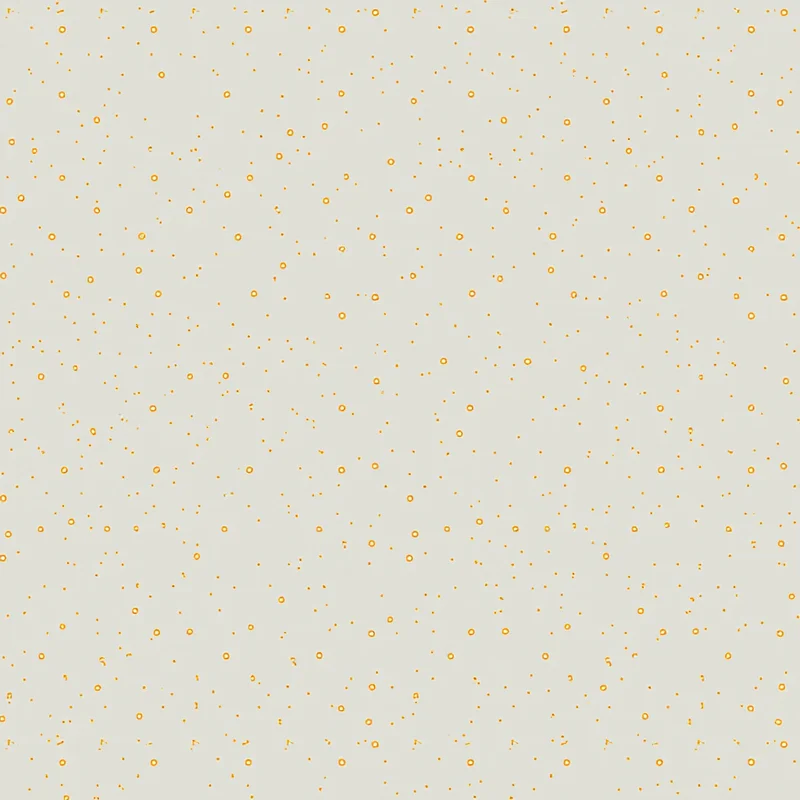
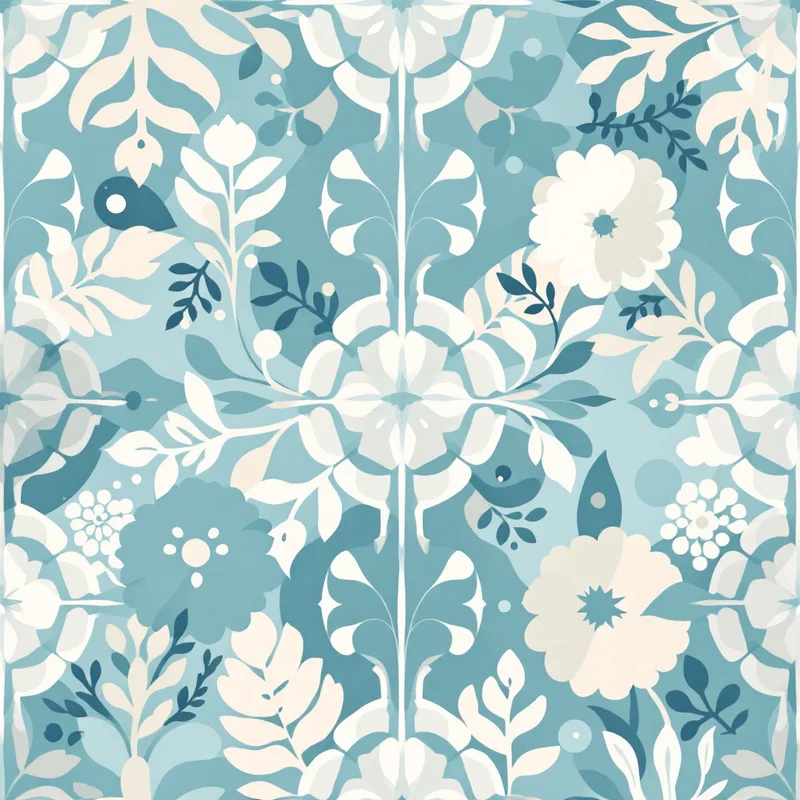
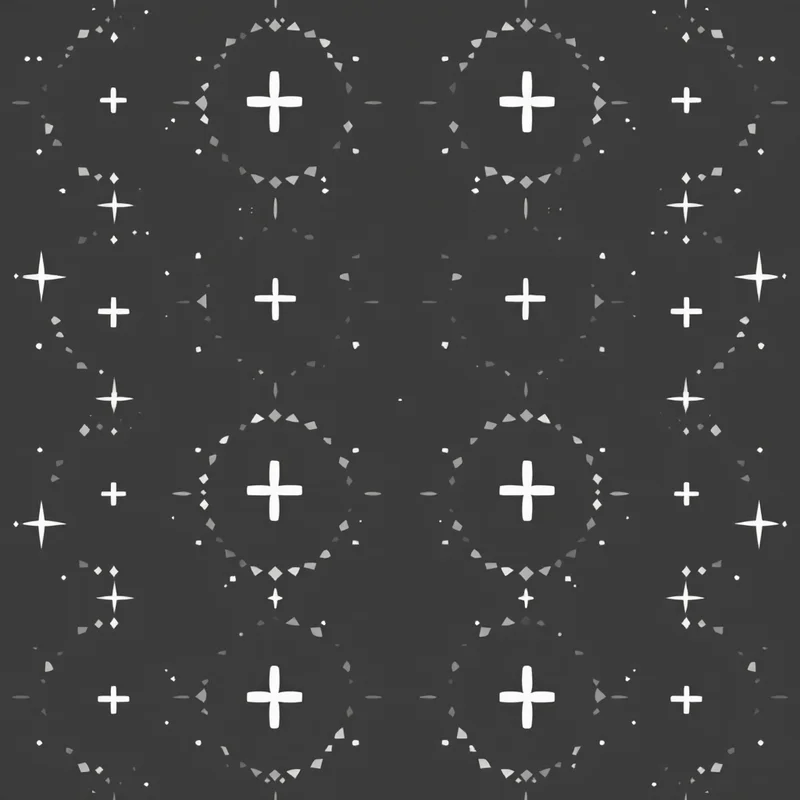
Thousands of carefully placed dots building form, shadow, and texture through pure density variation. Your stipple patterns carry the meticulous craftsmanship of pointillist illustration — no solid lines or flat fills, just dots of varying concentration that create the illusion of smooth tonal gradation. This rendering style produces some of the most sophisticated and visually complex surface designs available in Pattern Weaver.
Stipple rendering transforms every motif into a detailed study of light and form. Botanicals gain a scientific illustration quality reminiscent of vintage botanical plates and natural history engravings. Animals emerge from dot clusters with a refined, almost photographic tonal range. Geometric patterns take on an unexpected organic warmth as hard edges dissolve into graduated dot fields. Abstract compositions become textural landscapes where density alone creates depth and movement across the tile.
In fashion, stipple patterns occupy a premium, intellectual space. The labor-intensive appearance signals sophistication and appeals to consumers who appreciate craft and detail. Luxury accessories — silk scarves, leather goods, and high-end stationery — benefit from the refined, illustration-forward aesthetic. The dotted texture also pairs beautifully with natural fiber fabrics like linen and cotton, where the organic dot pattern complements the material's own surface character.
For editorial and publishing design, stipple is one of the most respected illustration styles. Book covers, chapter openers, endpapers, and literary magazine layouts all benefit from the scholarly, engraved quality of stipple rendering. If you work in publishing, academic design, or literary branding, stipple patterns communicate intellectual rigor and visual sophistication that flat fills or photographic textures simply cannot match.
Packaging for premium products — artisan spirits, specialty teas, high-end chocolates, apothecary-style cosmetics — finds a natural home in the stipple aesthetic. The densely dotted texture reads as hand-engraved and bespoke, signaling that the product inside deserves the same level of attention as the illustration on the outside. Single-color stipple on uncoated paper stock produces a particularly striking, tactile result.
Print-on-demand sellers who target design-conscious audiences find stipple patterns perform well in the art print, stationery, and premium accessories categories. The detailed dot work photographs beautifully in product listings and social media, drawing attention precisely because it looks complex and labor-intensive — the kind of design that makes viewers stop and zoom in.
You control dot density, size variation, and the tonal range of the stipple effect. Go sparse with widely spaced dots for a delicate, airy quality, or go dense with tightly packed dot fields for rich, deeply shaded motifs. The monochromatic foundation of stipple makes it exceptionally versatile for recoloring — apply any palette and the dot pattern maintains its tonal integrity across every hue.
Export at up to 8K resolution where every individual dot remains crisp and distinct. The detail holds up at every scale, from a small label or tag to a large-format art print or wallpaper panel. Every tile is seamless and production-ready, delivering the hand-engraved quality of traditional stipple illustration without the hundreds of hours it would take to create by hand.