




Design characteristics
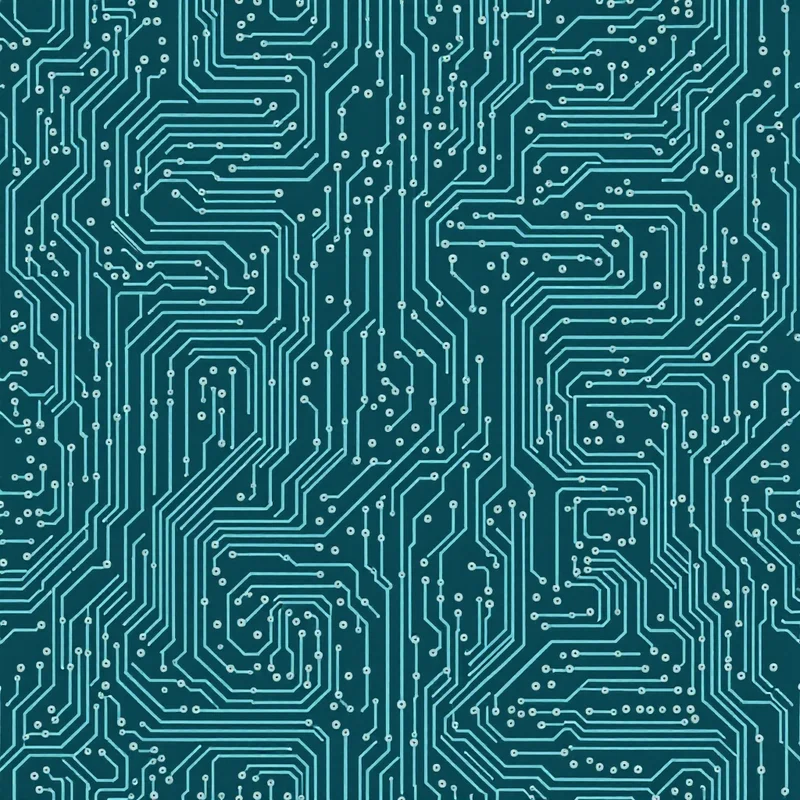
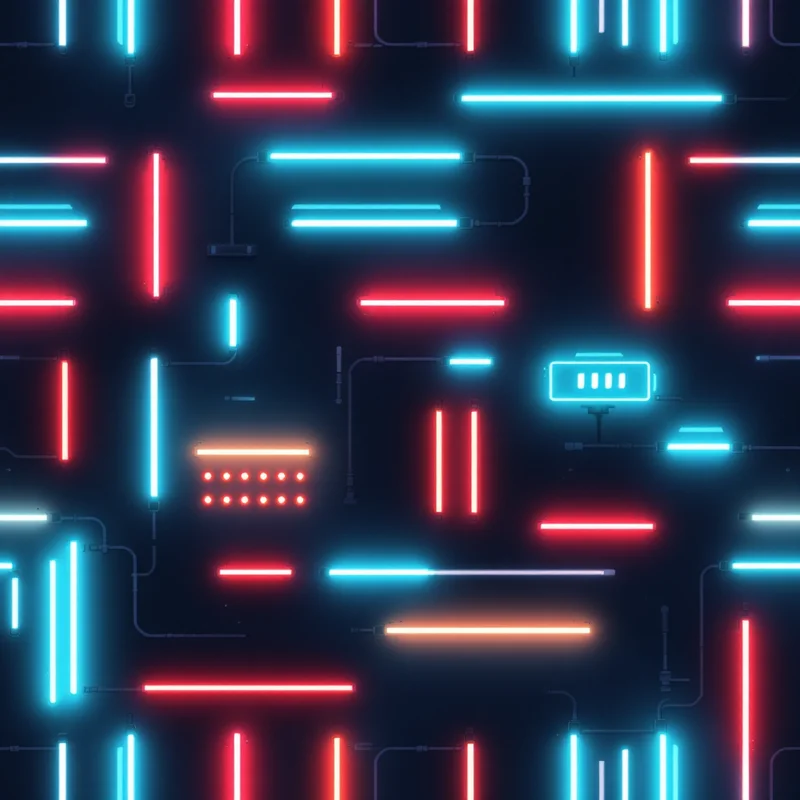
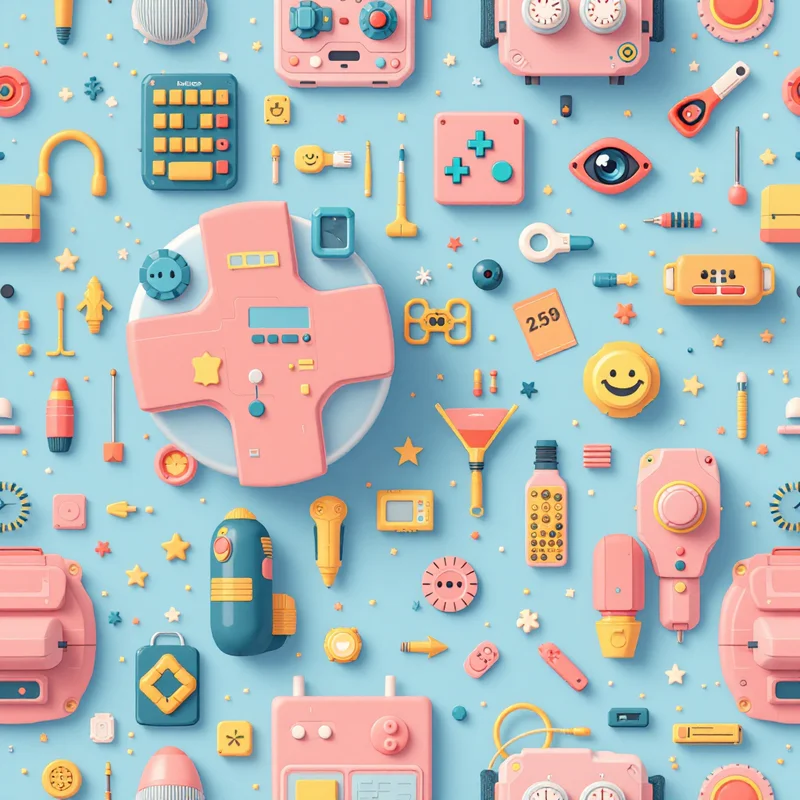
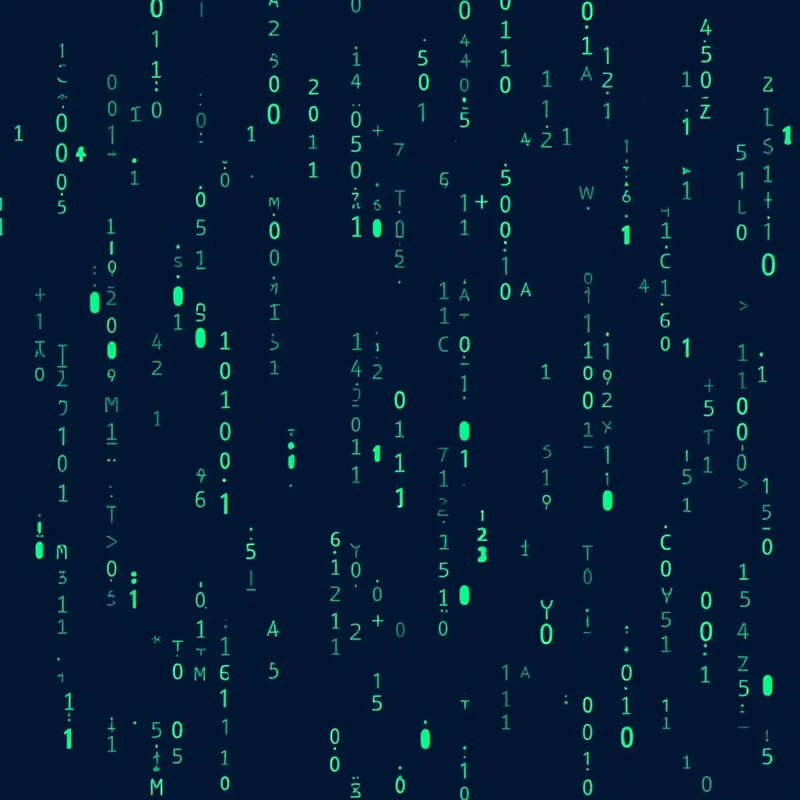
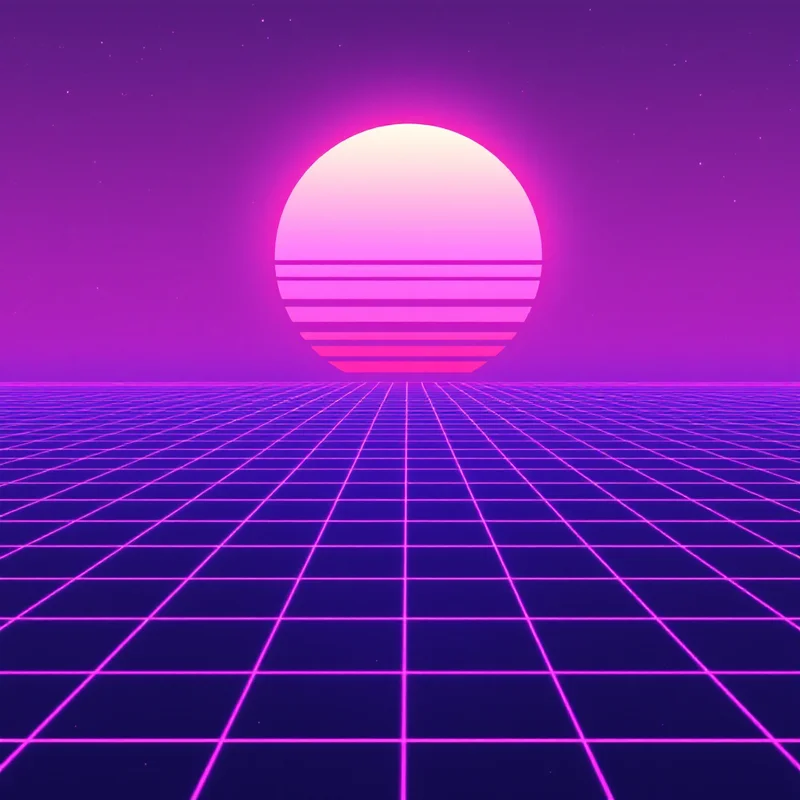
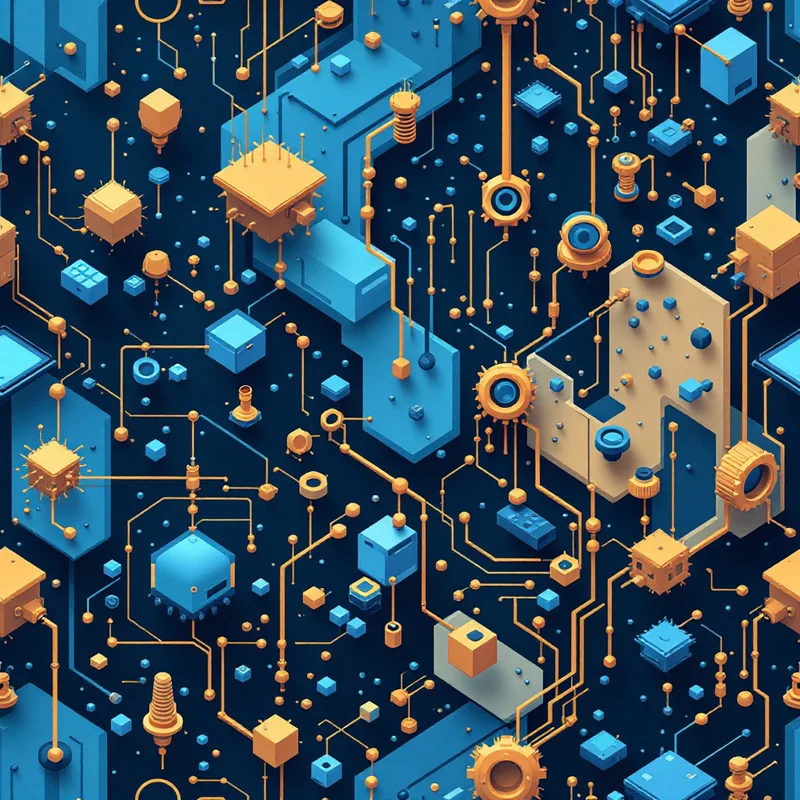
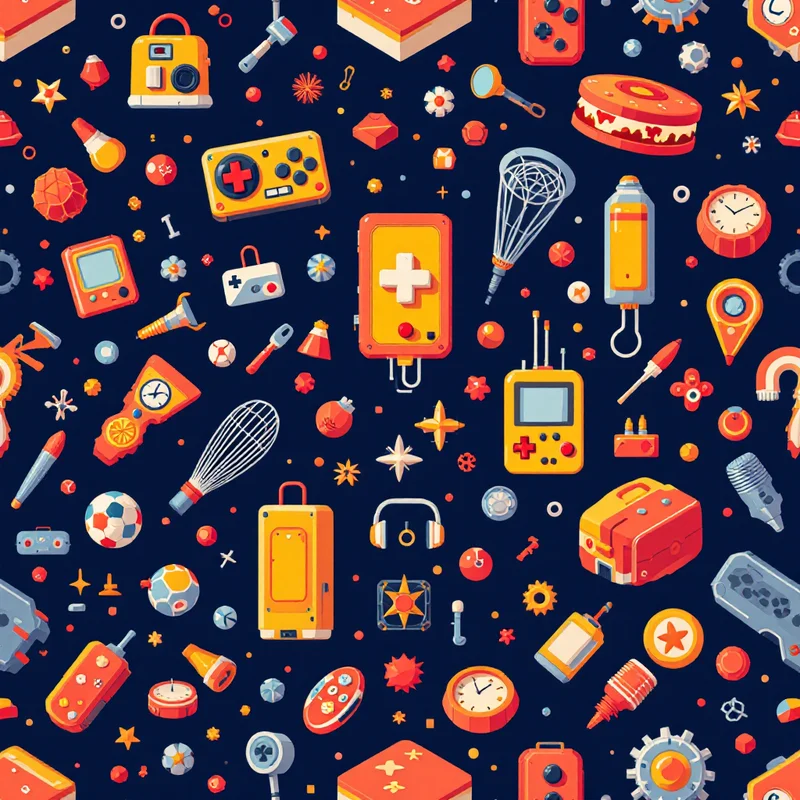
Technology companies, gaming studios, and digital service providers use tech patterns to visually reinforce their domain. A circuit board texture on an annual report cover. Pixel patterns on gaming merchandise. Neon glitch aesthetics on hackathon merch and tech conference badges. Binary code on startup pitch deck backgrounds. The pattern immediately instantly signals "this brand lives in the digital space."
Commercial applications
Gaming merchandise is a particularly high-volume application. Retro pixel art patterns connect with both nostalgic and contemporary gaming audiences. Cyberpunk aesthetics drive merch for sci-fi gaming franchises. Glitch patterns work on limited-edition controller skins and gaming peripherals. The patterns export at the resolutions needed for small-format accessories and large-format posters alike.
Where to use tech patterns
Office and co-working space interiors use tech patterns to create environments aligned with their companies' identity. A subtle circuit board wallpaper in a tech company lobby. A pixel grid pattern on conference room dividers. A neon wireframe accent wall in a creative studio. These patterns turn physical spaces into visual expressions of a company's digital mission.
Customization & export
Streetwear and athleisure collections use tech patterns for futuristic-leaning fashion. All-over-print hoodies with circuit motifs. Sneakers with pixel art patterns. Accessories with holographic effects. The tech category crosses over into fashion when brands want to communicate a digital-native identity through their products.
You control the balance between technical accuracy and artistic abstraction. Create a faithful PCB trace layout for an engineering-focused client, or abstract circuit imagery into a decorative motif that works on a fashion scarf. Adjust color from classic green PCB to neon cyberpunk to monochrome schematic. Every design tiles seamlessly and exports at production quality.